State of Illinois Retirement Plan: A Comprehensive Guide to Benefits and Systems in 2026
The State of Illinois retirement plan is a multi-tiered system comprising several distinct pension funds, including SERS, TRS, and SURS. Employees receive benefits primarily through a defined benefit structure based on their hire date...
The State of Illinois retirement plan is a multi-tiered system comprising several distinct pension funds, including SERS, TRS, and SURS. Employees receive benefits primarily through a defined benefit structure based on their hire date (Tier 1 or Tier 2), providing a lifetime monthly annuity upon meeting specific age and service requirements.
Contents
Navigating the Illinois public pension landscape requires understanding that "the plan" is actually a collection of systems tailored to different sectors of public service. Whether you are a state agency employee, a teacher, or university faculty, your retirement security depends on your specific system’s rules, your tier status, and your participation in supplemental savings options. As of 2026, these systems continue to operate under the reforms established over the last decade, with a focus on long-term sustainability and digital accessibility for members.
The Five Main Retirement Systems in Illinois
The State of Illinois manages retirement benefits through five distinct entities. Each is governed by the Illinois Pension Code and serves a specific demographic of the public workforce.
- State Employees’ Retirement System (SERS): This covers most employees of state agencies, boards, and commissions who are not covered by another system. It is the most common plan for general state workers.
- Teachers’ Retirement System (TRS): This system manages benefits for all Illinois public school teachers and administrators outside the city of Chicago.
- State Universities Retirement System (SURS): This serves faculty and staff at Illinois public universities, community colleges, and related agencies.
- Judges’ Retirement System (JRS): A specialized fund for elected or appointed judges in the Illinois court system.
- General Assembly Retirement System (GARS): This covers members of the Illinois General Assembly and certain constitutional officers.
While each system has its own board of trustees and administrative rules, they all share the fundamental "Tier" structure that dictates benefit levels and eligibility ages.
Understanding Tier 1 vs. Tier 2 Membership
The most significant factor in determining your retirement benefit is your "Tier" status. This is determined solely by the date you first entered a reciprocal Illinois retirement system.
Tier 1 Membership
Members who first contributed to a state retirement system before January 1, 2011, are categorized as Tier 1. These members enjoy more favorable terms, including a lower retirement age and higher annual cost-of-living adjustments (COLA). For most Tier 1 SERS members, full retirement is possible at age 60 with 8 years of service, or even earlier under the "Rule of 85" (age plus years of service equaling 85). The Tier 1 COLA is typically a fixed 3% compounded annually.
Tier 2 Membership
Members who first began their service on or after January 1, 2011, are Tier 2. This tier was created by the Illinois legislature to reduce the state's long-term pension liabilities. Tier 2 members face a higher full retirement age—currently 67 with 10 years of service—and a reduced COLA. The Tier 2 COLA is calculated as 3% or one-half of the Consumer Price Index-U (CPI-U), whichever is lower, and is not compounded. Furthermore, the "final average compensation" used to calculate benefits in Tier 2 is capped at a specific dollar amount that increases annually with inflation. For 2026, this cap is estimated at approximately $135,000.
How Benefits Are Calculated
Most Illinois state plans are Defined Benefit (DB) plans. Unlike a 401(k), where the benefit depends on investment performance, a DB plan guarantees a specific monthly payment for life based on a formula.
The Standard Formula
The calculation generally follows this structure: Years of Service × Formula Multiplier × Final Average Compensation = Annual Pension.
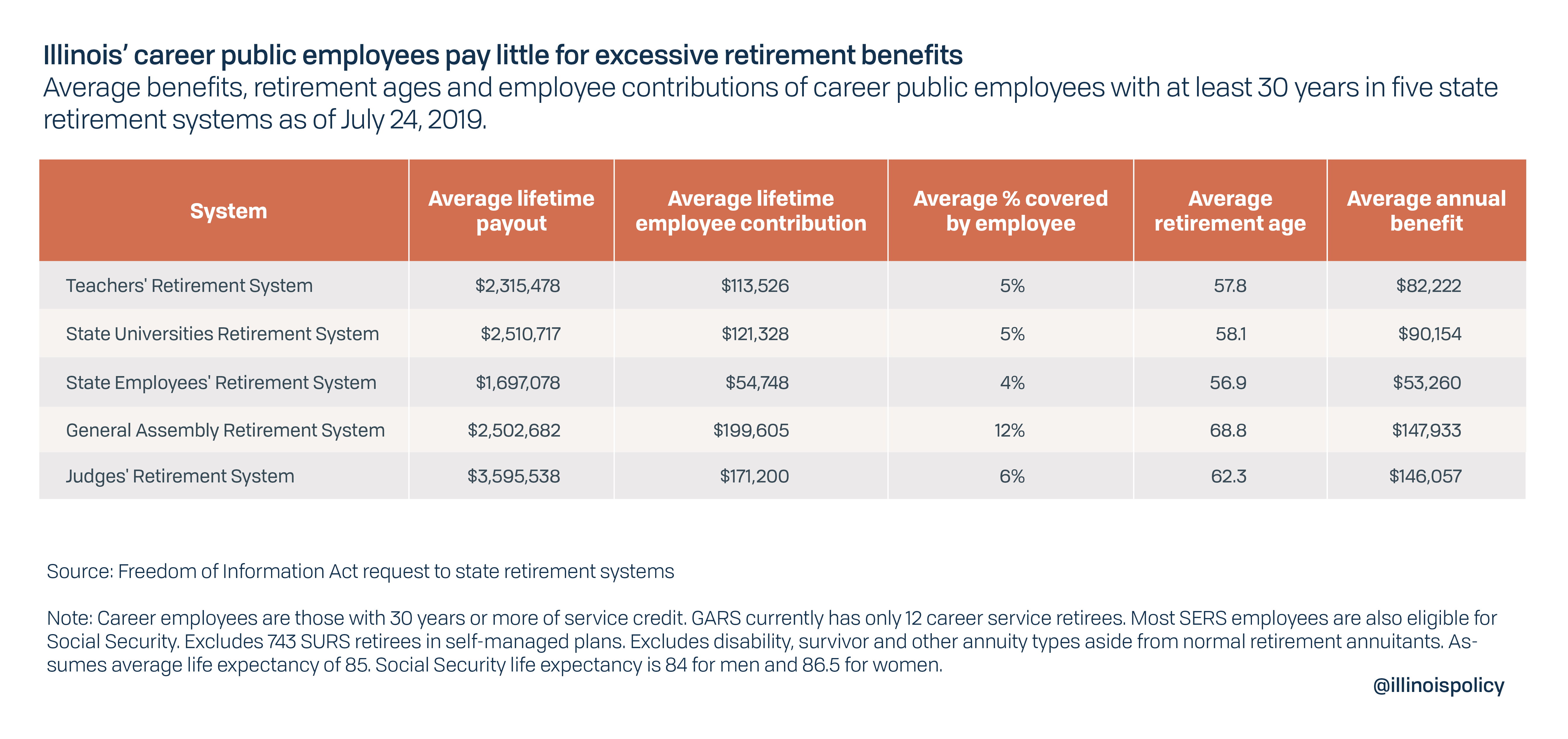
For a standard SERS employee coordinated with Social Security, the multiplier is 1.67% per year of service. If an employee is not coordinated with Social Security (common in some TRS and SURS positions), the multiplier is often higher, such as 2.2%.
For example, a Tier 1 employee with 30 years of service and a final average compensation of $80,000 would calculate their pension as follows:
30 years × 0.0167 (1.67%) × $80,000 = $40,080 per year.
Final Average Compensation (FAC)
The FAC is the average of your highest consecutive months of earnings. In Tier 1, this is usually the average of the highest 48 consecutive months within the last 10 years of service. In Tier 2, it is the average of the highest 96 consecutive months within the last 10 years. This longer averaging period for Tier 2 typically results in a lower starting pension amount compared to Tier 1.
Comparison of Major Illinois Retirement Systems (2026)
| Feature | SERS (State Employees) | TRS (Teachers) | SURS (University Staff) |
|---|---|---|---|
| Primary Formula | 1.67% (Coordinated) | 2.2% (Standard) | 2.2% (Standard) |
| Tier 1 Vesting | 8 Years | 5 Years | 5 Years |
| Tier 2 Vesting | 10 Years | 10 Years | 10 Years |
| Retirement Age (T2) | 67 (Full) / 62 (Reduced) | 67 (Full) / 62 (Reduced) | 67 (Full) / 62 (Reduced) |
| Employee Contrib. | 4% (Coordinated) | 9.0% | 8.0% |
| Social Security | Yes (Most) | No (Most) | No (Most) |
Supplemental Savings: The 457(b) Deferred Compensation Plan
Because the pension might not replace 100% of pre-retirement income, the State of Illinois offers a supplemental 457(b) Deferred Compensation Plan. This is a defined contribution plan, similar to a private-sector 401(k).
In 2026, employees can contribute a portion of their pre-tax income to this plan, allowing for tax-deferred investment growth. The State of Illinois CMS manages this program. It is particularly valuable for Tier 2 employees who may need to bridge the income gap created by the lower pension cap.
Participation in the 457(b) plan is voluntary. It offers a variety of investment funds ranging from conservative stable value funds to aggressive equity index funds. One major advantage of the 457(b) over a 401(k) or 403(b) is that there is no 10% early withdrawal penalty if you leave state employment before age 59½, though standard income tax still applies.
Reciprocal Retirement: Moving Between Systems
One of the strengths of the Illinois retirement framework is the Retirement Systems Reciprocal Act. If you move from a job covered by SERS to a job covered by TRS or SURS, you do not lose your earned credits.
Under reciprocity, your service credits from all participating systems are combined to help you meet vesting requirements and determine your retirement age. When you retire, each system pays a portion of your pension based on the service earned within that specific fund, but they use your "Final Average Compensation" from the system where you had the highest earnings. This prevents employees from being penalized for advancing their careers across different branches of state and local government.
Disability and Survivor Benefits
The State of Illinois retirement plans provide more than just a pension; they include essential "wraparound" protections.
- Occupational Disability: If you are injured on the job, SERS and other systems provide a percentage of your salary (often 75%) while you are unable to work.
- Non-Occupational Disability: For illnesses or injuries occurring outside of work, members with at least 1.5 to 3 years of service (depending on the system) may receive a benefit (typically 50% of salary).
- Survivor Benefits: If a member dies while in active service or after retirement, the plan provides monthly annuities or lump-sum payments to eligible spouses, children, or dependent parents. For many, this serves as a form of built-in life insurance.
Common Mistakes to Avoid
- Underestimating Tier 2 Constraints: Many new employees assume they can retire at 60. For Tier 2, retiring before 67 results in a permanent benefit reduction of 6% for every year you are under age 67.
- Neglecting the 457(b): Relying solely on the pension can be risky, especially with inflation. Starting contributions to the Deferred Compensation plan early in your career is critical.
- Failing to Update Beneficiaries: Pension and death benefits are paid based on the forms on file with the specific retirement system, not necessarily your latest will.
- Ignoring Service Buy-Backs: If you took a leave of absence or had previous military service, you may be eligible to "buy back" that time to increase your service credits. This is usually most cost-effective when done early in your career.
Frequently Asked Questions
Is my Illinois state pension safe?
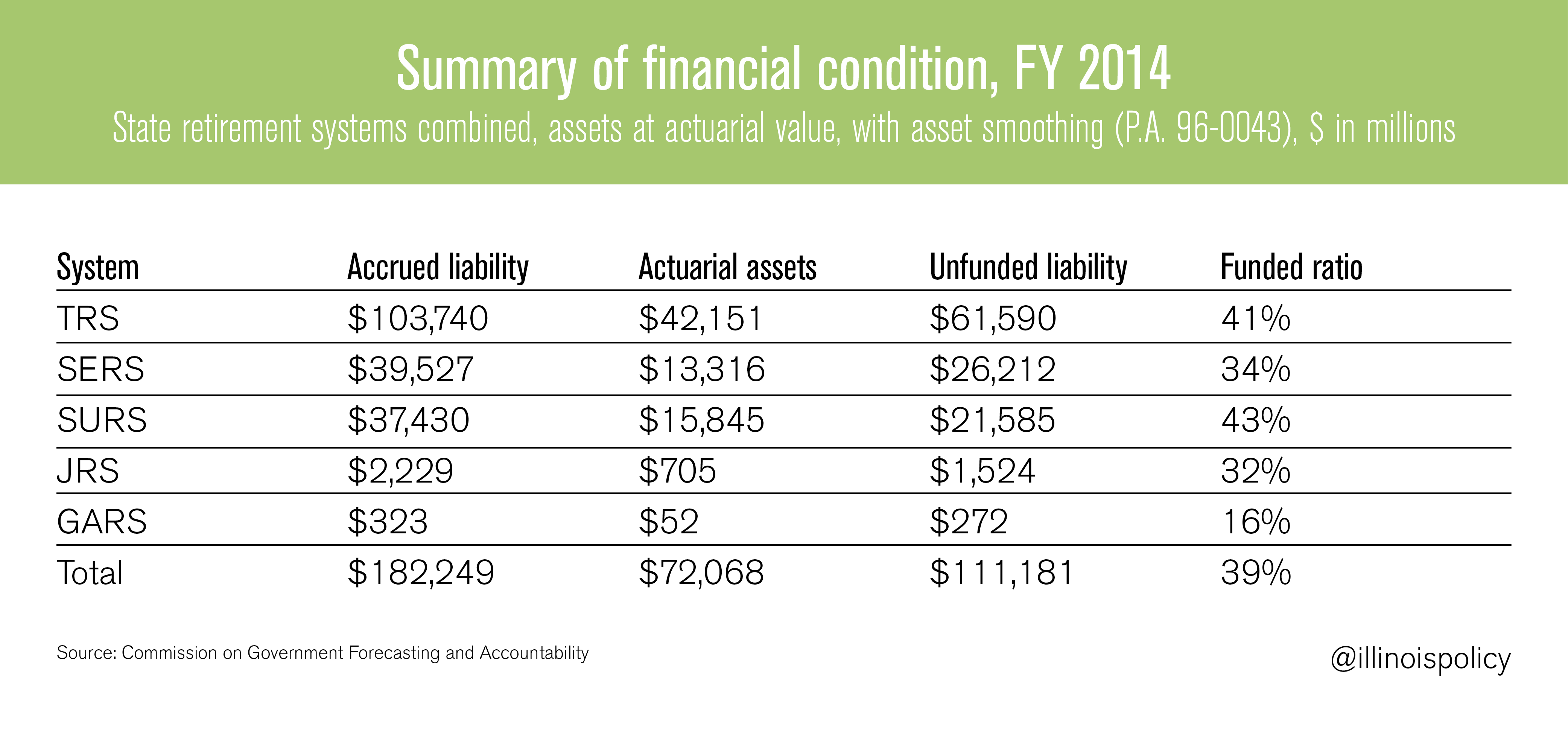
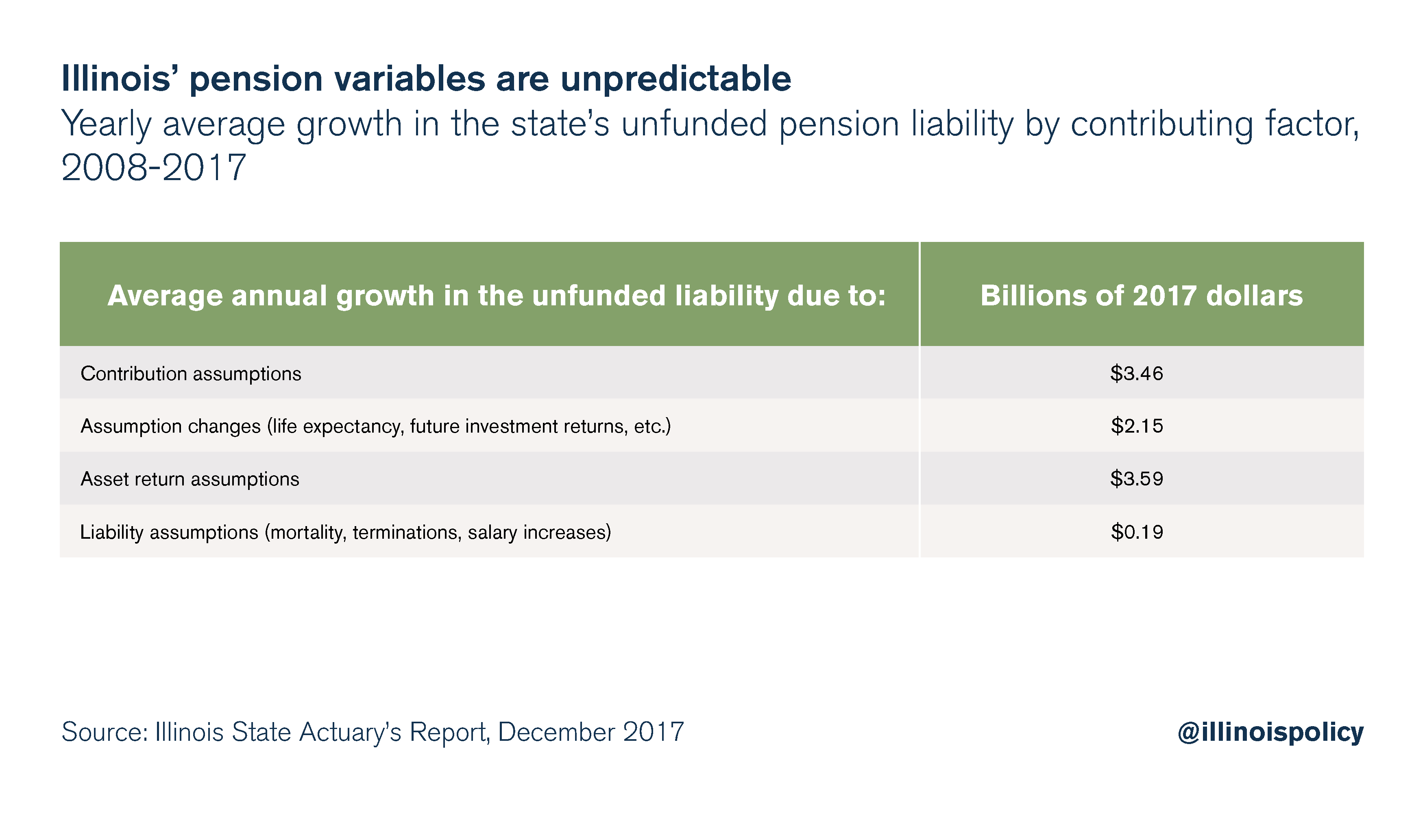
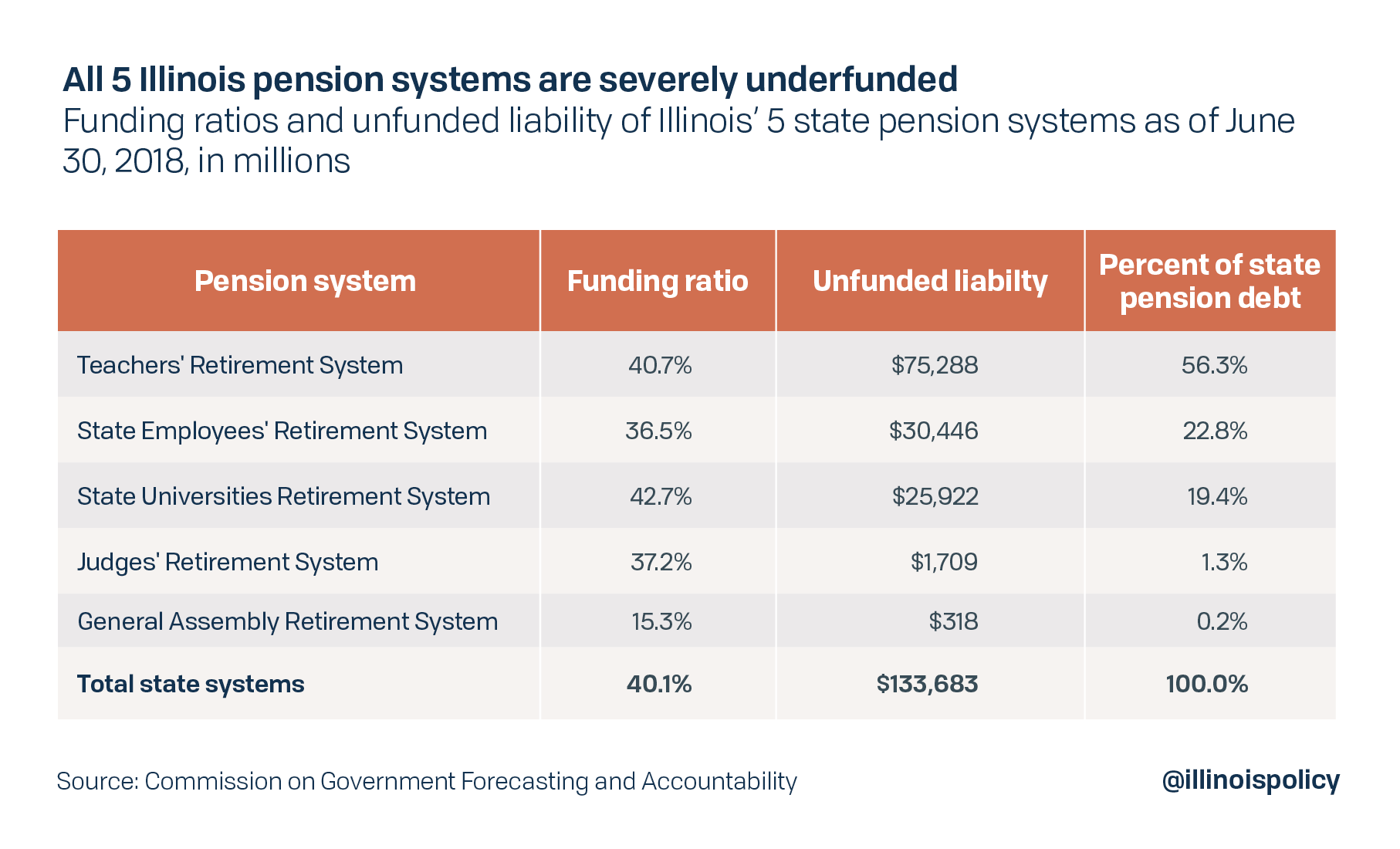
While Illinois has faced historical challenges regarding the "unfunded liability" of its pension systems, the state is legally mandated to pay benefits earned by members. The Illinois Constitution contains a "pension protection clause" stating that membership in a retirement system is a contractual relationship, the benefits of which shall not be diminished or impaired. As of 2026, the state continues to make its actuarially determined contributions to ensure long-term stability.
Does Illinois tax my state retirement income?
No. Currently, Illinois is one of the few states that does not tax distributions from qualified employee retirement plans, including SERS, TRS, and SURS pensions. Social Security and 457(b) distributions are also generally exempt from state income tax in Illinois, though they remain subject to federal taxes.
Can I withdraw my contributions if I leave state employment?
Yes. If you terminate your employment with the state, you can request a "refund" of your personal contributions. However, taking a refund means you forfeit all service credit and any future right to a monthly pension or survivor benefits. In most cases, it is more beneficial to leave the money in the system (if vested) or roll it over into an IRA.
What is the "Rule of 85"?
The Rule of 85 applies specifically to Tier 1 members. It allows for retirement at any age without a benefit reduction once the member's age plus their years of service credit equals 85. For example, a 55-year-old with 30 years of service (55+30=85) could retire with full benefits. This rule does not apply to Tier 2 members.
How do I check my retirement status?
Each system provides a member portal. SERS members should use the SERS Member Services portal, while teachers use the TRS Member Account Access. You should review your "Annual Benefit Statement" every year to ensure your service credits and salary history are recorded accurately.
Next Steps for Plan Members
To ensure a secure retirement, your first action should be to register for your system's online portal (SERS, TRS, or SURS) and download your latest benefit statement. If you are a Tier 2 employee, calculate your projected pension using the current age-67 requirement and determine if your current 457(b) contribution rate is sufficient to cover any projected shortfall. For those nearing retirement within the next five years, attending a "Ready to Retire" seminar hosted by your respective system is highly recommended to understand the application process and healthcare transition.
Image Gallery