What is the Cost of Mold Remediation in Cranford, New Jersey?
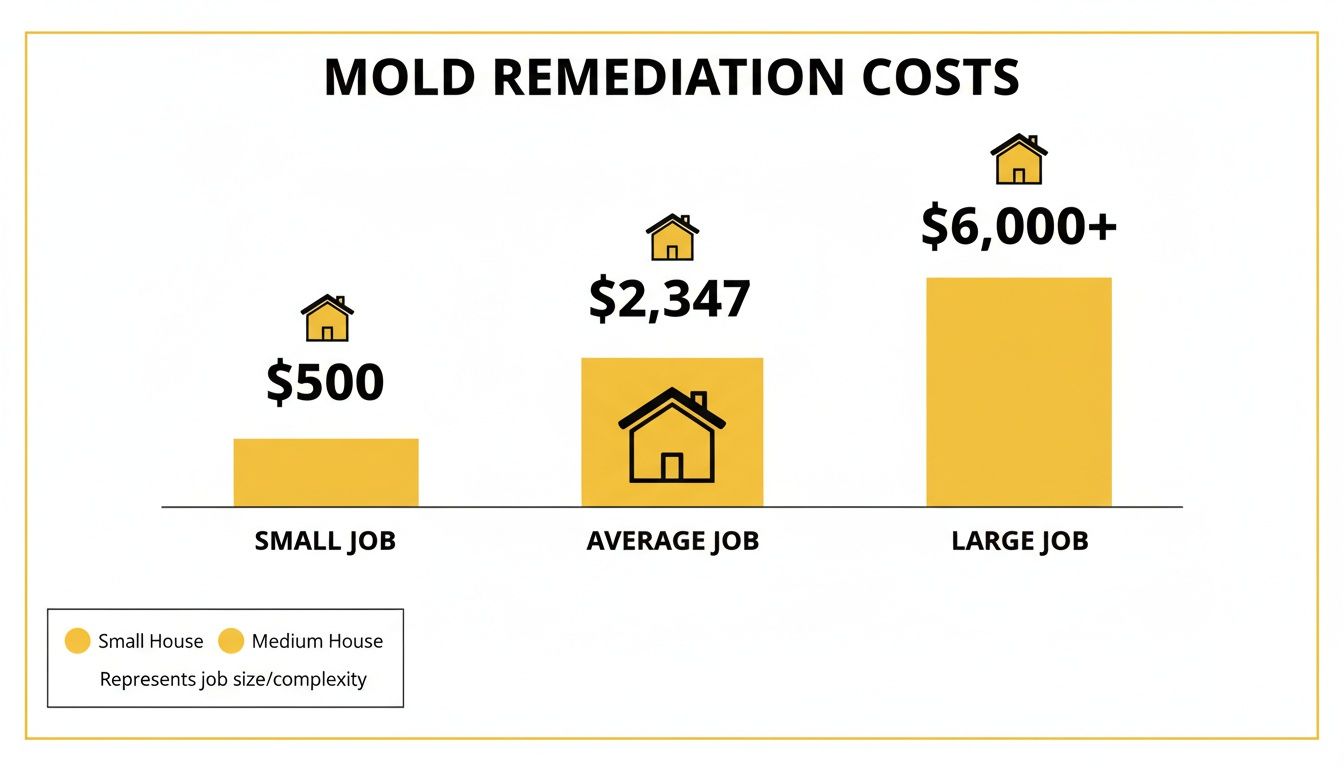
In 2026, the average cost of mold remediation in Cranford, New Jersey, typically ranges from $2,800 to $7,500, with most homeowners spending approximately $4,200. Extensive projects involving structural repair or crawlspace encapsulati...
In 2026, the average cost of mold remediation in Cranford, New Jersey, typically ranges from $2,800 to $7,500, with most homeowners spending approximately $4,200. Extensive projects involving structural repair or crawlspace encapsulation can exceed $15,000, while minor spot treatments may cost as little as $500 to $1,200.
Contents
Cranford’s unique geography—specifically its proximity to the Rahway River and its high concentration of historic residential architecture—creates a specific set of challenges for mold remediation. Residents often face high humidity levels and basement dampness, which can drive up costs due to the necessity of specialized equipment and intensive moisture control measures. Understanding these local variables is essential for obtaining an accurate estimate and ensuring a permanent solution to fungal growth.
Primary Factors Influencing Remediation Costs in Cranford
Several localized variables dictate why one remediation project in the 07016 zip code might cost significantly more than another. These factors range from the physical size of the infestation to the age of the property and the specific environmental conditions of the Union County area.
Scope and Severity of the Infestation
The most direct driver of cost is the surface area affected by mold. Professionals generally categorize remediation into three levels:
- Level I (Small): Less than 10 square feet. This is often localized to a small patch of drywall or under a kitchen sink.
- Level II (Moderate): 10 to 100 square feet. This typically involves an entire wall, a portion of a basement, or a bathroom.
- Level III (Large): More than 100 square feet. This usually signifies a systemic issue, such as a flooded basement or a leaking roof that has affected multiple rooms.
As of 2026, labor rates in Northern New Jersey for certified remediation technicians range between $85 and $160 per hour. Larger scopes require more "man-hours" for scrubbing, HEPA vacuuming, and the application of antimicrobial treatments.
Location Within the Home
Where the mold is located significantly impacts accessibility and the type of equipment required.
- Attics: Remediation here is often more expensive because of the difficulty of movement and the need to remove and replace contaminated insulation. If "ice blasting" (using dry ice to strip mold from wooden rafters) is required, expect to pay a premium.
- Crawlspaces: Many older Cranford homes feature tight crawlspaces. Working in these confined areas requires specialized PPE (Personal Protective Equipment) and often involves the installation of a vapor barrier or full encapsulation to prevent recurrence, which can add $3,000 to $8,000 to the total bill.
- HVAC Systems: If mold has entered the ductwork, the entire system must be cleaned and sanitized. This prevents mold spores from being distributed throughout the home every time the air conditioner or furnace kicks on.
The "Older Home" Surcharge: Asbestos and Lead
Cranford is celebrated for its Victorian, Colonial, and Tudor-style homes. However, many of these structures were built before 1978. When remediating mold, contractors often must cut into walls or ceilings. In 2026, strict New Jersey regulations require testing for asbestos and lead-based paint before disturbing surfaces in older homes. If these hazardous materials are found, the project transitions into a dual-abatement scenario, which can double or triple the initial remediation estimate due to the specialized containment protocols required by the Environmental Protection Agency (EPA).
Estimated Cost Breakdown for Cranford Residents (2026)
The following table provides a detailed look at the estimated costs for various remediation scenarios common in the Cranford area. These figures account for local labor rates, disposal fees at Union County facilities, and the current market price for high-grade antimicrobial chemicals.
| Service Category | Typical Scope | Estimated 2026 Price Range |
|---|---|---|
| Initial Mold Inspection | Visual check + 2-3 air/surface samples | $350 – $700 |
| Small Bathroom/Closet | Surface cleaning + minor drywall removal | $600 – $1,500 |
| Standard Basement | Cleaning 200 sq ft + dehumidification | $3,500 – $7,000 |
| Attic Remediation | Insulation removal + rafter cleaning | $4,500 – $9,500 |
| Crawlspace Encapsulation | Debris removal + 20-mil vapor barrier | $5,500 – $12,000 |
| Full HVAC/Ductwork | Sanitization of all vents and main unit | $1,500 – $3,500 |
| Post-Remediation Testing | Clearance testing to ensure air quality | $300 – $500 |
Technical Requirements and Process Steps
In 2026, professional remediation in New Jersey follows the IICRC S520 Standard, which is the benchmark for professional mold remediation. Adhering to these steps is what separates a professional service from a simple "bleach and paint" job, the latter of which usually results in the mold returning within months.
Containment and Negative Air Pressure
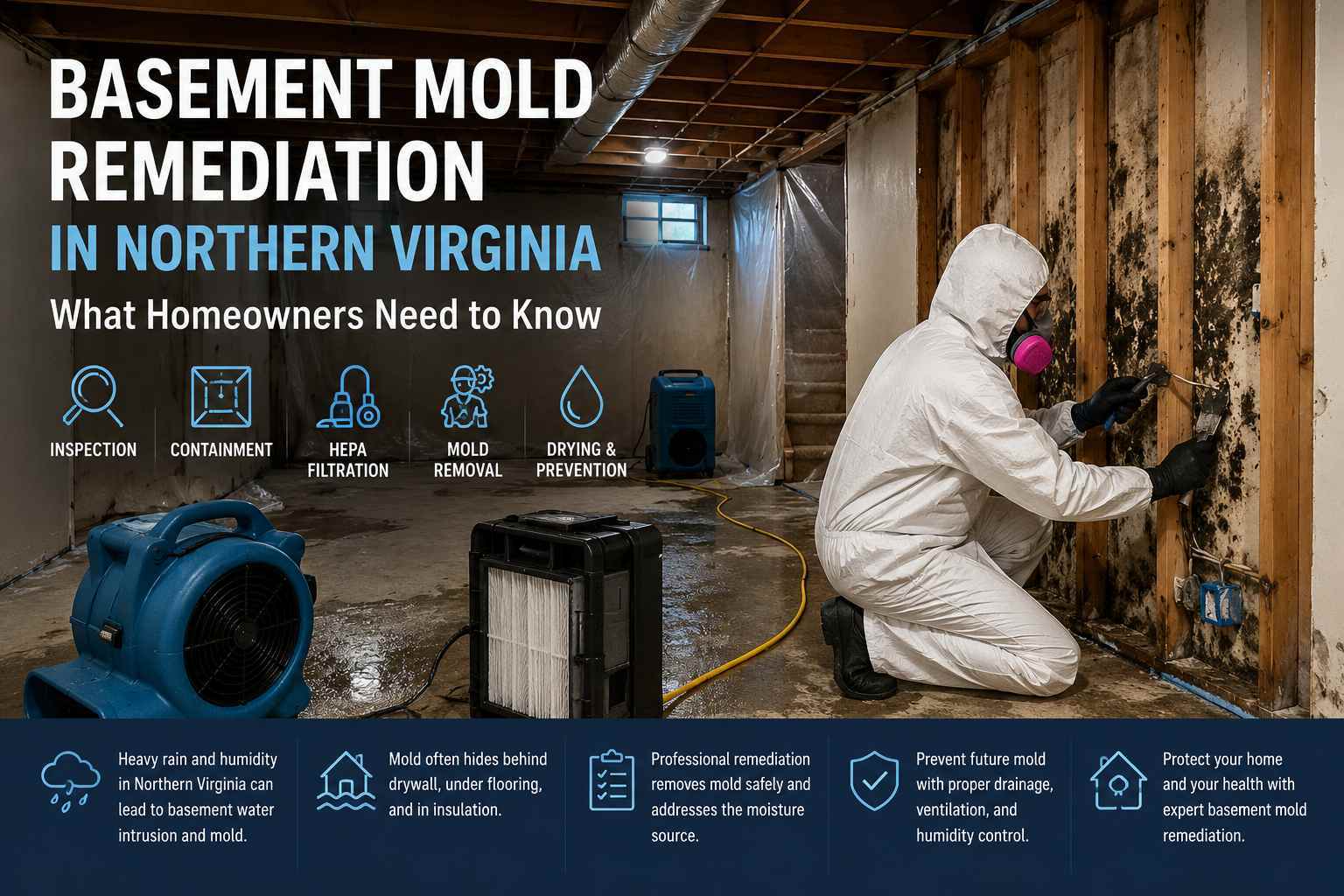
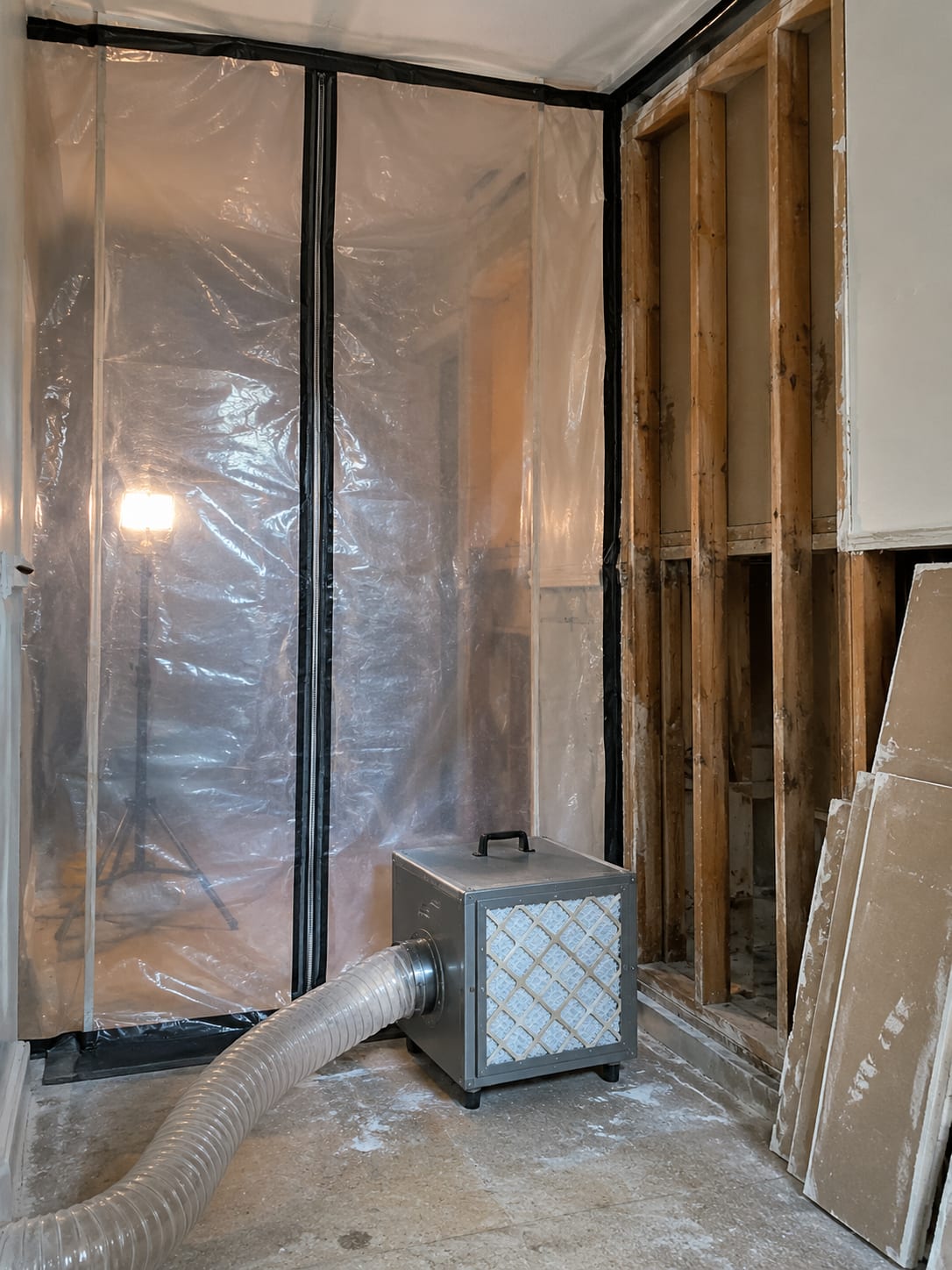
Before any moldy material is moved, technicians must set up physical barriers using 6-mil polyethylene sheeting. They utilize "negative air machines" equipped with HEPA filters to exhaust air outside the home. This creates a vacuum effect, ensuring that when moldy drywall is disturbed, the liberated spores are sucked into the filtration system rather than drifting into unaffected parts of the house.
Source Moisture Identification
Remediation is a waste of money if the moisture source remains. In Cranford, this often involves checking for foundation cracks, sump pump failures, or ice dams on the roof. Professionals use thermal imaging cameras and moisture meters to find "hidden" leaks behind walls that the naked eye cannot see.
Material Removal vs. Salvage
Non-porous materials (like metal, glass, and some hard plastics) can usually be cleaned and salvaged. Porous materials (like drywall, insulation, and carpeting) almost always require removal and disposal once mold has deeply penetrated the fibers. Semi-porous materials, such as structural wood framing, are typically sanded or wire-brushed and then treated with an encapsulated coating to prevent future growth.
Insurance Coverage and Financial Considerations
One of the most common questions Cranford homeowners ask is whether their homeowners' insurance will cover the cost. In 2026, the answer remains nuanced and depends heavily on the cause of the mold.
Covered Perils
If the mold is a direct result of a "sudden and accidental" discharge of water—such as a pipe bursting in the upstairs bathroom or a water heater failing—most standard policies will cover the remediation. However, many policies have a "mold cap" (often $5,000 or $10,000), which may not cover the full cost of a major infestation.
Excluded Scenarios
Insurance rarely covers mold resulting from "maintenance issues." This includes:
- Long-term humidity in a basement due to lack of a dehumidifier.
- Slow leaks from a roof or window that have been ignored for months.
- General "wear and tear" of the home's exterior envelope.
The Flood Insurance Gap
Because Cranford has significant flood-prone zones near the Rahway River, many residents carry separate flood insurance through the National Flood Insurance Program (NFIP). It is important to note that while flood insurance covers damage from rising surface water, it has very specific rules regarding mold. Usually, mold is only covered if it was impossible for the homeowner to inspect or maintain the property after the flood (e.g., if the town was evacuated).
Choosing a Qualified Professional in New Jersey
New Jersey has specific consumer protection laws regarding home improvements. When hiring a mold remediator in Cranford, you should verify the following:
- Licensing: The company must be registered as a Home Improvement Contractor (HIC) with the NJ Division of Consumer Affairs.
- Certification: While NJ does not have a specific "mold license" for individuals, reputable pros should hold certifications from the IICRC (Institute of Inspection, Cleaning and Restoration Certification) or ACAC (American Council for Accredited Certification).
- Conflict of Interest: To ensure honesty, it is widely recommended to hire one company for the initial inspection/testing and a different company for the remediation. This prevents a company from "finding" mold just to sell you an expensive cleaning contract.
- Written Protocol: A professional should provide a detailed "scope of work" before beginning, outlining exactly how they will contain the area, what chemicals will be used, and how they will verify the air is clean afterward.
Common Pitfalls and Hidden Costs
Homeowners often underestimate the total cost by focusing only on the "cleaning" aspect. In 2026, the "reconstruction" phase is often the most expensive part. Once the moldy drywall and flooring are removed, you still have to pay to put the room back together.
Furthermore, Cranford’s high water table means that many basements require a permanent solution to stop mold. This might involve installing an interior French drain system or a commercial-grade dehumidifier (like a Santa Fe or Aprilaire model). These preventative measures can cost between $2,000 and $12,000 but are necessary to protect the investment made in the initial remediation.
Frequently Asked Questions
Is "Black Mold" more expensive to remove? The color of the mold does not technically change the price of remediation. Whether it is Stachybotrys chartarum (often called black mold) or common Aspergillus, the containment and removal protocols remain the same. However, because black mold is often associated with higher toxicity and more significant water damage, the projects tend to be larger and, therefore, more costly.
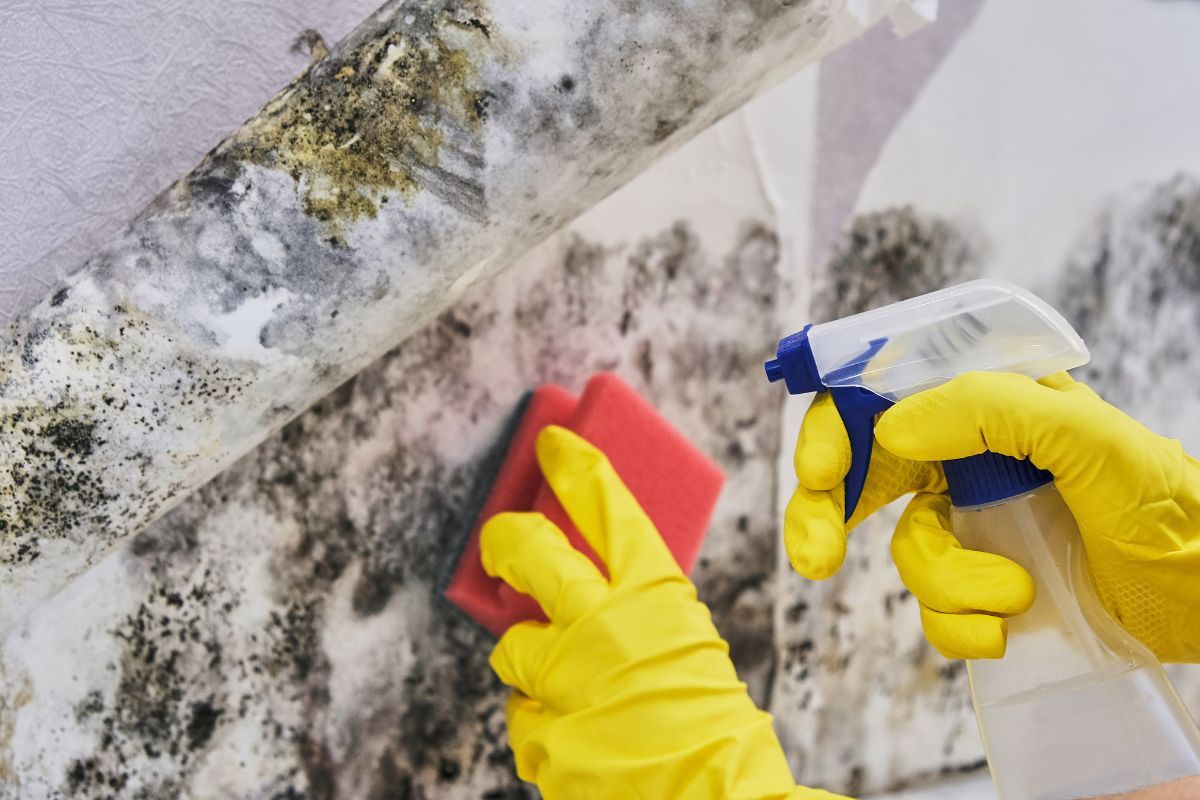
Can I use bleach to save money on remediation? Bleach is generally discouraged for mold on porous surfaces like wood or drywall. While it kills surface mold, the water in the bleach can soak into the material and actually feed the internal mold roots (mycelium), leading to a faster regrowth. Professional-grade antimicrobials are required for a permanent fix.
How long does the remediation process take? Most residential projects in Cranford take between 3 and 5 days. This includes the setup of containment, the actual cleaning/removal, and the "drying out" period where air scrubbers run for 24–48 hours before final testing.
Does a mold inspection include the cost of remediation? No. An inspection is a diagnostic service. You should expect to pay a separate fee for a professional mold assessment, which includes laboratory analysis of air and surface samples. This report serves as the "blueprint" for the remediation company.
Why is mold so common in Cranford compared to other towns? Cranford's geography is low-lying, and many neighborhoods sit within or adjacent to the Rahway River floodplain. This leads to higher-than-average soil moisture and humidity, which can easily migrate into basements and crawlspaces through hydrostatic pressure and capillary action.
Practical Recommendations for Homeowners
If you suspect mold in your Cranford home, your first action should be to identify and stop the water source. If the area is larger than 10 square feet (roughly the size of a standard bath towel), avoid disturbing it, as this can release millions of spores into your HVAC system.
In 2026, the most cost-effective path is to hire a third-party mold inspector to perform a "post-remediation verification" (PRV) or clearance test. This ensures the job was done correctly before you pay the final installment to the remediation contractor and before you begin expensive reconstruction of walls and floors. For residents in flood-prone areas near Riverside Drive or Orange Avenue, investing in a high-capacity, permanent dehumidification system is the single best way to prevent the $5,000+ cost of future remediation.
Image Gallery