What Is a Progressive Auto Insurance Contract? Structure, Coverages, and Legal Terms
A Progressive auto insurance contract is a legally binding agreement between a policyholder and the Progressive Casualty Insurance Company (or one of its subsidiaries). It details the rights, responsibilities, coverages, limits, deduct...
A Progressive auto insurance contract is a legally binding agreement between a policyholder and the Progressive Casualty Insurance Company (or one of its subsidiaries). It details the rights, responsibilities, coverages, limits, deductibles, and exclusions that govern financial protection for specified vehicles and drivers during the designated policy term.
Contents
Disclaimer: This article provides general educational information regarding auto insurance contracts and Progressive policy structures. Auto insurance regulations, policy forms, and statutory mandates vary by state. For specific advice regarding your coverage, consult a licensed insurance agent or legal professional in your jurisdiction.
Anatomy of a Progressive Auto Insurance Contract
An auto insurance contract is not a single piece of paper; it is a comprehensive legal document made up of several distinct parts. When you purchase or renew an auto insurance policy through Progressive, your contract forms a contract of indemnity designed to return you to your pre-loss financial condition, subject to agreed policy limits and terms.
Understanding how these sections interact helps you determine what is covered, what is excluded, and what duties you owe to the insurer in the event of an accident.
- Declarations Page ("Dec Page")
- Policyholder Details, Covered Vehicles, Policy Period
- Premiums, Deductibles, and Specific Coverage Limits
- Personal Auto Policy Booklet (Form / Terms)
- Standard Definitions, Insuring Agreements, General Exclusions
- Legal Rights, Subrogation, and Cancellation Procedures
- Endorsements & State-Specific Riders
- Modifications to standard terms (e.g., Snapshot®, Gap/Loan Payoff)
- Mandatory state law amendments and local statutory protections
1. The Declarations Page ("Dec Page")
The Declarations Page acts as the customized snapshot of your individual contract. It outlines the specific choices you made when structuring your policy, including:
- Named Insureds: The individuals explicitly listed as primary policyholders and covered drivers.
- Insured Vehicles: The vehicle identification numbers (VINs), makes, models, and years of the covered automobiles.
- Policy Period: The exact start date, effective time (usually 12:01 AM), and expiration date of the coverage term (typically six months or one year).
- Coverage Limits and Deductibles: The maximum dollar amounts Progressive will pay for specific types of claims, alongside the out-of-pocket deductibles you must pay before coverage kicks in.
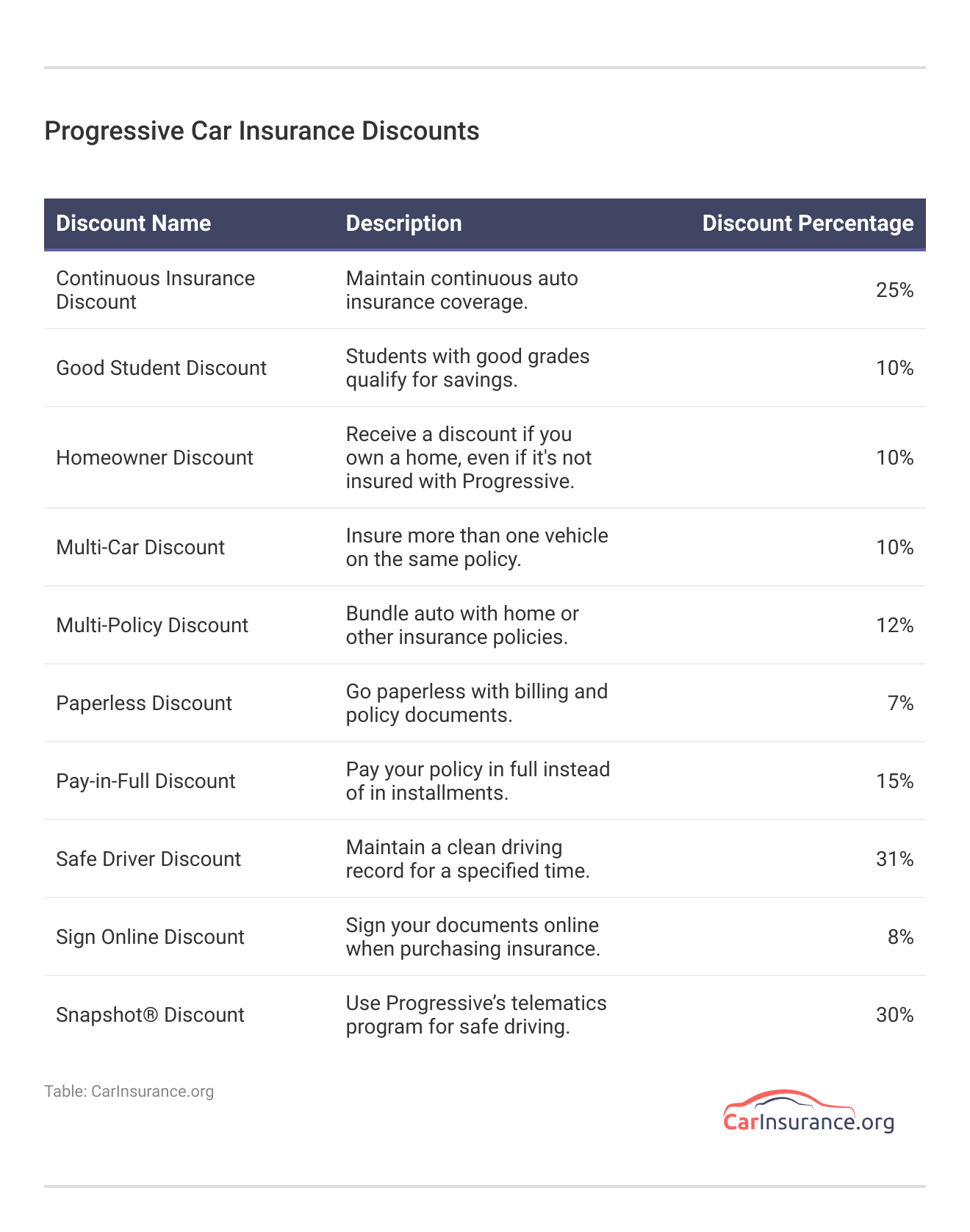
- Premium Schedule: The total price charged for the policy period, broken down by individual coverage components and applied discounts.
2. The Personal Auto Policy Booklet
While the Declarations Page is unique to your vehicle and household, the Policy Booklet contains the standardized terms, legal definitions, and contract clauses used across policies issued by that Progressive underwriting company (such as Progressive Direct Insurance Co. or Progressive Casualty Insurance Co.).
This document defines core legal terminology (such as "you," "your," "we," "us," "occupying," and "covered auto") and outlines the precise rules under which claims are paid or denied.
3. Endorsements and State-Specific Amendments
Endorsements are legal attachments that alter, add to, or restrict the coverage terms found in the base policy booklet. Because insurance is regulated at the state level by insurance commissioners and departments of insurance, your Progressive contract will include state-specific amendments that adapt standard policy language to state statutory requirements. Endorsements are also used to add optional protections, such as rideshare coverage or custom parts coverage.
Key Coverages Defined Within the Contract
A Progressive auto insurance contract is divided into distinct sections, traditionally designated by letters or descriptive headings. Each section establishes an "insuring agreement"—the explicit promise made by Progressive to pay for certain types of financial loss—followed by specific exclusions applicable to that coverage.
Part A: Liability Coverage (Bodily Injury and Property Damage)
Liability coverage is the foundation of mandatory auto insurance in almost every state. Under Part A, Progressive agrees to pay damages for bodily injury or property damage for which an "insured" becomes legally responsible due to an auto accident.
- Bodily Injury (BI) Liability: Covers medical bills, rehabilitation costs, lost wages, and legal defense fees if you injure another driver, passenger, or pedestrian in an accident where you are at fault.
- Property Damage (PD) Liability: Pays to repair or replace property owned by others—such as another vehicle, a guardrail, a telephone pole, or a building—damaged in a crash caused by a covered driver.
Liability coverage includes a duty to defend. If you are sued following a covered auto accident, Progressive provides legal counsel and pays defense costs. These defense costs are typically paid in addition to your liability limits, meaning attorney fees do not reduce the money available to settle the claim.
Part B: Medical Payments (MedPay) or Personal Injury Protection (PIP)
Depending on whether you live in a traditional fault-based state or a no-fault insurance state, your Progressive contract will include either Medical Payments coverage or Personal Injury Protection (PIP):
- Medical Payments (MedPay): Pays for reasonable and necessary medical and funeral expenses for you and passengers in your vehicle, regardless of who caused the accident.
- Personal Injury Protection (PIP): Common in no-fault states, PIP provides broader coverage than MedPay. It pays for medical bills, a portion of lost income, child care expenses, and essential services required due to injuries sustained in a crash, without regard to legal fault.
Part C: Uninsured and Underinsured Motorists Coverage (UM/UIM)
Uninsured Motorist (UM) coverage protects you if you are hit by a driver who carries no auto insurance, or if you are the victim of a hit-and-run driver.
Underinsured Motorist (UIM) coverage steps in when the at-fault driver has auto insurance, but their liability limits are lower than your contractual UIM limits and insufficient to cover the total damages resulting from bodily injuries. In some states, Uninsured Motorist Property Damage (UMPD) is also available to cover physical damage to your vehicle caused by an uninsured driver.
Part D: Coverage for Damage to Your Auto (Physical Damage)
Part D addresses physical damage to your insured vehicle and is generally broken into two primary coverages:
- Collision Coverage: Pays for loss or damage to your covered vehicle resulting from an impact with another vehicle or object (such as a tree, guardrail, or rollover), minus your designated collision deductible.
- Comprehensive Coverage (Other Than Collision): Pays for damage to your vehicle resulting from non-collision events, including theft, vandalism, fire, contact with an animal, falling objects, hail, flood, or glass breakage, minus your comprehensive deductible.
Progressive-Specific Contract Additions and Riders
Progressive contracts often incorporate specific branded features or optional endorsements that modify standard coverage definitions:
- Pet Injury Coverage: Often included automatically when Collision coverage is purchased, this provision pays for veterinary care or final expenses if a domestic pet (dog or cat) inside the vehicle is injured or dies as a result of a covered collision.
- Custom Parts and Equipment (CPE) Coverage: Standard Progressive collision and comprehensive terms typically include a baseline amount of coverage (e.g., $1,000) for aftermarket equipment, custom paint, or enhanced electronics added to the vehicle. Higher limits can be added via endorsement.
- Loan/Lease Payoff (Gap Insurance): An endorsement that pays the difference between the actual cash value (ACV) of a total-loss vehicle and the remaining balance owed on a car loan or lease, up to a specified percentage cap (often 25% of the vehicle's cash value).
- Snapshot® Telematics Rider: Policyholders who enroll in Progressive’s usage-based program execute an endorsement allowing Progressive to collect driving data (speed, braking, time of day, mileage) via a mobile app or OBD-II device to calculate potential premium discounts or adjustments upon policy renewal.
Essential Legal Provisions, Exclusions, and Duties
Insurance contracts are formal legal agreements governed by contract law and state regulatory codes. Understanding the fine print in a Progressive contract requires familiarity with key legal concepts that dictate how coverage applies.
1. Mandatory Policyholder Duties After a Loss
To receive coverage under a Progressive contract, the policyholder must comply with contractually mandated duties following an accident or loss. Failing to fulfill these duties can give the insurer legal grounds to deny a claim. Typical contractual duties include:
- Prompt Notice: Notifying Progressive promptly of how, when, and where the accident or loss occurred.
- Cooperation: Fully cooperating with the claim investigation, including answering questions, providing statements, and forwarding legal notices or summonses immediately.
- Proof of Loss: Submitting sworn statements of loss and allowing Progressive to inspect damaged property before repairs or disposal occur.
- Medical Records and Examinations: Submitting to examinations under oath (EUO) or physical examinations by medical professionals selected by the insurer when claiming PIP or MedPay benefits.
2. Major Exclusions in a Progressive Policy
Exclusions explicitly list scenarios, actions, or property types that the insurance contract does not cover. Common exclusions found in standard Progressive personal auto policies include:
- Commercial Use and Rideshare: Personal auto policies exclude coverage if the vehicle is being used to carry persons or property for compensation. This includes driving for rideshare services (like Uber or Lyft) or delivery apps (like DoorDash or Amazon Flex) unless a specific Rideshare Endorsement has been added to the contract.
- Intentional Acts: Damages or injuries caused intentionally by or at the direction of an insured are excluded from coverage.
- Unlisted/Excluded Drivers: If a specific household member is explicitly named as an Excluded Driver on the policy Declarations Page, no coverage applies when that individual operates the vehicle.
- Racing and Speed Contests: Damage occurring while the vehicle is participating in organized racing, track days, or speed competitions is strictly excluded.
- Wear, Tear, and Mechanical Failure: Damage caused by normal wear and tear, mechanical breakdown, electrical failure, or improper maintenance is not covered under collision or comprehensive terms.
3. Actual Cash Value vs. Replacement Cost
Under Part D (Physical Damage), Progressive contracts pay out based on the vehicle's Actual Cash Value (ACV) at the time of the loss, not the original purchase price or the cost to purchase a brand-new vehicle. ACV is defined as the replacement cost of the vehicle minus depreciation, physical wear, and prior damage.
If repair costs plus salvage value exceed a state-defined percentage threshold of the vehicle's ACV, Progressive will declare the vehicle a constructive total loss and settle the claim for its fair market cash value minus the deductible.
4. Cancellation and Non-Renewal Rules
The contract details how either party may terminate the agreement:
- Cancellation by Policyholder: You may cancel the policy at any time by providing advance notice. Any unearned premium paid in advance will be refunded on a pro-rata or short-rate basis, depending on state law and contract terms.
- Cancellation by Insurer: During the initial underwriting period (typically the first 60 days), Progressive can cancel the policy for statutory reasons defined by state law. After 60 days, Progressive can generally only cancel for non-payment of premium, material misrepresentation, or driver's license suspension/revocation.
- Non-Renewal: Progressive can elect not to renew the policy at the end of a six-month or twelve-month term by delivering formal written notice within the state-mandated timeframe (often 30 to 45 days prior to expiration).
Progressive Auto Insurance Contract Terms: Quick Reference
The following table summarizes how the primary sections of a standard Progressive auto insurance contract operate, what financial protections they offer, and key contractual limits to watch for:
| Contract Component | Primary Function | Standard Coverage Scope | Common Exclusions & Limitations |
|---|---|---|---|
| Declarations Page | Policy Summary | Specifies limits, deductibles, insureds, VINs, and premiums. | Controls policy scope; items not listed are not covered under the contract. |
| Liability (Part A) | Third-Party Protection | Pays for bodily injury and property damage caused to others. | Excludes intentional acts, commercial hauling, and damage to your own property. |
| MedPay / PIP (Part B) | First-Party Medical Costs | Covers immediate medical treatment for insureds and passengers. | Subject to policy limits; excludes injuries sustained while using unlisted motor vehicles. |
| UM / UIM (Part C) | Uninsured Protection | Covers injuries/damage caused by hit-and-runs or underinsured drivers. | Applies only up to elected UIM contract limits; state rules determine stacking eligibility. |
| Collision (Part D) | Vehicle Impact Protection | Covers repair costs for damage to your car from an impact or crash. | Requires payment of deductible; pays Actual Cash Value (ACV) in total loss events. |
| Comprehensive (Part D) | Non-Collision Protection | Covers theft, vandalism, weather damage, fire, and animal strikes. | Excludes routine mechanical failure, normal wear and tear, and racing damage. |
| Rideshare Endorsement | Commercial Gap Coverage | Extends personal policy protection during app-on/waiting-for-match periods. | Does not replace full commercial coverage during active passenger transport (Period 2/3). |
| Loan/Lease Payoff | Total Loss Gap Protection | Pays up to 25% above ACV to clear unpaid auto loan/lease balances. | Does not pay for carry-over balances from previous vehicle loans, late fees, or warranties. |
Managing, Modifying, and Terminating Your Contract
Because an auto insurance policy is an ongoing, binding legal agreement, changes to your household, vehicle status, or driving habits require contract adjustments to ensure full legal protection.
- Annual Audit: Review Dec Page, limits, deductibles, and state mandates.
- Update Changes: Report new drivers, address changes, and vehicle modifications.
- Manage Renewals: Pay premiums, evaluate Snapshot® score, and adjust optional riders.
1. How to Conduct a Policy Audit
Policyholders should review their Declarations Page at least once a year or prior to every six-month renewal. Key verification steps include:
- Confirm All Household Drivers Are Listed: State insurance rules require listing all resident relatives of driving age unless specifically excluded. Unlisted drivers who regularly operate the vehicle can cause claim denials due to material misrepresentation.
- Verify Vehicle Usage and Mileage: Ensure your vehicle is categorized accurately (e.g., personal commute vs. pleasure vs. business use). Incorrectly listing a business vehicle as pleasure-use can jeopardize coverage.
- Review Limits Against Personal Net Worth: Ensure liability limits (e.g., $100,000/$300,000/$100,000 or higher) adequately protect your personal assets, bank accounts, and future wages from wage garnishment in a severe lawsuit.
2. Modifying Coverage via Policy Change Endorsements
When you purchase a new car, move to a new address, or add a teenage driver, your contract must be updated. Contact Progressive or adjust your policy online to generate an Endorsement / Policy Change Confirmation. This document officially updates your contract parameters, recalibrates your premium, and updates your Declarations Page.
3. Grace Periods and Premium Non-Payment
Auto insurance contracts rely on timely premium payments as valid legal consideration. If a premium payment is missed:
- Progressive will issue a formal Notice of Cancellation for Non-Payment.
- State laws mandate a minimum notice period (typically 10 to 15 days) before coverage can be officially terminated.
- If payment is made within the designated cure period, the contract remains in force. If the period expires without payment, the contract lapses, leaving you without legal coverage and exposing you to state penalties for driving uninsured.
Frequently Asked Questions
What is the difference between a Progressive contract's policy booklet and its Declarations Page?
The Declarations Page is a personalized document detailing your specific covered vehicles, policy limits, deductibles, drivers, and total premium. The policy booklet is the legal agreement containing standard definitions, general provisions, detailed coverage rules, and exclusions that apply to all policyholders using that specific policy form.
Does a Progressive personal auto contract cover business or delivery driving?
Standard Progressive personal auto contracts explicitly exclude losses that occur while using a vehicle to carry persons or property for compensation. If you use your car for rideshare apps, food delivery, or commercial business tasks, you must add a commercial use rider or rideshare endorsement to prevent claim denials.
How does Progressive calculate the payout for a totaled car under the policy contract?
Under Part D (Physical Damage) of the contract, total loss payouts are calculated using the vehicle's Actual Cash Value (ACV) immediately before the collision occurred. Progressive determines ACV based on the vehicle's year, make, model, mileage, options, and localized market value, minus your chosen comprehensive or collision deductible.
What happens if an unlisted driver causes an accident while driving my vehicle?
If an unlisted driver uses your car with your express permission ("permissive use"), your Progressive liability and physical damage coverage usually extends to cover the accident, subject to your policy terms. However, if the unlisted driver is a regular household resident, or if they are explicitly named on your policy as an Excluded Driver, coverage will be denied.
How do I legally cancel my Progressive auto insurance contract?
You can cancel your Progressive policy at any time by contacting Progressive directly online, by phone, or by submitting a signed written request detailing your requested cancellation date. To avoid a lapse in coverage penalties from your state DMV, ensure your new insurance contract is active before your Progressive termination date takes effect.
Next Steps for Policyholders
To ensure your Progressive auto insurance contract provides proper financial protection and complies with state laws, consider taking the following actions:
- Download Your Current Dec Page: Log into your online Progressive account or mobile application to review your most recent Declarations Page and policy booklet.
- Verify Resident Drivers: Ensure every licensed family member or resident living in your household is correctly listed on the policy to prevent legal misrepresentation claims.
- Evaluate Physical Damage Deductibles: Compare your current collision and comprehensive deductibles (e.g., $500 vs. $1,000) against your liquid emergency savings to verify you can afford out-of-pocket costs if a loss occurs.
- Confirm Business and Commute Use: If you recently started working from home, changed job locations, or signed up for a delivery app, update your vehicle's usage status with Progressive immediately to maintain valid contract coverage.
Image Gallery