Comprehensive Guide to Low-Income Apartments in Arlington, VA: 2026 Availability and Requirements
Arlington, Virginia, provides a robust inventory of low-income housing through its Committed Affordable Units (CAFs) program, federal subsidies, and non-profit partnerships. As of 2026, eligibility is primarily determined by household...
Arlington, Virginia, provides a robust inventory of low-income housing through its Committed Affordable Units (CAFs) program, federal subsidies, and non-profit partnerships. As of 2026, eligibility is primarily determined by household size and the Area Median Income (AMI), with most units reserved for those earning between 30% and 60% of the regional median.
Contents
The Landscape of Affordable Housing in Arlington for 2026
Arlington County has long been one of the most expensive jurisdictions in the United States, which has necessitated an aggressive approach to preserving and creating "Committed Affordable Units" (CAFs). Unlike "market-rate affordable" units, which are simply older apartments with lower rents, CAFs are legally bound by long-term agreements with the county to remain affordable to low- and moderate-income households.
In 2026, the inventory of these units is concentrated in several key transit corridors. The county’s strategy focuses on integrating low-income housing into high-growth areas like the Rosslyn-Ballston corridor, Columbia Pike, and National Landing (near Amazon’s HQ2). This ensures that lower-income residents have direct access to the Washington Metro, regional bus networks, and high-density employment centers.
The "offer" today is more than just a roof; it is a commitment to "Transit-Oriented Development." This means that most low-income complexes built or renovated in the last decade feature amenities comparable to market-rate buildings, including energy-efficient appliances, community rooms, and proximity to grocery stores and healthcare services.
Understanding Eligibility: The Role of Area Median Income (AMI)
In Arlington, "low income" is a relative term defined by the U.S. Department of Housing and Urban Development (HUD) and adjusted annually. The baseline is the Area Median Income (AMI) for the Washington-Arlington-Alexandria Metropolitan Area. Because the regional median income is exceptionally high, a household earning what might be considered a middle-class salary elsewhere may still qualify for housing assistance here.
2026 Income Limit Estimates
To qualify for most low-income apartments, your total household income must fall below a specific percentage of the AMI—usually 30%, 50%, 60%, or 80%. The following table provides an estimate of the maximum annual income allowed for different household sizes in 2026, based on current inflationary trends and regional growth.
| Household Size | 30% AMI (Extremely Low) | 50% AMI (Very Low) | 60% AMI (Low Income) | 80% AMI (Moderate) |
|---|---|---|---|---|
| 1 Person | $33,450 | $55,750 | $66,900 | $89,200 |
| 2 Persons | $38,200 | $63,700 | $76,440 | $101,920 |
| 3 Persons | $43,000 | $71,650 | $85,980 | $114,640 |
| 4 Persons | $47,750 | $79,600 | $95,520 | $127,360 |
| 5 Persons | $51,600 | $86,000 | $103,200 | $137,550 |
Note: These figures are estimates for the 2026 calendar year and are subject to official HUD releases. Rents are typically capped at 30% of the specific AMI tier assigned to the unit.
Primary Housing Programs and How They Work
Prospective renters in Arlington usually interact with one of three primary mechanisms: the Housing Choice Voucher Program (Section 8), the Affordable Dwelling Unit (ADU) program, or non-profit managed Committed Affordable Units.
The Housing Choice Voucher Program (Section 8)
Managed by the Arlington County Housing Authority, this program provides portable subsidies. Unlike site-specific low-income apartments, a voucher allows a tenant to find their own housing in the private market, provided the landlord accepts the voucher and the rent meets HUD’s "Fair Market Rent" standards. In 2026, the demand for these vouchers remains extremely high, and the waiting list often opens only for brief periods.
Committed Affordable Units (CAFs) and LIHTC
The Low-Income Housing Tax Credit (LIHTC) is the primary tool for funding affordable housing in Arlington. Developers receive tax credits in exchange for reserving a portion of their units for low-income tenants for at least 30 to 60 years. These units are managed by professional property management firms or non-profits like the Arlington Partnership for Affordable Housing (APAH) and AHC Inc.
The Affordable Dwelling Unit (ADU) Program
The ADU program typically targets those at the higher end of the low-income spectrum (60% to 80% AMI). These units are often located within new, luxury high-rise buildings. Under county ordinances, developers of new residential projects must either contribute to the Affordable Housing Investment Fund or include a specific number of affordable units within the building. This results in "mixed-income" housing where low-income residents share the same hallways and amenities as those paying market-rate rents.
Key Neighborhoods and Property Features
When searching for low-income apartments in Arlington today, the experience varies significantly by neighborhood.
Columbia Pike Corridor
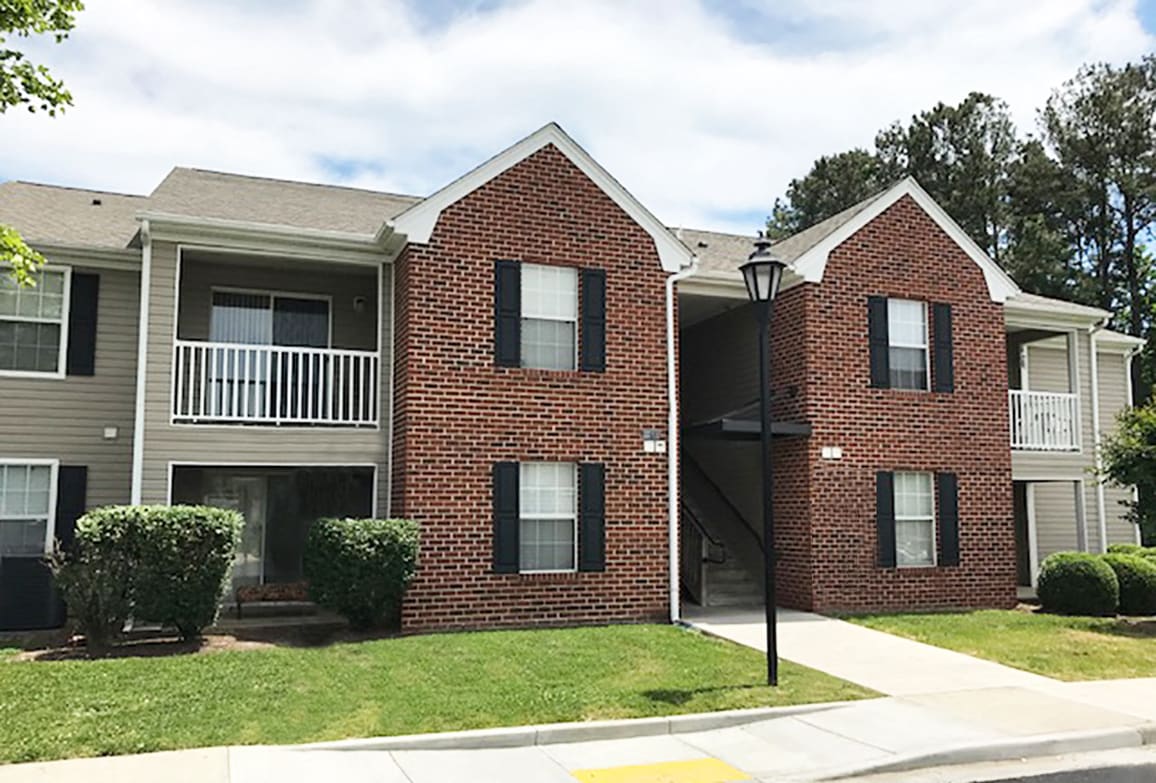
Columbia Pike is home to a high concentration of garden-style and mid-rise affordable housing. Organizations like APAH have recently completed several "net-zero" or highly sustainable buildings here. These properties often offer multi-bedroom units suitable for families, with on-site supportive services such as after-school programs and financial literacy workshops.
National Landing and Crystal City
With the expansion of the tech sector in National Landing, the county has prioritized the preservation of affordable units in this area to prevent displacement. Low-income apartments here offer unparalleled access to the Yellow and Blue Metro lines and the VRE. Many of these units are high-rises with controlled access, modern fitness centers, and rooftop terraces.
The Rosslyn-Ballston Corridor
This area features the most "integrated" affordable housing. Because land is scarce, the county often negotiates for affordable units within massive mixed-use developments. If you secure a unit here, you are often within walking distance of major employers, urban parks, and high-end retail, effectively bridging the gap between income levels through geographic proximity.
The Application Process: Steps to Secure a Unit
Securing a low-income apartment in Arlington requires persistence and meticulous documentation. Because the demand far exceeds the supply, you cannot simply walk into a leasing office and sign a lease on the same day.
- Centralized Research: Start with the Arlington County Housing Division’s search tool. This database lists all CAFs and ADUs currently in the county’s inventory.
- Contact Individual Properties: Unlike public housing in some cities, Arlington’s affordable units are mostly privately managed. You must contact each apartment complex directly to inquire about their specific waiting list status.
- The Income Certification Interview: Once a unit becomes available, you will undergo a rigorous income verification process. You must provide tax returns, pay stubs, bank statements, and documentation of any assets. The property manager must prove to the state and county that you do not exceed the AMI limits.
- Background and Credit Checks: While low-income housing is designed to be accessible, most management companies still perform standard background and credit checks. However, many non-profit landlords in Arlington use "inclusive screening" criteria that may be more lenient regarding credit scores than traditional market-rate landlords.
Challenges and Considerations
While Arlington offers high-quality low-income housing, there are significant hurdles. The "Cliff Effect" is a primary concern in 2026; this occurs when a small increase in a resident's hourly wage pushes their household income just above the 60% or 80% AMI threshold, potentially making them ineligible for their subsidized rent during their next annual recertification.
Furthermore, the waiting lists for the most desirable properties in the Ballston or Clarendon areas can stretch from two to five years. Prospective renters are encouraged to apply to multiple properties simultaneously and to update their contact information with management offices regularly.
Frequently Asked Questions
Do I have to be an Arlington resident to apply?
No, you do not have to be a current resident to apply for most low-income apartments in Arlington. However, certain local preference points may be applied to the Housing Choice Voucher (Section 8) waiting list for those who live or work within the county. For privately managed CAFs, residency is generally not a prerequisite for getting on a waiting list.
Are utilities included in the rent for low-income apartments?
This depends on the specific property. In many older garden-style apartments, water and trash may be included, while the tenant pays for electricity and gas. In newer, high-rise ADUs, tenants are typically responsible for all utilities. However, when calculating "affordable rent," the county factor in a "utility allowance," which slightly lowers the base rent to account for the tenant's expected utility costs.
Can I have a pet in an affordable housing unit?
Most affordable housing developments in Arlington follow standard pet policies similar to market-rate apartments. This usually involves a pet deposit and a monthly pet fee. Service animals and emotional support animals (ESAs) are exempt from these fees under the Fair Housing Act, provided the tenant has the proper medical documentation.
What happens if my income increases after I move in?
Most low-income housing programs in Arlington require an annual income recertification. If your income increases but remains below the maximum threshold for your unit type (e.g., still below 60% AMI), your rent will remain stable. If your income exceeds the limit significantly, you may no longer qualify for the subsidy. In some LIHTC properties, you may be allowed to stay, but your rent may gradually increase to a "market-rate" level.
Is there a difference between "Low Income" and "Public Housing"?
Yes. Arlington County does not operate traditional "public housing" projects owned by the government. Instead, it uses a public-private partnership model. The apartments are owned by non-profits or private developers but are regulated by the county. This model generally results in better-maintained properties and higher-quality amenities than the traditional public housing found in other major cities.
Final Recommendation for 2026 Seekers
If you are seeking a low-income apartment in Arlington today, your first action should be to visit the Arlington County Housing Division website to download the most recent "Affordable Housing List." Focus your search on the Columbia Pike area for faster availability, or the Rosslyn-Ballston corridor if you require proximity to the Metro. Always ask property managers about "Common Intake Forms" that might allow you to apply for multiple properties within the same management portfolio simultaneously.
Image Gallery