Comprehensive Guide to Using a Birth Certificate for Form I-9 Verification
An official U.S. birth certificate is an acceptable List C document for Form I-9 employment eligibility verification, proving an employee’s legal authorization to work in the United States. However, because a birth certificate establis...
An official U.S. birth certificate is an acceptable List C document for Form I-9 employment eligibility verification, proving an employee’s legal authorization to work in the United States. However, because a birth certificate establishes employment eligibility but does not establish identity, it must always be paired with an acceptable List B identity document, such as a state-issued driver's license or ID card.
Contents
How Form I-9 Categorizes Birth Certificates
The United States Citizenship and Immigration Services (USCIS) requires all U.S. employers to complete Form I-9 (Employment Eligibility Verification) for every hired employee. The document verification process relies on three distinct lists:
- List A: Documents that establish both identity and employment authorization (e.g., a U.S. Passport or Permanent Resident Card).
- List B: Documents that establish identity only (e.g., a state-issued driver's license or state ID card).
- List C: Documents that establish employment authorization only (e.g., a Social Security card or an official birth certificate).
When employees choose not to present a List A document, they must present one document from List B and one document from List C.
Within List C, USCIS specifically identifies government-issued birth certificates under item #4 as valid proof of work authorization. However, strict legal standards dictate which types of birth records qualify. Accepting an invalid birth record during the Form I-9 process can trigger compliance violations, audit penalties, and legal liability under federal immigration law.
Form I-9 Document Combination Pathways:
- Pathway 1: List A Document (Proves Identity + Authorization)
- Pathway 2: List B Document (Proves Identity Only, e.g., Driver's License) + List C Document (Proves Authorization Only, e.g., Official U.S. Birth Cert)
Acceptable vs. Unacceptable Birth Certificates
Not every document titled "Birth Certificate" satisfies federal employment verification standards. Employers and HR personnel must evaluate birth certificates carefully during physical or approved remote document examination.
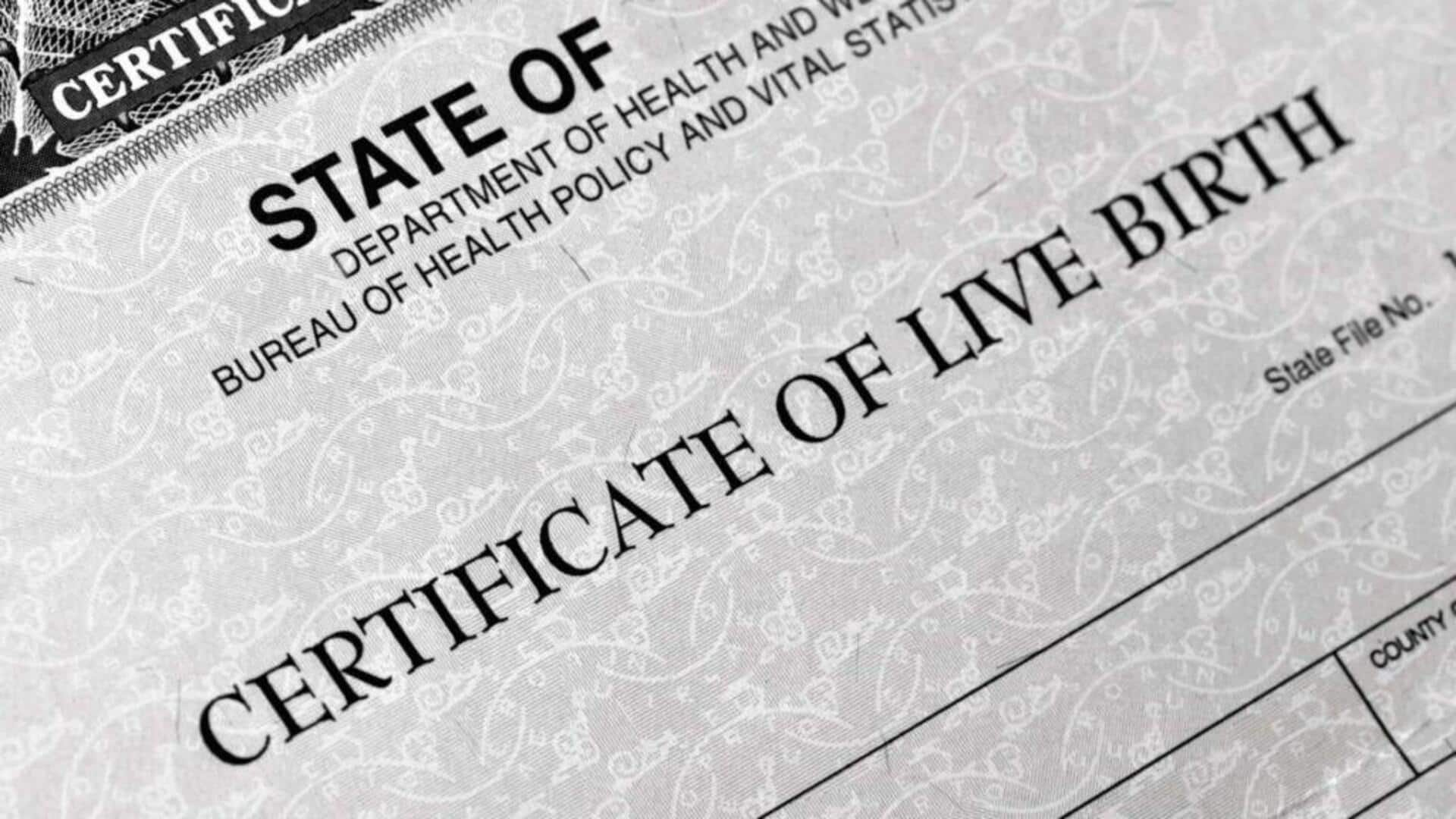
Acceptable U.S. Birth Certificates (List C, Item 4)
To qualify as an acceptable List C document, a birth certificate must meet specific statutory criteria set by USCIS:
- Issuing Authority: It must be issued by a state, county, municipal authority, or outlying possession of the United States (such as Puerto Rico, Guam, the U.S. Virgin Islands, American Samoa, or the Commonwealth of the Northern Mariana Islands).
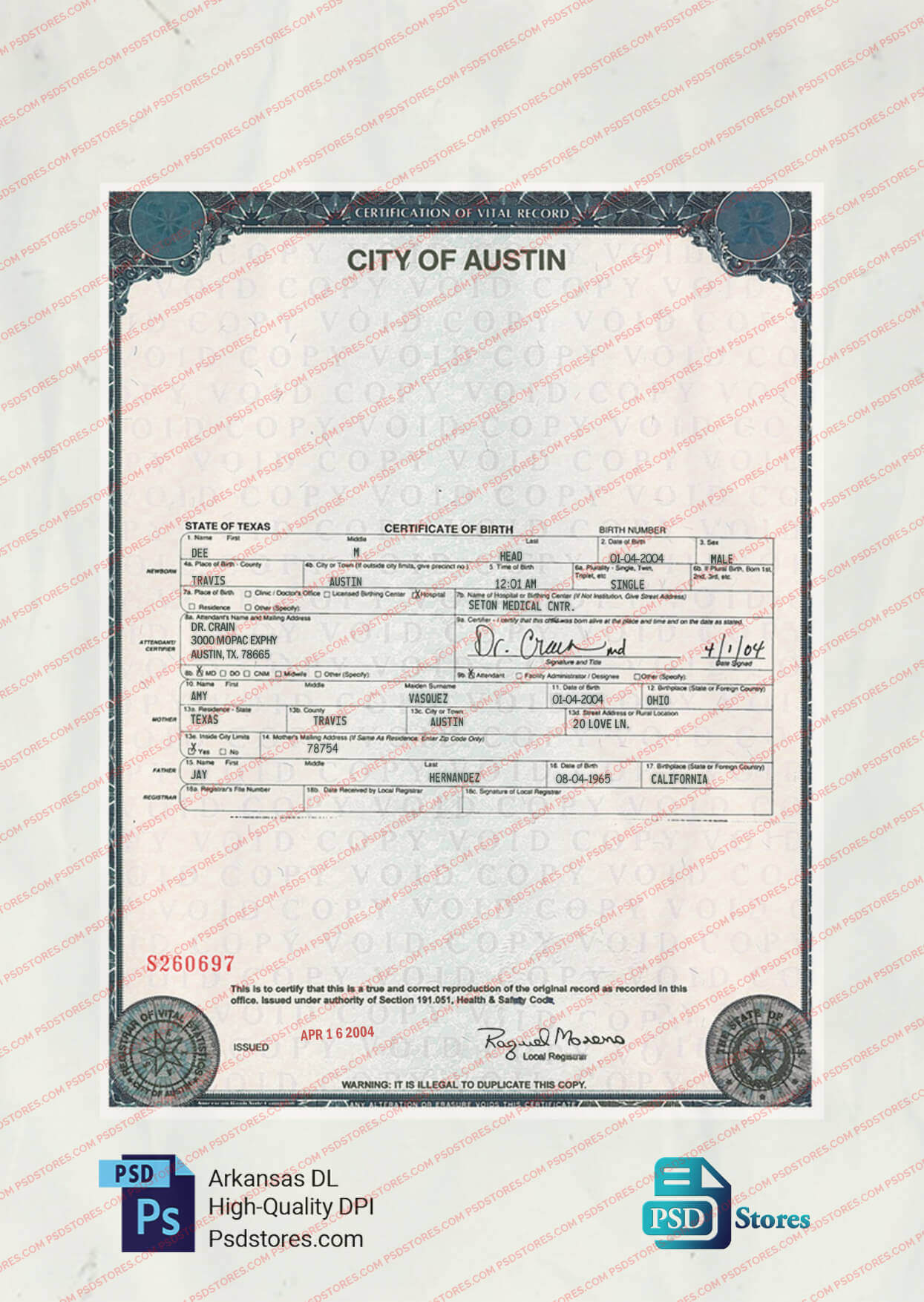
- Official Seal: It must feature an official raised, embossed, impressed, or printed seal from the issuing vital statistics office or registrar.
- Certification: It must be an original document or a certified copy issued by the proper government entity.
Note regarding Puerto Rican birth certificates: Under federal law enacted in 2010, Puerto Rican birth certificates issued prior to July 1, 2010, are invalid for Form I-9 verification. Employers may only accept certified Puerto Rican birth certificates issued on or after July 1, 2010.
Unacceptable Birth Records
The following items cannot be accepted as List C birth certificates:
- Hospital Birth Certificates: Commemorative or souvenir certificates issued by hospitals—often featuring footprints or decorative boarders—are non-official documents created for personal recordkeeping. They lack official municipal or state government certification.
- Uncertified Photocopies: Plain photocopies, digital scans, or mobile photos presented by the employee (unless verified through authorized remote examination workflows that require subsequent original inspection or approved alternative procedures) are unacceptable.
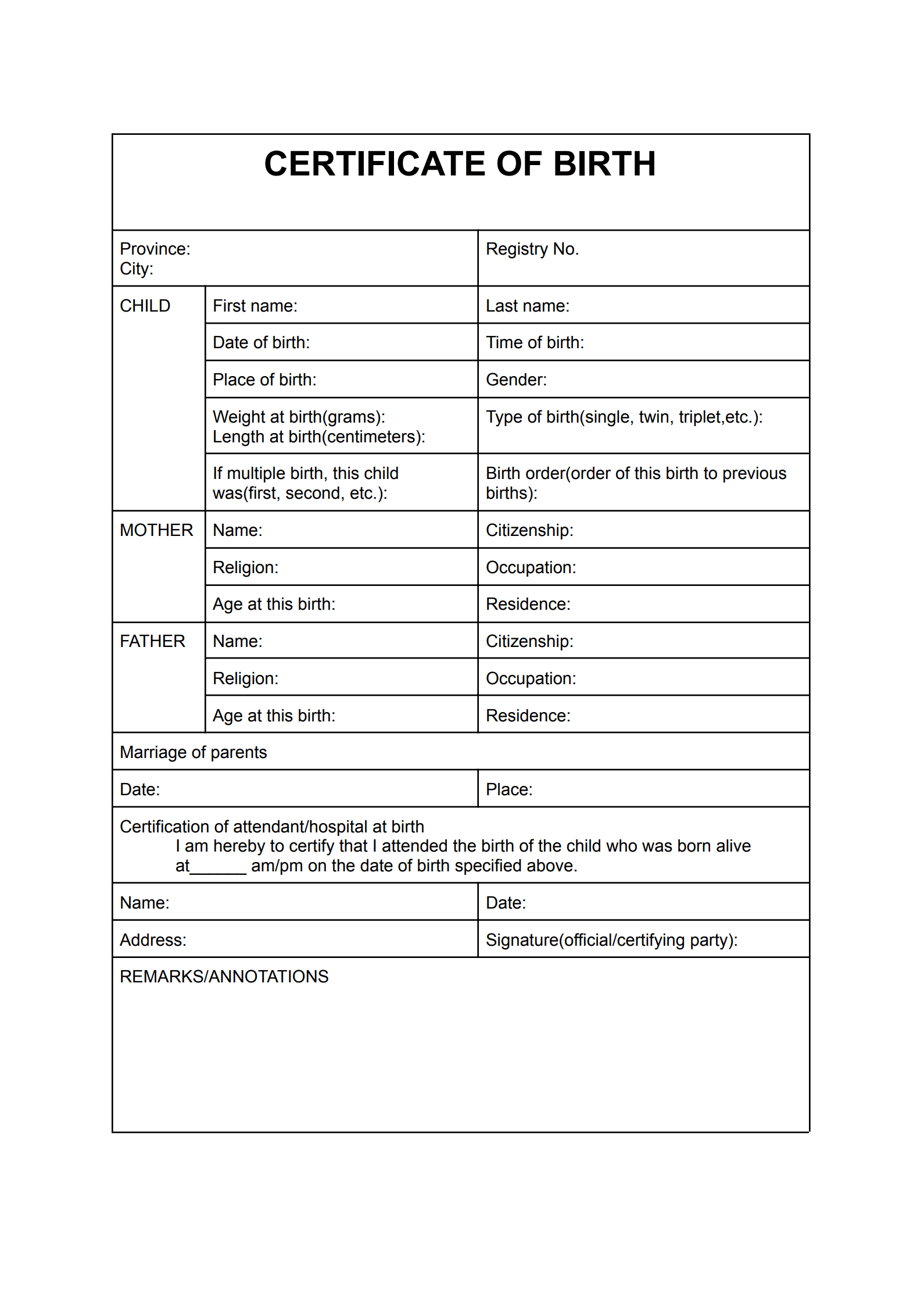
- Abstracts of Birth Without Official Seals: Short-form vital statistic cards or abstracts that lack an official raised or colored seal do not fulfill List C requirements.
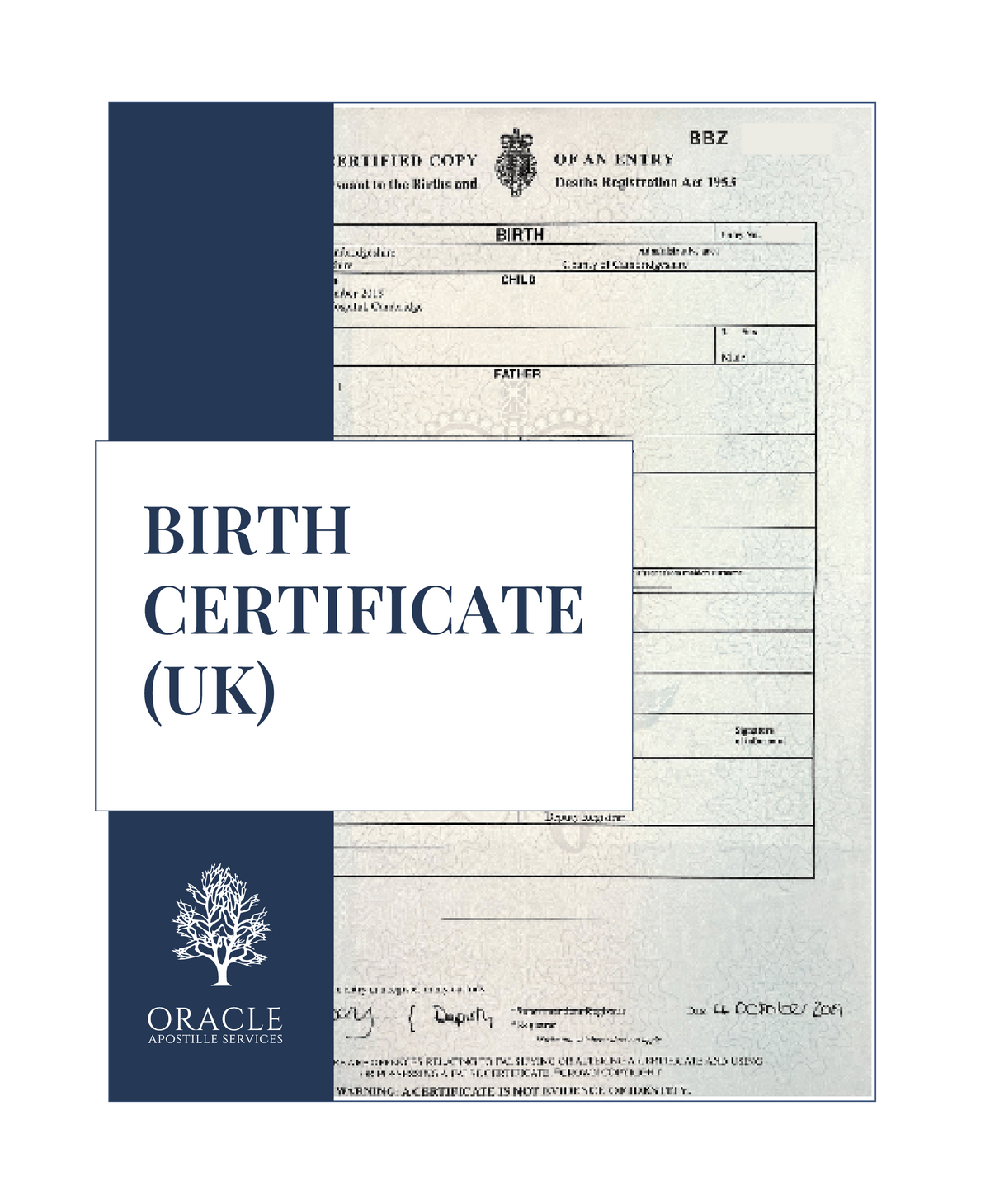
- Foreign Birth Certificates: A birth certificate issued by a foreign government (e.g., Canada, Mexico, or the UK) does not establish U.S. work authorization and cannot be accepted under List C item #4.
Special Birth Documentation Scenarios
Certain employees born abroad to U.S. citizens or born under specialized international jurisdiction present unique birth documentation. USCIS categorizes these under specific List C sub-categories.
Consular Reports of Birth Abroad (List C, Items 2 & 3)
U.S. citizens born outside the United States to U.S. citizen parents often possess documentation issued by the U.S. Department of State. These documents are valid List C items:
- Form FS-240 (Consular Report of Birth Abroad): Listed as List C #2, this document is issued by U.S. embassies and consulates overseas to confirm U.S. citizenship at birth.
- Form DS-1350 or Form FS-545 (Certification of Report of Birth): Listed as List C #3, these are official state department certifications of earlier birth records.
Foreign Birth Certificates for Foreign Nationals
A foreign birth certificate never serves as standalone proof of U.S. work authorization. However, in limited statutory instances—such as refugee or asylee processing or specific visa applications—a foreign birth certificate may accompany primary immigration documentation. For standard Form I-9 completion, a foreign national must present authorized employment documents, such as an Employment Authorization Document (Form I-766) under List A or an unrestricted Social Security card under List C.
Document Comparison Table: List C Birth Documentation
The following matrix provides a clear legal comparison of birth-related documents presented by employees for Form I-9 compliance:
| Document Type | Form I-9 Category | Acceptable? | Required Features & Verification Criteria |
|---|---|---|---|
| State/County Official Birth Certificate | List C (#4) | Yes | Must be issued by a U.S. state, county, or municipal authority and bear an official seal (raised, embossed, or printed). |
| Consular Report of Birth Abroad (Form FS-240) | List C (#2) | Yes | Issued by the U.S. Department of State for U.S. citizens born abroad. |
| Certification of Report of Birth (DS-1350 / FS-545) | List C (#3) | Yes | Official State Department certification of birth abroad. |
| Puerto Rican Birth Certificate (Post-July 1, 2010) | List C (#4) | Yes | Certified copy issued by the Vital Statistics Record Office of Puerto Rico on or after July 1, 2010. |
| Hospital Souvenir Birth Certificate | None | No | Issued by medical facilities; lacks state/municipal authority and official government seals. |
| Puerto Rican Birth Certificate (Pre-July 1, 2010) | None | No | Invalidated by U.S. federal legislation; legally unacceptable for I-9 purposes. |
| Foreign Birth Certificate | None | No | Does not establish U.S. work authorization; must be replaced by valid U.S. employment authorization documents. |
| Uncertified Birth Certificate Photocopy | None | No | Uncertified copies are ineligible; employees must present an original certified government copy. |
Step-by-Step Guide to Processing a Birth Certificate on Form I-9
When an employee chooses to present a birth certificate alongside a List B identity document, employers must follow a precise inspection and recordkeeping sequence.
Step-by-Step Inspection Process:
- Step 1: Examine Physical Validity
- Verify issuing jurisdiction (U.S. state/county/territory)
- Confirm presence of an official government seal
- Step 2: Cross-Reference Employee Information
- Match legal name (account for legal name changes with documentation)
- Confirm identity against accompanying List B document
- Step 3: Complete Form I-9 Section 2
- Document Title: Birth Certificate (or Form FS-240)
- Issuing Authority: State/County Vital Statistics Office
- Document Number / Expiration Date: Record number (enter N/A for expiration)
- Step 4: Storage & E-Verify Compliance
- Retain copies if required by company policy or E-Verify rules
- Store securely in confidential I-9 files (separate from HR personnel files)
Step 1: Examine Physical Document Validity
Inspect the physical birth certificate to ensure it appears genuine and relates to the individual presenting it. Check for:
- Official issuing authority (state, county, or municipal vital statistics office).
- Presence of an official seal (raised, embossed, colored, or printed).
- Absence of obvious alterations, erasures, or white-out.
Step 2: Cross-Reference Legal Names
Compare the name on the birth certificate with the name entered in Section 1 of Form I-9 and the accompanying List B identity document.
If names differ (e.g., due to marriage or legal name change): The employer is not required to mandate legal proof (such as a marriage certificate) unless there is a clear inconsistency that creates doubt regarding identity. However, noting the legal name change in the employee file or inspecting supportive documents (like a marriage license) is standard HR practice to ensure record integrity.
Step 3: Complete Section 2 of Form I-9
In Section 2, under the List C column, record the specific details of the birth certificate:
- Document Title: Enter "Birth Certificate" (or "Form FS-240" / "Form DS-1350" if applicable).
- Issuing Authority: Record the issuing government body (e.g., "State of Ohio Department of Health" or "Cook County, IL Registrar").
- Document Number: Enter the certificate number listed on the document (often located in the top right or bottom corner). If no document number is present, write "N/A."
- Expiration Date: Write "N/A," as U.S. birth certificates do not expire.
Step 4: Storage and Retention
Under federal rules established by USCIS and the U.S. Department of Homeland Security (DHS), employers must retain completed Form I-9 records for either three years after the date of hire or one year after the date employment ends, whichever is later.
If the employer opts (or is required by E-Verify) to make copies of presented documents, copies of both the List B identity document and the List C birth certificate must be kept together with the Form I-9 in a secure, confidential file separate from standard employee personnel files.
E-Verify Integration and List B/C Combinations
When an employer participates in E-Verify, specific rules apply to List B and List C document combinations:
- List B Photo Requirement: E-Verify mandates that any List B document presented by the employee must contain a photograph. While standard Form I-9 rules allow certain non-photo List B documents (such as voter registration cards in limited cases), E-Verify rules override this restriction.
- Document Matching: The birth certificate details are entered into the E-Verify portal alongside List B details. E-Verify automatically checks the employee's Social Security number (entered in Section 1) and cross-references data against Social Security Administration (SSA) and DHS databases.
- Social Security Number Requirement: Although providing a Social Security Number (SSN) in Section 1 of Form I-9 is technically optional under standard regulations, it is mandatory if the employer uses E-Verify. Presenting a birth certificate as a List C document does not waive the requirement to provide an SSN in Section 1 for E-Verify queries.
Common Employer Compliance Pitfalls
Employers frequently commit document verification errors when handling birth certificates. Avoiding these standard pitfalls helps protect organizations from costly administrative fines during Department of Labor (DOL) or Immigration and Customs Enforcement (ICE) audits.
1. Document Over-Verification (Rejection of Valid Documents)
Under the anti-discrimination provisions enforced by the Civil Rights Division of the U.S. Department of Justice, employers cannot demand specific documents. If an employee chooses to present a List B driver's license and a List C certified birth certificate, the employer cannot demand a Social Security card instead. Refusing an acceptable, genuine List C birth certificate constitutes unlawful document abuse.
2. Accepting Hospital Commemorative Certificates
Accepting a non-official hospital souvenir certificate is one of the most common Form I-9 mistakes. Auditing agencies consider this equivalent to accepting no document at all, resulting in incomplete verification penalties ranging from hundreds to thousands of dollars per violation.
3. Re-Verification Errors
Employers must never reverify a U.S. birth certificate or Consular Report of Birth Abroad. U.S. citizens and permanent work-authorized individuals who present valid List C birth certificates do not require reverification in Section 3 of Form I-9. Attempting to reverify non-expiring work authorization documents violates federal I-9 compliance guidelines.
Frequently Asked Questions
Can an employee present a birth certificate as a List A document?
No. A birth certificate only establishes employment eligibility; it does not contain a photograph or establish personal identity. Therefore, it is strictly a List C document and must always be accompanied by a List B identity document (e.g., a state driver's license).
What if the name on the birth certificate does not match the driver's license due to marriage?
If the name difference is reasonable (e.g., maiden name vs. married name), the employer may accept the documents if they reasonably appear to belong to the same person. The employer should note the explanation in the employee's record or examine supporting documentation, such as a legal marriage license.
Is an abstract of a birth certificate acceptable for List C?
An abstract (short-form) birth certificate is acceptable only if it was issued by an official state, county, or municipal vital statistics office and contains an official seal. Unofficial summaries or cards issued by third parties without official seals are not acceptable.
Can an employer accept a digital copy or photo of a birth certificate from a smartphone?
No. Under standard physical examination rules, employees must present original physical documents or official government-certified copies. Employers enrolled in authorized remote inspection protocols (such as DHS-approved alternative procedures for E-Verify employers) must follow strict digital capture standards, but employees must still possess legal certified copies.
How do I know if a birth certificate seal is official?
An official seal may be a raised/embossed physical impression on the paper, an inked stamp from a registrar, or a multicolored security seal integrated into official vital statistics banknote paper. If the document is issued by a state or county vital statistics division, it typically includes standard security features confirming legal certification.
Recommended Next Steps for Employers and HR Professionals
To maintain strict compliance when processing birth certificates for Form I-9 verification, HR departments should implement the following steps:
- Update Document Review Training: Ensure hiring managers and HR personnel can distinguish between official state-issued birth certificates and non-acceptable hospital commemorative records.
- Audit Existing I-9 Files: Conduct periodic internal audits of Form I-9 records to verify that List C entries for birth certificates include correct issuing authorities and document numbers, and that no improper reverifications were performed.
- Standardize List B & C Workflows: Establish clear, non-discriminatory intake processes that allow employees to select their preferred documents from Lists A, B, and C without employer dictation.
- Maintain Secure Copy Storage: If your business retains document photocopies, ensure that copies of birth certificates and List B identity cards are securely archived alongside the corresponding Form I-9 in accordance with federal retention periods.
Disclaimer: Form I-9 compliance rules and federal immigration guidelines are maintained by the U.S. Department of Homeland Security and USCIS. Legal and administrative rules may vary based on specific corporate structures or statutory updates. Consult qualified legal counsel for specific employment law advice.
Image Gallery