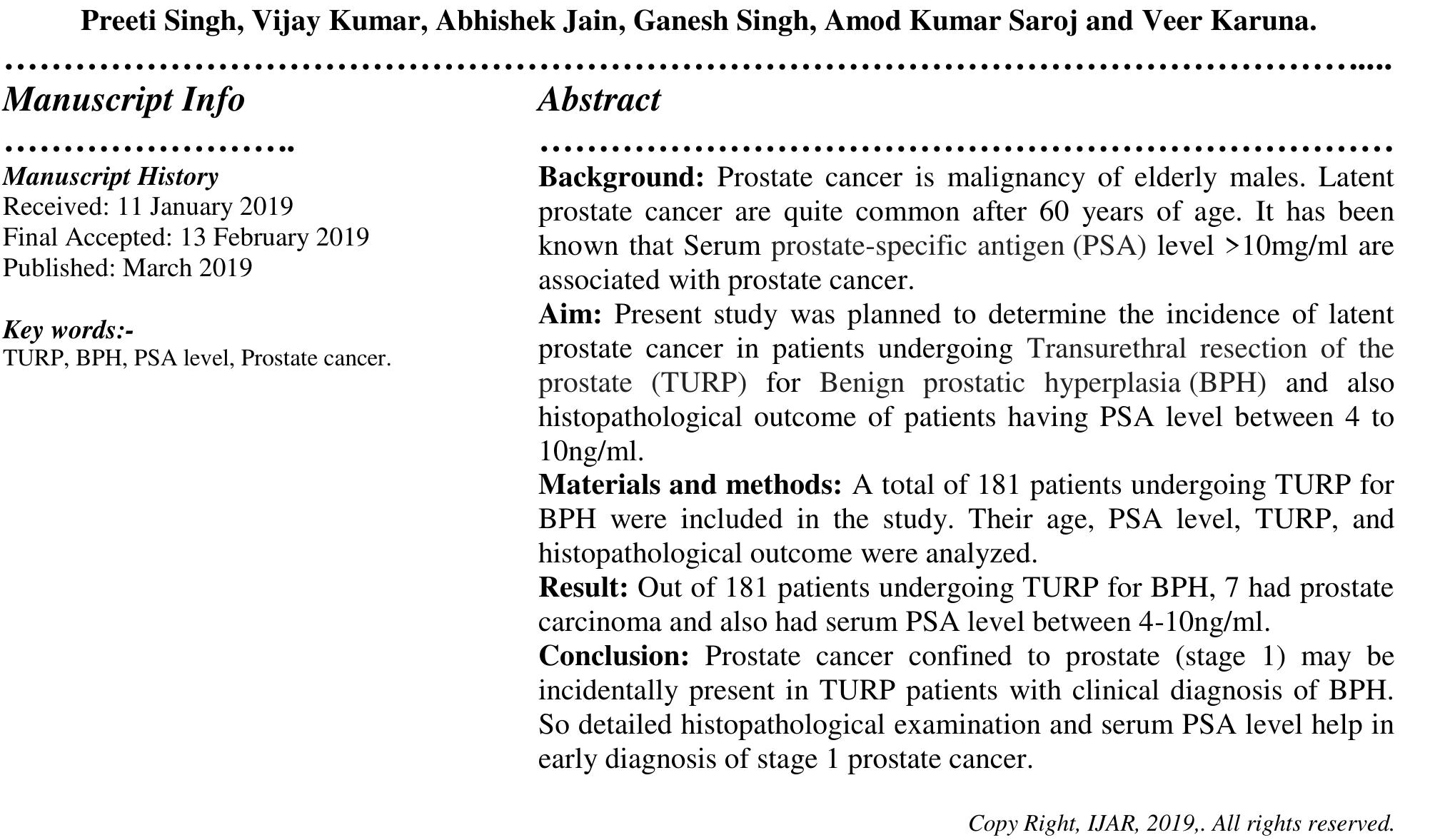
Transurethral Resection of the Prostate for Prostate Cancer: Clinical Role, Procedure, and Outcomes
Transurethral resection of the prostate (TURP) for prostate cancer is a minimally invasive surgical procedure primarily utilized to relieve severe urinary obstruction caused by a tumor pressing against the urethra. While TURP is not a...
Transurethral resection of the prostate (TURP) for prostate cancer is a minimally invasive surgical procedure primarily utilized to relieve severe urinary obstruction caused by a tumor pressing against the urethra. While TURP is not a curative treatment for prostate cancer itself, it plays a vital role in palliative care and symptom management for patients experiencing acute urinary retention or progressive lower urinary tract symptoms.
Contents
Understanding the Clinical Role of TURP in Prostate Cancer
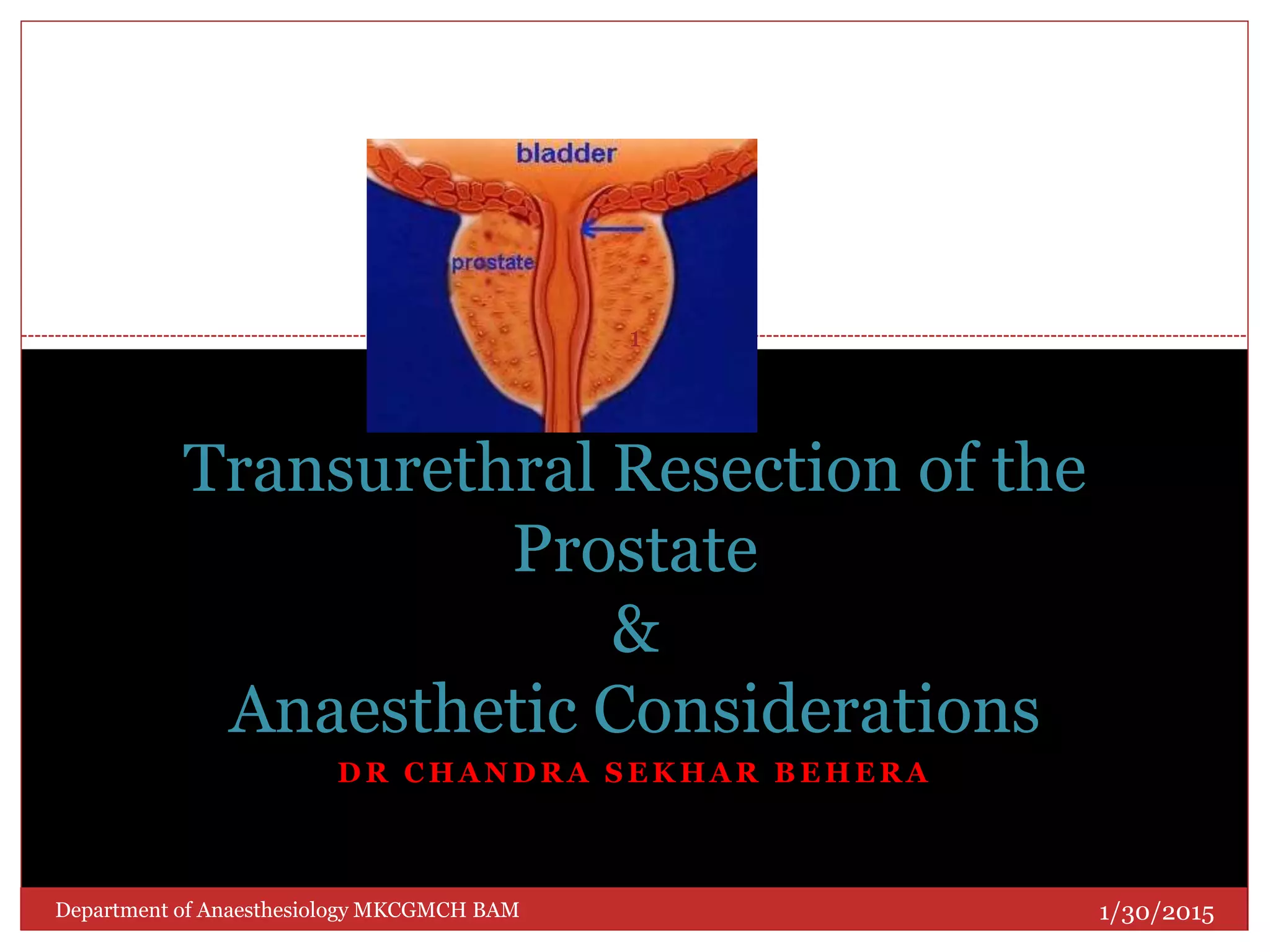
The primary goal of transurethral resection of the prostate in the context of malignancy is mechanical decompression rather than oncological eradication. Prostate cancer typically develops in the peripheral zone of the gland, whereas lower urinary tract symptoms (LUTS) and urethral obstruction stem from tumor growth encroaching upon the transition zone or the bladder neck.
When conservative measures, such as alpha-blockers or 5-alpha-reductase inhibitors, fail to resolve severe urinary outflow obstruction, a TURP can effectively core out the obstructing tissue. This restores normal voiding function and prevents upper urinary tract deterioration, such as hydronephrosis and renal impairment.
It is crucial to understand that TURP does not replace definitive cancer treatments like radical prostatectomy or radiation therapy. Instead, it is frequently employed in specific clinical scenarios:
- Palliative Management: For patients with locally advanced, metastatic, or hormone-refractory prostate cancer who suffer from intractable bladder outlet obstruction and are not candidates for radical surgery.
- Pre-Treatment Decompression: Occasionally performed prior to radiation therapy in patients with massive benign prostatic hyperplasia (BPH) or obstructive tumor burdens to reduce acute symptoms and facilitate subsequent localized treatments.
- Incidental Discovery: Historically, a significant number of prostate cancers were diagnosed incidentally during TURP performed primarily for symptomatic BPH, though modern screening protocols via prostate-specific antigen (PSA) testing and targeted biopsies have altered this pathway.
Preoperative Evaluation and Patient Selection
Selecting appropriate candidates for transurethral resection of the prostate requires a comprehensive urological evaluation. Urologists must weigh the patient's lower urinary tract symptom severity, overall oncological stage, life expectancy, and baseline urinary sphincter function against the potential risks of the operation.
Before scheduling the procedure, several diagnostic assessments are typically performed:
- Urodynamic Testing and Cystoscopy: To visualize the exact anatomy of the obstruction, assess bladder neck compliance, and rule out strictures or intrinsic bladder dysfunctions.
- Renal Function Panels: Blood urea nitrogen (BUN) and serum creatinine tests to evaluate whether the obstruction has compromised kidney function.
- Coagulation Profiles: Essential screening, as TURP involves resecting vascular prostate tissue, and many patients with advanced prostate cancer may be on antiplatelet or anticoagulant therapies.
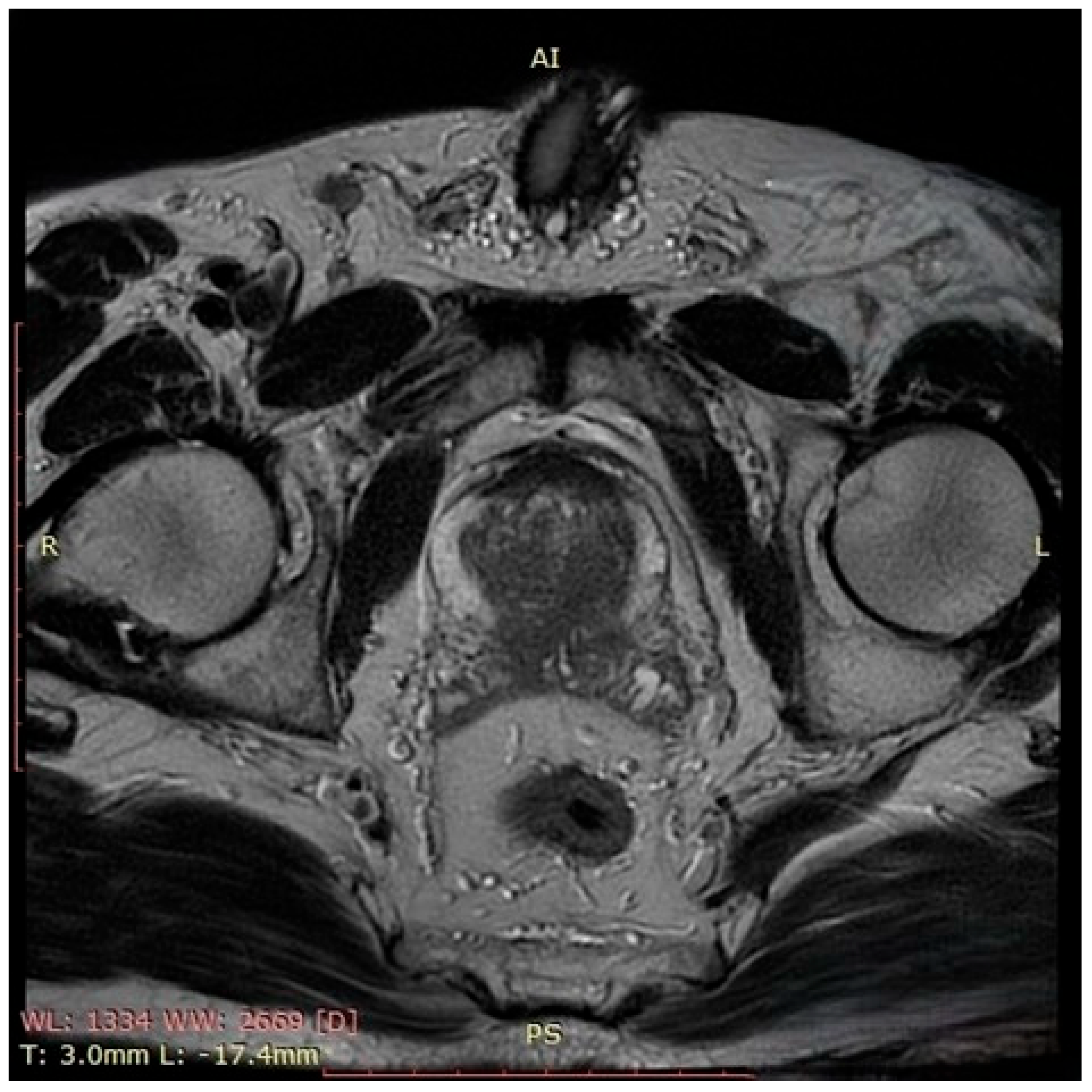
- Oncological Staging: Review of recent imaging, such as multiparametric magnetic resonance imaging (mpMRI), bone scans, and computed tomography (CT), to understand the extent of the underlying malignancy.
Patients must be counseled thoroughly regarding expected outcomes. While TURP successfully relieves urinary obstruction, it does not cure the cancer, alter the systemic progression of metastatic disease, or eliminate the need for ongoing oncological therapies such as androgen deprivation therapy (ADT).
| Clinical Factor | Primary BPH Indication | Malignant Obstruction Indication |
|---|---|---|
| Primary Goal | Symptom relief and quality of life improvement | Relieving urinary retention and preserving renal function |
| Oncological Intent | None (benign tissue removal) | Palliative or debulking support; not curative |
| Tissue Extent | Resection limited to transition zone | Resection guided by extent of urethral/bladder neck invasion |
| Post-Procedure Therapy | Usually none required | Continuation of systemic cancer treatments (e.g., ADT) |
The Surgical Procedure: Step-by-Step Overview
Transurethral resection of the prostate is performed under regional (spinal or epidural) or general anesthesia. The entire operation is conducted endoscopically through the urethra, requiring no external abdominal incisions.
The standard surgical sequence follows a precise technical protocol:
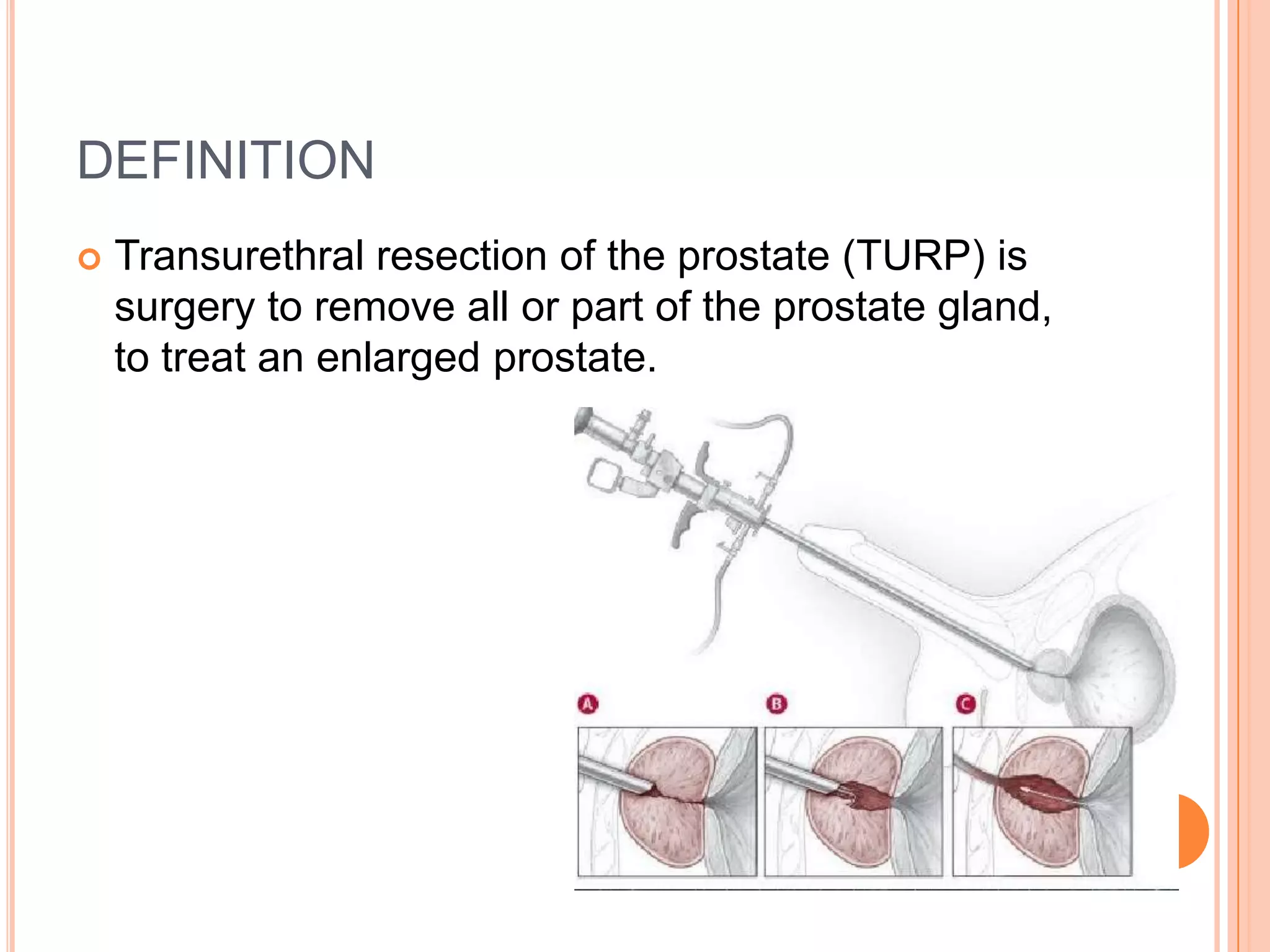
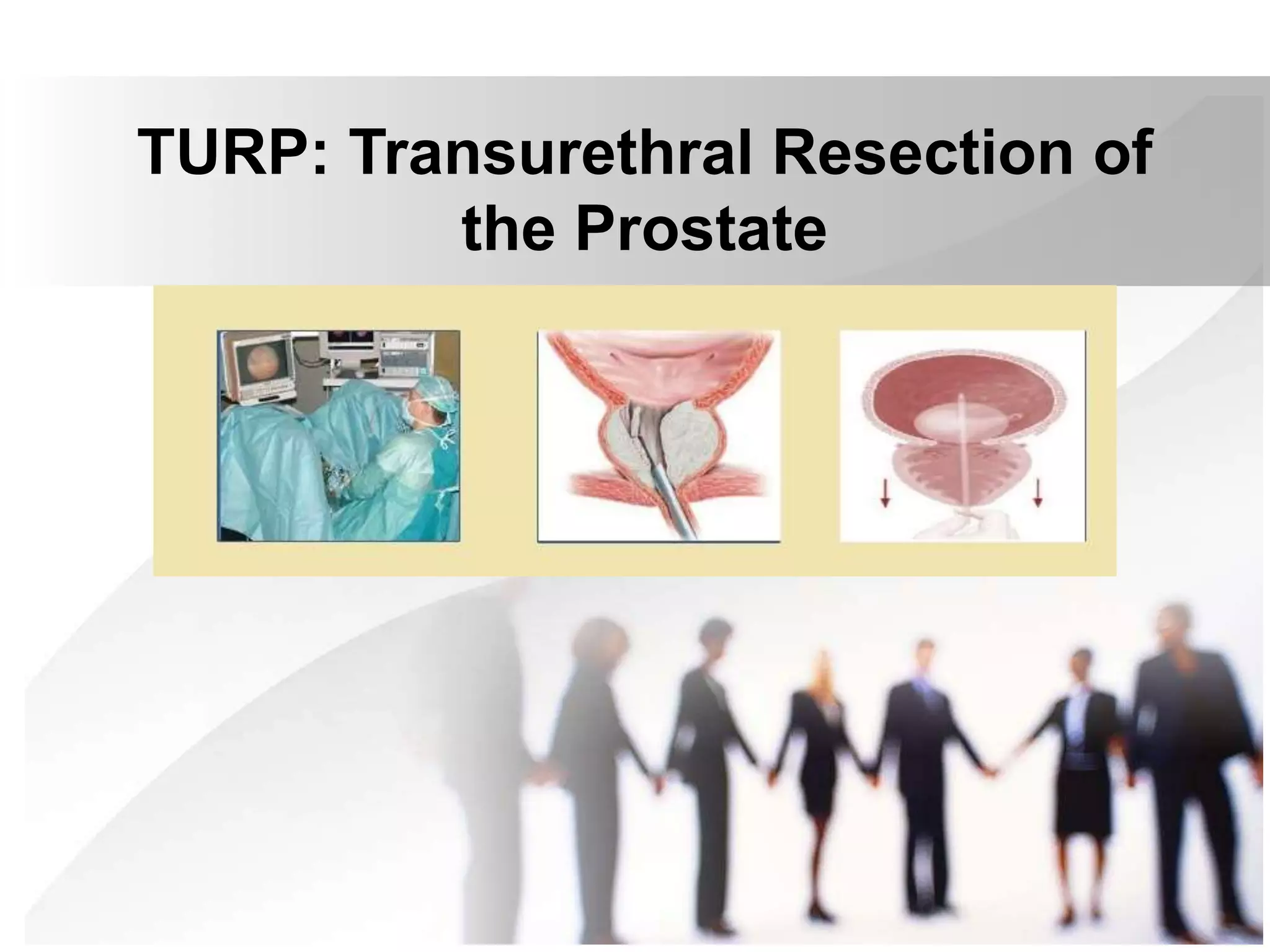
- Endoscopic Inspection: The surgeon introduces a resectoscope—a specialized rigid endoscope equipped with a light source, camera, and a wire loop electrode—through the external urethral meatus into the bladder. A thorough inspection of the bladder walls, ureteral orifices, and the prostatic urethra is performed.
- Tissue Resection: Using high-frequency electrical current applied to the wire loop, the surgeon systematically shaves away thin strips of obstructing prostatic and tumor tissue. Irrigation fluid is continuously flushed through the resectoscope to maintain a clear visual field and wash away blood and resected chips.
- Hemostasis: Throughout the resection, bleeding vessels within the prostatic bed are systematically coagulated using electrocautery to minimize intraoperative and postoperative blood loss.
- Tissue Retrieval: The resected tissue chips are flushed out of the bladder using an Ellik evacuator or a similar syringe-suction device and sent to pathology for histological examination.
- Catheter Placement: At the conclusion of the procedure, a multi-way indwelling urinary catheter (often a three-way catheter) is inserted into the bladder to allow for continuous bladder irrigation (CBI), which prevents blood clot accumulation.
Postoperative Management and Recovery Protocols
Immediate postoperative care focuses on monitoring hemorrhage, managing bladder spasms, and ensuring unobstructed urinary drainage. The continuous bladder irrigation protocol is typically maintained for 12 to 24 hours, or until the urine runs reasonably clear of gross hematuria.
Key aspects of the recovery phase include:
- Catheter Removal: Once irrigation is discontinued and urine color clears, the urinary catheter is removed, usually within 2 to 4 days post-surgery. Patients are monitored for successful spontaneous voiding and post-void residual volume.
- Activity Restrictions: Strenuous physical activity, heavy lifting, and sexual intercourse should be avoided for approximately 4 to 6 weeks to allow the prostatic fossa to heal and prevent secondary hemorrhage from dislodged eschar.
- Hydration and Diet: High fluid intake is encouraged to flush the urinary tract and prevent clot formation. Stool softeners are frequently prescribed to avoid the mechanical strain of constipation during defecation.
Potential Risks, Complications, and Side Effects
While TURP remains a gold-standard benchmark for managing obstructive prostatic tissue, it carries inherent surgical risks that must be carefully balanced against the expected benefits of symptom relief.
Potential complications are categorized by their temporal and physiological nature:
- Bleeding and Transurethral Resection (TUR) Syndrome: Intraoperative or delayed postoperative bleeding may require blood transfusions. TUR syndrome occurs when hypotonic irrigation fluid is absorbed in significant quantities through open prostatic sinuses into the bloodstream, leading to hyponatremia, fluid overload, cardiovascular instability, and neurological symptoms. Modern use of isotonic irrigating solutions has significantly reduced the incidence of this complication.
- Urinary Incontinence: Stress urinary incontinence can occur if the external urethral sphincter is damaged during resection, though permanent severe incontinence is relatively rare. Urgency incontinence may persist temporarily due to bladder irritability.
- Retrograde Ejaculation: In the vast majority of patients, the internal urethral sphincter is compromised during resection, causing semen to flow backward into the bladder during orgasm rather than out through the penis. This is a permanent side effect that affects fertility.
- Urethral Stricture and Bladder Neck Contracture: Long-term scarring of the urethra or the bladder neck can develop months after the procedure, leading to recurrent obstructive symptoms that require secondary endoscopic intervention.
Disclaimer: This article is for informational and educational purposes only and should not be construed as medical advice. Patients experiencing symptoms related to prostate cancer or urinary obstruction should consult a qualified urologist or oncologist for personalized diagnostic evaluation and treatment planning.
Frequently Asked Questions
Does transurethral resection of the prostate cure prostate cancer?
No, TURP is not a curative treatment for prostate cancer. Because prostate cancer typically originates in the peripheral zone of the gland, a TURP—which resects tissue from the inner transition zone and obstructing areas—leaves the majority of the cancerous gland in place. Its primary purpose in cancer patients is palliative relief of severe urinary obstruction and restoration of bladder emptying.
How long does recovery take after a TURP procedure?
Initial recovery in the hospital typically lasts 1 to 3 days, centered around catheter removal and monitoring for bleeding. Complete healing of the prostatic fossa inside the body takes approximately 4 to 6 weeks. During this period, patients should avoid heavy lifting, strenuous exercise, and sexual activity to ensure proper internal healing.
Will TURP affect my sexual function?
TURP generally preserves the ability to achieve erections, as the nerves responsible for erectile function run outside the prostate capsule. However, it almost always causes retrograde ejaculation, a condition where semen enters the bladder during orgasm instead of exiting through the penis, which impacts natural fertility.
What is TUR syndrome and is it still common?
Transurethral resection syndrome occurs when large amounts of irrigating fluid are absorbed into the bloodstream during surgery, leading to severe dilutional hyponatremia and electrolyte imbalances. While historically a notable concern, modern surgical techniques, bipolar energy systems, and isotonic irrigating fluids have made severe TUR syndrome a rare complication.
How is resected tissue handled after the operation?
All tissue chips removed during the transurethral resection are collected and sent to a pathology laboratory. Pathologists examine the specimens under a microscope to confirm histological diagnosis, evaluate the Gleason score if cancer is present, and check for any unexpected pathological findings.
Next Actions for Patients
For individuals currently facing severe urinary obstruction in the setting of prostate cancer, scheduling a formal consultation with a urological surgeon is the essential next step. Prepare a complete list of current medications, particularly blood thinners, and discuss comprehensive staging imaging with your care team to determine whether palliative TURP or alternative drainage methods best align with your overall cancer management plan.
Image Gallery