Ultra High Net Worth Individuals Middle East: Growth, Distribution, and Strategic Outlook
The Middle East has emerged as a cornerstone of global private wealth, characterized by a rapid expansion of the Ultra High Net Worth Individual (UHNWI) segment. Driven by energy sector diversification, aggressive sovereign wealth stra...
The Middle East has emerged as a cornerstone of global private wealth, characterized by a rapid expansion of the Ultra High Net Worth Individual (UHNWI) segment. Driven by energy sector diversification, aggressive sovereign wealth strategies, and robust non-oil private sector growth, the region displays a unique distribution of wealth that favors family-led conglomerates and a burgeoning class of self-made entrepreneurs in technology and sustainable infrastructure.
Contents
The Landscape of Middle Eastern Private Wealth in 2026
The Middle East's UHNWI population is not a monolithic entity; it is a complex landscape defined by varying degrees of market liberalization and sovereign wealth integration. As of 2026, the region continues to experience wealth accumulation patterns that differ significantly from European or North American models. While historically rooted in family offices and multi-generational business conglomerates, the current growth trajectory is increasingly fueled by the "Venture Capitalization" of private wealth, where UHNWIs are actively transitioning from passive holding company structures to active, direct investment in high-growth technology sectors.
Regional growth is uneven but geographically concentrated. The Gulf Cooperation Council (GCC) countries—specifically Saudi Arabia, the United Arab Emirates, Qatar, and Kuwait—account for the overwhelming majority of the region’s UHNWI growth. The strategic pivot away from hydrocarbon dependency, most notably seen in Vision 2030 initiatives and the UAE's "We the UAE 2031" vision, has provided a systemic framework that incentivizes UHNWIs to reallocate liquidity toward domestic infrastructure, fintech, and renewable energy ventures.
Key Factors Driving Growth and Wealth Accumulation
The primary drivers of UHNWI growth in the Middle East are structural rather than cyclical. Investors are operating within a high-interest-rate environment that has pressured traditional fixed-income portfolios but has also created a favorable "flight to quality" environment for private credit and real estate equity.
- Sovereign Wealth Synergy: The presence of massive sovereign wealth funds (SWFs) acts as a catalyst for private wealth. When state entities invest in massive giga-projects, they create ancillary opportunities for local UHNWIs, ranging from hospitality and construction to logistics and specialized services.
- Regulatory Harmonization: The creation of sophisticated financial free zones, such as the Abu Dhabi Global Market (ADGM) and the Dubai International Financial Centre (DIFC), has standardized legal frameworks. This has allowed for the efficient formation of Single Family Offices (SFOs) and Multi-Family Offices (MFOs), providing a stable environment for asset preservation and succession planning.
- Digital Transformation and Innovation: A new generation of UHNWIs has moved into the digital economy. These individuals are capitalizing on the region’s high mobile penetration and the rapid adoption of digital payment systems to scale businesses that transcend traditional geographic limitations.
Distribution Patterns: Concentration and Sectoral Focus
Distribution in the Middle East is marked by a high degree of concentration within family-run holding companies. Unlike Western markets, where wealth is often decentralized across public equity markets, Middle Eastern UHNWIs often maintain significant control over their underlying assets through private family structures.
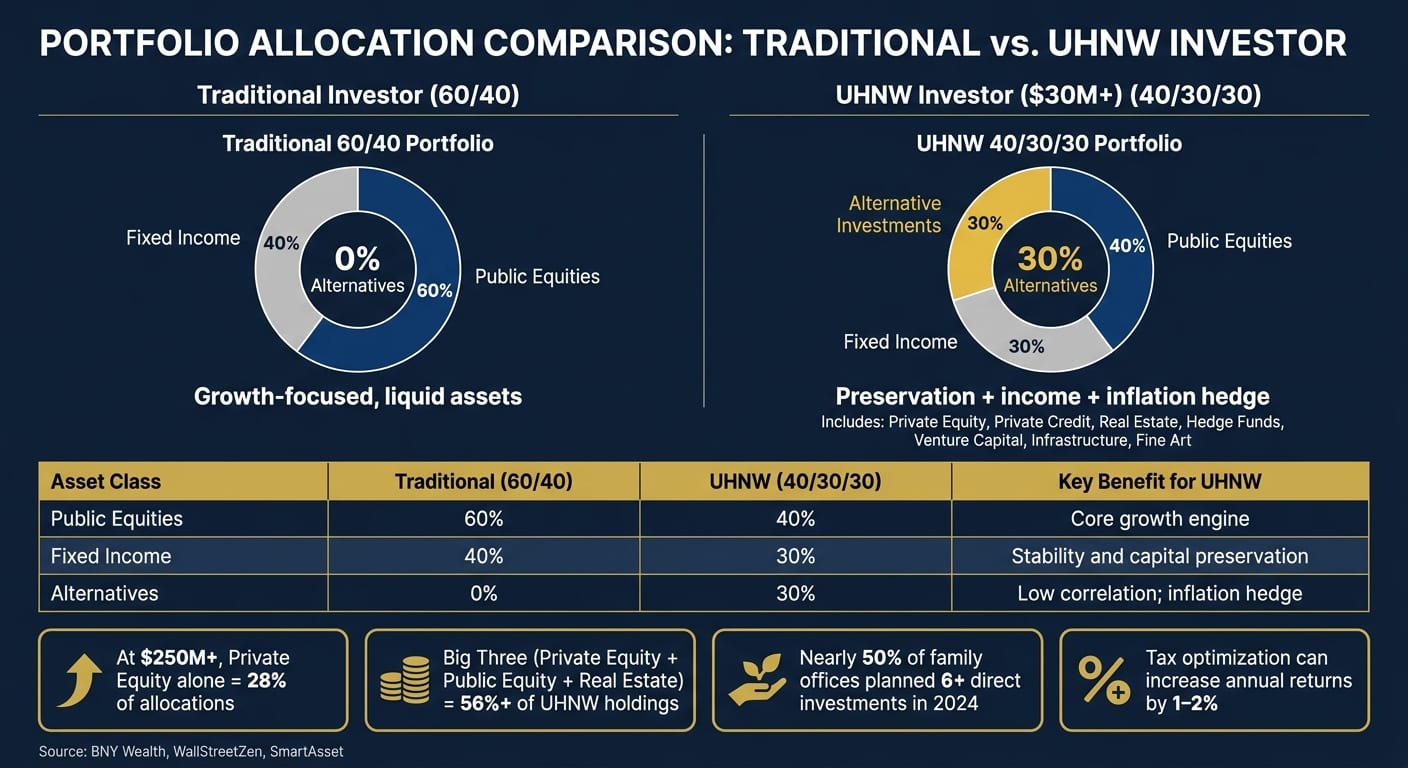
| Investment Segment | Proportion of UHNWI Portfolio | Strategic Rationale |
|---|---|---|
| Real Estate & Infrastructure | 35-40% | Core asset, stable income, prestige, and development upside. |
| Public Equities (Global) | 25-30% | Diversification and hedge against regional volatility. |
| Private Equity & Venture | 15-20% | High growth in tech and ESG-aligned energy projects. |
| Cash and Equivalents | 10-15% | High liquidity for tactical market entry/opportunity. |
The concentration of wealth in real estate remains a defining characteristic. However, the nature of these assets is shifting from commercial and residential development to industrial, logistics, and data center facilities, which are essential for supporting the region’s digital and trade-hub aspirations.
Strategic Outlook and Challenges
The outlook for the remainder of the decade is one of cautious optimism. While the region is insulated from many of the geopolitical instabilities affecting other parts of the world, UHNWIs are not immune to global systemic risks. The primary concern for 2026 is managing inflationary pressures and the potential for a global economic slowdown, which could impact the valuation of international asset portfolios held by regional UHNWIs.
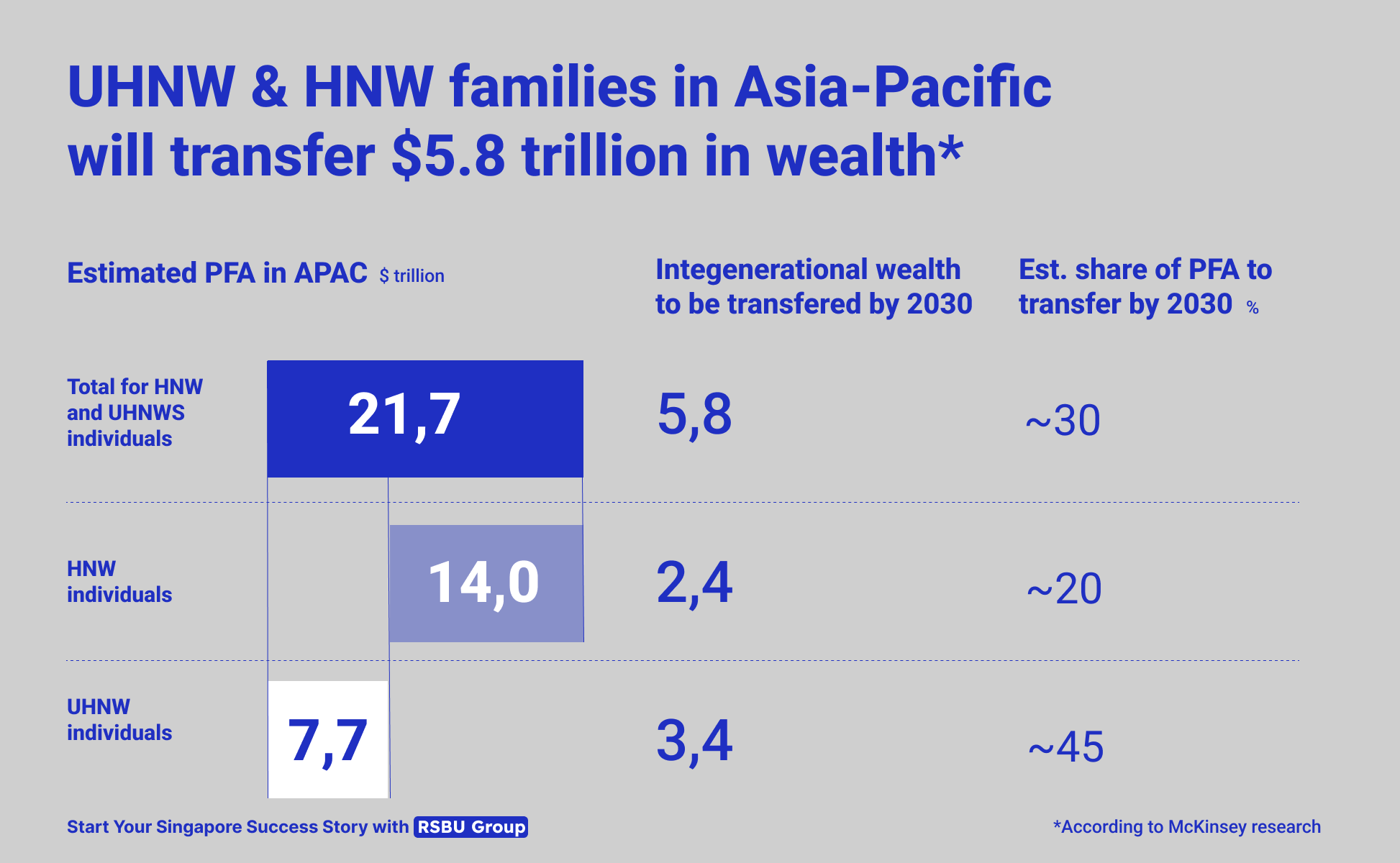
Succession planning has moved to the top of the agenda. A significant transition of wealth is occurring as the founding generation of many family empires begins to transfer control to their successors. This is driving an increased demand for sophisticated wealth management services, including private banking, tax structuring (especially as tax regimes in the UAE and Saudi Arabia modernize), and family governance protocols to prevent intergenerational fragmentation.
Furthermore, ESG (Environmental, Social, and Governance) factors are no longer optional. Institutionalizing wealth now requires alignment with global sustainability standards, as regional UHNWIs increasingly seek to co-invest with international partners who prioritize transparent governance and sustainable outcomes.
Practical Considerations for Wealth Preservation and Growth
For UHNWIs in the Middle East, the focus for the next two years involves three critical steps:
- Consolidating Family Governance: Implementing clear constitutional frameworks for family offices is essential to prevent disputes during the transition of assets to the next generation.
- Diversifying Global Exposure: While the "home bias" remains strong, there is a clear strategic imperative to increase exposure to emerging markets in Asia and specialized tech hubs in North America.
- Harnessing Professional Advisory: Given the increasingly complex tax and regulatory landscape, utilizing independent, objective financial advisors is critical for navigating the interplay between local business holdings and global investment portfolios.
Frequently Asked Questions
What defines an UHNWI in the Middle Eastern context? While the global standard for UHNWIs is typically a net worth of over $30 million, the Middle Eastern context places significant weight on liquid investable assets versus fixed assets. Wealth here is frequently tied to large-scale, illiquid business holdings, making liquidity management the defining metric for financial planning.
How does regional tax policy impact UHNWI growth? Recent shifts toward the introduction of corporate tax in the UAE and VAT in the GCC have fundamentally changed the planning landscape. While the region remains highly competitive, UHNWIs must now integrate tax efficiency into their global investment structures to preserve net returns.
Are there specific sectors attracting the most interest from Middle Eastern UHNWIs? Yes. Beyond real estate, there is a marked trend toward fintech, renewable energy, and artificial intelligence. These sectors are seen as both high-growth and strategically aligned with national economic agendas.
How is succession planning changing in the region? There is a clear move toward formalizing family offices. This involves moving away from informal, patriarch-led decision-making toward structures with independent boards and professional management, ensuring continuity and professionalized governance.
What is the role of family offices in the Middle East? Family offices serve as the primary vehicle for wealth management, tax optimization, and investment. In 2026, their role has expanded to include philanthropic endeavors and ESG-focused impact investing, which are increasingly critical for reputation management and family legacy.
Recommendations for Next Actions
Individuals and stakeholders involved in this wealth tier should prioritize the formalization of investment policy statements (IPS). By defining clear liquidity needs, return expectations, and risk tolerance, UHNWIs can avoid reactive decision-making in volatile market conditions. Investors should engage with specialized, multi-disciplinary advisory teams that combine legal, tax, and investment expertise specifically tailored to the Middle East’s evolving regulatory climate.
Image Gallery