The Net Worth of 731 Woodworks: Analyzing the Financial Reality of a Modern Creator Brand
Determining the net worth of 731 Woodworks involves looking at a multifaceted digital media brand and woodworking business rather than a publicly traded corporation. While exact personal net worth figures for founder Phil Morley remain...
Determining the net worth of 731 Woodworks involves looking at a multifaceted digital media brand and woodworking business rather than a publicly traded corporation. While exact personal net worth figures for founder Phil Morley remain private, industry estimates suggest the enterprise valuation and associated revenue streams position it as a highly successful player in the digital creator economy, generating substantial annual revenue through YouTube advertising, brand sponsorships, digital product sales, and physical merchandise.
Contents
Evaluating the financial standing of a modern content creation brand requires looking past simple cash-in-bank assumptions. For channels like 731 Woodworks, financial health is tied to intellectual property, digital real estate, production equipment, inventory, and diversified income streams. This analysis breaks down how woodworking content creators build enterprise value, examine revenue drivers, and understand the economic framework of digital woodworking brands.
Understanding the 731 Woodworks Business Model
731 Woodworks, founded by Phil Morley, operates as a digital-first media brand centered around woodworking education, tool reviews, and DIY project tutorials. Unlike traditional custom furniture shops that trade time directly for physical labor, modern woodworking influencers leverage scale. The business model transforms physical craftsmanship into digital assets that can be monetized repeatedly.
The primary vehicle for this model is video content hosted on platforms like YouTube, supported by a dedicated website, social media channels, and email newsletters. By building an audience of hobbyist woodworkers seeking guidance on shop setup, project execution, and tool selection, the brand captures attention. That attention is then converted into commercial value through multiple distinct channels.
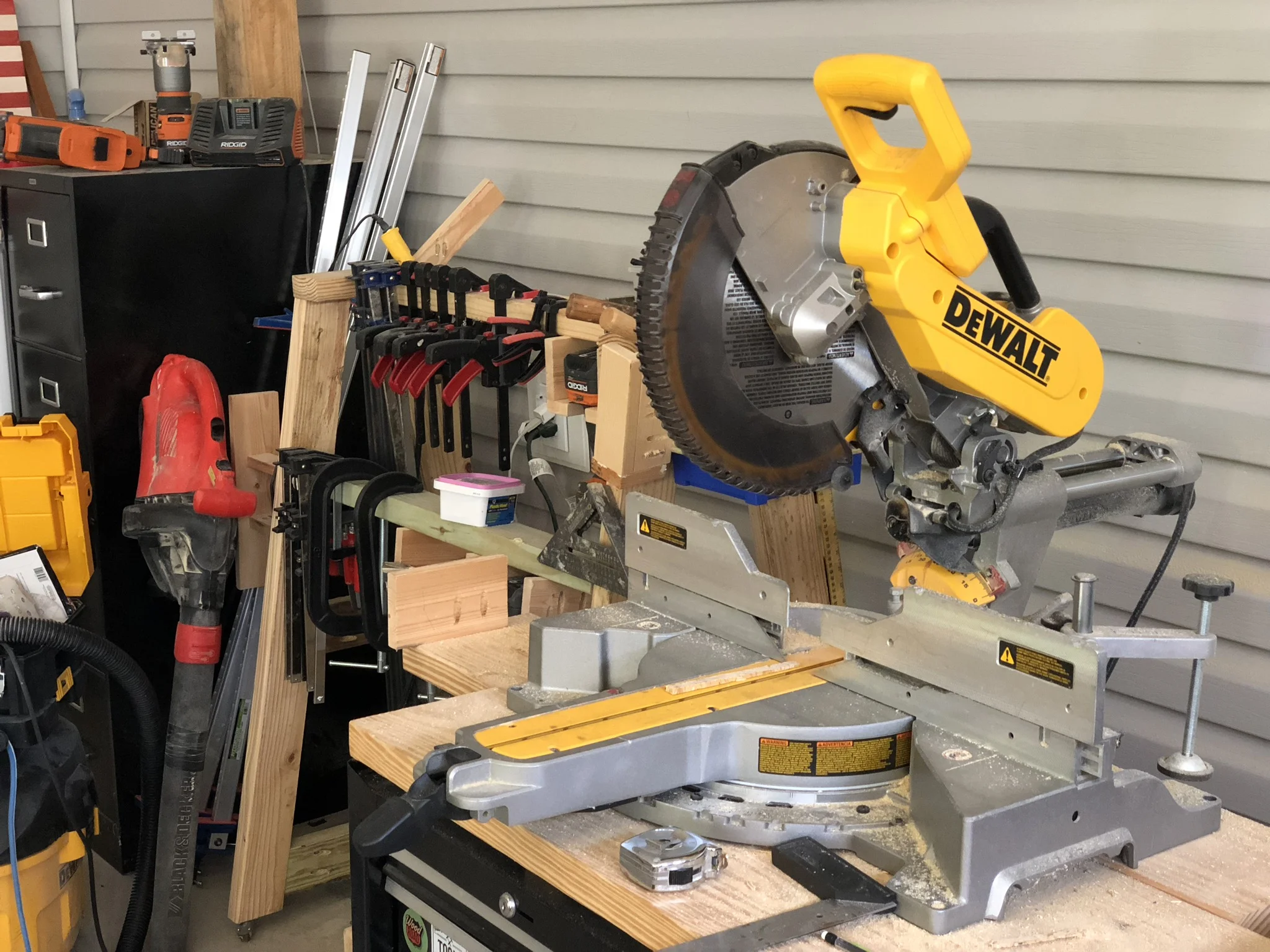
Understanding this model is vital because a creator's net worth is rarely a stagnant pool of savings. Instead, it represents the capitalized value of ongoing cash flows, physical assets like CNC machines, laser engravers, professional cameras, and studio-equipped workshops, alongside intangible assets like brand equity and audience trust.
Primary Revenue Streams Driving Enterprise Value
To comprehend the financial scale of 731 Woodworks, one must analyze the primary revenue mechanisms that support the business. Content creation brands typically diversify income to mitigate platform risks, such as algorithm changes or shifts in advertising rates.
- 731 WOODWORKS REVENUE
- Ad Revenue (YouTube Partner)
- Brand Sponsorships (Tool Manufacturers)
- Affiliate (Amazon/Direct)
- Digital Goods (Plans/Merch)
1. YouTube Partner Program and AdSense
The foundational layer of revenue for many digital creators is platform advertising. Videos detailing workshop organization, garage shop tours, and beginner-friendly furniture builds attract consistent search and browse traffic. YouTube shares ad revenue generated from pre-roll, mid-roll, and display ads based on metrics like CPM (cost per thousand impressions) and watch time. Woodworking channels often command favorable CPMs because the audience consists of homeowners, DIYers, and hobbyists with disposable income to spend on tools and materials.
2. Brand Sponsorships and Partnerships
Tool manufacturers, hardware suppliers, and software companies frequently partner with established woodworking creators to showcase new equipment. Sponsorships range from dedicated video integrations and sponsored reviews to long-term ambassador agreements. These contracts represent a significant portion of a creator's annual revenue, as brands pay premium rates to reach highly targeted, niche audiences ready to make purchase decisions.
3. Affiliate Marketing Programs
Affiliate programs, such as the Amazon Associates program or direct partnerships with tool brands like Rockler, Woodcraft, and Festool, allow creators to earn commissions on products recommended in their content. When a viewer clicks an affiliate link in a video description to purchase a table saw, chisel set, or safety gear, a percentage of the sale goes to the creator at no extra cost to the buyer. For a channel focused heavily on tools and workshop setup, affiliate income provides a reliable, compounding revenue stream.
4. Digital Plans, E-Books, and Physical Merchandise
Beyond media earnings, 731 Woodworks monetizes its expertise by selling downloadable woodworking project plans, cut lists, and e-books. Digital products offer exceptionally high profit margins because they require zero marginal cost of reproduction. Additionally, branded merchandise such as t-shirts, hats, and shop aprons contribute to overall brand revenue and reinforce community loyalty.
Asset Valuation: What Makes Up a Creator's Net Worth?
When financial analysts estimate the worth of a digital media brand like 731 Woodworks, they look at several distinct asset classes. Unlike traditional corporate valuations that rely heavily on real estate and heavy machinery, creator businesses rely on a hybrid of tangible and intangible assets.
| Asset Type | Description | Valuation Factors |
|---|---|---|
| Tangible Assets | Workshop tools, CNC routers, dust collection systems, camera and audio gear, computers, and inventory. | Replacement cost, depreciation schedules, and utility value. |
| Digital Real Estate | YouTube channel subscriber base, email lists, website domain, and social media followers. | Engagement rates, historical traffic, platform diversification, and audience demographics. |
| Intellectual Property | Copyrighted video libraries, written plans, brand logos, custom designs, and course content. | Ongoing licensing potential, recurring sales, and evergreen search performance. |
| Brand Equity | Trust, authority, and reputation within the niche woodworking community. | Conversion rates, sponsorship demand, and long-term market stability. |
Tangible assets in a modern woodworking shop can easily run into tens or hundreds of thousands of dollars. Professional-grade stationary tools, laser systems, specialized safety equipment, and high-end cinema cameras represent a substantial capital investment. However, these physical items typically make up a minority of a digital brand's total enterprise value compared to its audience reach and intellectual property.
Factors Influencing Creator Business Valuations
Valuing a creator business like 731 Woodworks involves applying multiples to discretionary earnings, much like traditional small-to-medium enterprise (SME) valuation. Several operational factors dictate where a brand falls on the valuation spectrum:
- Audience Demographics and Niche Value: Advertisers pay more to reach audiences with high purchasing power. Woodworking enthusiasts routinely invest heavily in tools, lumber, and hardware, making the demographic highly attractive to premium brands.
- Diversification of Income: Brands that rely solely on YouTube ad revenue face higher volatility than those with diversified streams, including digital product stores, membership sites, and direct-to-consumer merchandise. Higher diversification generally commands higher valuation multiples.
- Evergreen Content Performance: Videos that rank well in search engines for years (such as "How to build a workbench" or "Best table saw for beginners") generate passive income long after publication. This evergreen stability increases enterprise value.
- Personal Brand Dependence: A business tightly bound to a single personality carries key-person risk. However, strong brand systems and recognizable logos mitigate some of this risk by fostering loyalty to the channel name itself rather than just the individual.
Common Misconceptions About Creator Net Worth
Public interest in the net worth of internet personalities often leads to speculation and inaccurate reporting across online estimation websites. Understanding why these discrepancies occur helps clarify the reality of creator finances.
Many third-party net worth websites publish speculative figures based on automated algorithms that estimate YouTube ad revenue using broad view-count multipliers. These tools frequently fail to account for operational expenses, taxes, production costs, employee salaries, and the significant fluctuations in seasonal ad rates (such as Q4 peaks versus Q1 slumps). Furthermore, revenue is not profit. A channel generating substantial gross revenue must still cover studio overhead, materials for projects, software subscriptions, insurance, and professional services.
Another common misconception is that a creator's net worth is entirely liquid. In reality, much of the wealth generated by digital entrepreneurs is reinvested back into the business—upgrading workshop facilities, expanding production teams, acquiring better gear, or developing new product lines.
Frequently Asked Questions
What is the primary source of income for 731 Woodworks?
The income for 731 Woodworks is diversified across YouTube advertising revenue, brand sponsorships with tool manufacturers, affiliate marketing commissions from tool recommendations, and the direct sale of digital woodworking plans and merchandise.
Is Phil Morley the sole owner of 731 Woodworks?
Phil Morley is the founder and public face of 731 Woodworks, building and managing the channel alongside his family and operational support staff who assist with video production, shipping, and customer service.
How do woodworking content creators make money?
Woodworking creators monetize their channels by combining platform ad revenue, sponsored product integrations, affiliate links to retail partners, and proprietary products like downloadable project plans, templates, and physical merchandise.
Can third-party net worth websites be trusted for creator finances?
Most online net worth calculators rely on generalized formulas that estimate gross ad revenue while ignoring business expenses, taxes, and secondary income streams. These figures should be viewed as unverified estimates rather than factual financial statements.
Why is audience engagement more important than subscriber count?
Advertisers and brand partners evaluate active engagement metrics—such as comments, likes, click-through rates, and community trust—rather than raw subscriber counts. A smaller, highly dedicated audience often delivers better conversion rates than a large, passive subscriber base.
Practical Next Steps for Analyzing Creator Businesses
For entrepreneurs, marketers, or aspiring creators looking to understand the mechanics of digital brand valuation, analyzing the broader creator economy offers valuable insight. Focus on studying how media businesses scale past personal labor limitations by developing digital products, building automated sales funnels, and diversifying income beyond single-platform reliance. When reviewing financial claims about internet personalities, prioritize verified business models and sustainable revenue structures over speculative net worth figures.
Image Gallery