Semper Fortis and the U.S. Navy: Understanding the Motto of Maritime Strength
"Semper Fortis" serves as a foundational Latin motto associated with the United States Navy, translating directly to "Always Courageous" or "Always Strong." While often overshadowed by the official U.S. Marine Corps motto, "Semper Fide...
"Semper Fortis" serves as a foundational Latin motto associated with the United States Navy, translating directly to "Always Courageous" or "Always Strong." While often overshadowed by the official U.S. Marine Corps motto, "Semper Fidelis," this phrase remains a vital cultural pillar within the Navy, representing the endurance, resilience, and unwavering resolve required of sailors who operate in the world’s most challenging maritime environments.
Contents
The Linguistic and Historical Roots of Semper Fortis
The Latin language has long served as a vessel for military tradition, conveying values of durability and steadfastness that transcend specific eras. "Semper" is a common Latin adverb meaning "always," frequently utilized in military heraldry to denote a permanent state of being. "Fortis," conversely, carries a dual meaning: it describes one who possesses physical courage in the face of danger, and one who maintains structural or mental strength.
In the context of the U.S. Navy, the phrase signifies more than mere bravery in combat; it embodies the institutional commitment to constant readiness. Throughout the history of the Navy, from the age of sail to the modern era of 2026, the notion of being "always strong" has been applied to ship construction, crew discipline, and the strategic projection of power across global waterways. It reflects the Navy’s mandate to remain a reliable force that does not falter under the pressures of geopolitical volatility or the logistical rigors of extended deployments.
Distinguishing Between Navy and Marine Corps Mottoes
A common point of confusion for those researching military heraldry is the distinction between the Navy’s unofficial associations and the U.S. Marine Corps' formal motto. The United States Marine Corps, which operates under the Department of the Navy, famously adopted "Semper Fidelis"—"Always Faithful"—in 1883.
While the two branches share administrative and historical roots, "Semper Fortis" is uniquely aligned with the core mission profile of the Navy: the maintenance of maritime dominance. "Semper Fidelis" emphasizes the loyalty of the Marine to the Corps and the nation, whereas "Semper Fortis" emphasizes the operational capacity and the fortitude of the naval entity itself.
Comparative Breakdown of Military Traditions
| Motto | Translation | Primary Association | Context of Use |
|---|---|---|---|
| Semper Fortis | Always Courageous / Always Strong | U.S. Navy | Institutional resilience and maritime strength |
| Semper Fidelis | Always Faithful | U.S. Marine Corps | Allegiance and loyalty to the Corps |
| Non Sibi Sed Patriae | Not for Self but for Country | U.S. Navy | Service ethos and altruism |
The Application of "Always Strong" in Modern Naval Operations
In the current year of 2026, the concept of being "Always Strong" translates into technical and operational requirements. Modern naval architecture, advanced weaponry, and crew readiness are the physical manifestations of this motto. For the Navy, maintaining a "fortis" posture means addressing several critical domains of maritime warfare.
1. Technical Resilience and Maintenance
A primary task of the Navy is ensuring that its fleet remains operational during long-term deployment cycles. This involves rigorous preventative maintenance schedules and the incorporation of robust defensive systems. When a vessel operates in high-threat environments, its ability to sustain damage while remaining combat-effective is the literal interpretation of the motto.
2. Personnel Readiness and Mental Fortitude
"Fortis" extends to the human element. Sailors undergo extensive psychological and technical training to ensure that, regardless of the stressor—whether it be the isolation of a submarine deployment or the intensity of a high-stakes tactical exercise—they remain resilient. This internal strength is the backbone of the "always strong" commitment.
3. Strategic Global Presence
The Navy must be ready to respond to crises at a moment’s notice. This requires a logistical infrastructure that is "always strong," ensuring that fuel, ammunition, and supplies are positioned globally. The strategic projection of power requires a level of consistency that ensures the U.S. Navy remains the world's preeminent maritime force.
Cultural Significance and Commemoration
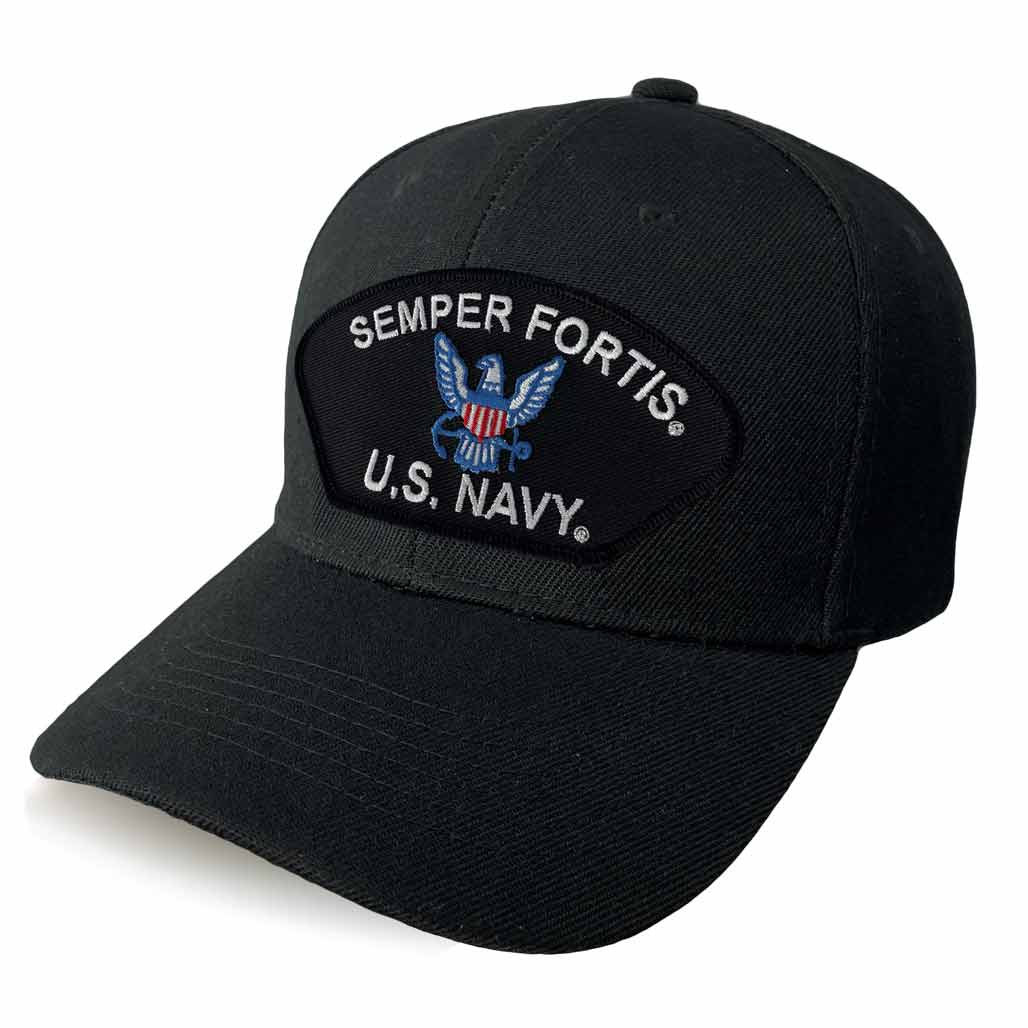
Beyond the technical, "Semper Fortis" appears frequently in U.S. Navy memorabilia, challenge coins, and unit insignias. It is often used as a rallying cry during commissioning ceremonies, homecomings, and memorials. By invoking the motto, sailors connect themselves to a long lineage of maritime history, acknowledging that the strength of the current fleet is built upon the sacrifices and discipline of those who served before them.
It serves as a constant reminder that the maritime environment is unforgiving. Unlike land-based forces, naval personnel live and work in an atmosphere where the ocean itself is a constant adversary. Success in such an environment requires an institutional disposition toward strength that is not conditional on circumstances, but rather a permanent state of the organization.
Addressing Common Questions
Is "Semper Fortis" the official motto of the U.S. Navy?
No, the U.S. Navy does not have one singular, congressionally mandated motto in the same way the Marine Corps does. "Semper Fortis" is a widely recognized and celebrated motto used by the Navy, but it is not technically an official government mandate.
Why is there confusion between Navy and Marine Corps mottos?
The confusion typically arises because the Marine Corps is part of the Department of the Navy. Because the two organizations share administrative resources and historical origins, outsiders often conflate their respective cultural markers.
Can individuals use "Semper Fortis" on personal gear?
Yes, the phrase is a Latin descriptor used by many organizations and in various cultural contexts. It is not trademarked solely to the U.S. Navy, though its specific usage in military contexts is almost exclusively associated with Navy pride and naval history.
How does the motto relate to naval ethics?
The motto informs the ethical framework of the service by emphasizing that strength is a moral imperative. To be "always strong" is to be dependable; if the Navy is strong, its allies can rely on it, and its adversaries must account for its presence. It turns the concept of strength into an ethical standard of reliability.
Does "Semper Fortis" impact ship naming or ceremonies?
While the motto does not dictate the naming of warships—which follows specific naming conventions maintained by the Secretary of the Navy—it is frequently quoted during the "Christening" or "Commissioning" of ships. It acts as a thematic element that binds the crew to the ship’s mission.
Conclusion and Recommendations
Understanding "Semper Fortis" requires looking past the simple translation and into the heart of naval operations. It is a reflection of an organization that prides itself on stability, endurance, and the capacity to project power under the most difficult conditions.
For those seeking to understand the ethos of the U.S. Navy, observing the practice of "always being strong"—whether through the maintenance of a billion-dollar destroyer or the individual discipline of an enlisted sailor—provides the most accurate insight into the meaning behind the phrase. To further engage with this history, interested individuals should visit the official records hosted by the Naval History and Heritage Command, which provides detailed documentation on the evolution of naval customs and heraldry.
Image Gallery