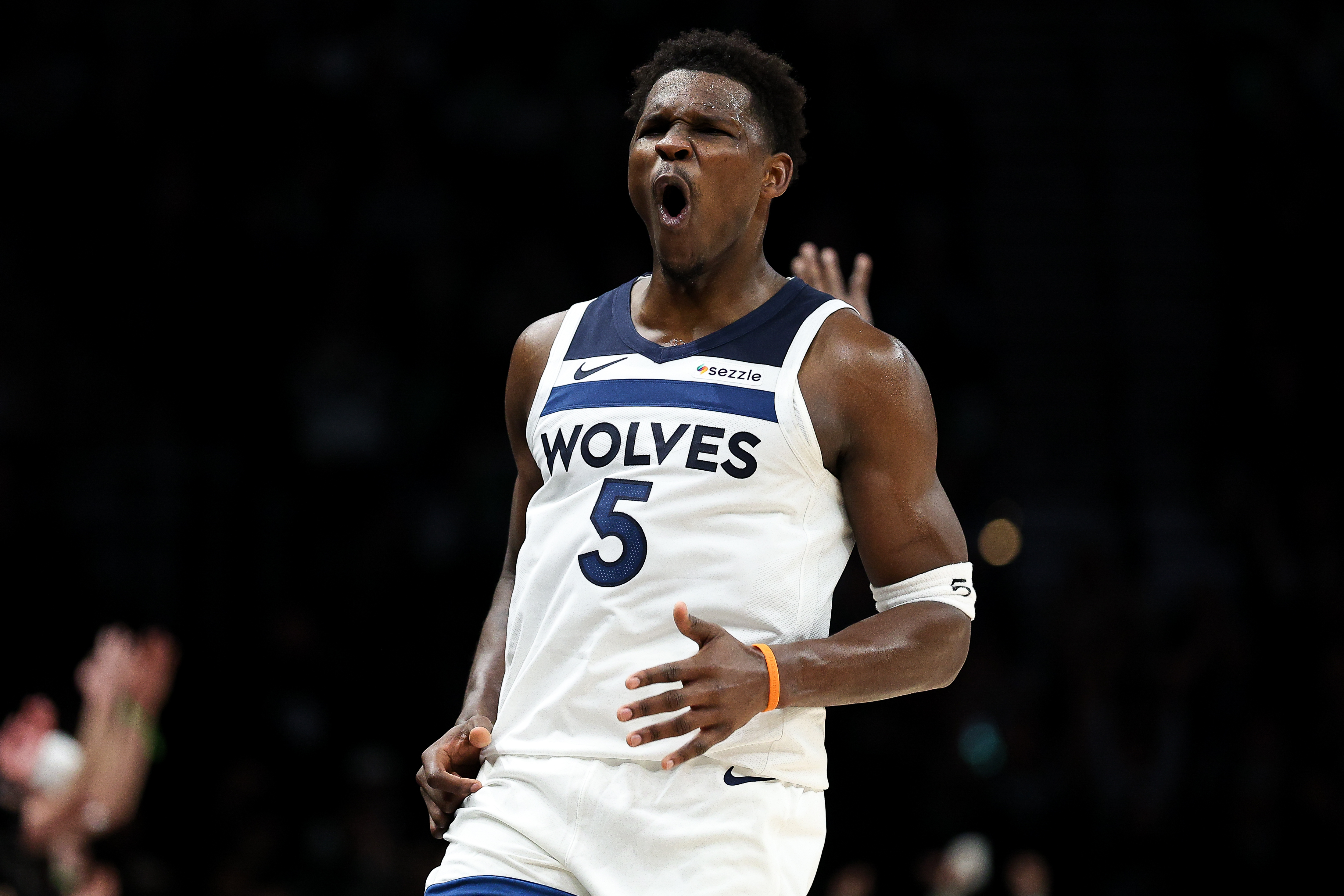
Anthony Edwards NBA Salary Explained: Contracts, Earnings, and Extensions
Anthony Edwards’s NBA salary is defined by a massive five-year designated rookie max extension signed with the Minnesota Timberwolves, which guarantees him upwards of $205 million and features incentive structures that can push his tot...
Anthony Edwards’s NBA salary is defined by a massive five-year designated rookie max extension signed with the Minnesota Timberwolves, which guarantees him upwards of $205 million and features incentive structures that can push his total compensation even higher based on All-NBA achievements.
Contents
Understanding the mechanics of modern National Basketball Association (NBA) contracts requires looking beyond the headline-grabbing totals. When examining star players like Anthony Edwards, the shooting guard for the Minnesota Timberwolves, compensation involves a complex interplay of the league's Collective Bargaining Agreement (CBA), maximum salary rules, performance incentives, and projected salary cap growth. As one of the premier young talents in professional basketball, Edwards’s earnings reflect both his exceptional on-court production and the financial mechanisms designed to keep elite players with their drafting franchises. This analysis breaks down the structure of Edwards's contracts, how rookie maximum extensions function under NBA rules, and the broader financial context of his career earnings.
The Foundation: The Rookie Scale Contract
To understand Anthony Edwards's current financial standing, it is necessary to examine how he entered the league and the rules governing initial professional contracts. Selected by the Minnesota Timberwolves as the number one overall pick in the 2020 NBA Draft out of the University of Georgia, Edwards entered the league under the strict guidelines of the NBA Rookie Scale.
Under the CBA, first-round draft picks sign slotted contracts that scale according to their draft position. The number one pick receives a mandated baseline salary for their first two seasons, with team options for the third and fourth years. For Edwards, this initial four-year rookie scale contract guaranteed him a fixed progression of earnings:
- Year 1 (2020–21): Approximately $10.1 million
- Year 2 (2021–22): Approximately $10.6 million
- Year 3 (2022–23): Approximately $11.1 million
- Year 4 (2023–24): Approximately $13.5 million
During these first four years, a player's salary is strictly controlled by the league's scale, preventing bidding wars among franchises and providing cost certainty for the drafting team. However, elite performance during this rookie window creates eligibility for a significant financial upgrade through a designated rookie contract extension.
The Designated Rookie Max Extension
In July 2023, prior to the start of the final year of his rookie scale contract, Anthony Edwards and the Minnesota Timberwolves agreed to a designated rookie max extension. This agreement fundamentally changed his career earnings trajectory, transitioning him from a slotted scale player to a maximum-salary cornerstone of the franchise.
The contract is structured as a five-year maximum extension. Under standard NBA rules, a rookie max extension starts at 25% of the league's salary cap for its first season. However, elite young players can qualify for a higher percentage (up to 30% of the salary cap) by meeting specific performance criteria during their first three seasons—a mechanism commonly known as the "Derrick Rose Rule."
Qualification Criteria for the 30% Max Tier
To elevate a rookie max extension from 25% to 30% of the salary cap, a player must achieve at least one of the following milestones in the season immediately preceding the extension or in two of the prior three seasons:
- Voted to an All-NBA team (First, Second, or Third) in the most recent season or two of the prior three seasons.
- Named the NBA Most Valuable Player (MVP) in any of the prior three seasons.
- Named the NBA Defensive Player of the Year (DPOY) in the most recent season or two of the prior three seasons.
Edwards met these criteria by earning an All-NBA selection (All-NBA Second Team for the 2023–24 season, which applied to the triggering mechanisms of his contract escalators). Consequently, his extension is projected to start at the higher 30% tier, carrying a total base value expected to exceed $205 million and potentially scaling higher depending on exact salary cap projections set by the league.
Breakdown of Edwards's Extension Salary Progression
Because maximum extensions are calculated as a percentage of the salary cap rather than a flat dollar amount, the exact annual figures fluctuate based on the official league salary cap announcements ahead of each fiscal year. The salary cap rises incrementally each season, bounded by the rules negotiated in the current Collective Bargaining Agreement.
| Contract Year | Approximate Salary | Cap Percentage Tier |
|---|---|---|
| 2024–25 | ~$42.3 Million | 30% Maximum |
| 2025–26 | ~$45.7 Million | 30% Maximum |
| 2026–27 | ~$49.1 Million | 30% Maximum |
| 2027–28 | ~$52.5 Million | 30% Maximum |
| 2028–29 | ~$55.9 Million | 30% Maximum |
Note: The exact figures listed above are projections based on standard annual salary cap increases governed by league revenue streams and CBA escalation limits.
Endorsements and Off-Court Earnings
While NBA salary represents the primary source of income for professional basketball players, elite athletes frequently supplement their team contracts with lucrative commercial partnerships and endorsement deals. Anthony Edwards’s status as a dynamic scorer, charismatic personality, and marketing focal point for the NBA has made him a high-profile figure for major brands.
In late 2020, Edwards signed a multi-year endorsement contract with Adidas. His partnership with the brand expanded significantly when Adidas launched his first signature sneaker line, the AE 1, in late 2023. The shoe received critical and commercial acclaim, driving substantial retail sales and elevating Edwards into a select tier of NBA players with active, signature footwear lines. Additional partnerships with sports beverage, technology, and apparel brands further contribute to his total annual compensation, though team salary remains the foundation of his wealth.
Tax Implications, Escrows, and Net Take-Home Pay
A common misconception among sports observers is that a player's gross contract value represents their net take-home earnings. In professional sports, several deductions reduce the headline figure before it reaches the player's bank account:
- Federal and State Income Taxes: Players pay taxes based on the federal bracket and the state/city where games are played (the "jock tax"). Minnesota features a state income tax rate that applies to earnings generated within the state.
- Escrow Withholding: Under the NBA CBA, approximately 10% of player salaries are withheld in an escrow account each season to ensure a 50-50 split of basketball-related income (BRI) between owners and players. Depending on league revenue performance at the end of the season, a portion or all of this escrow is returned to the players.
- Agent Commissions: NBA agents typically charge a fee ranging from 4% to 10% of the player's contract earnings, as permitted by the National Basketball Players Association (NBPA).
- Union Dues: Deductions are allocated to the NBPA to fund operational expenses and legal representation for players.
When accounting for these factors, a player earning a gross salary of $42 million typically nets roughly 50% to 55% of that amount after taxes, escrow adjustments, and professional fees.
Frequently Asked Questions
What is Anthony Edwards's current contract with the Minnesota Timberwolves?
Anthony Edwards is signed to a five-year designated rookie maximum contract extension that he agreed to in July 2023. The contract is projected to pay him upwards of $205 million, scaling up based on the annual growth of the NBA salary cap and his All-NBA qualifications.
How did Anthony Edwards qualify for the 30% max salary tier?
Players on rookie extensions can qualify for a maximum salary starting at 30% of the salary cap instead of the standard 25% by meeting performance criteria such as earning an All-NBA selection. Edwards achieved this by being named to an All-NBA team, unlocking the highest tier available under the rookie extension rules.
When does Anthony Edwards's contract expire?
His current five-year designated rookie extension runs through the conclusion of the 2028–29 NBA season, after which he will become eligible for a veteran maximum contract (often referred to as a "supermax" contract) if he continues to meet specific service and performance benchmarks.
Do NBA players receive their full salary if they are injured?
Yes. NBA contracts are fully guaranteed. If a player sustains a major injury or is unable to play, the team remains legally obligated to pay the full compensation outlined in the contract, provided the injury or condition did not stem from prohibited off-court activities specified in the CBA.
How do signature shoe deals impact an NBA player's income?
Signature shoe deals provide guaranteed base compensation alongside performance bonuses and a percentage of global retail sales for the player's footwear and apparel line. For star players like Anthony Edwards, these partnerships can generate millions of dollars annually in addition to their team-issued salaries.
Conclusion and Next Actions
Anthony Edwards’s salary structure illustrates the financial reward system built into the modern NBA for elite young talent. By combining a top-tier draft position, high-level on-court production, and performance milestones like All-NBA selection, Edwards maximized his earning potential through a designated rookie max extension. For observers tracking NBA economics, monitoring salary cap fluctuations, collective bargaining updates, and future veteran contract eligibility will provide the clearest picture of how elite player compensation continues to evolve.
Image Gallery