How to Choose the Best Business Checking Account for Your Company in 2026
Choosing the best business checking account requires balancing monthly maintenance fees and transaction limits against the specific operational needs of your industry. In 2026, the ideal choice usually hinges on whether your company pr...
Choosing the best business checking account requires balancing monthly maintenance fees and transaction limits against the specific operational needs of your industry. In 2026, the ideal choice usually hinges on whether your company prioritizes high-yield interest rates, seamless software integrations, or physical branch access for cash deposits and local relationship management.
Contents
Selecting the right financial partner is no longer just about finding a place to store capital. For modern enterprises, a checking account serves as the central hub for cash flow management, tax compliance, and payroll integration. As the banking landscape continues to evolve toward "embedded finance," the distinction between a simple bank account and a comprehensive financial operating system has blurred. This guide provides a technical deep dive into the criteria, types of institutions, and procedural steps necessary to secure the most efficient banking solution for your business.
The Critical Importance of Separating Business and Personal Finances
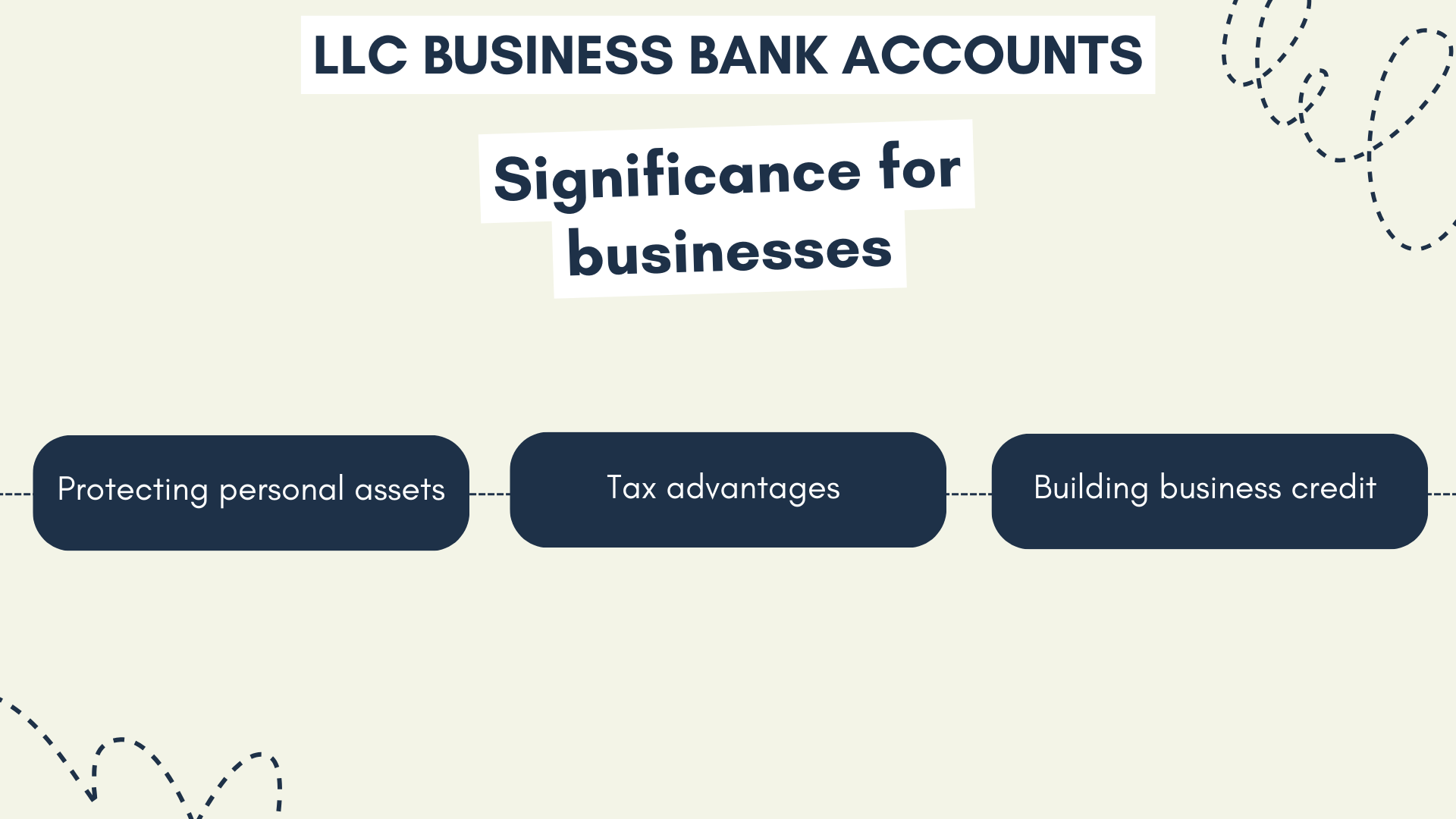
Before evaluating specific providers, it is vital to understand why a dedicated business checking account is a non-negotiable requirement for any entity beyond a casual hobby. From a legal and tax perspective, "piercing the corporate veil" is a significant risk for small business owners who commingle funds. If a business is sued or faces an audit, the lack of a distinct boundary between personal and business assets can lead to the loss of limited liability protection.
Furthermore, the Internal Revenue Service (IRS) emphasizes the necessity of accurate record-keeping. A dedicated account ensures that every transaction is documented as a business expense or revenue, simplifying the reconciliation process during tax season. In 2026, many business accounts offer automated tax-tagging features, which further reduce the administrative burden of manual accounting.
Defining Your Business Banking Profile
To choose the best account, you must first define your company's banking profile. Financial institutions structure their products based on different usage patterns. An e-commerce startup has vastly different needs than a local construction firm or a high-volume retail outlet.
Transaction Volume and Cash Handling
Most traditional banks offer tiered accounts based on the number of monthly transactions. A transaction usually includes checks paid, electronic transfers, and paper deposits. If your company processes hundreds of small payments daily, look for accounts with "unlimited" or high-cap transaction limits to avoid per-item fees that can range from $0.25 to $0.50 per transaction.
Conversely, if your business deals heavily in physical currency—such as a restaurant or laundromat—cash deposit limits are a primary concern. Many digital-only banks do not accept cash deposits directly, or they charge high fees for third-party retail deposit services. Traditional institutions typically offer a set amount of "free" cash processing (e.g., $5,000 to $20,000 per month) before applying fees.
Integration Requirements
In 2026, the best business checking accounts act as the "connective tissue" for your tech stack. Evaluate how well a bank integrates with:
- Accounting Software: Real-time synchronization with QuickBooks, Xero, or FreshBooks.
- Payroll Systems: Direct APIs to Gusto, ADP, or Rippling to ensure timely employee payments.
- Payment Processors: Smooth reconciliation with Stripe, PayPal, or Square.
Treasury Management and Interest Yield
With the stabilization of interest rates in 2026, many "High-Yield Business Checking Accounts" (HYBCA) now offer competitive APYs (Annual Percentage Yields). For companies maintaining large cash reserves, the ability to earn 3% to 4% interest on liquid funds can significantly offset operational costs. Some institutions also provide "sweep accounts," which automatically move excess cash into higher-interest money market funds overnight.
Comparing Financial Institution Types
The "best" bank depends heavily on the structure and geography of your operations. Here is a breakdown of the three primary categories of providers available in 2026.
1. National and Regional Traditional Banks
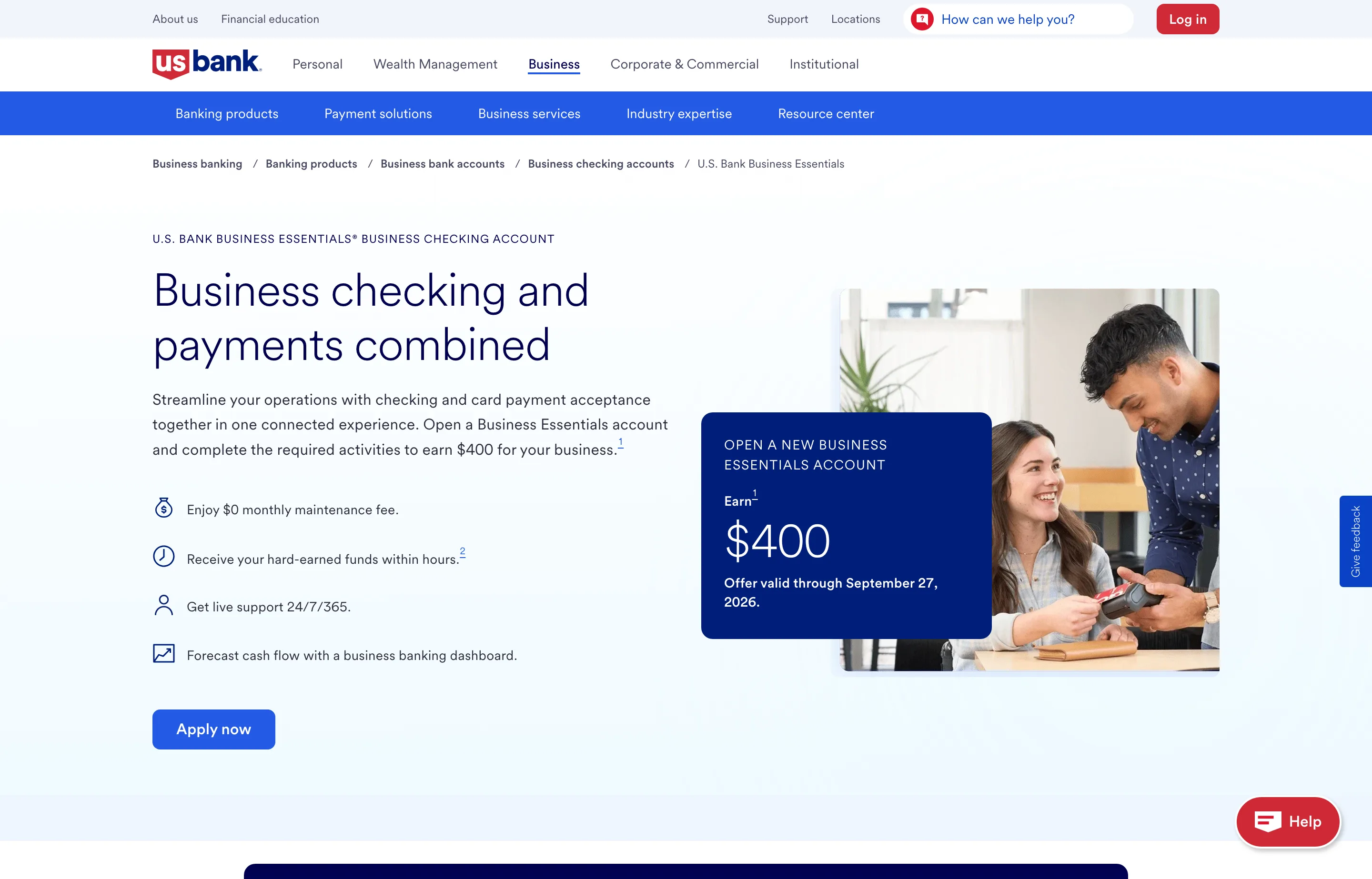
Traditional institutions like Chase, Bank of America, and Wells Fargo offer the widest range of services, including merchant services, specialized commercial lending, and international wire capabilities. They are ideal for businesses that require physical branches and a broad suite of financial products.
- Pros: Extensive ATM networks, in-person support, and high-limit commercial credit lines.
- Cons: Higher monthly fees (often $15–$30 unless high balances are met) and slower digital innovation.
2. Digital-Only Banks and Fintechs
Fintech platforms like Mercury, Bluevine, and Relay have revolutionized business banking by eliminating most common fees. These are often the best choice for startups, freelancers, and tech-forward companies.
- Pros: No monthly maintenance fees, superior mobile apps, and robust API integrations.
- Cons: No physical branches, limited or expensive cash deposit options, and sometimes lower limits on wire transfers.
3. Community Banks and Credit Unions
Local institutions often provide the most personalized service. They are frequently more willing to work with small businesses on loans and lines of credit based on local market knowledge rather than just a credit score.
- Pros: Lower fees than national banks, community-focused lending, and excellent customer service.
- Cons: Limited technology budgets and fewer branches outside their home region.
2026 Business Checking Account Comparison Matrix
The following table compares the typical features of the three main categories of business checking providers to help narrow your search.
| Feature | Traditional National Bank | Digital Fintech/Neobank | Local Credit Union |
|---|---|---|---|
| Best For | Large scale & cash-heavy biz | Tech startups & freelancers | Small local businesses |
| Monthly Fees | $15 - $125 (Waivable) | $0 (Usually) | $0 - $15 (Low) |
| Cash Deposit Support | Excellent (Branch/ATM) | Limited (Via 3rd party) | Good (Local Branch) |
| Software Integrations | Moderate / Improving | Native & Advanced | Basic / Limited |
| Interest on Balances | Low (Tiered) | High (Competitive APY) | Moderate |
| Lending Products | Comprehensive | Often Partner-Based | High Approval Rates |
| Wire Transfer Fees | $25 - $45 per outgoing | Often $0 or low cost | $15 - $30 |
Steps to Open a Business Checking Account
Once you have selected a provider, the application process in 2026 is largely digital, though traditional banks may still require an in-person visit for high-security accounts or specialized entities.
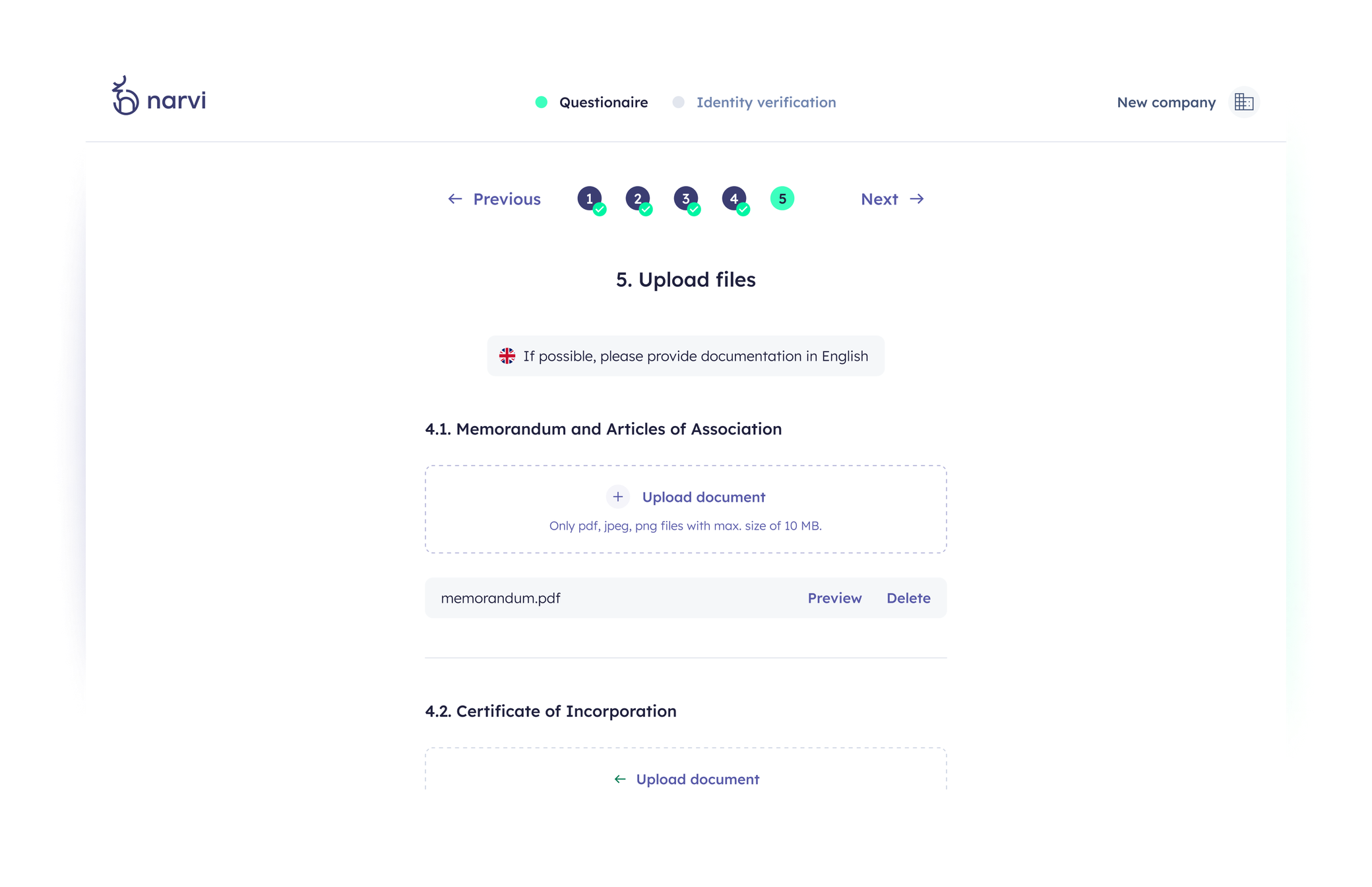
Step 1: Gather Required Documentation
The Small Business Administration (SBA) and federal "Know Your Customer" (KYC) regulations require specific documents to verify the identity of the business and its owners.
- Employer Identification Number (EIN): Or a Social Security Number if you are a sole proprietor.
- Business Formation Documents: Articles of Incorporation, Partnership Agreements, or Operating Agreements.
- Ownership Information: Names, addresses, and IDs for all "beneficial owners" (typically anyone with 25% or more equity).
- Business Licenses: Any state or local permits required to operate your specific trade.
Step 2: Determine Your Opening Deposit
While many neobanks allow accounts to be opened with $0, traditional banks often require an initial deposit ranging from $25 to $1,000. Ensure these funds are transferred from a verified personal account or a previous business account.
Step 3: Configure User Permissions
For companies with multiple employees, a key technical step is setting up tiered access. You may want your bookkeeper to have "view-only" access while giving your operations manager the ability to initiate (but not approve) payments. This internal control is essential for preventing fraud.
Common Pitfalls and Hidden Costs
Even "free" accounts can have hidden expenses that erode your margins. When reviewing the Fee Schedule (a document legally required by the Consumer Financial Protection Bureau (CFPB)), look for the following:
- Inactivity Fees: Charges applied if no transactions occur within a 90-day period.
- ACH Return Fees: Costs incurred if a payment is rejected due to insufficient funds or incorrect routing.
- International Transaction Fees: Often a percentage (1% to 3%) of the total purchase amount when using business debit cards abroad.
- Paper Statement Fees: Many banks now charge $2 to $5 per month if you do not opt into electronic-only statements.
Frequently Asked Questions
Can I use a personal checking account for my business?
While sole proprietors can legally use a personal account, it is strongly discouraged. Using a personal account makes it difficult to track business profitability, complicates tax filing, and creates significant liability risks. Most banks also have terms of service that prohibit using personal accounts for high-volume commercial activity, which could lead to your account being frozen.
What is the difference between a business checking and a business savings account?
A business checking account is designed for high-frequency transactions—paying bills, receiving customer payments, and managing payroll. A business savings account is designed for holding surplus capital. In 2026, many companies keep the majority of their funds in a high-yield savings account and "sweep" only the necessary funds into checking to maximize interest earnings.
How do I switch business bank accounts without disrupting operations?
To switch accounts, first open the new account and fund it. Update your merchant processor (e.g., Stripe) and payroll provider settings. Keep your old account open for at least 60 to 90 days with a small balance to catch any "zombie" recurring payments or outstanding checks. Once three full cycles have passed without activity, you can safely close the old account.
Are digital banks safe for large business balances?
Yes, provided they are FDIC-insured. Most reputable neobanks are either licensed banks themselves or partner with an FDIC-insured institution to provide coverage up to $250,000 per depositor. In 2026, some platforms offer "extended FDIC coverage" by spreading deposits across a network of banks, protecting balances up to $5 million or more.
Final Recommendation: How to Decide
If your company is a service-based startup or a digital agency, a fintech-led business checking account (like Mercury or Bluevine) is likely the best choice due to low fees and high-speed integrations. However, if your business requires frequent cash deposits or complex commercial lending, a regional or national bank remains the gold standard for its infrastructure and relationship-based perks. Before signing, always compare the "total cost of ownership"—adding up monthly fees, wire costs, and lost interest—rather than just looking at the sticker price.
Image Gallery