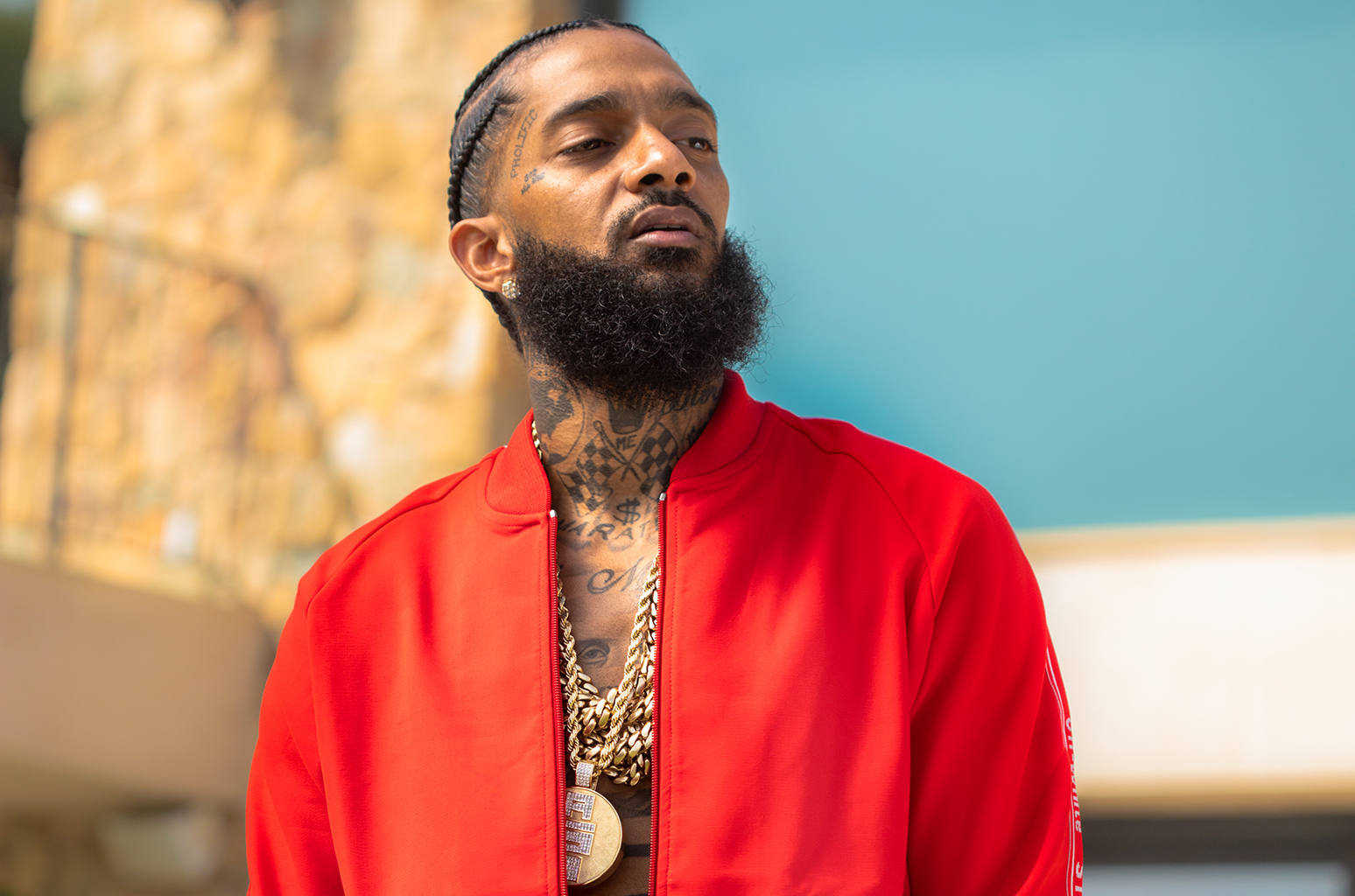
Nipsey Hussle’s Death and the Global Legacy of a Hip Hop Icon
Nipsey Hussle, born Ermias Joseph Asghedom, was fatally shot on March 31, 2019, outside his store, The Marathon Clothing, in South Los Angeles. Beyond his music, his legacy in 2026 remains a definitive blueprint for economic empowermen...
Nipsey Hussle, born Ermias Joseph Asghedom, was fatally shot on March 31, 2019, outside his store, The Marathon Clothing, in South Los Angeles. Beyond his music, his legacy in 2026 remains a definitive blueprint for economic empowerment, community reinvestment, and independent ownership within the global hip hop industry.
Contents
The Circumstances of March 31, 2019
The death of Nipsey Hussle was not merely a loss of a talent but a profound shock to the fabric of South Los Angeles. On the afternoon of March 31, 2019, Hussle was at his flagship store at the corner of Slauson Avenue and Crenshaw Boulevard—a location he had transformed from a site of personal struggle into a hub of local commerce. He was there to assist a friend recently released from prison, reinforcing his reputation for "boots-on-the-ground" community support.
The incident involved Eric Holder Jr., an acquaintance who engaged in a brief verbal dispute with Hussle. Holder left the scene only to return with two handguns, firing multiple shots that struck Hussle and two others. Nipsey Hussle was pronounced dead at the hospital shortly thereafter. The investigation revealed that the confrontation was not a coordinated "hit" but rather the result of a personal grievance escalated by the volatility of street politics.
In the years following the tragedy, the legal system provided a measure of closure. In 2022, Eric Holder Jr. was convicted of first-degree murder, and in early 2023, he was sentenced to 60 years to life in prison. While the legal proceedings concluded, the vacuum left by Hussle’s absence catalyzed a nationwide conversation regarding the safety of high-profile individuals who choose to remain physically accessible to the communities they aim to uplift.
The Marathon Continues: A Business Philosophy
To understand Nipsey Hussle’s legacy, one must analyze the "Marathon" philosophy. Unlike many artists who sought the fastest route to fame, Hussle focused on long-term sustainability and vertical integration. He famously viewed his career as a long-distance race rather than a sprint, a sentiment that resonates even more strongly in 2026 as the music industry continues to grapple with the ethics of artist compensation.
The $100 Mixtape Strategy
One of the most pivotal moments in his career was the 2013 release of the Crenshaw mixtape. Utilizing a strategy he called "Proud to Pay," Hussle sold 1,000 hard copies of the project for $100 each. This move bypassed traditional distribution hurdles and established a direct, high-value connection with his core audience. Jay-Z’s subsequent purchase of 100 copies validated this "scarcity and value" model, proving that independent artists could command premium prices if they cultivated a loyal enough community.
Ownership and Intellectual Property
Nipsey was a staunch advocate for master recording ownership. In an industry notorious for predatory contracts, he negotiated a partnership with Atlantic Records for his debut studio album, Victory Lap, that allowed him to maintain control over his intellectual property while leveraging the major label’s distribution machine. This "All Money In" (his record label) mentality has since become the gold standard for independent artists seeking to scale without relinquishing their soul or their equity.
Community Reinvestment and "Too Big To Fail"
Nipsey Hussle’s legacy is unique because it is anchored in physical real estate and social infrastructure. He did not just talk about South Los Angeles; he bought it. Along with business partner David Gross, Hussle purchased the plaza where The Marathon Clothing was located, intending to develop it into a mixed-use residential and commercial complex.
Vector90 and STEM Initiatives
Recognizing the "opportunity gap" in inner cities, Hussle co-founded Vector90, a co-working space and grass-roots incubator in the Crenshaw District. The goal was to provide local youth with access to high-level technology and networking, effectively bridging the gap between Silicon Valley and the inner city. His "Too Big To Fail" initiative focused on STEM (Science, Technology, Engineering, and Math) education, aiming to give marginalized youth the tools to compete in the 21st-century economy.
Destination Crenshaw
Hussle was a primary visionary for Destination Crenshaw, a 1.3-mile-long open-air museum and vibrant public art project celebrating Black activism and culture in Los Angeles. By 2026, this project has become a major cultural landmark, ensuring that the history of the neighborhood is preserved despite the rising pressures of gentrification. His involvement in this project demonstrated a sophisticated understanding of how art can be used as a tool for political and social resistance.
The Artistic Impact of Victory Lap
Musically, Nipsey Hussle was the heir to the West Coast G-funk legacy, but he updated the sound with a more focused, entrepreneurial lyrical content. His debut studio album, Victory Lap, released in 2018, was nominated for Best Rap Album at the 61st Grammy Awards. The album is widely considered a modern classic, blending street narratives with high-level business advice—often referred to by fans as "hustle motivation."
His posthumous honors include two Grammy Awards in 2020 for "Racks in the Middle" and "Higher." These accolades served as a formal recognition of his technical skill and his ability to collaborate across genres, working with legends like DJ Khaled and John Legend. In 2026, Victory Lap continues to chart and influence new generations of rappers who prioritize substance and narrative over viral trends.
Comparing Traditional Music Models vs. The Marathon Model
The following table outlines the fundamental differences between the industry standard and the strategic path Nipsey Hussle blazed.
| Feature | Traditional Industry Model | Nipsey Hussle’s "Marathon" Model |
|---|---|---|
| Revenue Stream | Primarily streaming and touring royalties. | Diversified: Real estate, tech, and retail. |
| IP Ownership | Label typically owns the master recordings. | Artist retains masters and controls licensing. |
| Community Tie | Artists often move away from their roots. | Heavy investment in original neighborhood. |
| Success Metric | First-week sales and chart positions. | Longevity, equity, and community impact. |
| Marketing | Massive label-driven ad spend. | Direct-to-consumer "Proud to Pay" loyalty. |
Frequently Asked Questions
What was the official cause of Nipsey Hussle's death?
Nipsey Hussle died from multiple gunshot wounds to the head and torso. The Los Angeles County Department of Medical Examiner-Coroner ruled the death a homicide. The shooting occurred in broad daylight in a public space, which contributed to the rapid spread of news and subsequent public mourning.
Who was convicted of his murder?
Eric Holder Jr. was convicted of first-degree murder in July 2022. The trial revealed that the two had a brief conversation regarding rumors of "snitching" before Holder returned with weapons. Holder was also convicted of two counts of attempted voluntary manslaughter, as two other people were injured during the attack.
What is the status of The Marathon Clothing store today?
As of 2026, the original storefront at Slauson and Crenshaw has transitioned into a memorial site and a symbol of community resilience, while the brand itself has expanded globally through e-commerce and flagship locations in other cities. The Asghedom family continues to manage the brand, ensuring that the quality and message remain consistent with Nipsey's original vision.
Why is Nipsey Hussle considered a "Hip Hop Icon"?
Hussle is considered an icon because he successfully merged the roles of artist, activist, and entrepreneur. He proved that a rapper could be a "neighborhood hero" by creating jobs and buying property in their community, rather than just using their wealth for personal luxury. His influence is seen in how current artists approach their contracts and community engagement.
How did "The Marathon Continues" become a global movement?
Initially a slogan for his mixtapes, "The Marathon Continues" (TMC) evolved into a lifestyle brand and a motivational philosophy. It represents the idea that progress is a long-term commitment and that setbacks are merely parts of the race. The phrase has been adopted by athletes, entrepreneurs, and activists worldwide as a mantra for perseverance.
Next Steps for Those Inspired by His Legacy
To truly honor the legacy of Nipsey Hussle, one should look beyond the music and toward his practical applications of "community wealth building."
- Study the Blueprint: Review the "All Money In" business model. It emphasizes self-funding projects to retain creative control and financial equity.
- Support Independent Commerce: Seek out and patronize businesses that are owned by and located within the communities they serve.
- Invest in Education: Support organizations like Vector90 or local STEM programs that provide technical training to underrepresented youth.
- Practice Strategic Patience: Apply the "Marathon" mindset to your own career or personal goals, prioritizing sustainable growth over immediate, temporary gains.
Nipsey Hussle’s life was cut short, but his influence remains an active force in 2026. He demonstrated that the ultimate "victory lap" is not just personal success, but the lifting of an entire community along the way.
Image Gallery