Understanding the Latin Verb Ferre and the Suffix -fer in English Etymology
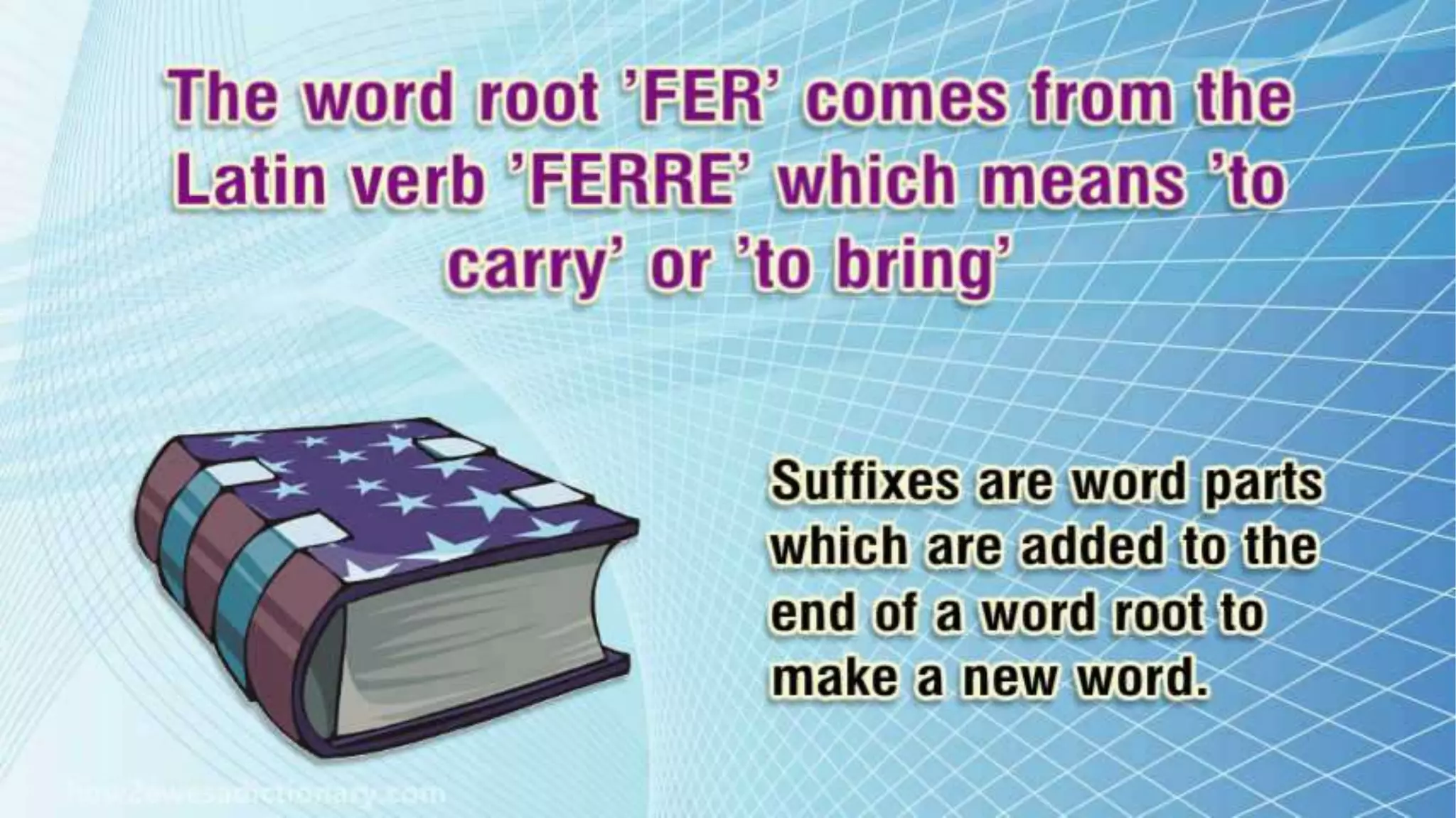
The Latin verb ferre, meaning "to carry," "to bear," or "to bring," serves as one of the most prolific foundations in the English language. As both a root and a functional suffix, it underpins hundreds of words—from technical scientifi...
The Latin verb ferre, meaning "to carry," "to bear," or "to bring," serves as one of the most prolific foundations in the English language. As both a root and a functional suffix, it underpins hundreds of words—from technical scientific terms like "aquifer" to everyday verbs like "offer" and "prefer"—bridging ancient linguistics and modern communication.
Contents
The Linguistic Origin: From Proto-Indo-European to Latin
To understand the modern utility of fer, one must look back to the Proto-Indo-European (PIE) root *bher-. This ancient root is the direct ancestor of the Latin ferre, the Greek phérein, and the Germanic (and thus English) word "bear." In the transition to Latin, this root became the basis for an irregular third-conjugation verb that was essential to Roman daily life, law, and philosophy.
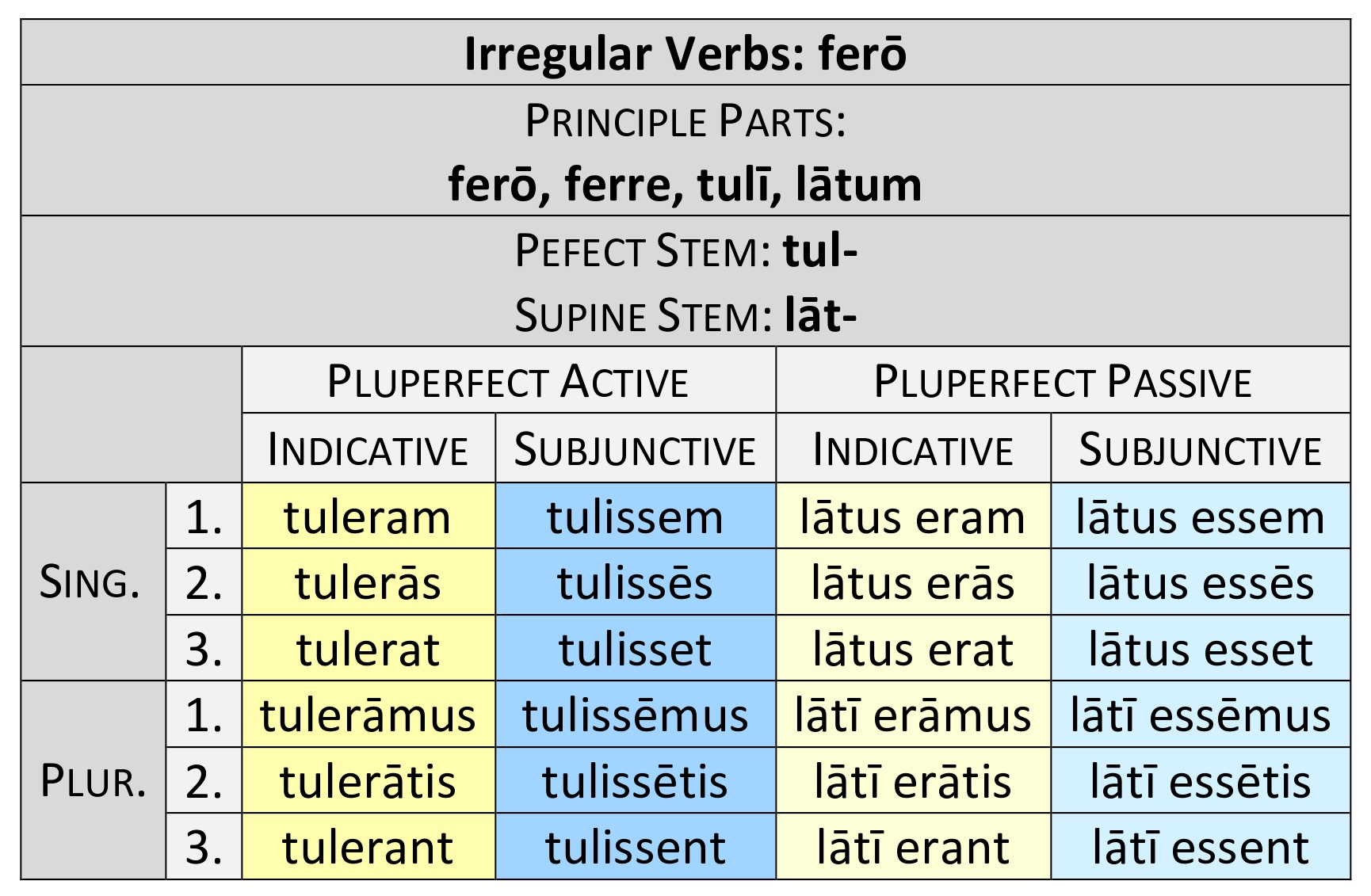
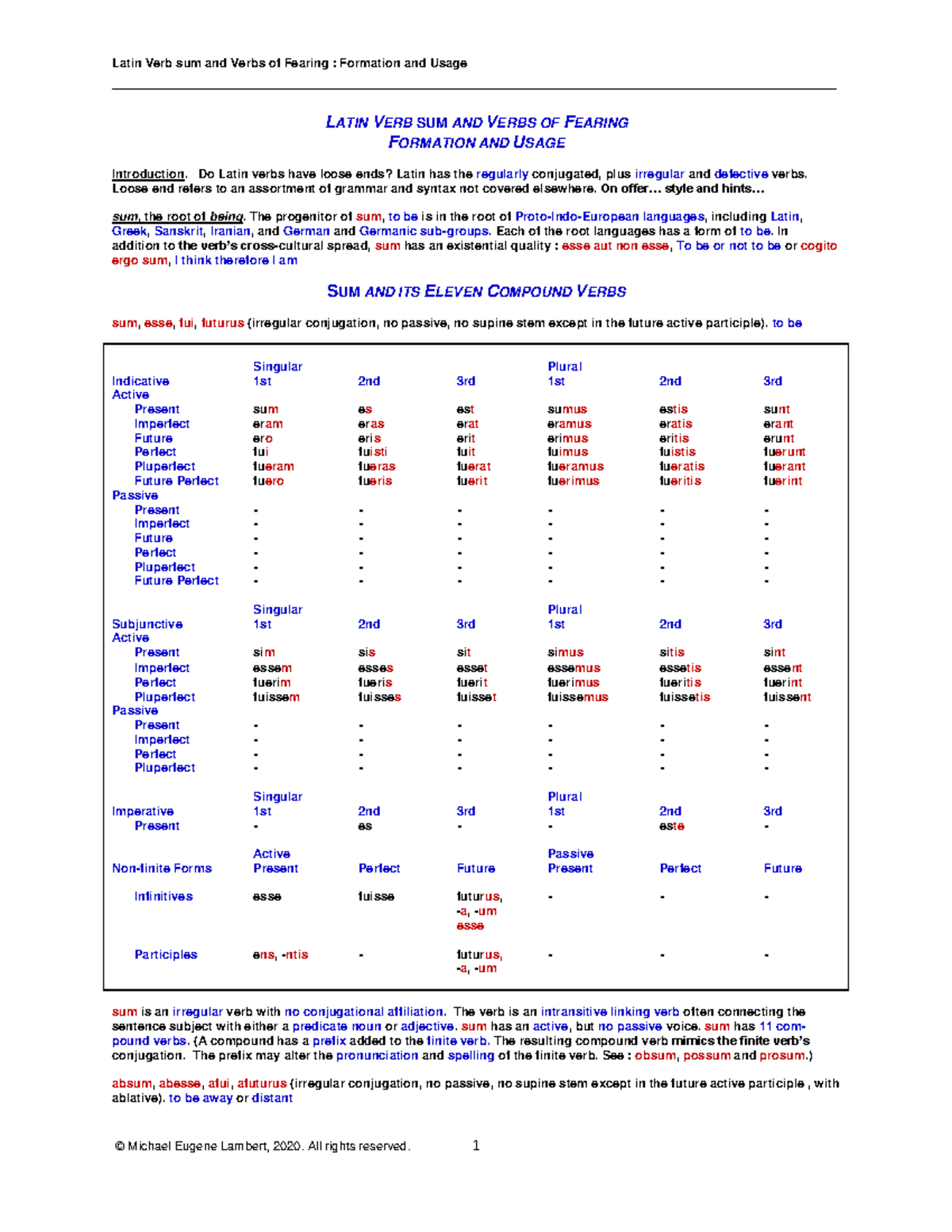
The Latin verb ferre is famously "suppletive," meaning its different tenses are formed from entirely different roots. In a standard dictionary entry for the verb, you will find four principal parts: fero (I carry), ferre (to carry), tuli (I have carried), and latum (carried). This irregularity is why English has two distinct sets of words derived from the same concept. For example, "transfer" (using the fer root) and "translation" (using the lat root) both technically mean "to carry across," yet they serve different semantic functions in modern English.
By 2026, linguistic studies continue to highlight ferre as a primary example of how high-frequency verbs in parent languages retain their influence through sheer utility. The "carrying" action was so fundamental to human activity that the root was adapted to describe physical movement, mental processes, and even social hierarchies.
The Morphology of the Suffix -fer and -ferous
While the root often appears in the middle of verbs, it frequently functions as a suffix or a combining form in English, typically appearing as -fer or -ferous. In this capacity, it transforms a noun into an adjective or a noun that describes something that "bears" or "produces" a specific substance or quality.
The Agentive Suffix -fer
In scientific and technical nomenclature, the suffix -fer identifies a thing that carries or contains something else.
- Aquifer: Derived from aqua (water) + fer. Literally, a geological formation that "carries" or holds water.
- Conifer: Derived from conus (cone) + fer. A tree that "bears" cones.
- Lucifer: Derived from lux (light) + fer. Historically, the "light-bringer," referring to the morning star (Venus) before its later theological associations.
The Adjectival Suffix -ferous
When the root is used to form adjectives, it often takes the form -ferous, meaning "bearing," "producing," or "yielding."
- Auriferous: Yielding gold (aurum).
- Carboniferous: Bearing or producing carbon or coal.
- Vociferous: Carrying a loud voice; making a noisy outcry.
The distinction between the verb root and the suffix is essential for technical writing. In 2026, these terms remain standard in geology, botany, and chemistry, providing a precise shorthand for describing the properties of materials and organisms.
The Logic of Prefixes: How Fer Transforms Meaning
The most common way English speakers encounter the Latin root fer is through its combination with various Latin prefixes. These combinations create "directional" meanings that have evolved into abstract concepts. Understanding these prefixes allows a reader to deconstruct complex vocabulary without a dictionary.
Movement and Direction
- Transfer (trans- + fer): Trans means "across." To transfer is to carry something from one place to another.
- Circumference (circum- + fer): Circum means "around." The circumference is the line that is "carried around" a circle.
- Efferent (ex- + fer): Ex means "out." In biology, efferent nerves are those that carry impulses "out" from the central nervous system.
Mental and Social Processes
- Infer (in- + fer): To "carry in" a conclusion. When we infer, we bring in a logical deduction based on evidence.
- Defer (de- + fer): De can mean "down" or "away." To defer is to carry a matter away to a later time (postpone) or to "bring oneself down" in respect to another's opinion.
- Confer (con- + fer): Con means "together." To confer is to bring ideas together in a meeting or to "bring" an honor upon someone.
Offers and Obstacles
- Offer (ob- + fer): The prefix ob- (toward/against) assimilates to of- before the letter f. To offer is to "bring toward" someone for acceptance.
- Suffer (sub- + fer): Sub means "under." To suffer is to "bear under" a burden, pain, or hardship.
Comparative Word Formation Table
The following table demonstrates how the addition of Latin prefixes to the root fer creates distinct English verbs and their corresponding meanings.
| Prefix | Latin Meaning | English Verb | Etymological Meaning | Modern Definition |
|---|---|---|---|---|
| Ad- | To / Toward | Offer | To bring toward | To present for acceptance or rejection. |
| Con- | Together | Confer | To bring together | To consult together or bestow an honor. |
| De- | Away / Down | Defer | To carry away | To put off to a later time; to yield. |
| Dis- | Apart / Aside | Differ | To carry apart | To be unlike or to disagree. |
| In- | Into / Upon | Infer | To carry into | To derive a conclusion from facts. |
| Pre- | Before | Prefer | To carry before | To set above others in estimation. |
| Re- | Back / Again | Refer | To carry back | To direct attention to a source. |
| Trans- | Across | Transfer | To carry across | To move from one place to another. |
The Suppletive Connection: Why "Refer" becomes "Reference"
A common point of confusion for students of English etymology is why some derivatives of ferre change their spelling so drastically. As mentioned, the fourth principal part of the Latin verb is latum. This is known as the "participial stem."
When we turn a "fer" verb into a noun or a specific type of adjective, we often jump to the lat root.
- Relate: The past participle of refer. While you "refer" to a book, the "relation" is the connection carried back.
- Translate: The noun/adjectival form of a "transfer" of language. You transfer the meaning to create a translation.
- Elate: From ex- (out) + latus. To be "carried out" of oneself with joy.
This dual-root system is a hallmark of Latin influence. In 2026, digital linguistic tools and AI-driven etymology databases often use these patterns to map semantic relationships between words that may not look similar to the untrained eye but share a common "carrying" ancestor.
Practical Applications for Vocabulary Building
For professionals in law, medicine, and the sciences, mastering the root fer is not merely an academic exercise. It serves as a diagnostic tool for understanding new terminology.
- Legal and Formal Contexts: When a judge asks for a "proffered" piece of evidence, they are looking for something "brought forward" (pro- + ferre). Recognizing the root helps in understanding the motion of the legal process.
- Medical Terminology: Understanding the difference between "afferent" (carrying toward) and "efferent" (carrying away) is fundamental in neurology and physiology.
- Scientific Classification: In biology, knowing that "porifera" (sponges) comes from porus (pore) + ferre tells you immediately that these organisms are "pore-bearers."
By focusing on the root, learners can move away from rote memorization. Instead of learning ten different words, one learns one root and ten prefixes, which exponentially increases their "etymological intelligence."
Common Pitfalls and Clarifications
It is important to distinguish the Latin fer from other similar-sounding roots. For instance, the "fer" in "ferrous" (relating to iron) comes from the Latin ferrum, not ferre. While both are Latin, they are unrelated. Similarly, "feral" comes from ferus (wild), also an unrelated root.
Furthermore, the pronunciation of "fer" can shift depending on word stress. In "refer" and "defer," the emphasis is on the root, whereas in "preference" or "inference," the emphasis shifts to the prefix, often changing the vowel quality. However, the underlying meaning of "carrying" or "bearing" remains the constant thread that ties these words together.
Summary and Next Actions
The Latin verb ferre and its suffix forms represent one of the most stable and productive elements of English vocabulary. From the physical act of "transferring" a package to the mental act of "inferring" a motive, the concept of "carrying" is embedded in how we describe movement, thought, and existence.
Recommended Actions for Further Mastery:
- Analyze your reading: When you encounter a word with "fer" in it, try to identify the prefix and see if the "carrying" definition fits.
- Explore the "Lat" counterparts: Look up the "lat" versions of your favorite "fer" verbs (e.g., Collate for Confer) to see how the two roots divide the labor of meaning.
- Consult Authority Sources: For deep dives into specific word histories, resources like the Oxford English Dictionary or the Online Etymology Dictionary provide exhaustive records of how these roots transitioned from Latin into Old French and finally into English.
Frequently Asked Questions
What is the difference between -fer and -ferous? Generally, -fer is used to form nouns (like aquifer or conifer) that identify the agent carrying something. -ferous is used to form adjectives (like odoriferous or pestiferous) that describe the quality of bearing or producing something.
Are "ferry" and "ferre" related? Yes, they share an ancient Proto-Indo-European ancestor. While "ferry" comes from the Old English ferian (to carry), it is a cognate of the Latin ferre. Both stem from the PIE root bher-.
Why do some "fer" words change to "lat" in their noun form? This is due to Latin "suppletion." The verb ferre used different roots for different tenses. English inherited both roots, using fer for most verbs and lat (from the past participle latus) for many related nouns and adjectives, such as refer/reference vs. relate/relation.
Is "infer" the same as "imply"? No. Etymologically, "imply" means to "fold in" (in + plicare), while "infer" means to "carry in" (in + ferre). A speaker implies (folds a meaning into their words), and a listener infers (carries that meaning into their own understanding).
Image Gallery