Understanding the Coverage Gap: What a Lapse in Car Insurance Means for Drivers
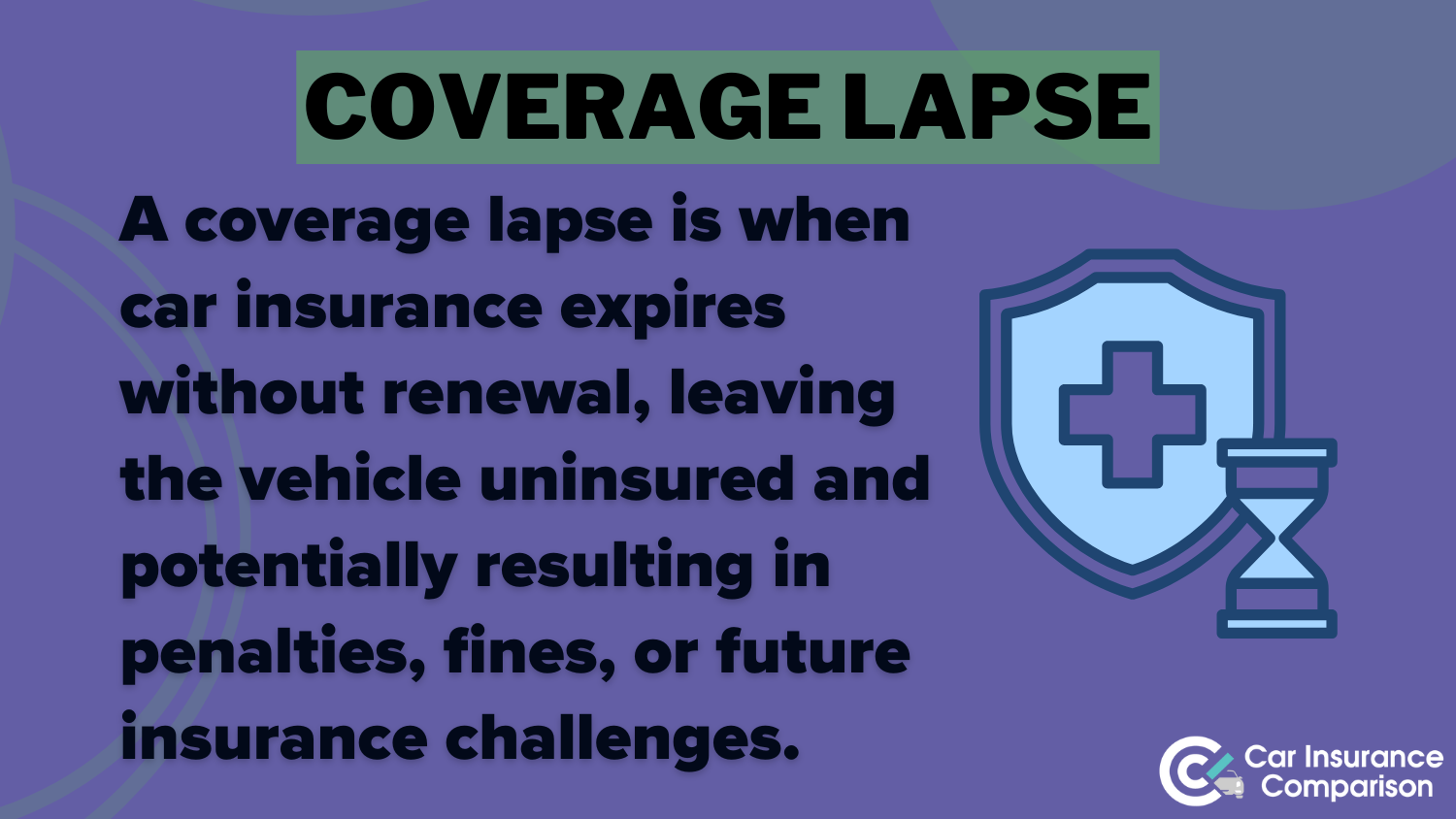
A lapse in car insurance occurs when your policy expires, cancels, or is terminated without an immediate replacement, leaving your vehicle completely uninsured. This gap in coverage exposes drivers to severe financial liabilities, skyr...
A lapse in car insurance occurs when your policy expires, cancels, or is terminated without an immediate replacement, leaving your vehicle completely uninsured. This gap in coverage exposes drivers to severe financial liabilities, skyrocketing future premium rates, state-mandated penalties, and potential legal consequences if an accident occurs during the uninsured period.
Contents
Navigating the complexities of auto insurance requires constant vigilance. When a payment is missed, a policy hits its expiration date without renewal, or an insurance carrier cancels a contract due to risk adjustments, a dangerous legal and financial vacuum is created. For many motorists, discovering this void happens too late—often after a traffic stop, a license suspension notice from the Department of Motor Vehicles (DMV), or, worst of all, a collision. Comprehending why a lapse happens, how state tracking systems catch it, and what steps are necessary to bridge the gap can protect both your driving record and your financial stability.
Anatomy of a Coverage Gap: How and Why Policies Lapse
An insurance lapse is rarely a sudden mystery; it is typically the result of administrative oversights, financial strain, or communication breakdowns between the policyholder and the insurer. Understanding the root causes helps drivers prevent unintentional gaps before they trigger automated penalties.
The most common catalyst for a lapse is non-payment of premiums. When a monthly or semi-annual payment fails due to an expired credit card, insufficient bank funds, or a missed invoice, insurance companies generally issue a grace period. This grace period—ranging anywhere from 10 to 30 days depending on state regulations and insurer policy—allows time to settle the balance. However, if the grace period lapses without payment, the policy is retroactively canceled or terminated as of the original due date, creating an immediate gap.
Another frequent cause is failure to renew. Auto insurance policies are temporary contracts, typically lasting six or twelve months. If a renewal notice goes unread or a driver decides to shop around for a new carrier but delays finalizing the new policy, the old contract expires before the new one takes effect. Even a gap of a single day constitutes a legal lapse in coverage.
Finally, carrier-initiated cancellations or non-renewals can catch drivers off guard. An insurer may drop a policy due to multiple traffic infractions, a series of at-fault accidents, or a decision by the company to withdraw from a specific geographic market. If the notification letter is sent to an outdated mailing address, the policyholder may drive unaware that their protection has evaporated.
The Immediate and Long-Term Consequences of Being Uninsured
The fallout from a lapse in car insurance extends far beyond the immediate absence of accident protection. Because auto insurance is legally required in nearly every jurisdiction, federal, state, and corporate systems are engineered to penalize drivers who step outside the system.
Financial Liabilities and Out-of-Pocket Costs
If you are involved in an accident during a coverage gap, you are personally liable for all damages and injuries. Without an insurer to handle third-party claims or repair your own vehicle, a single collision can result in tens of thousands of dollars in debt, potential lawsuits, and asset seizure. Furthermore, collision and comprehensive coverages are completely inactive, meaning damage from weather, theft, or vandalism must be paid out of pocket.
State Penalties and DMV Enforcement
Modern Department of Motor Vehicles offices utilize electronic verification systems that cross-reference vehicle registrations with active insurance databases. When a policy is canceled, insurers are legally mandated to report the termination to the state. This triggers automated administrative penalties, which typically include:
- Heavy monetary fines that increase with the duration of the lapse.
- Suspension or revocation of vehicle registration and license plates.
- Suspension of the driver’s license, requiring formal reinstatement procedures.
- Mandatory submission of an SR-22 or FR-44 financial responsibility form, which proves future compliance.
The Impact on Future Insurance Rates
Insurers view a lapse in coverage as a primary indicator of high risk. Statistical models correlate gaps in insurance with a higher likelihood of future claims and defaults. Consequently, when you attempt to secure a new policy after a lapse, carriers often categorize you as a "high-risk" driver. This classification leads to significantly higher insurance premiums—sometimes doubling or tripling your rates—for a period of three to five years, even if you maintained a clean driving record otherwise.
Comparing Insurer Responses to Lapses
Different insurance providers view gaps in coverage through varying risk lenses. The duration of the lapse and the reason behind it dictate how carriers price new policies or whether they will offer coverage at all.
| Lapse Duration | Insurer Risk Assessment | Typical Premium Impact | Policy Availability |
|---|---|---|---|
| 1 to 10 Days | Administrative oversight or minor billing delay | Minimal to moderate increase | Readily available with standard tier carriers |
| 11 to 30 Days | Moderate risk; potential lapse in vehicle operation | Moderate to high surcharge | Available, though standard discounts may be lost |
| 31 to 90 Days | High risk; indicates potential uninsured driving | Substantial rate hikes (20% to 50%+) | Restricted to non-standard or specialty insurers |
| 90+ Days | Severe risk; major underwriting red flag | Maximum penalty rates; SR-22 filing required | Limited options; high-risk pools only |
Navigating the Re-Entry Process: How to Fix a Lapse
Discovering a lapse in your car insurance requires immediate, decisive action to minimize legal penalties and restore protection. Hesitating can compound fines and extend the period of vulnerability.
The first step is to secure coverage immediately. Contact a licensed insurance agent or broker to obtain a new policy. Be completely transparent about the lapse; attempting to falsify the start date or conceal the gap constitutes insurance fraud, which carries severe legal and financial repercussions. Even if standard carriers decline to quote you due to the recent gap, non-standard auto insurance providers specialize in high-risk drivers and can provide compliant coverage.
Once a new policy is active, contact your state's DMV or motor vehicle department. Many states require proof of continuous insurance or a paid reinstatement fee to clear flags on your driving record and lift registration suspensions. If an SR-22 form is required, instruct your new insurer to file it directly with the state on your behalf. This document is not a type of insurance, but rather a certificate of financial responsibility that forces your insurer to notify the state immediately if your policy lapses again.
Finally, review your payment structures to prevent future occurrences. Enroll in automatic debit programs, opt for electronic notifications rather than physical mail, and establish calendar alerts a few weeks before your policy renewal date to ensure seamless continuity.
Frequently Asked Questions About Insurance Lapses
What happens if my car insurance lapses for just one day?
Even a one-day lapse is legally recognized as a period of uninsured status. While automated state systems sometimes have buffers for processing paperwork, insurers and the DMV treat any un-insured calendar day as a technical breach of financial responsibility laws. It can prevent you from qualifying for claims-free discounts and may trigger a minor rate adjustment.
Can I buy retroactive car insurance to cover an accident that already happened?
No. Retroactive insurance does not exist. Insurance companies strictly evaluate risk prospectively. Attempting to purchase a policy after an accident has occurred and claiming it covers the past incident is insurance fraud and is illegal.
Will my car insurance rate drop immediately after getting a new policy following a lapse?
Rates will not drop immediately. Insurers typically look at a rolling window of history—usually the past 3 to 5 years. Once a lapse occurs, that mark remains on your insurance report, maintaining higher premium tiers until enough time passes with uninterrupted coverage to prove improved risk behavior.
Do parked or stored vehicles need insurance to avoid a lapse?
In many states, yes. Unless you formally surrender your license plates and register the vehicle as "non-operational" or "in storage" with the DMV, the state requires active liability insurance even if the car is parked in a driveway and never driven. Failing to maintain coverage on a registered, parked car will still trigger a state-enforced lapse penalty.
How can I prove to the DMV that my insurance never actually lapsed?
If you receive an erroneous lapse notice from the DMV due to a processing delay or administrative error, contact your insurance provider immediately. Ask them for an official HO-6 form, declaration page, or an SR-22 verification letter containing the exact timestamps of your active coverage, and submit this documentation to the DMV to clear the penalty.
Securing Your Automotive Future
A lapse in car insurance is a serious administrative and financial hurdle, but it is manageable with prompt action and transparent communication with insurers and state regulators. Prioritize establishing immediate coverage, resolve any outstanding state penalties or filing requirements, and implement robust payment safeguards to ensure your vehicle remains continuously protected against unforeseen road liabilities.
Image Gallery