Why the Playbill Smash Is Reshaping Theater Marketing
The modern "Playbill smash" strategy transforms the traditional theatrical program into a high-converting, omnichannel marketing engine. By combining custom collectible physical Playbills, strategic user-generated social sharing, and i...
The modern "Playbill smash" strategy transforms the traditional theatrical program into a high-converting, omnichannel marketing engine. By combining custom collectible physical Playbills, strategic user-generated social sharing, and integrated digital touchpoints, theater producers now leverage in-theater audiences to build viral momentum, extend post-show engagement, and drive sustained ticket sales across contemporary commercial and non-profit productions.
Contents
The Evolution of the Playbill from Stage Program to Marketing Powerhouse
For over a century, the printed Playbill served primarily as a functional guide to live performance—a modest booklet containing cast lists, actor biographies, creative credits, and local venue advertisements. However, as digital media saturated consumer attention, theatrical producers recognized a unique structural advantage: the Playbill is one of the few physical objects that thousands of engaged consumers hold continuously for two to three hours in a captive environment.
The convergence of social media publishing, stage-door fandom, and audience analytics transformed this standard program into the center of modern arts marketing. Rather than viewing the print program as an operational expense, theatrical marketing teams now design physical Playbills specifically to trigger digital media loops. When a production achieves "smash" status today, its physical program serves as both proof of attendance and an active participation tool, bridging the gap between live physical events and secondary digital engagement.
This structural shift aligns with broader media trends. While traditional print advertising in print newspapers and regional magazines has seen declining returns, tactile, high-touch marketing artifacts distributed inside venues yield near-total engagement. Modern theatergoers do not merely read their Playbills; they photograph them against the stage backdrop, collect special editions, and share them across visual platforms, effectively turning every audience member into an organic broadcast channel.
Key Pillars of the Playbill Marketing Strategy
To understand how this strategy drives commercial success, theater administrators and marketing directors evaluate three interconnected pillars: physical novelty, social amplification, and downstream digital attribution.
- Physical Collectible: Custom Covers & Badges
- Viral Social Proof: Audience "Playbill Selfies"
- Digital Integration: QR Funnels & Post-Show Retarget
- Sustained Ticket Sales: Repeat Views & Up-Sells
1. High-Value Physical Collectibles and Limited Editions
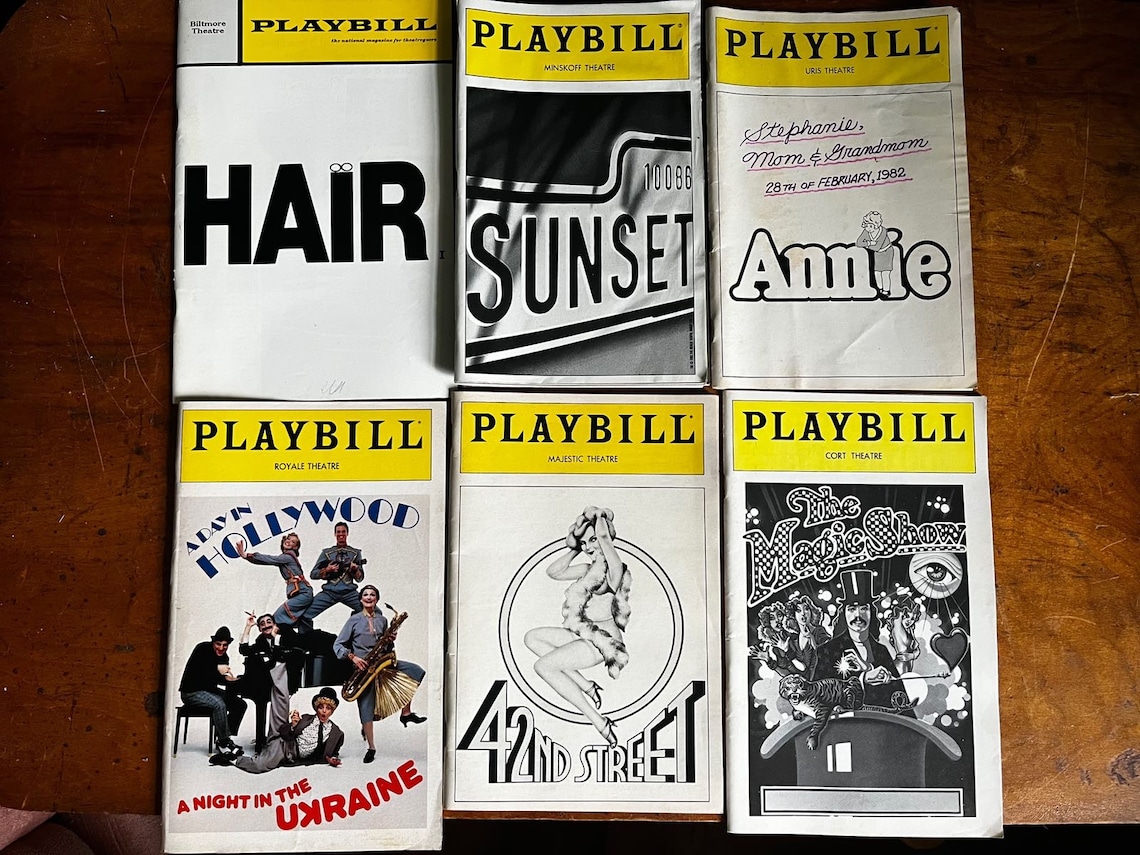
The physical Playbill has evolved into a strategic visual media asset through limited-run variations. Production companies regularly collaborate with publication partners to produce special-edition program covers that incentivize early ticket purchases and repeat visits.
- Opening Night Editions: Stamped with custom foil accents or unique cover art, opening night Playbills instantly become secondary-market collector items, elevating press buzz and VIP attendee engagement.
- Themed and Anniversary Covers: Productions such as long-running musicals celebrate key milestones (e.g., 5th, 10th, or 20th anniversaries) or seasonal causes with customized headers, such as the widely recognized rainbow headers for Pride Month.
- Show-Specific Visual Branding: Shows customize the standard yellow header to align with their aesthetic color palettes, transforming an industry template into a tailored brand asset.
These tangible variations build urgency. Fans frequently purchase tickets for specific performance windows solely to acquire a rare physical program, turning collectible collateral into a direct driver of primary ticket sales.
2. User-Generated Content and Social Proof Amplification
The "Playbill selfie"—a photograph featuring the program held up in front of the production's main curtain or stage set—has become the standard digital check-in for theatrical events. Marketers deliberately leverage this consumer habit to create continuous organic reach.
By designing stage lighting, proscenium framing, and venue pre-show atmospheres that complement the program's aesthetic, producers optimize the physical environment for mobile photography. When attendees post these images online, they provide high-trust social proof to their immediate personal networks. Unlike broad online display ads, user-generated Playbill posts communicate authentic personal endorsement, which significantly influences peer booking decisions for touring productions, Broadway runs, and regional engagements.
3. Digital Touchpoints and Post-Show Re-Targeting
Modern Playbills bridge physical contact with digital retargeting funnels. Print programs now incorporate strategically placed dynamic QR codes, near-field communication (NFC) tags, and short URLs that lead patrons to exclusive digital content during pre-show or intermission waiting periods.
Marketers use these digital touchpoints to capture first-party audience data. By scanning a Playbill QR code to access digital cast recordings, expanded actor histories, behind-the-scenes video footage, or souvenir program ordering pages, attendees opt into the show's digital database. This data allows marketing teams to deploy targeted email campaigns for future ticket releases, cast cast-change announcements, merchandise sales, and national tour pre-sales.
Comparing Traditional Theater Advertising with Playbill-Driven Engagement
Evaluating media investments requires comparing traditional broadcast channels with venue-centered Playbill strategies. The following breakdown illustrates key performance metrics across traditional and program-centric campaigns.
| Marketing Metric | Traditional Theater Ads (Billboards, Print, TV) | Playbill-Driven Omnichannel Marketing |
|---|---|---|
| Audience Engagement Level | Passive; brief visual exposure in public spaces | Active; prolonged physical interaction in venue |
| First-Party Data Capture | Extremely low; relies on broad media estimates | High; direct QR and digital program opt-ins |
| Social Media Amplification | Low organic sharing; requires paid distribution | High organic sharing; audience posts program selfies |
| Targeting Precision | Broad geographic and demographic targeting | 100% verified ticket buyers and arts consumers |
| Cost Efficiency (CPM) | High costs with significant ad-waste exposure | Integrated into venue operational program costs |
| Post-Show Retargeting Ability | Limited to generic geo-fencing ads | Direct email, SMS, and custom audience retargeting |
Implementing a Playbill-Centric Campaign for Live Productions
Executing a successful Playbill-focused strategy requires coordination between marketing personnel, venue operational staff, and printing partners. The following step-by-step framework outlines how production managers operationalize this strategy.
- Phase 1: Pre-Production & Artwork Design
- Design show-specific program cover variations
- Embed dynamic QR codes for digital content tracking
- Phase 2: In-Venue Execution & Environment Prep
- Brief usher staff on program distribution guidelines
- Optimize pre-show stage lighting for photo capture
- Phase 3: Digital Capture & Real-Time Engagement
- Monitor user-generated posts via social listening
- Collect first-party subscriber data from scans
- Phase 4: Post-Show Retargeting & Up-Selling
- Deploy segmented follow-up email campaigns
- Retarget program scannners with souvenir and ticket offers
Step 1: Design Show-Specific Collectible Assets
Before rehearsals conclude, establish a printing schedule with your program publisher. Identify specific performance dates for limited-edition cover runs, such as previews, press nights, cast departures, or charitable partnership weeks. Ensure all graphics match the show's digital key art for cross-channel brand recognition.
Step 2: Embed Trackable Digital Portals
Incorporate physical-to-digital conversion tools inside the program pages. Rather than using generic web links, print show-specific dynamic QR codes that direct patrons to optimized mobile landing pages. Key touchpoints include:
- Digital Song Titles and Lyrics: Interactive music sheets or audio teasers during intermission.
- Exclusive Merchandise Store Access: Direct links to purchase apparel for pickup after the performance.
- Cast Swap and Understudy Information: Live digital slips replacing loose paper inserts, saving printing costs while gathering user scans.
Step 3: Optimize In-Theater Environmental Lighting
Ensure the pre-show auditorium lighting provides sufficient illumination on the main curtain or stage scenery. Overly dim pre-show lighting prevents clear smartphone photography of the Playbill. Proper ambient lighting increases the quality and volume of user-generated social media check-ins during the 30 minutes preceding curtain up.
Step 4: Monitor Social Channels and Re-Share
Employ social listening tools to identify public posts featuring your show's program. Re-sharing high-quality audience posts on official show accounts validates fan participation, encourages other attendees to post, and creates a continuous stream of authentic social media content without secondary production costs.
Step 5: Execute Data-Driven Follow-Up Campaigns
Process the data captured from Playbill scans within 24 to 48 hours of performance attendance. Send personalized follow-up communications thanking patrons for attending, offering discounted merchandise, or providing early-access codes for upcoming performance blocks or national tour dates.
Overcoming Operational and Strategic Challenges
While Playbill-centric marketing offers high engagement, production teams must manage several operational constraints to maximize return on investment.
Managing Digital Friction in the Theater
Poor cellular connectivity inside historic theatrical venues can hinder digital integration strategies. If audience members encounter slow loading screens after scanning a QR code, conversion rates drop significantly.
- Solution: Work with venue management to ensure robust public Wi-Fi access, or optimize mobile landing pages to be lightweight (under 1 MB total page size) so they load instantly even on limited mobile data connections.
Balancing Sponsorship and Show Branding
Venue programs rely heavily on third-party print advertising revenue to offset publishing costs. Overloading a program with external ads can degrade the show's artistic brand and distract from call-to-action touchpoints.
- Solution: Maintain strict layout guidelines that segregate cast list information and show-specific QR portals from commercial sponsor pages. Keep primary calls-to-action on exclusive, un-cluttered show pages.
Controlling Production Costs for Special Editions
Printing multiple limited-edition physical covers increases per-unit production costs, particularly for short-run regional productions or non-profit theater companies operating on tight budgets.
- Solution: Reserve physical cover variations for high-impact revenue dates (such as opening nights or cast changes) and rely on digital program overlays for minor routine updates.
Frequently Asked Questions
What makes the "Playbill selfie" such an effective marketing tool?
The Playbill selfie acts as peer-to-peer social proof. When theatergoers share photos holding a show's program inside the theater, their social media followers view the post as an authentic recommendation rather than a paid advertisement. This visual check-in confirms attendance, builds cultural prestige, and drives word-of-mouth ticket sales.
How do dynamic QR codes inside Playbills generate marketing ROI?
Dynamic QR codes allow theatrical marketers to capture first-party contact data from verified audience members. By offering exclusive digital content—such as digital cast programs, souvenir ordering, or back-stage video clips—marketers build a targeted email list for post-show retargeting, merchandise sales, and future ticket pre-sales.
Can regional and non-profit theaters use Playbill-driven marketing techniques?
Yes. Independent and regional theaters can apply the same strategy by creating custom, high-quality physical programs, introducing limited-edition opening-night covers, and embedding dynamic QR codes for audience data collection, regardless of whether they partner with major publishing syndicates.
Does digital program adoption mean physical Playbills will be phased out?
Industry trends show that physical programs remain an essential part of the live theater experience. While digital programs serve as helpful supplements for accessibility and dynamic updates, audience demand for physical, tactile keepsakes ensures that printed Playbills will remain a core component of live event marketing.
How do custom Playbill covers impact secondary ticket markets and fan engagement?
Limited-edition custom covers turn standard programs into valuable collector's items. Special covers for milestone performances create urgency among dedicated fans, encouraging them to buy primary tickets early to guarantee receiving the physical keepsake, which in turn boosts overall box-office momentum.
Recommended Next Steps for Arts Marketers
To build an effective program-centric marketing campaign for your next live performance or season, take the following actionable steps:
- Audit Existing Program Layouts: Review your current program materials to locate prime visual space for custom artwork and dynamic QR code placements.
- Establish First-Party Data Capture Portals: Design dedicated, lightweight mobile landing pages tailored specifically for in-theater smartphone users.
- Coordinate with Venue Operations: Assess pre-show auditorium lighting and cellular Wi-Fi coverage to eliminate barriers to audience photo-taking and link scanning.
- Develop a Collectible Calendar: Schedule targeted performance dates across your run where special physical program variations or digital incentives will be offered to accelerate early box-office sales.
Image Gallery