National Guardian Life Insurance Rebate: Understanding Policyholder Returns and Refunds in 2026
National Guardian Life Insurance Company (NGL) does not offer "rebates" in the traditional retail sense, as state anti-rebating laws strictly prohibit agents from returning commissions to policyholders. However, NGL policyholders may r...
National Guardian Life Insurance Company (NGL) does not offer "rebates" in the traditional retail sense, as state anti-rebating laws strictly prohibit agents from returning commissions to policyholders. However, NGL policyholders may receive financial returns through policyholder dividends, premium refunds during the "free-look" period, or the distribution of accumulated cash surrender values.
Contents
In the highly regulated insurance landscape of 2026, the term "rebate" often causes confusion among consumers. While you might be looking for a discount or a kickback on your premiums, the insurance industry operates under strict legal frameworks that categorize such incentives as illegal inducements. Instead, legitimate financial returns from a carrier like National Guardian Life (NGL) are structured as dividends for mutual company members or contractual refunds. Understanding these mechanisms is essential for maximizing the value of your policy and ensuring you are not engaging in prohibited financial practices.
The Legal Reality of Insurance Rebates in 2026
To understand why a "National Guardian Life insurance rebate" is not a standard product feature, one must look at the legal doctrine of anti-rebating. Most U.S. states have long-standing statutes that prevent insurance agents or companies from offering any "rebate" of premiums, or any special favor or advantage in the dividends or other benefits, as an inducement to purchase insurance.
The primary purpose of these laws is to maintain a level playing field and ensure solvency. If agents were allowed to give back portions of their commissions to secure a sale, it could lead to unfair discrimination between policyholders of the same risk class and potentially destabilize the commission structures that support agent services. In 2026, while some states like Florida and California have historically toyed with relaxing these rules under very narrow circumstances, the general rule remains: you cannot receive a cash "kickback" for buying an NGL policy.
NGL as a Mutual Company: The "Dividend" Alternative
The most common way NGL policyholders receive what feels like a "rebate" is through the distribution of dividends. National Guardian Life is a mutual insurance company holding group. Unlike stock companies that are owned by outside shareholders, mutual companies are owned by their policyholders.
How Dividends Function
When NGL experiences favorable mortality rates (fewer claims than expected), earns higher-than-anticipated investment returns, or maintains lower operating costs, it may generate a surplus. As a mutual company, NGL can distribute a portion of this surplus back to its "participating" policyholders in the form of dividends.
In 2026, these dividends are technically considered a "return of overpaid premium" by the IRS, which is why they are generally not taxable as income (until they exceed the total premiums paid into the policy). This is the closest legitimate equivalent to a rebate available in the industry.
Options for Receiving Dividends
If your NGL policy is "participating" and a dividend is declared, you typically have several choices:
- Cash Payment: You receive a check directly from NGL.
- Premium Reduction: The dividend is applied toward your next premium payment, effectively lowering your out-of-pocket cost.
- Accumulate at Interest: The funds stay with NGL and earn a competitive interest rate.
- Paid-Up Additions: The dividend is used to purchase additional small amounts of death benefit, which in turn grows the policy's total value.
Premium Refunds and the "Free-Look" Period
Another scenario involving the return of funds is the "free-look" period refund. In 2026, NGL continues to adhere to state-mandated free-look periods, which typically last between 10 and 30 days from the date the policy is delivered to the owner.
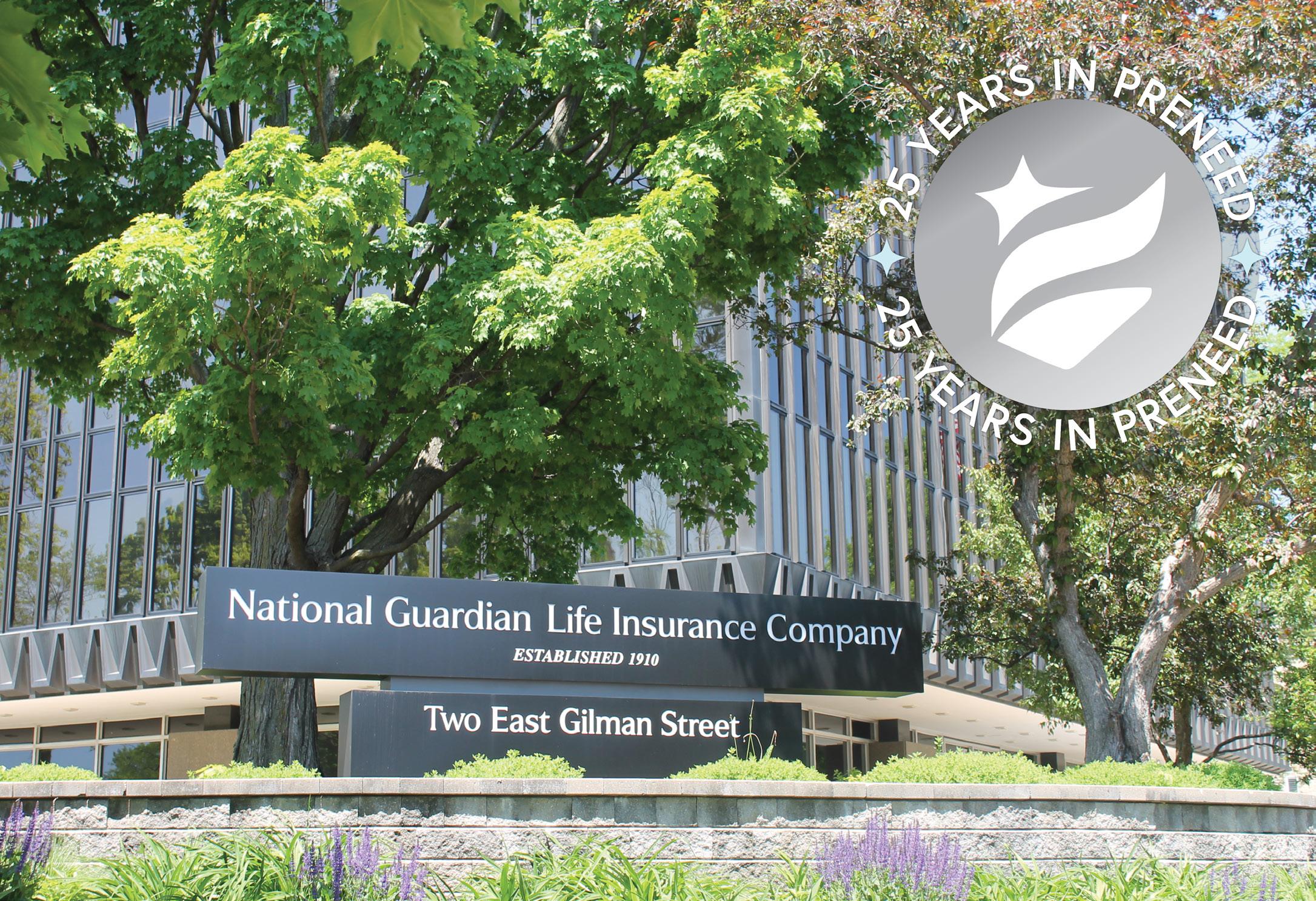
If a policyholder decides the coverage does not meet their needs within this window, they can cancel the policy and receive a full refund of all premiums paid. This is a statutory right and represents a total "rebate" of the initial investment. To execute this, the policyholder must usually submit a written request or return the policy document to NGL’s home office in Madison, Wisconsin, or to the authorized agent.
Preneed Insurance and Excess Fund Returns
National Guardian Life is a dominant player in the "Preneed" insurance market—policies specifically designed to cover funeral and burial costs. In these arrangements, the "rebate" or refund often occurs at the time of the claim rather than during the life of the policy.
The Mechanism of Excess Funds
When an NGL Preneed policy is established, it is often tied to a specific funeral goods and services contract. By 2026, inflation-guard features are standard in many of these policies. If the policy’s growth (death benefit) exceeds the actual cost of the funeral at the time of death, the "excess funds" may be returned.
The destination of these excess funds depends on the type of contract:
- Irrevocable Trusts: If the policy was placed in an irrevocable trust to qualify for Medicaid, excess funds are often legally required to be paid to the state's unclaimed property or Medicaid estate recovery unit.
- Revocable Contracts: In many cases, excess funds are paid out to the named beneficiary or the estate of the deceased, acting as a final "refund" of the policy's over-performance.
Comparing Financial Returns from NGL Policies
It is important to distinguish between the different ways money can return to a policyholder. The following table outlines the primary methods NGL uses to distribute funds back to its clients as of 2026.
| Feature | Type of Return | Tax Status (Typical) | When it Occurs |
|---|---|---|---|
| Dividends | Mutual Surplus Sharing | Tax-Deferred/Exempt | Annually (if declared) |
| Free-Look Refund | Premium Reversal | Tax-Exempt | Within 10-30 days of purchase |
| Cash Surrender Value | Accumulated Equity | Taxable over "Basis" | Upon policy cancellation |
| Excess Preneed Funds | Death Benefit Surplus | Generally Tax-Exempt | At time of death/claim |
| Reduced Paid-Up | Value Conversion | Tax-Deferred | Upon policy change |
Cash Surrender Value: The Internal "Rebate"
For NGL whole life or permanent policies, the accumulation of cash value serves as a form of internal financial return. Unlike term insurance, where premiums are purely a cost for protection, a portion of every NGL permanent insurance premium goes toward an equity account.
If a policyholder chooses to surrender their policy in 2026, NGL will pay out the Cash Surrender Value. This is the accumulated cash minus any surrender charges or outstanding policy loans. While not a "rebate" of the purchase price, it is a return of the "savings" component of the policy. For long-term policyholders, the cash surrender value can eventually exceed the total premiums paid, providing a positive return on investment.
How to Verify and Claim Your Funds
If you believe you are owed a refund, dividend, or "rebate" from National Guardian Life, the process is formalized to prevent fraud and ensure compliance with 2026 financial regulations.
- Check Policy Type: Determine if you have a "Participating" or "Non-Participating" policy. Only participating policies are eligible for dividends.
- Review the Annual Statement: NGL issues annual statements to policyholders. This document clearly lists any dividends credited, interest earned, and the current cash value.
- Contact NGL Policyholder Services: You can reach out directly to NGL’s administrative offices. In 2026, most of these inquiries can be handled through their secure online portal, where you can see real-time data regarding your policy's financial status.
- Avoid Unofficial "Rebate" Offers: If an agent offers you a "rebate" of their commission in exchange for buying an NGL policy, be aware that this is likely a violation of state insurance law and could result in the policy being voided or the agent losing their license.
FAQs
Does National Guardian Life offer cash-back incentives?
No, NGL does not offer "cash-back" in the way a credit card does. Life insurance is a regulated financial product, and cash incentives for purchase are generally illegal under anti-rebating laws. Any money returned to you will be via dividends, cash value surrender, or premium refunds.
Are NGL dividends guaranteed every year?
No. Dividends are never guaranteed. They are based on the company's financial performance, including mortality experience, investment earnings, and expenses. However, NGL has a strong historical track record of financial stability and mutual benefit distribution.
How long does it take to get a refund after a "Free-Look" cancellation?
In 2026, once NGL receives your signed cancellation request and the original policy document, refunds are typically processed within 7 to 10 business days. The funds are usually returned via the original payment method (e.g., credited back to a bank account or sent via check).
Can I get a rebate if I pay my NGL premium annually instead of monthly?
While not technically a "rebate," paying annually often results in a lower total cost. Most NGL policies include a "modal loading" fee for monthly or quarterly payments. By paying once a year, you eliminate these administrative fees, which can save you 3% to 8% annually.
What should I do if an agent promises me a portion of their commission?
You should decline the offer and report the incident to your State Department of Insurance. Such "rebates" are illegal inducements in most jurisdictions and can lead to significant legal and contractual complications for the policyholder.
Final Recommendation
When searching for a "National Guardian Life insurance rebate," your focus should shift from looking for a retail-style discount to maximizing policyholder dividends and modal premium savings. If you are a new policyholder, ensure you understand your "free-look" rights to secure a full refund if the policy isn't right for you. For long-term value, consider participating whole life products that allow you to share in the company’s success as a mutual member. Always verify your policy's current value through the official NGL portal or by contacting their Madison-based support team directly to ensure you are receiving all the contractual returns to which you are entitled.
Image Gallery