Richard Channing Garfield Net Worth: The Financial Legacy of Magic’s Creator
As of 2026, Richard Channing Garfield’s net worth is estimated to be between $15 million and $25 million. This valuation is derived from his foundational role as the creator of Magic: The Gathering, long-term royalty agreements, succes...
As of 2026, Richard Channing Garfield’s net worth is estimated to be between $15 million and $25 million. This valuation is derived from his foundational role as the creator of Magic: The Gathering, long-term royalty agreements, successful independent game releases such as King of Tokyo, and his ongoing consulting work within the multi-billion-dollar tabletop and digital gaming industries.
Contents
The Architect of the Modern Trading Card Game
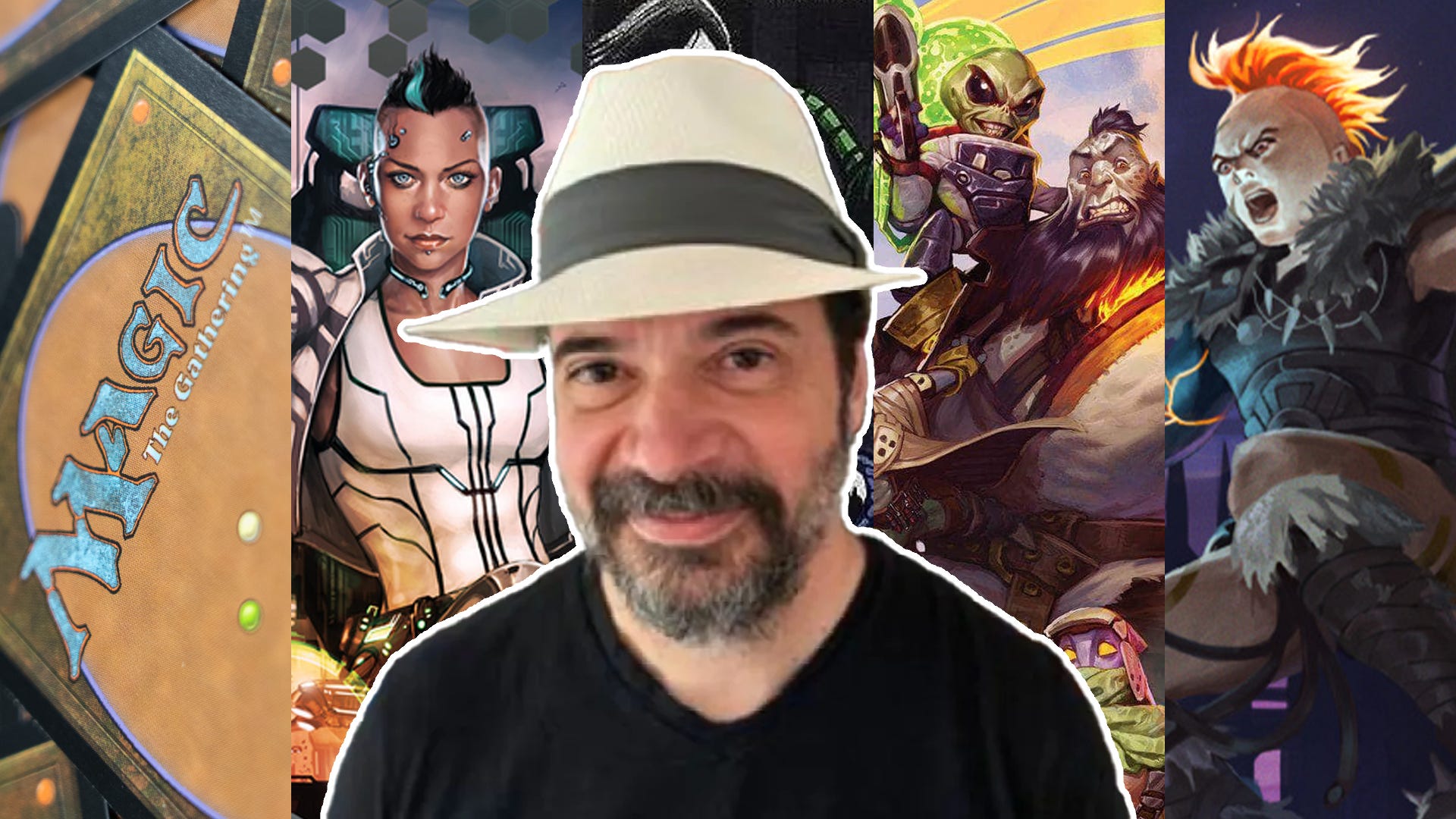
Richard Channing Garfield is a name synonymous with the birth of the collectible card game (CCG) or trading card game (TCG) genre. While his primary wealth originated from the explosive success of Magic: The Gathering (MTG) in the early 1990s, his financial standing in 2026 reflects a career built on mathematical precision and a deep understanding of game theory.
Garfield, who holds a PhD in combinatorial mathematics from the University of Pennsylvania, did not initially set out to become a millionaire game designer. His journey began in academia, but his passion for game mechanics led to the creation of a product that would eventually turn Wizards of the Coast into a global powerhouse. To understand his current net worth, one must examine the pivotal moments where his intellectual property intersected with major corporate acquisitions and the sustained growth of the hobby gaming market.
The Wizards of the Coast Era and the Hasbro Acquisition
The most significant driver of Richard Garfield’s wealth was the meteoric rise of Wizards of the Coast (WotC). In the early 1990s, WotC was a small startup. When Garfield presented them with Magic: The Gathering, the game was intended to be a portable title that could be played quickly between convention events. Instead, it became a cultural phenomenon.
The 1999 Hasbro Buyout
A defining moment for Garfield’s financial trajectory occurred in 1999 when Hasbro, the toy giant, acquired Wizards of the Coast for approximately $325 million. As a key stakeholder and the lead designer of the company’s flagship product, Garfield benefited significantly from this acquisition. While he was not the sole owner, the payout from this deal provided the financial foundation that allowed him to transition from a full-time employee to an independent designer and consultant.
Royalty Streams and Intellectual Property
Unlike many designers who sell their ideas for a flat fee, Garfield’s arrangements with WotC—and later Hasbro—included royalty structures that ensured he would benefit from the continued success of Magic. Even as he stepped away from day-to-day operations to pursue other interests, the "Garfield Games" brand and his "Designed by Richard Garfield" credit remained lucrative assets. As MTG grew into a "billion-dollar brand" for Hasbro by the early 2020s, the residual value of his original IP continued to bolster his estate.
Diversifying the Portfolio: Independent Hits and Digital Ventures
Richard Garfield’s net worth is not solely dependent on a single game. He has successfully navigated the transition from "the Magic guy" to a versatile designer with hits across various genres. In the years leading up to 2026, his portfolio has expanded into several high-revenue areas:
- King of Tokyo (IELLO): This game became a staple of the "gateway game" genre, selling millions of copies worldwide. Its success across multiple expansions and editions (including King of New York and King of Monster Island) provided a consistent stream of passive income through licensing and royalties.
- KeyForge (Fantasy Flight Games / Ghost Galaxy): In 2018, Garfield introduced the world's first "Unique Deck Game." By using algorithmic generation to ensure every deck was one-of-a-kind, he once again disrupted the industry. While the game faced logistical hurdles, its acquisition by Ghost Galaxy in the mid-2020s revitalized the brand, contributing further to his earnings.
- Netrunner: Originally a TCG designed by Garfield, it was later licensed to Fantasy Flight Games as a Living Card Game (LCG). Android: Netrunner gained a massive cult following, further cementing Garfield's reputation as a master of asymmetric game design.
- Digital Collaborations: Garfield’s expertise in game balance led to a high-profile collaboration with Valve Corporation for the digital card game Artifact. Although the game saw mixed commercial results, the consulting fees and professional engagement with a tech giant like Valve represent a high-tier income bracket for game consultants.
Comparative Value of Richard Garfield’s Contributions
To put Richard Garfield’s financial success into perspective, it is helpful to compare the commercial impact of his most prominent designs. The following table outlines the estimated market influence and longevity of his primary works as of 2026.
| Game Title | Original Publisher | Genre | Commercial Status (2026) |
|---|---|---|---|
| Magic: The Gathering | Wizards of the Coast | TCG | Global market leader; $1B+ annual revenue brand. |
| King of Tokyo | IELLO | Board Game | "Evergreen" title with consistent global sales. |
| KeyForge | Fantasy Flight Games | UCG | Niche enthusiast market; high secondary market value. |
| RoboRally | Wizards of the Coast | Board Game | Cult classic; multiple editions and anniversary sets. |
| Netrunner | Wizards of the Coast | TCG/LCG | Renowned for asymmetric mechanics; strong legacy IP. |
| The Hunger | Renegade Game Studios | Deck-builder | Moderate success; representative of modern indie design. |
The Impact of Mathematical Expertise on Earnings
Richard Garfield’s background in mathematics is more than just a biographical footnote; it is a primary reason for his continued demand and financial stability. In the world of modern game design, "balancing" a game is a technical challenge that involves complex probability and economic modeling.
Companies hire Garfield not just for his name, but for his ability to build sustainable game economies. In the 2020s, as the gaming industry shifted toward "Games as a Service" (GaaS) and digital marketplaces, his ability to prevent power creep and maintain long-term engagement became a highly billable skill. Consulting for digital startups and established tabletop publishers alike provides a high-margin income source that supplements his royalty earnings.
Personal Background and Legacy
Richard Channing Garfield comes from a lineage of high achievers. He is the great-great-grandson of U.S. President James A. Garfield and the great-grandson of James Rudolph Garfield, who served as the Secretary of the Interior. This background of intellectual and public service often correlates with a long-term approach to wealth management and legacy building.
Despite his wealth, Garfield is known for maintaining a relatively low-profile, academic lifestyle. He has spent years as a professor and continues to engage with the gaming community through playtesting and public speaking. This focus on the "craft" of gaming rather than just the "business" has allowed him to avoid the pitfalls of over-extension that affect many entrepreneurs.
Fact-Checking the Numbers: Why Not More?
Some may wonder why the creator of a billion-dollar brand like Magic does not have a net worth in the hundreds of millions. The answer lies in the corporate structure of the early 1990s.
- Venture Capital and Buyouts: When Wizards of the Coast was sold to Hasbro, the proceeds were split among many founders, early investors, and executives.
- Work-for-Hire vs. Ownership: Much of Garfield's later work for companies like Valve or Fantasy Flight Games likely involved "work-for-hire" contracts or fixed royalty percentages rather than equity stakes in the parent companies.
- Philanthropy and Reinvestment: Garfield has been a supporter of various educational and gaming-related charities, which impacts liquid net worth but increases social capital.
Looking Ahead: Richard Garfield in 2026 and Beyond
As of 2026, Garfield remains active in the design space. The "tabletop renaissance" that began in the 2010s has shown no signs of slowing down, and his role as a foundational figure ensures that his older titles remain in print while his new designs receive immediate attention from publishers.
His wealth is protected by the "evergreen" nature of his products. Magic: The Gathering cards from the early sets (the "Reserved List") have become alternative assets, and while Garfield does not profit directly from secondary market sales of his personal collection, the health of that market guarantees the continued relevance and licensing power of his name.
Frequently Asked Questions
Does Richard Garfield still own Magic: The Gathering?No. Richard Garfield does not own Magic: The Gathering. The intellectual property is owned by Wizards of the Coast, which is a subsidiary of Hasbro, Inc. Garfield remains the credited creator and has worked as a consultant on various sets over the decades, but he does not have executive control over the brand.
How much does Richard Garfield make from MTG royalties?Specific royalty figures are private contractual details. However, it is industry standard for a creator of Garfield's stature to receive a percentage of net sales or a fixed licensing fee for the use of the original IP. Given MTG’s billion-dollar annual revenue, even a fraction of a percent represents a substantial annual income.
What was Richard Garfield's first game?While he designed many games as a hobbyist and academic, his first major commercial success was Magic: The Gathering, released in 1993. Before that, he had designed RoboRally, though it was actually published after MTG because Wizards of the Coast initially requested a cheaper, more portable game to produce.
Is Richard Garfield related to President James A. Garfield?Yes, he is the great-great-grandson of James A. Garfield, the 20th President of the United States. This family history of intellectualism and leadership is often cited as a backdrop to his own academic and professional pursuits.
What is Richard Garfield's role at Valve?Garfield worked as a principal designer on the game Artifact. While he is no longer a full-time employee at Valve, his work there demonstrated his ability to translate complex tabletop mechanics into the digital realm, a skill that remains highly valued in 2026.
Final Recommendation
For those looking to understand the financial trajectory of creative professionals in the gaming industry, Richard Garfield serves as the gold standard. His success emphasizes the importance of intellectual property retention and diversification. If you are a designer or entrepreneur, the "Garfield model" suggests that while one "hit" can create wealth, a sustained career built on technical expertise and a broad portfolio of licensed works is the key to long-term financial stability. Investors and fans should view his net worth not just as a static number, but as a reflection of the enduring value of the TCG and board game markets.
Image Gallery