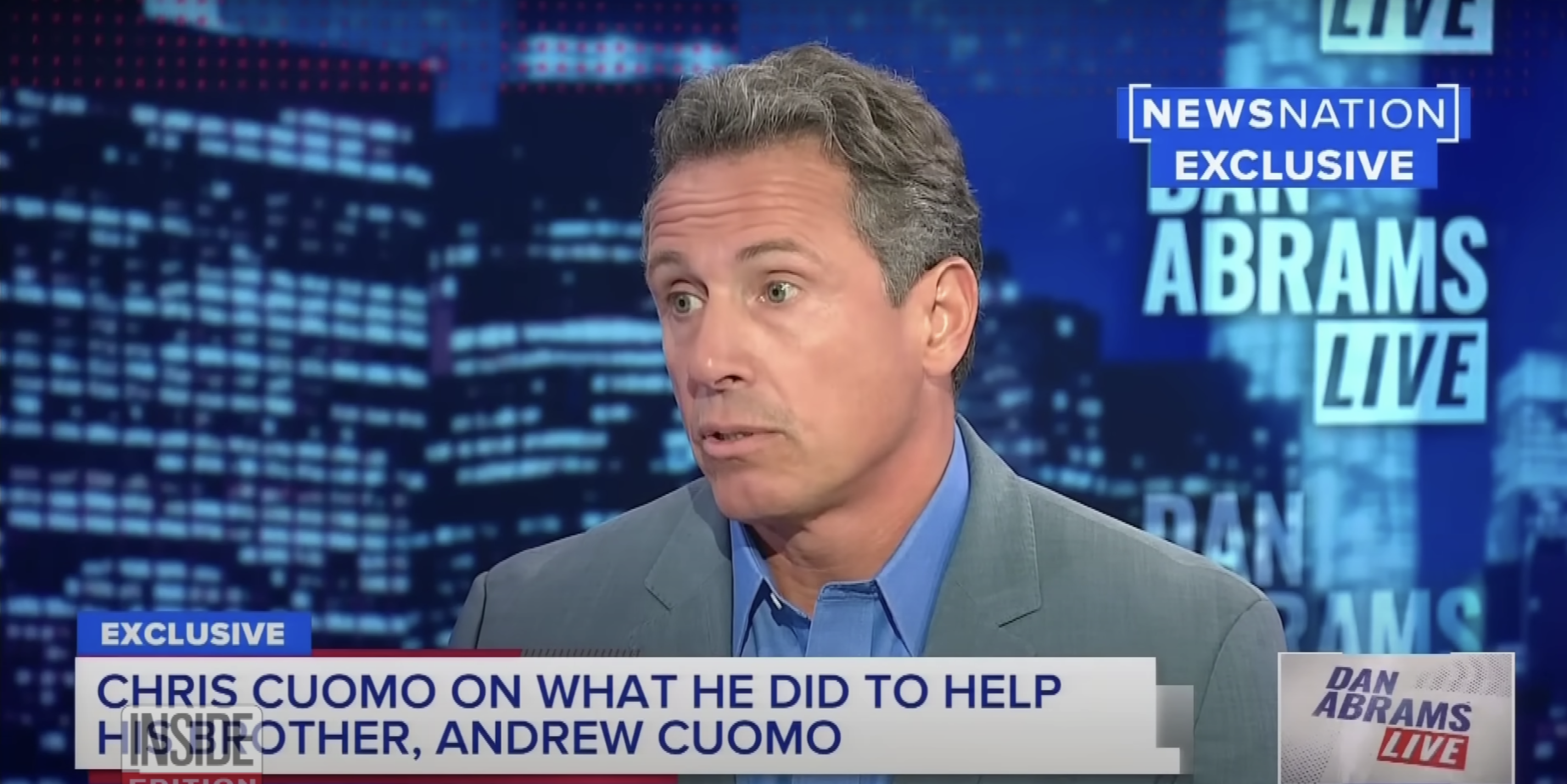
Analysis of the Chris Cuomo and CNN Settlement: Did It Set a Legal Precedent?
The settlement between Chris Cuomo and CNN did not set a new legal precedent because it was resolved through a private agreement rather than a court ruling. In the American legal system, a precedent (stare decisis) is established only...
The settlement between Chris Cuomo and CNN did not set a new legal precedent because it was resolved through a private agreement rather than a court ruling. In the American legal system, a precedent (stare decisis) is established only when a judge issues a published opinion that higher or future courts must follow. Because the Cuomo case concluded in confidential arbitration and a subsequent settlement, it remains a contractual resolution without the force of law.
Contents
The departure of Chris Cuomo from CNN in December 2021 and the subsequent legal firestorm that followed represented a watershed moment in media law and executive employment contracts. As of 2026, the case is frequently cited by legal scholars and talent agents, not for its judicial weight, but for its significant influence on how "for cause" termination clauses are negotiated in the entertainment and news industries.
The Origins of the Dispute: Termination and the $125 Million Claim
To understand why the settlement did not reach the level of a legal precedent, one must first examine the nature of the dispute. Chris Cuomo was terminated by CNN following an investigation into his efforts to assist his brother, former New York Governor Andrew Cuomo, during a series of sexual harassment allegations. CNN argued that Cuomo’s actions violated the network's journalistic standards and conflict-of-interest policies.
In March 2022, Cuomo filed a demand for arbitration, seeking $125 million in damages. His legal team argued that CNN’s management was not only aware of his actions but had implicitly encouraged them. Furthermore, they alleged that the "for cause" termination was a pretextual move to avoid paying out the remainder of his lucrative contract.
The primary legal mechanism used here was arbitration. Most high-level media contracts contain mandatory arbitration clauses. These clauses ensure that disputes are handled by a private arbitrator rather than a public jury. Because arbitration proceedings are private and their outcomes are typically not published as binding law, they are structurally incapable of creating a legal precedent that other parties can cite in court.
Understanding Legal Precedent vs. Industry Influence
In the legal world, "precedent" refers to a principle or rule established in a previous legal case that is either binding on or persuasive for a court or other tribunal when deciding subsequent cases with similar issues or facts.
There are two main reasons why the Cuomo-CNN settlement failed to meet this definition:
- Lack of Judicial Ruling: For a precedent to exist, a judge must interpret a statute or the common law and issue a written decision. Settlements are voluntary contracts between two parties to drop litigation in exchange for compensation or other terms. They involve no finding of fact or law by a court.
- Confidentiality: The terms of the Cuomo settlement, while widely reported by news outlets like The Wall Street Journal and Puck as being in the neighborhood of $24.7 million, were never officially entered into the public record in a way that creates a legal roadmap for others.
However, the case did set an industry precedent. In the years following the 2024 resolution of the case, talent agencies and media conglomerates have fundamentally altered how they draft "Morality Clauses" and "Conflict of Interest" provisions. While not legally binding on others, the settlement serves as a benchmark for what a high-profile anchor can extract from a network even under a "for cause" cloud.
The "For Cause" Termination Threshold in 2026
By 2026, the "Cuomo Effect" has become a standard term in employment law circles. Before this case, many networks used broad, vaguely worded "for cause" clauses that allowed them to fire talent for "acts of moral turpitude" or "bringing the network into disrepute."
The Cuomo litigation highlighted the danger of these broad definitions. Cuomo’s defense—that his bosses knew of his conduct—forced a shift toward more granular language. Modern contracts now often include:
- Specific Carve-outs: Explicitly stating which familial or personal advisory roles are permitted or prohibited.
- The "Notice and Cure" Period: Requiring the network to provide written notice of a violation and a set timeframe (often 15–30 days) for the talent to rectify the behavior before termination can occur.
- Documentation Requirements: Stipulating that "cause" must be supported by an independent third-party investigation to prevent retaliatory or "pretextual" firing.
Comparative Analysis of Media Settlements
The following table compares the Cuomo settlement with other major media departures that occurred around the same era, highlighting why none of them resulted in formal legal precedents.
| Individual | Network | Reported Settlement | Reason for Departure | Legal Venue |
|---|---|---|---|---|
| Chris Cuomo | CNN | ~$24.7 Million | Conflict of Interest / Misconduct | Private Arbitration |
| Don Lemon | CNN | ~$24.5 Million | Misogyny Allegations / Performance | Confidential Settlement |
| Tucker Carlson | Fox News | Undisclosed (Contract Paid Out) | Strategic Realignment | Contractual Exit |
| Bill O'Reilly | Fox News | ~$32 Million | Sexual Harassment Allegations | Private Settlement |
| Gretchen Carlson | Fox News | $20 Million | Sexual Harassment Suit | Public Filing / Settled |
As seen in the table, the preference for private settlements is nearly universal in the media industry. Public filings, such as Gretchen Carlson’s 2016 lawsuit against Roger Ailes, are the exception. Even in those cases, the settlement usually occurs before a final judgment is rendered, thus preventing the creation of a binding legal precedent.
The Role of the Morality Clause
A major point of contention in the Cuomo case was the Morality Clause. Historically, these were used to protect networks from talent who engaged in criminal activity or public scandals. In the Cuomo-CNN dispute, the network argued that Cuomo’s breach of journalistic ethics was a moral failing that justified termination without pay.
Legal analysts in 2026 point to this case as the moment when "Journalistic Integrity" was formally categorized alongside "Moral Turpitude" in high-level contracts. This has had a chilling effect on how anchors interact with political figures, as the financial stakes of a "for cause" firing have never been clearer.
Why a Trial Would Have Been Different
Had the Cuomo case proceeded to a public trial in the New York Supreme Court, it potentially could have set a precedent regarding the "faithless servant doctrine" or the enforceability of morality clauses in the age of social media and subjective "truth."
In a trial, a judge would have had to rule on:
- Whether a journalist's duty to their family overrides their duty to their employer.
- Whether an employer's prior knowledge of a breach constitutes a "waiver" of their right to fire the employee later for that same breach.
By settling, CNN avoided a ruling that could have limited the power of all media companies to fire talent. Similarly, Cuomo avoided a ruling that might have codified his actions as a legitimate basis for "for cause" termination across the entire industry.
Frequently Asked Questions
Did Chris Cuomo win his lawsuit against CNN?
Technically, Chris Cuomo did not "win" or "lose" in a court of law. The parties reached a private settlement. While he received a substantial financial payout (reported at roughly $24.7 million), it was significantly less than the $125 million he originally sought. A settlement is a compromise, not a legal victory.
Can other journalists use Cuomo's settlement in their own legal battles?
No, they cannot use it as a binding legal authority. Because the settlement was private and did not involve a court ruling, a lawyer cannot stand before a judge and say, "Because Cuomo got paid, my client must also be paid." However, talent agents use the settlement as "market data" to negotiate better exit terms for their clients.
What is the difference between a settlement and a legal precedent?
A settlement is a private contract where parties agree to end a dispute. A legal precedent is a formal decision made by a judge that provides a rule for future similar cases. Settlements are only binding on the people who sign them; precedents are binding on everyone within that court's jurisdiction.
Why do media companies prefer settlements over trials?
Media companies prefer settlements to avoid "discovery," the process where internal emails, text messages, and testimonies become public record. In the Cuomo case, a trial would likely have exposed internal CNN communications that could have been embarrassing or damaging to other executives and anchors.
Is the Cuomo settlement public information?
The exact, final terms of the settlement are confidential under a Non-Disclosure Agreement (NDA). The figures cited by news organizations in 2024 and 2025 are based on leaks and investigative reporting rather than official court documents.
Final Practical Implications
While the Chris Cuomo and CNN settlement did not change the laws of the United States, it fundamentally changed the business of news. For professionals in the legal and media sectors, the takeaway is clear: private resolution remains the preferred method for handling high-stakes employment disputes.
For employees and employers, the case serves as a reminder that the definition of "cause" is the most important paragraph in any employment agreement. As we move through 2026, the legacy of the Cuomo settlement is found in the meticulously drafted contracts of the next generation of broadcasters, who now operate under much stricter guidelines regarding external influences and familial conflicts.
Image Gallery