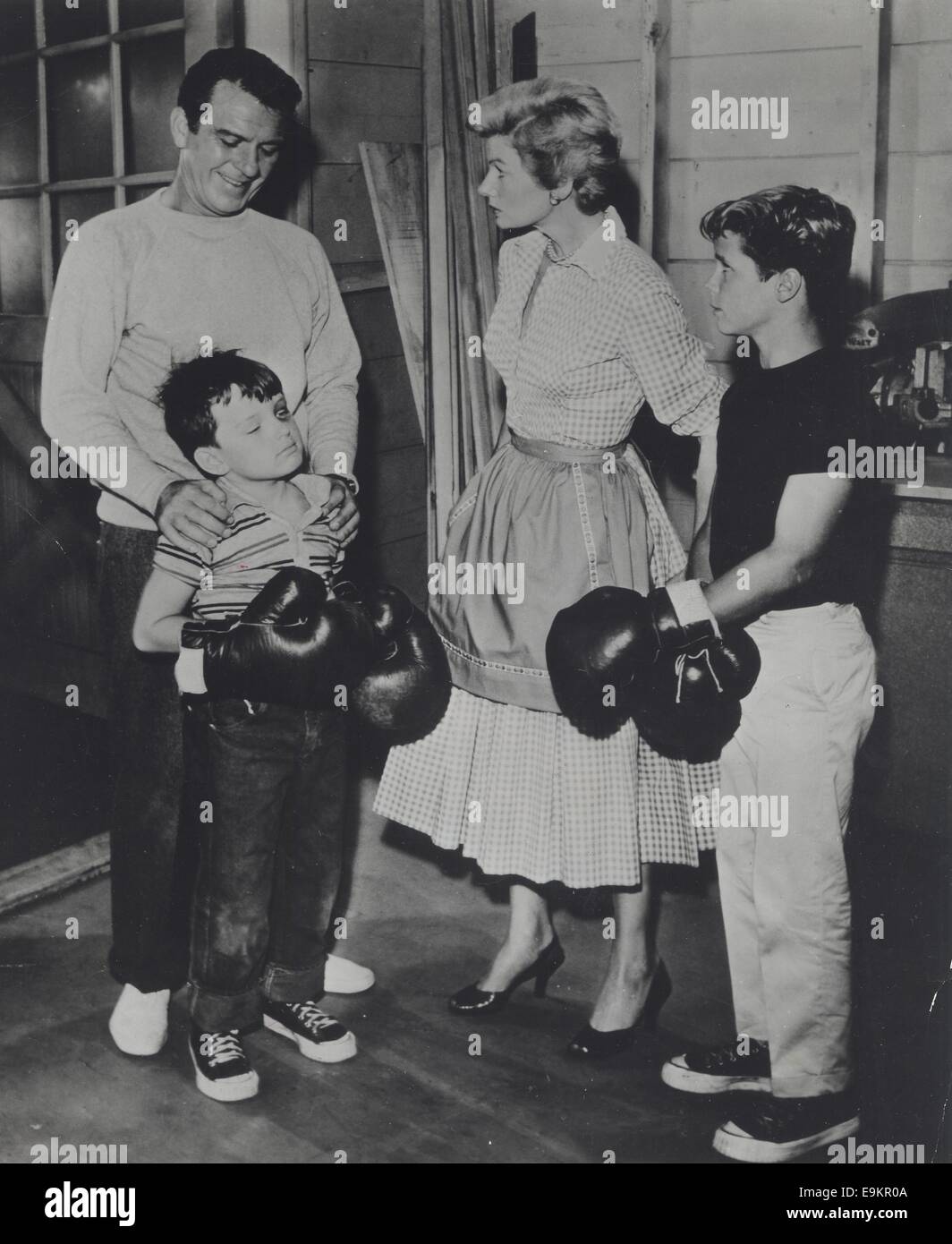
Hugh Beaumont and Tony Dow: The Legacy of Television’s Definitive Father and Son
Hugh Beaumont and Tony Dow are the actors who portrayed Ward and Wally Cleaver on the iconic sitcom Leave It to Beaver. Their partnership defined the idealized mid-century American family, balancing Beaumont’s portrayal of a wise, pati...
Hugh Beaumont and Tony Dow are the actors who portrayed Ward and Wally Cleaver on the iconic sitcom Leave It to Beaver. Their partnership defined the idealized mid-century American family, balancing Beaumont’s portrayal of a wise, patient patriarch with Dow’s relatable transition from a young boy into a responsible young man.
Contents
For generations of television viewers, the names Hugh Beaumont and Tony Dow are synonymous with the stability and moral clarity of the 1950s and 60s. While their characters, Ward and Wally Cleaver, lived in the fictional suburb of Mayfield, the impact of these two performers reached far beyond the small screen. As of 2026, Leave It to Beaver remains a cornerstone of television history, studied for its writing, its cultural archetypes, and the genuine chemistry between its cast members. To understand the legacy of Beaumont and Dow, one must look past the black-and-white artifice of the show and examine the professional lives, personal struggles, and enduring friendship of the men behind the roles.
The Casting and Chemistry of Ward and Wally Cleaver
The success of Leave It to Beaver (1957–1963) rested heavily on the believability of the Cleaver family unit. Unlike many sitcoms of the era that relied on "bumbling father" tropes or slapstick humor, this series focused on the quiet, everyday moral dilemmas of childhood and adolescence. This required a specific type of paternal figure and a realistic older brother.
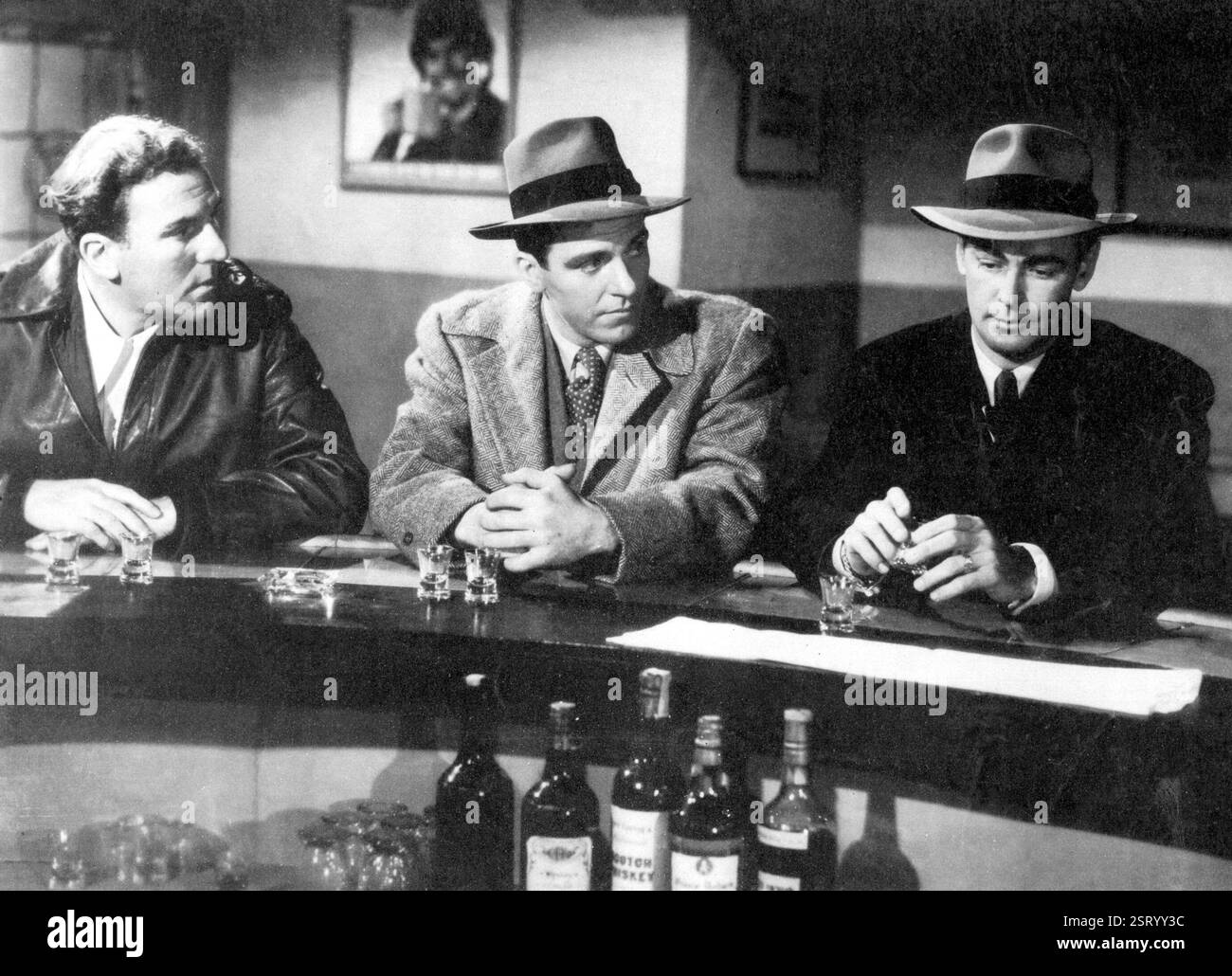
Hugh Beaumont was not the first choice for Ward Cleaver. In the show’s pilot, titled "It’s a Small World," the father was played by Max Showalter (credited as Casey Adams). However, when the series was picked up, the producers sought a father figure who could project a more authoritative yet compassionate presence. Beaumont, an ordained Methodist minister and a seasoned actor known for playing tough-guy detectives in "Michael Shayne" films, brought a unique gravity to the role. He didn't just play a father; he embodied the 1950s ideal of the moral compass.
Tony Dow, conversely, had almost no acting experience when he was cast as Wally. He was a competitive Junior Olympics diver and athlete who had accompanied a friend to the studio. His natural, unforced delivery and athletic build made him the perfect foil to the more precocious Jerry Mathers, who played "The Beaver." The chemistry between Beaumont and Dow was immediate. Beaumont took on a mentor role both on and off the camera, helping the young Dow navigate the complexities of a television set while maintaining his education and athletic interests.
Hugh Beaumont: Beyond the Cardigan
While the world knew him as Ward Cleaver, Hugh Beaumont’s life and career were multifaceted. Born in 1909, Beaumont’s path to Hollywood was unconventional. His commitment to his faith was a defining characteristic; he held a Master of Theology from the University of Southern California and often balanced his acting assignments with his ministerial duties.
The Directorial Influence
Many viewers are unaware that Beaumont’s contribution to Leave It to Beaver extended behind the camera. He directed 23 episodes of the series, demonstrating a keen eye for the show’s specific pacing and emotional resonance. His directorial style emphasized the "smallness" of the stories, ensuring that the stakes felt high for the children even if the problems—like a lost library book or a failed haircut—were minor in the grand scheme of things.
Life After Mayfield
After the series concluded in 1963, Beaumont continued to act, but he found himself largely typecast as the perfect father. He appeared in various guest roles on shows like The Virginian and Petticoat Junction, but he eventually transitioned away from the limelight. He spent much of his later years writing and traveling. In 1972, a stroke forced him into early retirement. Beaumont passed away in 1982 at the age of 72, leaving behind a legacy as one of the most respected "TV fathers" in history.
Tony Dow: Art, Advocacy, and the Post-Wally Transition
Tony Dow’s journey after Leave It to Beaver was a testament to his versatility and resilience. Growing up in the public eye often leads to personal instability for child stars, but Dow managed to forge a career that spanned acting, directing, producing, and fine art.
The Fight Against Depression
In the 1990s, Tony Dow became a pioneer in the entertainment industry by speaking openly about his lifelong battle with clinical depression. At a time when mental health was still largely a taboo subject, Dow’s transparency helped de-stigmatize the condition for millions of men. He served as a spokesperson for the National Depressive and Manic-Depressive Association, using his platform as "America’s big brother" to provide hope and resources to those in need.
The Transition to Sculpture
Perhaps Dow’s most surprising second act was his success as a world-class sculptor. His bronze works were not merely a hobby; they were critically acclaimed. In 2008, he was one of three American artists chosen to exhibit at the Société Nationale des Beaux-Arts exhibition at the Carrousel du Louvre in Paris. His work, often abstract and deeply emotive, showed a side of the artist that was far removed from the clean-cut Wally Cleaver.
Directing and Producing
Like his TV father, Dow also found success behind the camera. He directed episodes of high-profile series such as Star Trek: Deep Space Nine, Babylon 5, and Coach. His technical understanding of the medium, honed since childhood, made him a sought-after director for both drama and comedy. Dow passed away in 2022, but his influence as a multi-talented creator continues to be recognized.
Comparing the Careers of Beaumont and Dow
The following table outlines the distinct yet overlapping career paths of Hugh Beaumont and Tony Dow, highlighting their contributions beyond their most famous roles.
| Feature | Hugh Beaumont (Ward Cleaver) | Tony Dow (Wally Cleaver) |
|---|---|---|
| Birth/Death Years | 1909–1982 | 1945–2022 |
| Early Career Focus | Ministry & Film Noir (Michael Shayne) | Junior Olympics Diving & Swimming |
| Total Episodes Acted | 234 episodes of Leave It to Beaver | 234 episodes of Leave It to Beaver |
| Behind-the-Lens | Directed 23 episodes of the original series | Directed episodes of Star Trek, Babylon 5 |
| Outside Interests | Writing, Theology, Christmas Tree Farming | Bronze Sculpting, Mental Health Advocacy |
| Signature Post-Show Project | The Human Jungle (Voiceover/TV) | The New Leave It to Beaver (1983–1989) |
| Key Legacy Contribution | Defined the authoritative TV father archetype | De-stigmatized depression for male actors |
The 1980s Revival: The Absence of Ward
In the 1980s, the cast reunited for the television movie Still the Beaver (1983) and the subsequent series The New Leave It to Beaver. This era was bittersweet for Tony Dow and the rest of the cast. Because Hugh Beaumont had passed away in 1982, the writers had to address the death of Ward Cleaver.
The revival series depicted Wally and Beaver as adults with their own families, but Ward’s presence was felt through the moral lessons they passed down to their own children. Tony Dow’s portrayal of an adult Wally Cleaver—now a father and businessman—was a direct tribute to the acting style and temperament he had learned from Beaumont decades earlier. The show successfully bridged the gap between the 1950s and the 1980s, proving that the family dynamics established by Beaumont and Dow were timeless.
Historical Significance in 2026
In 2026, television scholars often point to the relationship between Hugh Beaumont and Tony Dow as the blueprint for the "mentorship" dynamic in sitcoms. Unlike the adversarial father-son relationships often seen in modern television, the Cleaver duo modeled a relationship based on mutual respect.
Ward Cleaver didn't just punish Wally; he explained the "why" behind the rules. Tony Dow’s Wally didn't just rebel; he struggled with the internal conflict of wanting to please his father while finding his own identity. This nuanced approach to parenting and adolescence is why the show has remained relevant for nearly 70 years.
Frequently Asked Questions
Did Hugh Beaumont and Tony Dow get along in real life?
Yes. Tony Dow frequently spoke of Hugh Beaumont with immense respect and affection. He viewed Beaumont as a mentor who provided a stable influence on set. While they weren't daily companions after the show ended, the bond formed during the six seasons of filming remained strong until Beaumont’s death.
What happened to the actors after the original series ended?
Hugh Beaumont eventually retired after a stroke in 1972 and moved to Minnesota. Tony Dow transitioned into a successful career in directing and became a world-renowned sculptor. Both actors faced the challenge of being typecast but managed to build fulfilling lives outside of their Cleaver personas.
How did the show handle Hugh Beaumont’s death in the revival?
In the 1983 television movie Still the Beaver, it was established that Ward Cleaver had passed away. A scene features Beaver Cleaver visiting his father’s grave, which served as a poignant tribute to Hugh Beaumont and allowed the audience to mourn the actor and the character simultaneously.
Was Tony Dow a professional artist?
Yes. Tony Dow was a highly regarded sculptor. His work was primarily in bronze, and he was recognized by the prestigious Société Nationale des Beaux-Arts in France. His art is often cited as a significant departure from the wholesome image he maintained as a child star.
Did Hugh Beaumont really write for the show?
While Beaumont is primarily credited as an actor and director, he was known to have significant input on the scripts, particularly regarding Ward's moral monologues. He was deeply invested in ensuring that the character maintained a consistent ethical standard.
Practical Recommendation for Fans and Historians
For those looking to explore the work of Hugh Beaumont and Tony Dow beyond Leave It to Beaver, it is recommended to view Beaumont’s early work in the Michael Shayne detective series to appreciate his range as a dramatic actor. For Tony Dow, exploring his directorial work in 1990s science fiction provides a fascinating look at his technical evolution. Both actors represent a golden age of television where the craft of acting was secondary only to the responsibility of the role. In 2026, most of these performances are available via digital archives and classic television streaming platforms like Peacock or MeTV.
Image Gallery