Ollie vs. The Farmer's Dog: Which Fresh Dog Food Wins in 2026?
Choosing between Ollie and The Farmer's Dog depends on your dog's specific health requirements and your budget. Both brands offer premium, human-grade, vet-formulated meals delivered to your door. Ollie stands out for its recipe variet...
Choosing between Ollie and The Farmer's Dog depends on your dog's specific health requirements and your budget. Both brands offer premium, human-grade, vet-formulated meals delivered to your door. Ollie stands out for its recipe variety and "Mixed" plan flexibility, while The Farmer's Dog offers highly personalized, simple-ingredient recipes ideal for dogs with severe food sensitivities.
Contents
The Landscape of Premium Canine Nutrition in 2026
The pet food industry has undergone a massive transformation over the last decade, moving away from shelf-stable, highly processed kibble toward "fresh" diets. In 2026, the debate is no longer about whether fresh food is beneficial, but which subscription service provides the best nutritional value and logistical convenience. Fresh dog food is defined by its use of whole-food ingredients—meats, vegetables, and grains—that are gently cooked at low temperatures to preserve vitamins and minerals that are often destroyed in traditional high-heat extrusion processes.
Both Ollie and The Farmer's Dog have solidified their positions as market leaders. They utilize personalized algorithms to determine a dog's caloric needs based on age, weight, breed, activity level, and body condition. However, as the market has matured, these two companies have diverged in their product offerings. Ollie has expanded into "gently baked" dry food and targeted supplements, whereas The Farmer's Dog has doubled down on its "clean label" philosophy, focusing exclusively on high-moisture, fresh-frozen meals.
Deep Dive into Ollie: Variety and Flexibility
Ollie has positioned itself as a versatile choice for the modern pet owner. In 2026, their product line includes four primary fresh recipes: Beef, Chicken, Turkey, and Lamb. Each recipe is formulated by veterinary nutritionists to meet the nutritional levels established by the AAFCO Dog Food Nutrient Profiles for all life stages.
The "Superfood" Edge
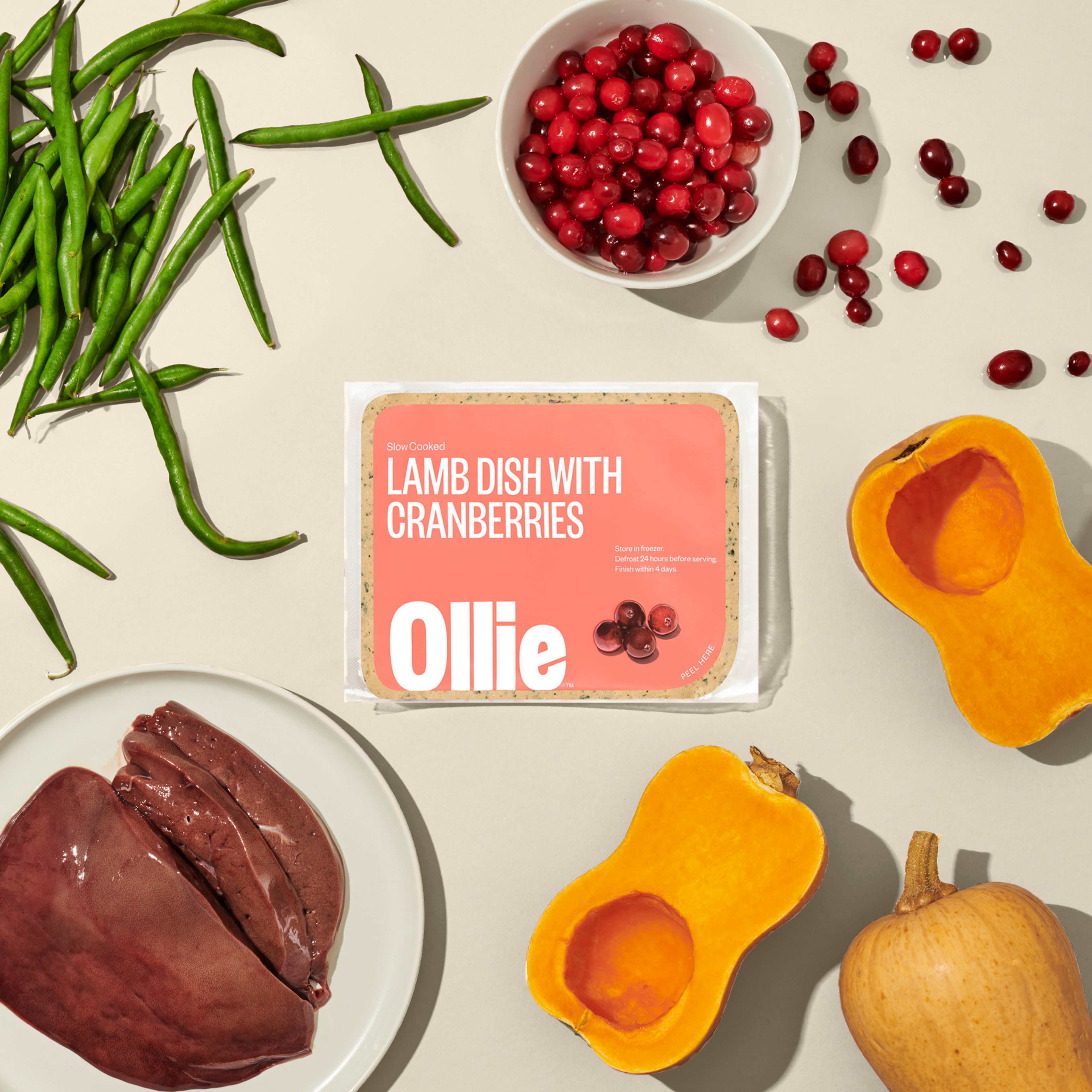
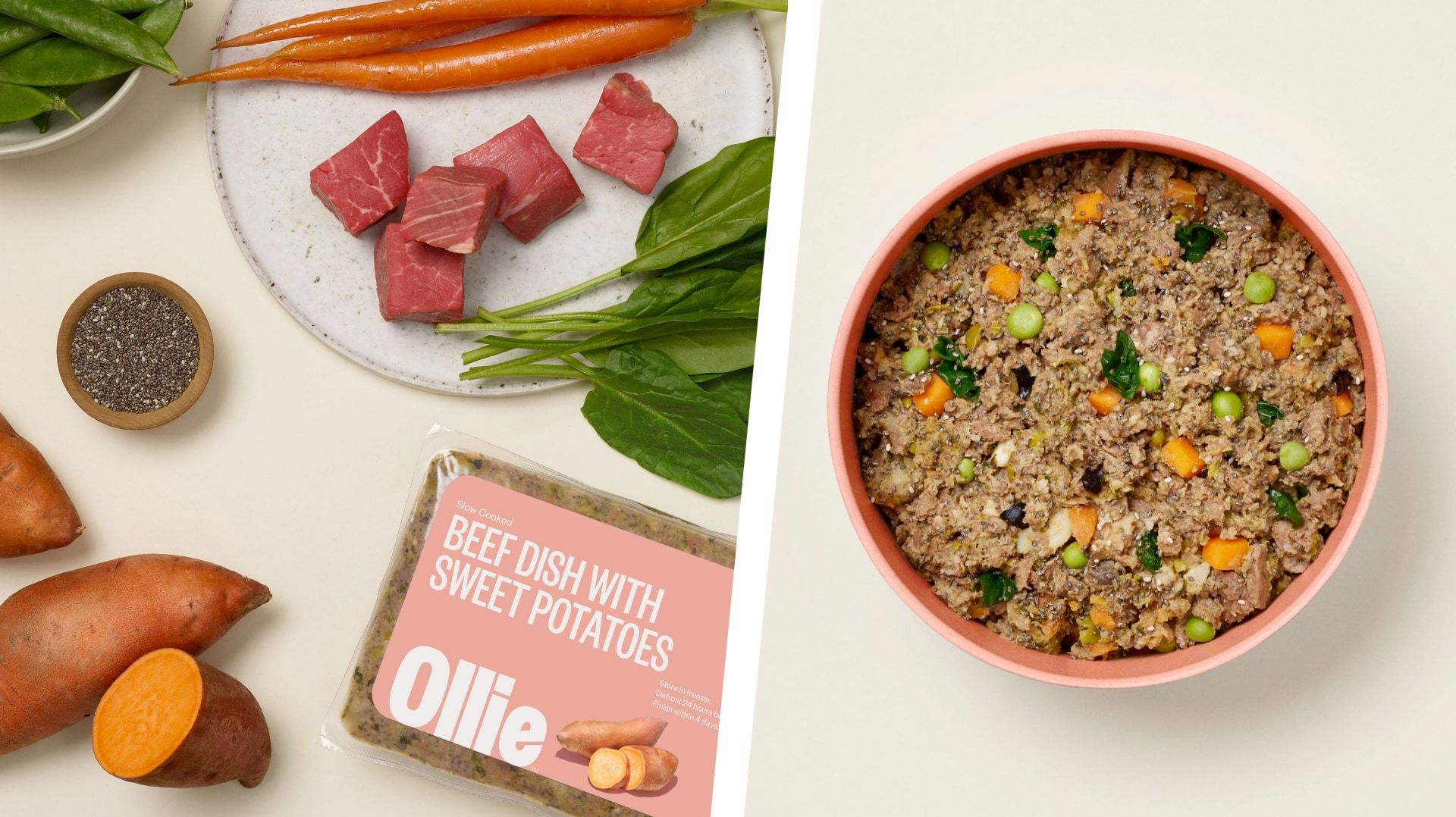
Ollie’s recipes often feature what are commonly called "superfoods"—ingredients like chia seeds, blueberries, spinach, and cod liver oil. These are not just marketing terms; they provide essential antioxidants, omega-3 fatty acids, and fiber. For example, the inclusion of cod liver oil is a deliberate choice to support cognitive function and skin health, which is particularly beneficial for aging dogs.
Flexible Feeding Plans
One of Ollie’s greatest strengths in 2026 is its "Mixed" plan. Many owners find the cost of a 100% fresh diet prohibitive. Ollie addresses this by allowing customers to subscribe to a plan that mixes their gently cooked fresh food with their "Gently Baked" kibble. This baked food is a significant step up from traditional kibble, as it is processed at lower temperatures to maintain ingredient integrity. This hybrid approach offers a middle ground that provides the nutritional boost of fresh food with the dental benefits and convenience of dry food.
User Experience and Extras
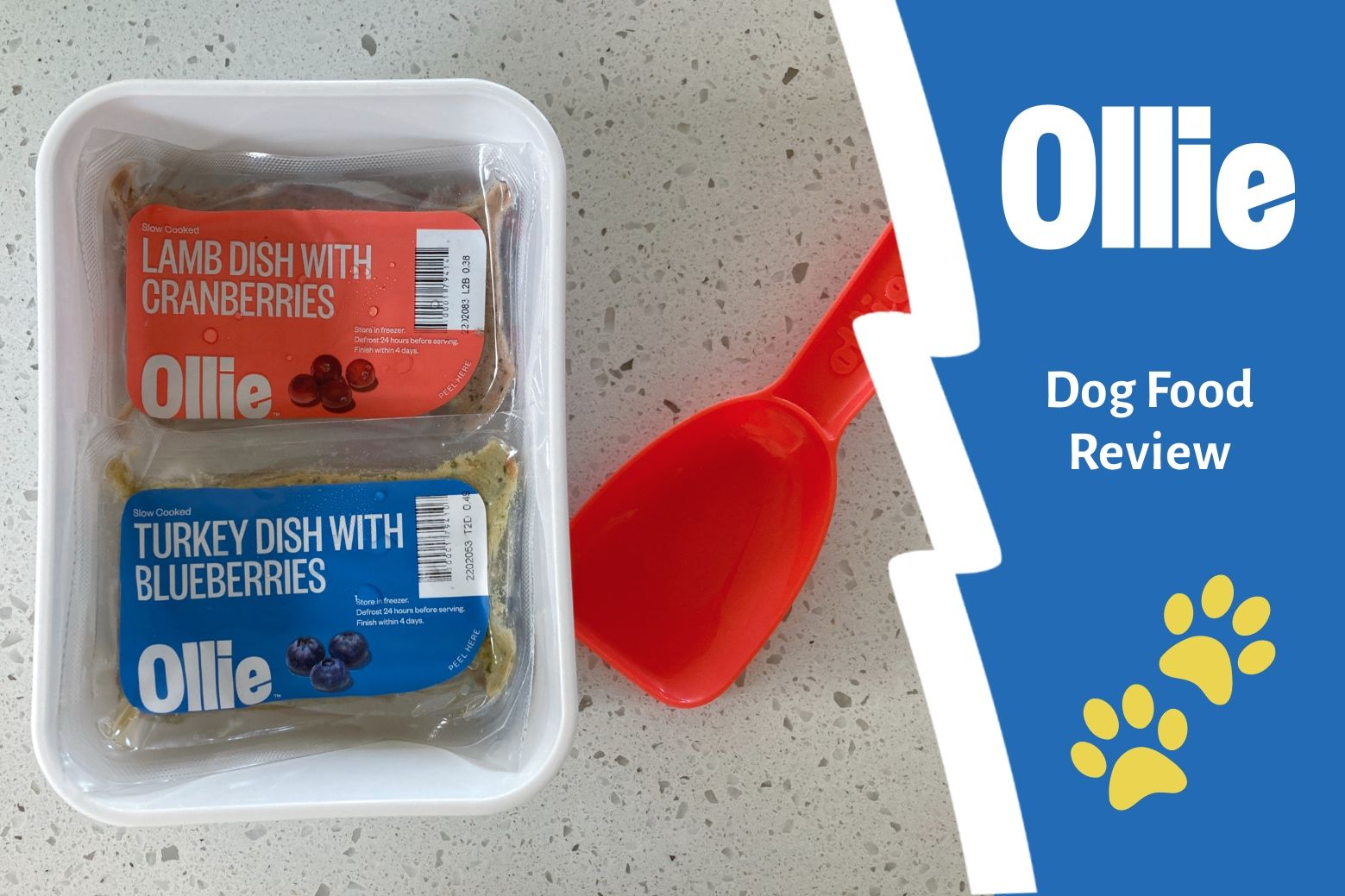
The Ollie app has become highly sophisticated, allowing users to track their dog’s weight and adjust caloric intake in real-time. Additionally, Ollie provides a "scoop" and a "Pupper Container" (a sealable Tupperware-style box) with the first order to help keep the food fresh in the refrigerator, solving a common complaint about fresh food storage.
Deep Dive into The Farmer’s Dog: The Gold Standard of Simplicity
The Farmer’s Dog (TFD) maintains a philosophy that "less is more." Their meals are remarkably simple, often containing only a few whole-food ingredients and a balanced blend of vitamins and minerals. For 2026, their core recipes remain Turkey, Beef, Pork, and Chicken.
Nutritional Transparency
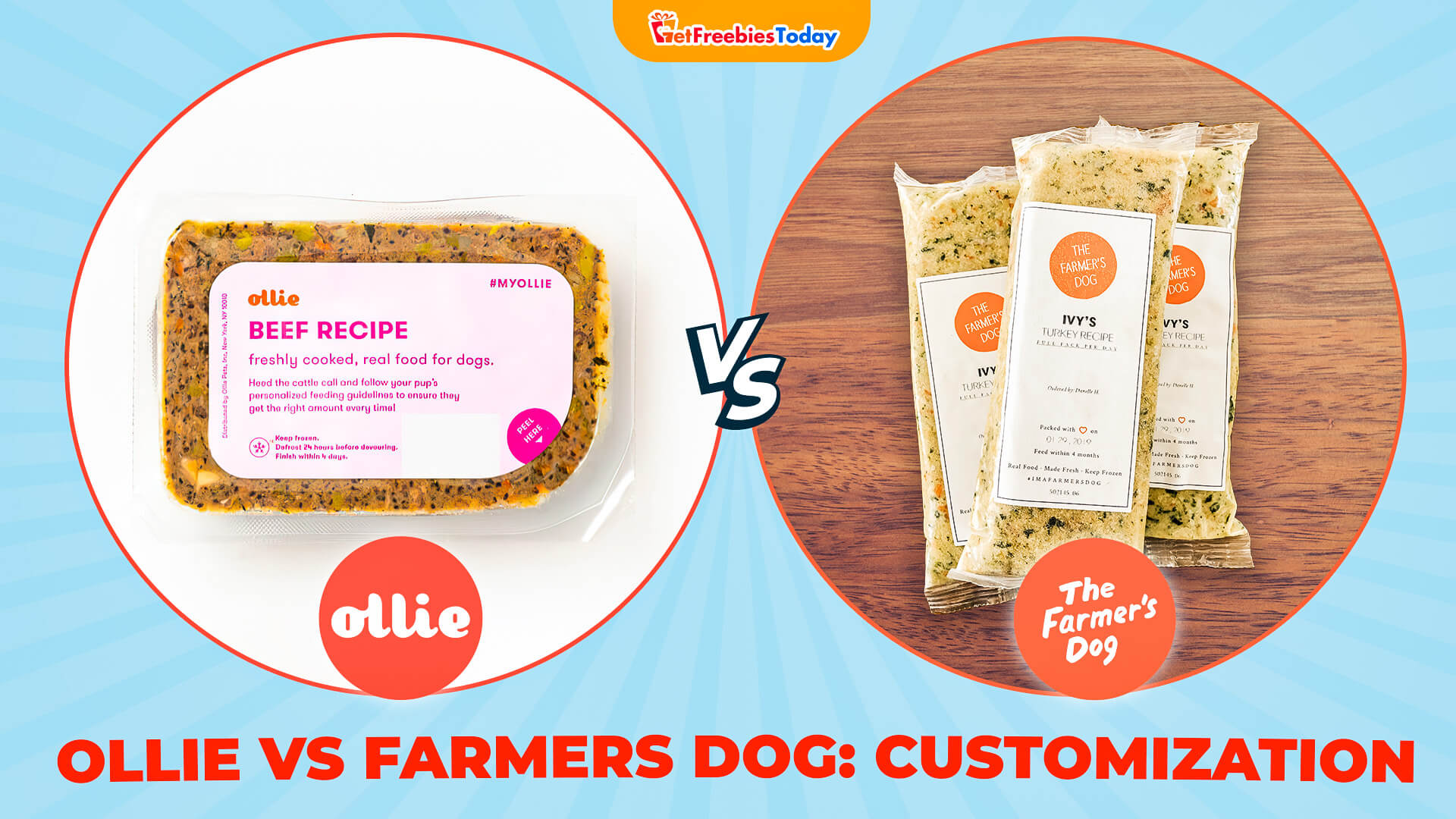
TFD is known for its uncompromising stance on human-grade standards. This means the food is prepared in USDA-certified kitchens following the same safety standards as food intended for human consumption. While Ollie also meets these standards, TFD’s marketing and recipe formulation focus heavily on the "whole-food" aspect. You can literally see the chunks of carrots, green beans, and chickpeas in their meals.
Precision Portioning
The Farmer's Dog excels in its portioning strategy. Unlike Ollie, which often provides larger packs that require the owner to scoop out specific portions, TFD pre-portions their meals into daily or half-day servings based on your dog’s specific caloric requirements. This eliminates the guesswork for the owner and ensures that the dog is not being overfed—a critical factor in 2026 as canine obesity remains a leading health concern.
Ideal for Sensitive Stomachs
Because TFD avoids many of the secondary "superfood" fillers and focuses on a streamlined ingredient list, it is often the preferred choice for dogs with significant allergies or IBD (Inflammatory Bowel Disease). Their recipes are exceptionally easy to digest, and the high moisture content supports kidney function and urinary tract health.
Ingredient Analysis: Human-Grade vs. Feed-Grade
To understand why these brands win over traditional kibble, one must look at the technical specifications of their ingredients. Traditional "feed-grade" pet food can legally include "4D" meats (dead, dying, diseased, or disabled animals). In contrast, both Ollie and The Farmer's Dog use human-grade proteins.
| Feature | Ollie | The Farmer's Dog |
|---|---|---|
| Primary Proteins | Beef, Chicken, Turkey, Lamb | Turkey, Beef, Pork, Chicken |
| Cooking Method | Gently Cooked (Fresh) & Baked | Gently Cooked (Fresh) |
| Grains | Grain-free & Grain-inclusive options | Grain-free & Grain-inclusive options |
| Personalization | High (based on profile) | Very High (pre-portioned packs) |
| Storage | Fridge/Freezer (Pupper Container incl.) | Fridge/Freezer |
| Add-ons | Treats and Supplements available | Limited treats |
| Price Point | Moderate to High | High |
The Role of Organ Meats
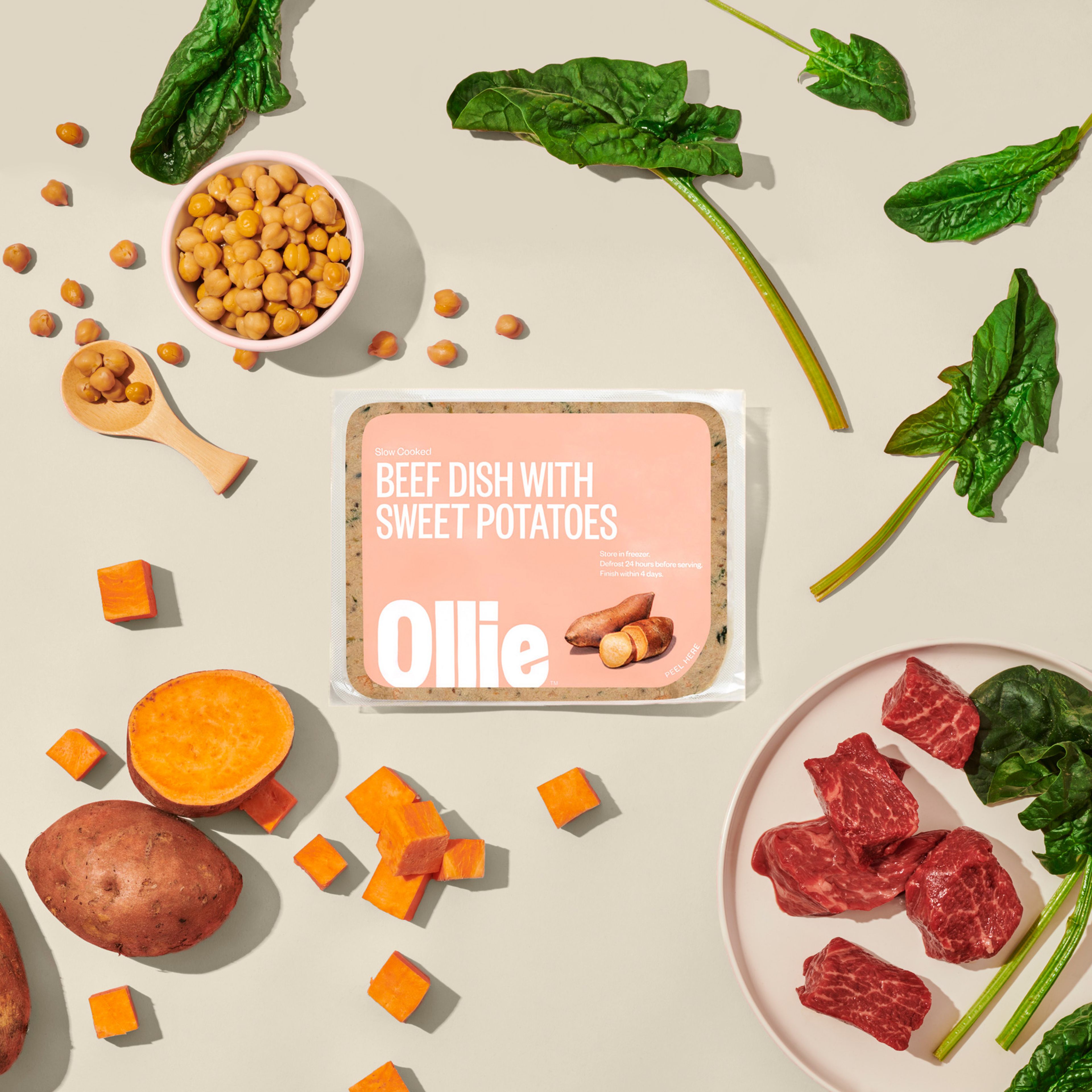
Both companies utilize organ meats, such as beef liver or chicken liver. From a technical nutritional standpoint, organ meats are "nature’s multivitamins." They are rich in Vitamin A, B vitamins, iron, and phosphorus. While some owners find the idea of organ meat unappealing, it is vital for a complete and balanced canine diet, mimicking the "whole prey" nutrition that dogs would naturally consume.
Comparing Costs: Subscription Economics for Dog Owners
In 2026, the cost of fresh dog food remains a significant consideration for households. Pricing is not fixed; it scales based on the size and energy needs of the dog.
- Small Dogs (under 20 lbs): Both services are relatively affordable, often ranging from $2.50 to $4.00 per day.
- Medium Dogs (20–50 lbs): This is where the price gap widens. Ollie’s "Mixed" plans can bring costs down to roughly $5.00–$7.00 per day, whereas TFD may cost $8.00–$11.00 per day.
- Large Dogs (over 60 lbs): A full fresh diet for a large breed can exceed $15.00 per day. At this scale, Ollie’s baked options or TFD’s "DIY" nutrient mix (which allows you to cook the meat yourself while adding their supplements) become the most viable options.
It is important to note that while the upfront cost is higher than kibble, many veterinary experts argue that the long-term savings are significant. Improved nutrition leads to fewer skin allergies, better weight management, and potentially lower veterinary bills related to chronic inflammatory conditions.
Packaging and Sustainability
As of 2026, sustainability is a major differentiator. Both companies have moved toward more eco-friendly shipping materials.
- The Farmer's Dog: Uses insulation made from cornstarch that dissolves in water and utilizes BPA-free, recyclable plastic for their food pouches.
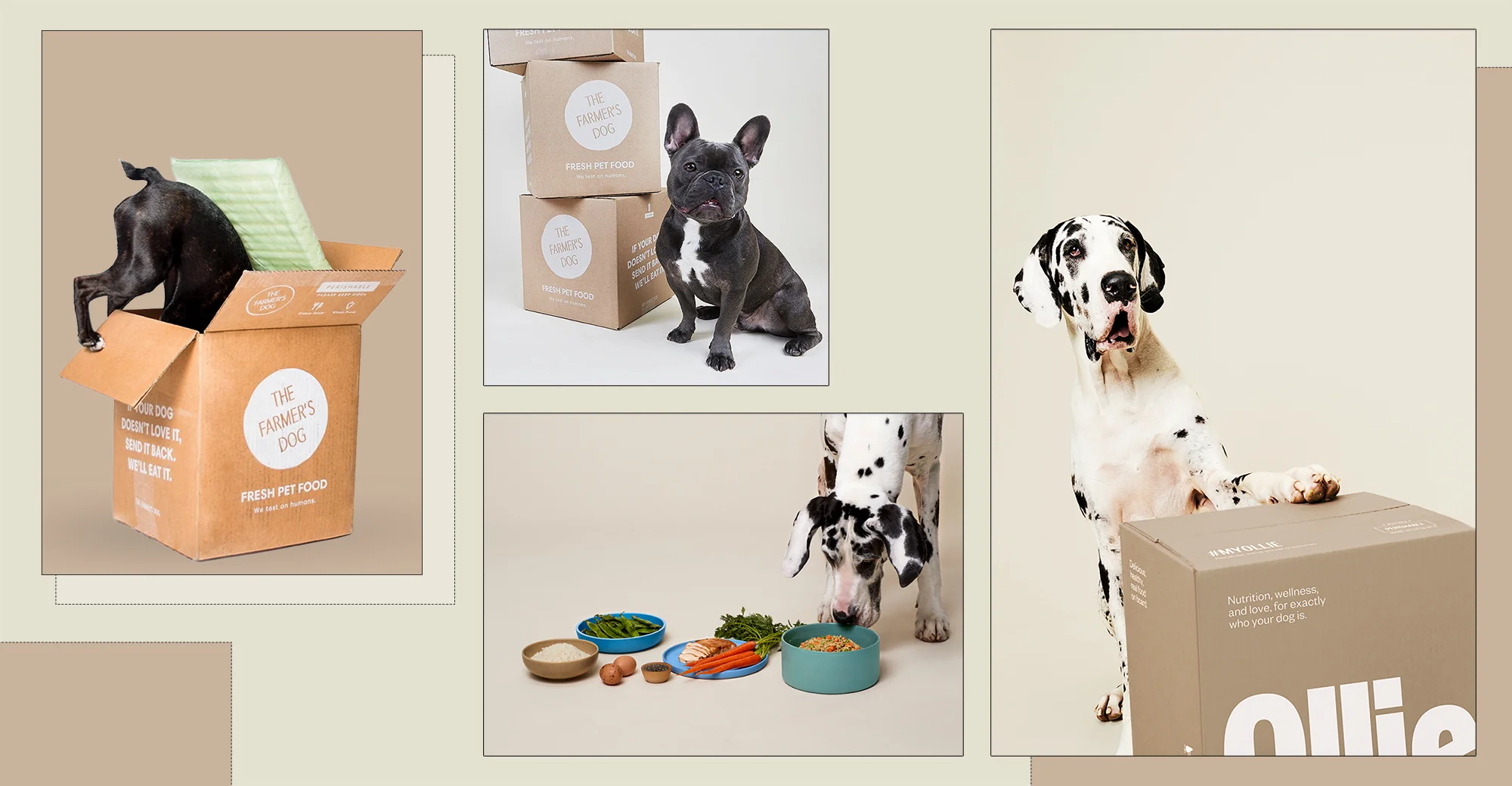
- Ollie: Has transitioned to predominantly recyclable packaging and focuses on optimizing shipping routes to reduce their carbon footprint. Their "Pupper Container" is designed to reduce the need for single-use plastic wrap or bags after opening a food pack.
The logistics of both brands are streamlined. Subscriptions are easily paused, canceled, or accelerated through their respective websites or mobile apps. Shipping is generally free across the contiguous United States, with both companies using dry ice or insulated liners to ensure the food remains frozen or "refrigerator cold" upon arrival.
The Verdict: Which Fresh Dog Food Wins?
The "winner" depends entirely on your specific priorities as a pet owner.
Choose Ollie if:
- You want the most variety (including baked food and treats).
- You are looking for a more budget-friendly entry point via "Mixed" plans.
- Your dog enjoys a variety of textures (both fresh and crunchy).
- You value a sophisticated app experience for managing health and weight.
Choose The Farmer's Dog if:
- Your dog has a very sensitive stomach or specific food allergies.
- You want the convenience of pre-portioned daily packs with zero measuring.
- You prefer a simple, "whole-food" ingredient list that you can clearly see.
- You prioritize a high-moisture diet for a dog that doesn't drink much water.
Frequently Asked Questions
Is fresh dog food better than kibble for all dogs?
Yes, in most cases, fresh food is superior because it undergoes minimal processing, which preserves the bioavailability of nutrients. While high-quality kibble is a viable option, fresh food provides better hydration and lacks the artificial preservatives and "meat meals" often found in dry diets. However, dogs with specific medical conditions requiring prescription diets (like late-stage kidney disease) should only switch under veterinary supervision.
How do I transition my dog from kibble to Ollie or The Farmer's Dog?
A slow transition is essential to avoid gastrointestinal upset. Both brands recommend a 7-to-10-day transition period. Start by mixing 25% fresh food with 75% of the old food for three days, then move to a 50/50 split for another three days, followed by 75% fresh food for the final three days before moving to 100% fresh food.
Do these meals need to be cooked?
No, the meals arrive fully cooked and then frozen. You simply need to thaw the packs in the refrigerator. Both Ollie and The Farmer's Dog use "gentle cooking" methods, which involve low heat to kill pathogens like Salmonella or E. coli while keeping the vitamins and minerals intact. You should never microwave the food in the original plastic packaging.
Can I feed fresh food to a puppy?
Both Ollie and The Farmer's Dog offer recipes that are formulated for "all life stages," including puppies. Because puppies have higher caloric and calcium-to-phosphorus requirements, the subscription algorithms for both brands will automatically adjust the portion sizes and nutrient density to support healthy bone and muscle growth during the puppy stage.
How much freezer space do I need for a subscription?
A two-week supply of fresh food for a medium-sized dog typically takes up about the same space as a few frozen pizzas. If you have a very large dog or a small freezer, you may need to adjust your delivery frequency to receive smaller, more frequent shipments. Ollie’s "Mixed" plan is particularly helpful for those with limited freezer space since the baked food is shelf-stable.
Practical Next Steps for Dog Owners
Before committing to a full subscription, take advantage of the "trial boxes" offered by both companies. These are typically discounted by 50% to 60% and allow you to see how your dog reacts to the new protein sources. Monitor your dog’s stool consistency and energy levels during the first two weeks. If your dog has a history of pancreatitis, ensure you select the lower-fat recipes (typically the Turkey or Chicken options) and consult your veterinarian before the first feeding.
Image Gallery