Choosing the Best Private Student Loan Consolidation Option for Your Financial Profile
Finding the best private student loan consolidation option depends on your credit score, income, and debt-to-income ratio. In 2026, the optimal choice typically involves refinancing through a private lender like SoFi, Earnest, or Laure...
Finding the best private student loan consolidation option depends on your credit score, income, and debt-to-income ratio. In 2026, the optimal choice typically involves refinancing through a private lender like SoFi, Earnest, or Laurel Road to secure a lower interest rate or a more manageable monthly payment structure tailored to your career trajectory.
Contents
The landscape of private student loan consolidation—frequently referred to as refinancing—is highly competitive in 2026. Unlike federal consolidation, which simply averages your existing interest rates, private consolidation allows you to replace multiple high-interest loans with a single new loan at a potentially much lower rate. However, because private lenders are profit-driven, the "best" option is subjective and shifts based on your individual underwriting profile.
Understanding Private Student Loan Consolidation in 2026
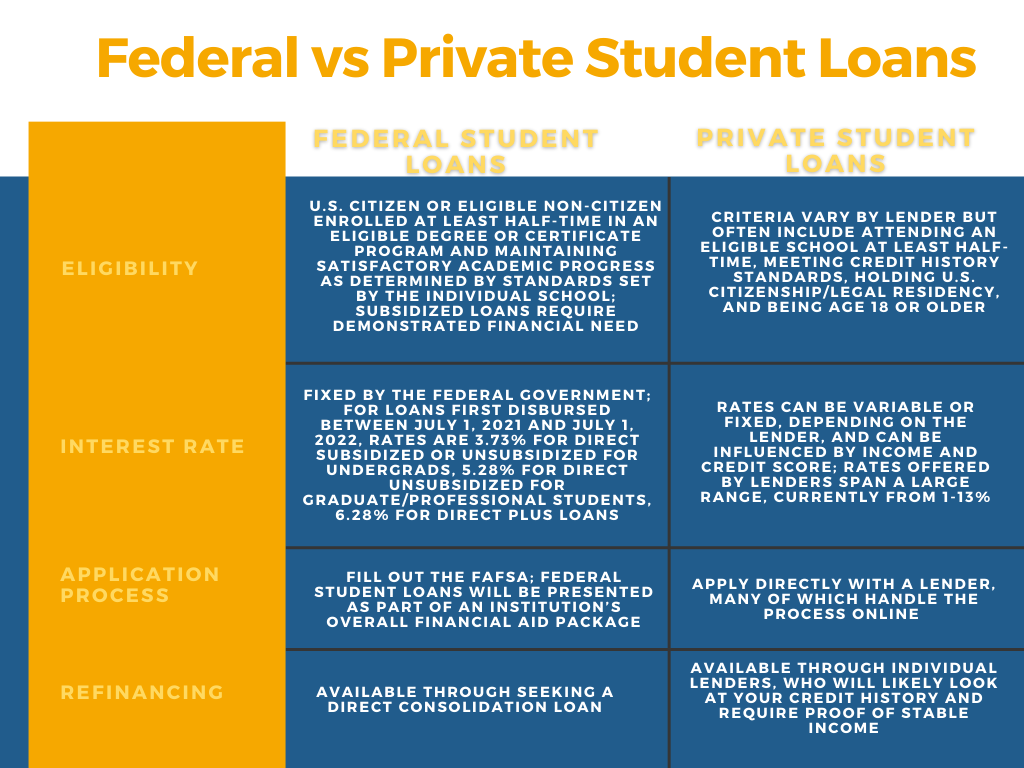
To identify the right path, one must first distinguish between federal consolidation and private consolidation (refinancing). Federal consolidation through the Department of Education combines federal loans into one Direct Consolidation Loan but does not lower your interest rate; it merely rounds it up to the nearest one-eighth of a percent.
Private consolidation, conversely, involves a private financial institution paying off your old loans (both federal and private) and issuing a new one. This process is designed to lower your interest rate, change your repayment term, or remove a co-signer. In 2026, lenders have become increasingly sophisticated in their risk assessment, often looking beyond just a FICO score to evaluate your "free cash flow" and "earning potential" based on your degree and industry.
Determining Your Eligibility and Readiness
Before applying to any lender, you must meet specific prerequisites that have become standard in the mid-2020s lending environment. Most top-tier lenders require the following:
- A Stable Debt-to-Income (DTI) Ratio: Most lenders prefer a DTI ratio below 40%. If your monthly debt payments (including the new loan) exceed 40% of your gross monthly income, you may face higher interest rates or outright rejection.
- Credit Score Thresholds: While some lenders cater to "fair" credit, the most competitive rates in 2026 are reserved for those with a score of 740 or higher.
- Degree Completion: While a few lenders allow for consolidation while still in school or for those who did not graduate, the vast majority require a completed degree from an accredited institution to mitigate their risk.
- Employment Status: You generally need proof of full-time employment or a signed offer letter for a job starting within 90 days.
Top Private Consolidation Lenders in 2026
Lenders often specialize in specific borrower niches. Selecting the best one requires matching your profile to their target demographic.
| Lender | Best For | Typical APR Range (2026) | Key Feature |
|---|---|---|---|
| SoFi | Career Starters & Networking | 5.25% – 9.50% | Member benefits & career coaching |
| Earnest | Flexible Repayment | 5.10% – 9.25% | Skip one payment per year |
| Laurel Road | Medical & Legal Professionals | 4.95% – 8.75% | Specialized rates for residents/fellows |
| Citizens Bank | Existing Customers | 5.40% – 10.00% | Loyalty discounts for account holders |
| LendKey | Community Bank Rates | 5.30% – 9.75% | Connects borrowers to credit unions |
Deep Dive into Specific Lending Models
The Flexible Specialist: Earnest
Earnest has gained significant market share by 2026 due to its hyper-customizable repayment terms. Instead of choosing between a standard 5, 10, or 15-year term, Earnest allows you to pick a specific monthly payment, and they back-calculate the term length. This is ideal for borrowers who have a strict budget but want to pay off their debt as fast as possible. They also utilize "precision pricing," which evaluates data points like your savings habits and 401(k) contributions rather than just your credit score.
The Career Partner: SoFi
SoFi remains a dominant player by positioning itself as more than just a bank. For high-balance borrowers, the "best" option often includes the added value of the ecosystem. SoFi offers unemployment protection, where they will temporarily pause your payments and help you find a new job if you are laid off. In 2026, their "Member Values" program includes discounted rates on other financial products, which is a major draw for graduates looking to purchase their first home or start a business.
The Professional Niche: Laurel Road
For those in high-earning but high-debt fields like medicine or law, Laurel Road is often the superior choice. They understand the specific "delayed gratification" curve of a surgeon or a partner-track attorney. They offer reduced payments during residency and fellowships, and their underwriting accounts for the massive salary jumps expected in these fields.
The Math: Fixed vs. Variable Rates in 2026
A critical decision in choosing your consolidation option is the interest rate type. In the economic climate of 2026, the spread between fixed and variable rates has narrowed.
- Fixed Rates: These stay the same for the life of the loan. This is the "safe" option. If you plan to take 10 to 20 years to pay off your debt, a fixed rate protects you against future inflation and central bank rate hikes.
- Variable Rates: These are usually lower initially but can fluctuate based on market benchmarks (like SOFR). A variable rate is the best option if you are aggressive about repayment. If you plan to wipe out the debt in 2-3 years, the initial savings of a variable rate often outweigh the risk of a late-term rate increase.
Strategic Considerations: When NOT to Consolidate Privately
The "best" option for you might actually be staying with your current loans, especially if they are federal. By consolidating federal loans into a private loan, you permanently lose access to:
- Income-Driven Repayment (IDR) Plans: Which can lower your payments to $0 if your income drops.
- Public Service Loan Forgiveness (PSLF): Which forgives the remaining balance after 10 years of public service work.
- Administrative Forbearance: Private lenders are not required to offer the same level of hardship protection that the federal government provides during national emergencies or economic downturns.
Verification Step: Before proceeding, check your eligibility for federal forgiveness programs. If you work for a non-profit or government agency, private consolidation is almost certainly the wrong move, regardless of how low the interest rate is.
A Step-by-Step Guide to Consolidating Your Private Loans
- Audit Your Current Debt: List every loan, its balance, and its current interest rate. Calculate your "weighted average interest rate" to see the baseline you need to beat.
- Get Preliminary Quotes: Use "soft credit pull" tools provided by lenders. These do not affect your credit score and allow you to see what rates you actually qualify for before committing.
- Check for Co-signer Release: If you have a co-signer on your original loans, check if the new lender offers a release program. This allows you to remove the co-signer from the debt after a certain number of on-time payments (usually 12-36 months).
- Analyze the Fees: Most reputable private student loan consolidators in 2026 do not charge origination fees or prepayment penalties. If a lender asks for an upfront fee to "process" your consolidation, it is likely a predatory service or a scam.
- Submit the Full Application: Once you select a lender, you will provide tax returns, pay stubs, and government ID. The lender will then perform a "hard" credit pull, which may temporarily dip your credit score by a few points.
Common Mistakes to Avoid
A frequent error is focusing solely on the monthly payment while ignoring the total interest paid over the life of the loan. While extending a 10-year loan to a 20-year loan will lower your monthly obligation, it could result in you paying tens of thousands of dollars more in interest.
Another mistake is neglecting the autopay discount. Almost all private lenders in 2026 offer a 0.25% interest rate reduction if you sign up for automatic recurring payments. When comparing "best" options, ensure you are comparing rates with the autopay discount applied consistently across all quotes.
Frequently Asked Questions
Does consolidating private student loans hurt my credit score? Initially, yes. Applying for a new loan triggers a hard credit inquiry, and closing your old accounts can temporarily reduce the average age of your credit history. However, as you make consistent, on-time payments on the new consolidated loan, your score typically recovers and often surpasses its original level within 12 months.
Can I consolidate my loans more than once? Yes. There is no limit to how many times you can refinance or consolidate private student loans. If interest rates drop significantly in 2027 or 2028, you can consolidate your 2026 loan into a new one with an even lower rate, provided there are no prepayment penalties on your current loan.
Is it possible to consolidate private loans with a low credit score? It is difficult but possible. You will likely need a creditworthy co-signer to qualify for a rate that is actually lower than what you are currently paying. Without a co-signer, a low-credit borrower might be approved but at a rate so high that consolidation offers no financial benefit.
What happens to my loans if I die or become disabled? Most top-tier private lenders like SoFi and Earnest now offer "death and disability discharge," similar to federal loans. This means the debt is cancelled and does not pass to your estate or co-signer. Always verify this specific clause in your promissory note before signing.
Final Recommendation
The best private student loan consolidation option is the one that offers the lowest Effective APR (Annual Percentage Rate) while providing the flexibility you need for your specific career stage. If you are a high-earner with a stable trajectory, prioritize the lowest possible rate from Laurel Road or Earnest. If you value career support and a robust financial community, SoFi remains the industry standard. Always obtain at least three quotes using soft-pull tools to ensure you are not leaving money on the table.
Disclaimer: This information is for educational purposes only and does not constitute legal or financial advice. Loan terms and interest rates are subject to change and are determined by individual lender underwriting criteria.
Image Gallery