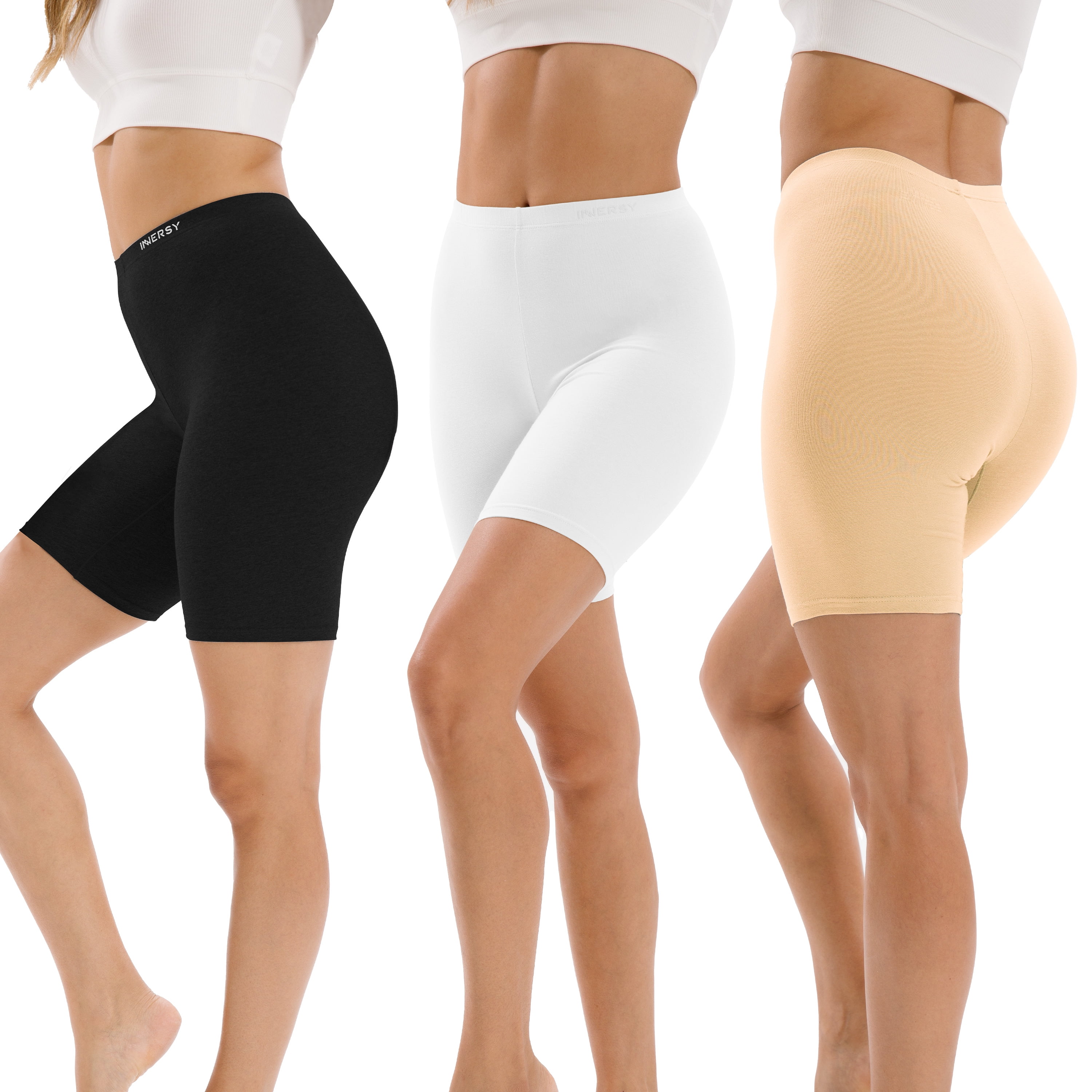
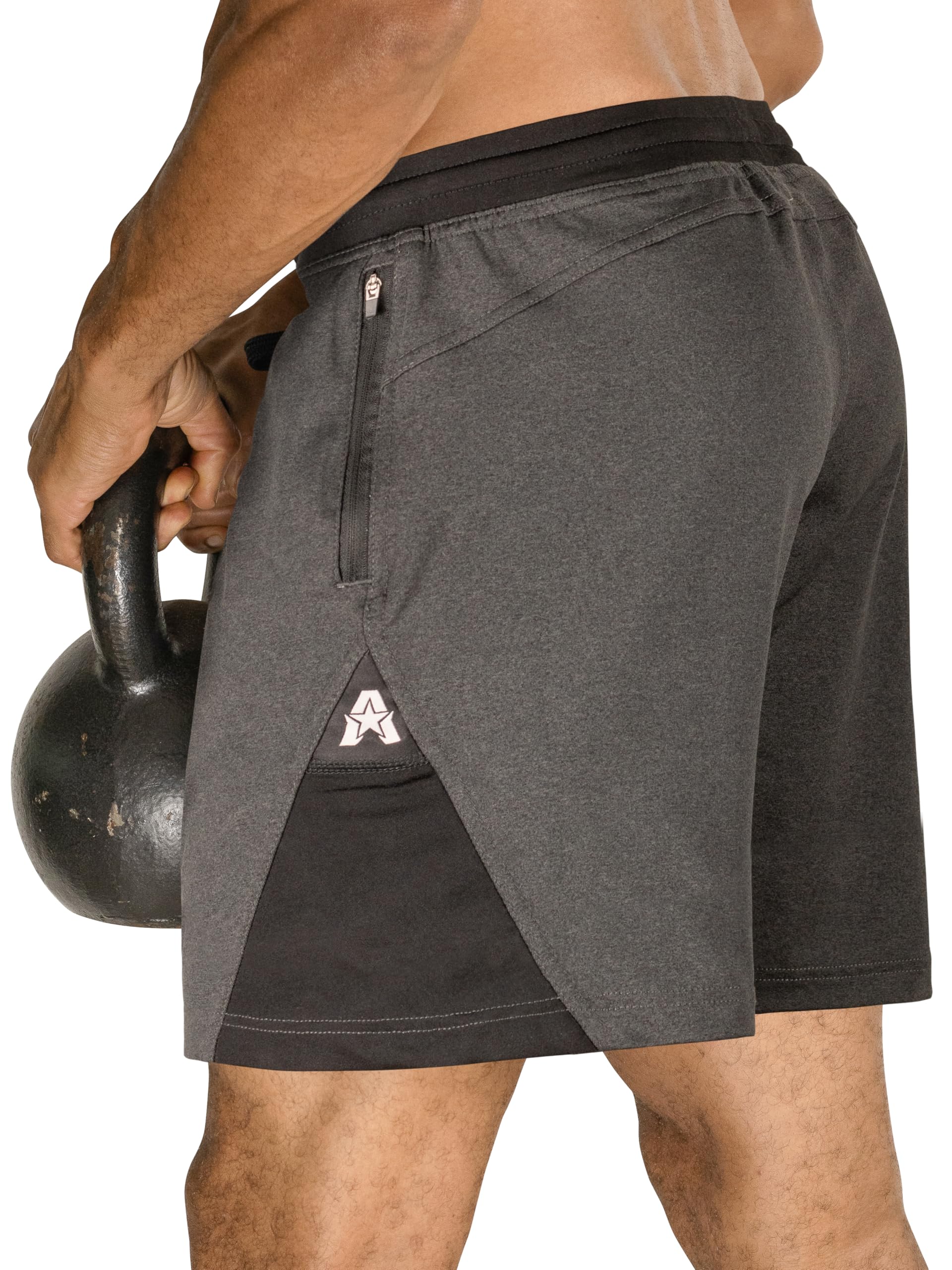
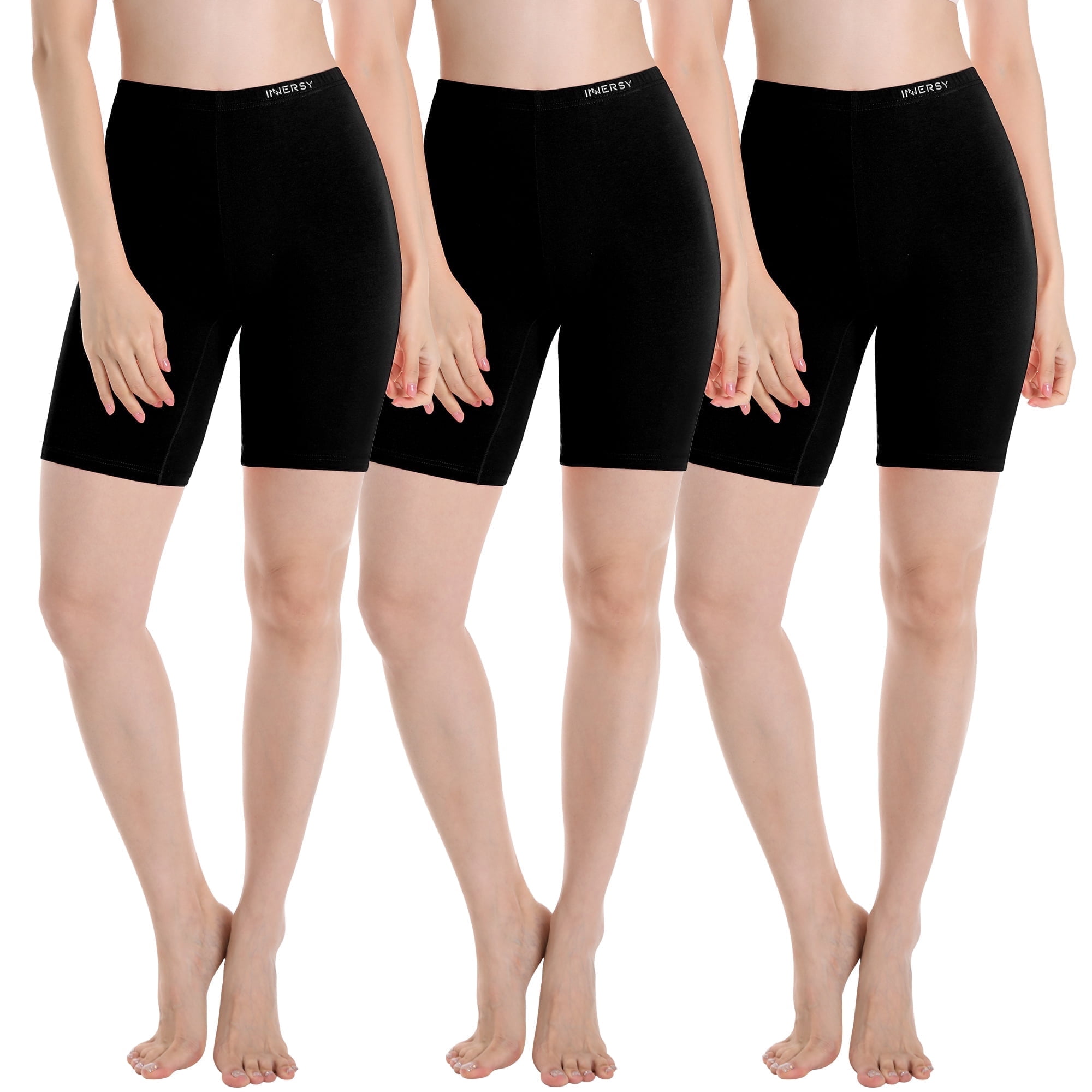
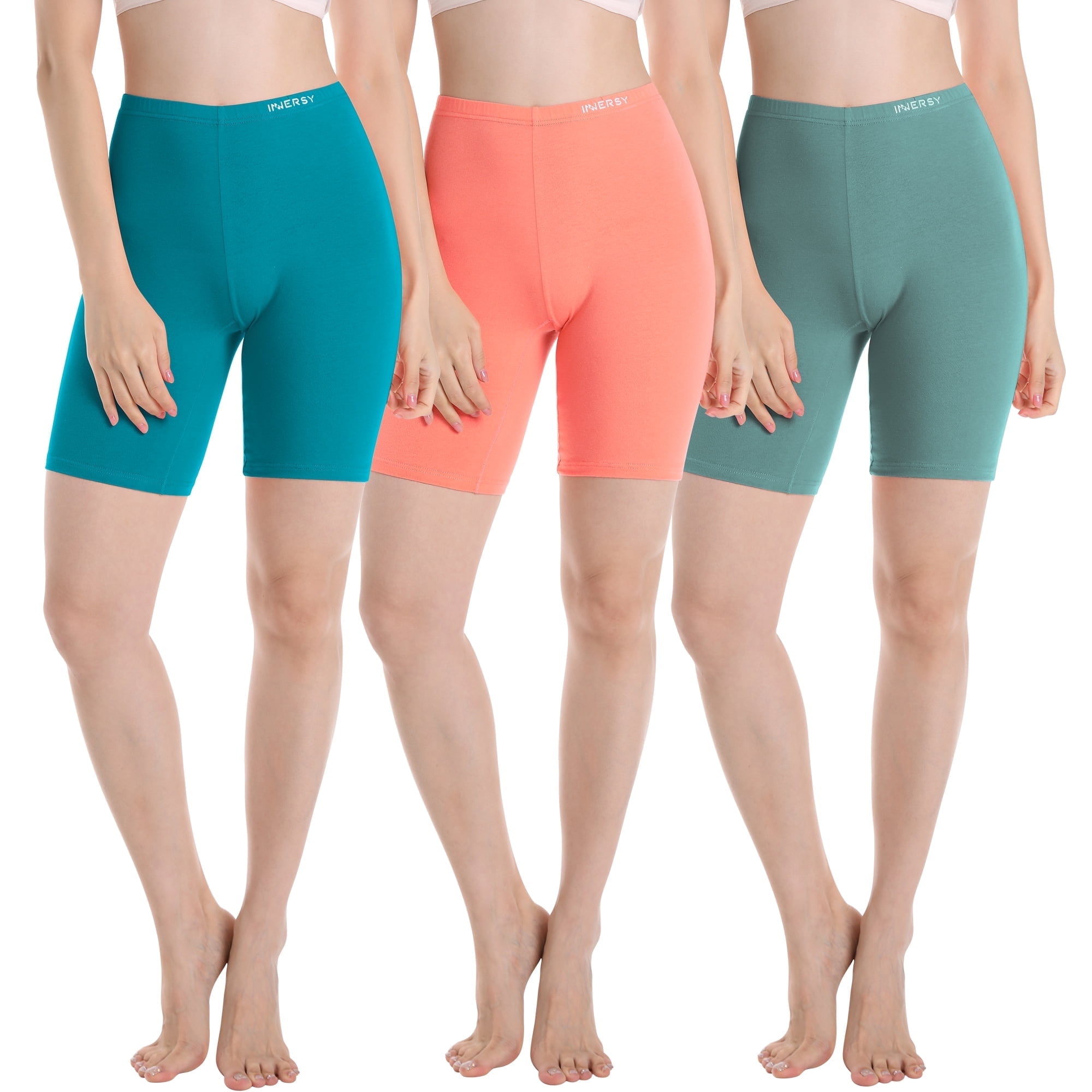
The Best Shorts to Prevent Chafing: Technical Features and Material Selection
Preventing chafing, or intertrigo in medical terms, requires apparel that minimizes friction and manages moisture through high-performance fabric construction and ergonomic design. The most effective shorts feature seamless constructio...
Preventing chafing, or intertrigo in medical terms, requires apparel that minimizes friction and manages moisture through high-performance fabric construction and ergonomic design. The most effective shorts feature seamless construction, flatlock stitching, and moisture-wicking, synthetic or semi-synthetic materials that keep the skin dry and prevent the repetitive rubbing that leads to skin irritation.
Contents
Understanding the Mechanics of Chafing
Chafing occurs when skin rubs against skin, or skin rubs against fabric, repeatedly. In high-activity scenarios, the combination of sweat and friction creates a breakdown of the skin’s protective barrier. Salt crystals from dried sweat act as abrasives, further irritating the compromised skin.
To combat this, your choice of shorts must address three specific factors: moisture management, mechanical friction reduction, and fit. Cotton, while comfortable in low-intensity environments, is detrimental during exercise because it absorbs moisture, becomes heavy, and loses its structural integrity, leading to increased friction. Conversely, purpose-built athletic shorts utilize technical fibers designed to transport moisture away from the skin (wicking) and evaporate it quickly, maintaining a dry environment that significantly reduces the coefficient of friction.
Material Science: Synthetic vs. Natural Fibers
When evaluating the "best" options, the composition of the fabric is the primary differentiator. High-performance athletic apparel relies on synthetic polymers engineered for specific mechanical properties.
- Polyester: The gold standard for moisture management. Polyester is inherently hydrophobic, meaning it does not absorb water. Instead, it channels moisture along the fibers to the outer surface of the fabric, where it can evaporate.
- Nylon: Often blended with elastane (Spandex), nylon offers superior durability and a smoother hand-feel compared to polyester. It is highly resistant to abrasion, making it ideal for high-intensity movement.
- Elastane/Spandex: Essential for compression and fit. By ensuring the short stays tight against the body, these fibers prevent the loose fabric movement that often causes skin-to-fabric chafing.
- Tencel/Lyocell: A semi-synthetic fiber derived from wood pulp that is increasingly common in premium athletic wear. It is exceptionally soft against the skin and provides better moisture absorption properties than traditional synthetic fibers while remaining more breathable than cotton.
Ergonomic Design and Construction Features
The way a pair of shorts is assembled is just as important as the fabric itself. Even the most moisture-wicking material will fail if the seams create pressure points or ridges against the skin.
Flatlock Stitching Standard garments often use overlock stitching, which creates a raised "bump" on the interior of the fabric. During repetitive motion, this ridge acts as a grinding surface. Flatlock stitching, by contrast, lays the seams flat against the fabric, creating a smooth surface that eliminates the potential for line-based irritation.
Seamless Technology Many modern compression shorts utilize circular knitting technology, which produces a garment with almost no vertical seams. By removing the seams from the inner thigh area, manufacturers eliminate the most common point of friction for endurance athletes.
Gusseted Crotch A gusset is a diamond or triangular piece of fabric sewn into the crotch area. This design allows for a greater range of motion and prevents the four-way seam intersection common in lower-quality shorts. A well-placed gusset ensures that the fabric does not bunch or pull, which is a leading cause of localized discomfort.
Comparison of Short Types for Chafing Prevention
| Short Type | Primary Benefit | Ideal Use Case | Material Focus |
|---|---|---|---|
| Compression Shorts | Minimal skin-on-skin friction | Running, cycling, lifting | Nylon/Elastane blends |
| Lined Running Shorts | Integrated moisture barrier | Trail running, long-distance | Polyester with mesh liners |
| Seamless Leggings/Shorts | No friction points | Yoga, pilates, mobility work | Microfiber synthetics |
| Bike Shorts | Padding + friction reduction | Cycling (long distance) | High-denier nylon blends |
Selection Criteria for Optimal Performance
To select the correct shorts for your specific needs, assess the duration and intensity of your activity. For short-duration activities (under 45 minutes), standard athletic shorts with a high-quality, soft-touch liner are often sufficient. For endurance activities (marathons, long-distance cycling), compression-style shorts are recommended to lock the skin in place and eliminate movement.
- Compression Level: Ensure the garment provides enough compression to stabilize the muscle and skin but is not so tight that it restricts blood flow or causes rolling at the waistband.
- Inseam Length: Longer inseams (typically 7 to 9 inches) are generally more effective at preventing inner-thigh chafing because they cover the entire contact area where thighs typically rub.
- Waistband Construction: A wide, flat waistband prevents the short from sagging or folding over. If a short sags, the friction point moves, increasing the likelihood of chafing.
Common Mistakes and Maintenance
One common error is selecting shorts that are either too large or too small. Oversized shorts shift with every stride, creating repetitive friction, while shorts that are too small create excessive tension that can cause the fabric to bite into the skin.
Maintenance Requirements:
- Avoid Fabric Softeners: Softeners coat the synthetic fibers in a thin layer of wax or silicone, which clogs the pores of the fabric and renders moisture-wicking technology ineffective.
- Wash in Cold Water: High heat can degrade the elastane fibers, causing them to lose their stretch and rebound capability.
- Air Dry: Tumble drying generates heat that can compromise the adhesive or bonded seams found in high-performance garments.
FAQ: Addressing Common Concerns
Does wearing cotton underwear under performance shorts help? No. Cotton underwear is the most common cause of chafing. Cotton absorbs sweat and holds it against the skin, creating a moist, abrasive environment. Always opt for moisture-wicking underwear or shorts with integrated performance liners.
What is the role of anti-chafe balms? Balms, often containing silicone or petroleum, are a secondary defense. They are best used in conjunction with high-quality shorts to provide an additional layer of lubrication. They should never be used as a replacement for proper garment selection.
How do I know if my shorts are the cause of my chafing? If you experience irritation along the lines of your seams, the construction of the shorts is likely the culprit. If the irritation is broad and widespread, the fabric's inability to manage sweat is likely the issue.
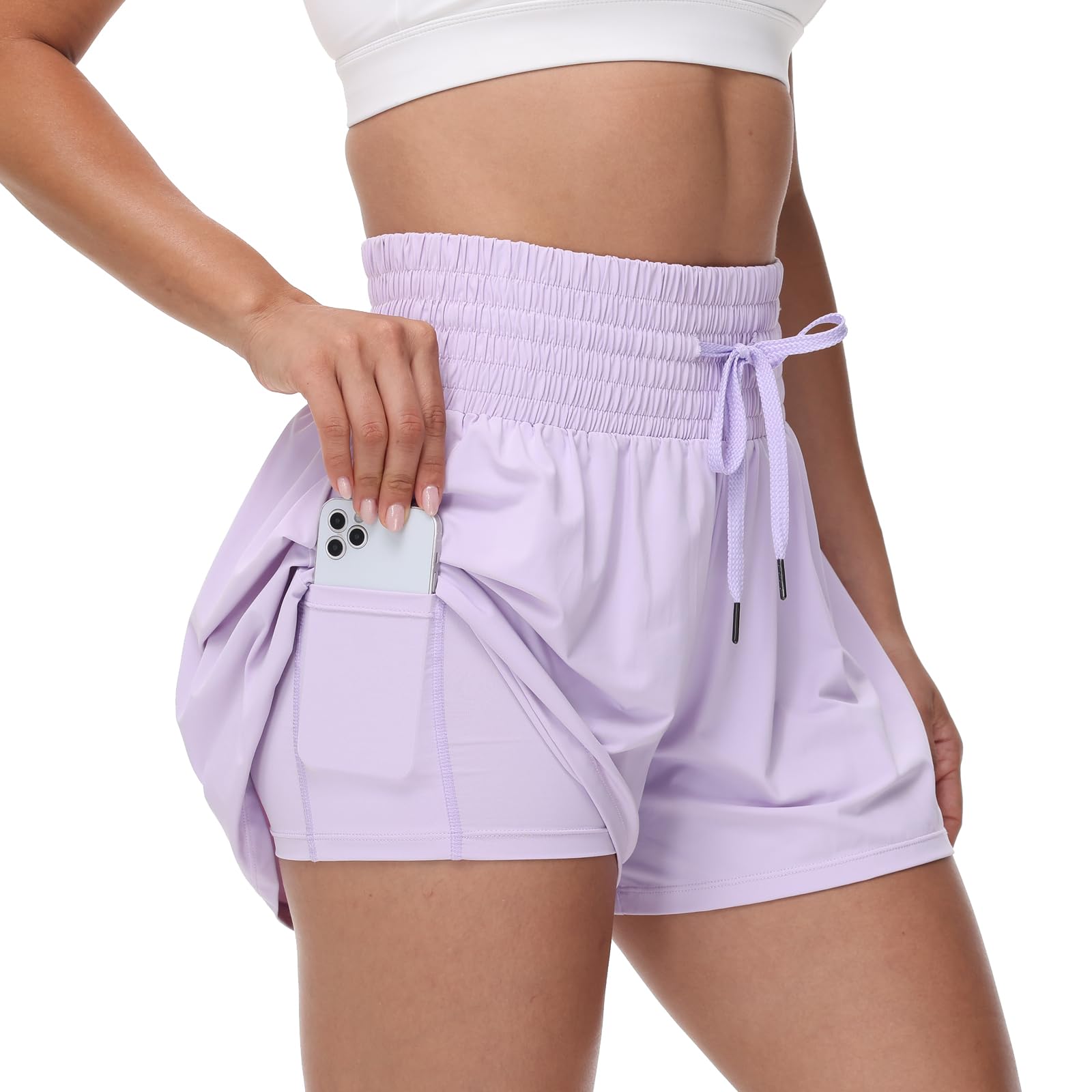
Should I wear compression shorts under loose-fitting shorts? This is a popular method among endurance runners. The compression layer acts as a "second skin" to prevent thigh-on-thigh friction, while the loose outer layer provides modesty and breathability.
Recommendation
If you are currently experiencing frequent chafing, prioritize the acquisition of high-compression, flatlock-stitched garments composed primarily of nylon and elastane. Ensure that the inseam length reaches the mid-thigh to provide a continuous barrier between skin surfaces. Always test new gear on shorter sessions before committing to long-distance efforts.
Image Gallery