Understanding Intent-Based Leadership in Modern Teams: A Guide to the Leader-Leader Model
Intent-based leadership is a management framework that replaces the traditional "command and control" structure with a decentralized model where team members communicate their planned actions rather than waiting for instructions. By sh...
Intent-based leadership is a management framework that replaces the traditional "command and control" structure with a decentralized model where team members communicate their planned actions rather than waiting for instructions. By shifting authority to those with the most relevant information, organizations foster high levels of ownership, psychological safety, and operational agility in complex environments.
Contents
In the fast-evolving corporate landscape of 2026, the traditional top-down hierarchy often creates bottlenecks that stall innovation. As teams become more distributed and reliant on specialized technical knowledge, the "Leader-Follower" model—where one person thinks and others execute—has become a liability. Intent-based leadership (IBL), popularized by retired U.S. Navy Captain L. David Marquet, offers a proven alternative: the "Leader-Leader" model. This approach is not merely about delegation; it is about a fundamental shift in how power and information flow within a professional group.
The Foundations of the Leader-Leader Model
The core philosophy of intent-based leadership rests on the belief that everyone in an organization can, and should, be a leader. In a "Leader-Follower" environment, the organization’s performance is limited by the cognitive capacity and energy of the person at the top. When that leader fails or becomes overwhelmed, the entire system falters.
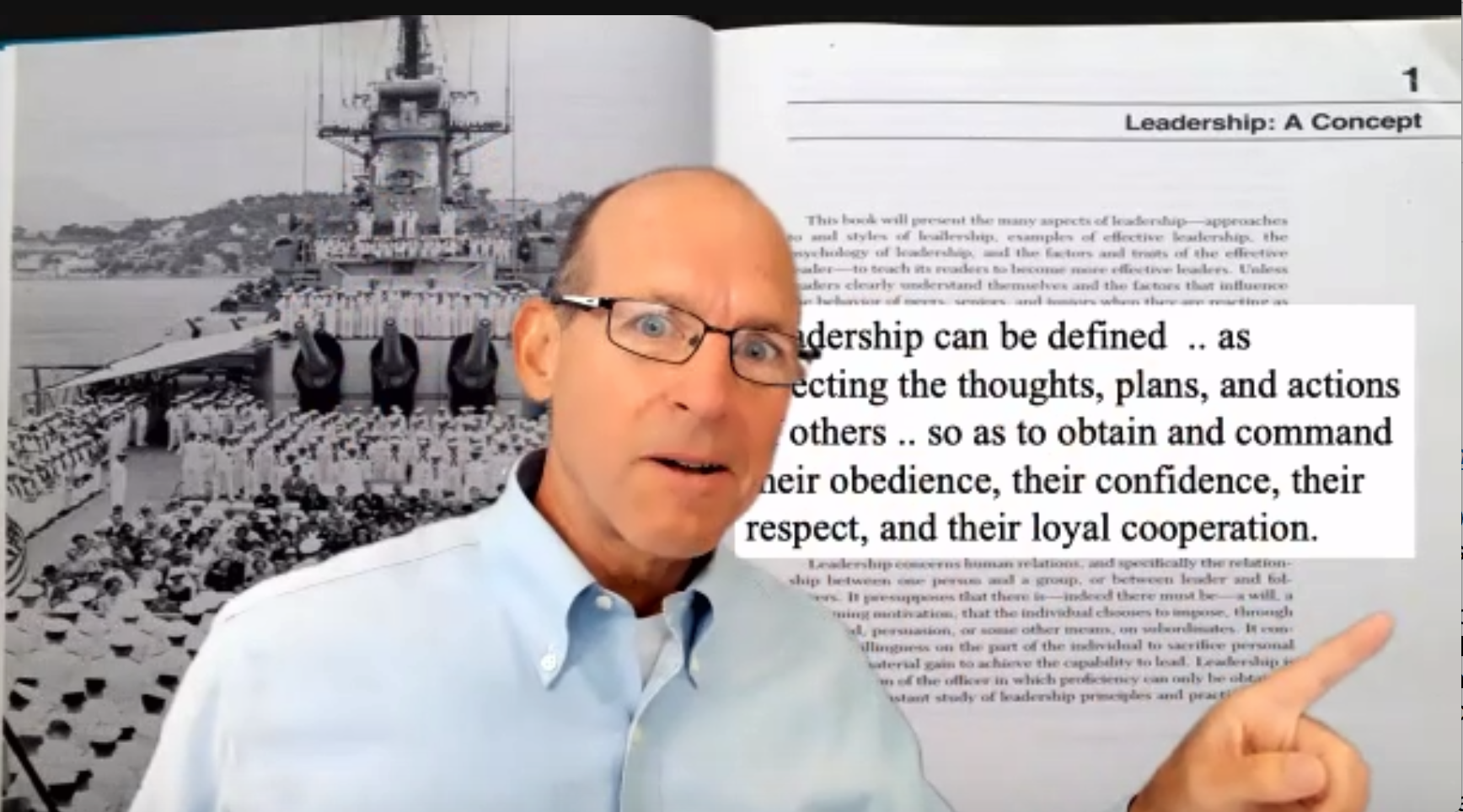
Conversely, the "Leader-Leader" model assumes that team members are capable of making high-stakes decisions if they are provided with the necessary tools and context. This model was famously tested by Marquet aboard the USS Santa Fe, a nuclear-powered submarine that went from being the worst-performing ship in the fleet to the best by eliminating the practice of giving orders. Instead of the captain commanding every maneuver, the crew began saying, "I intend to..." This linguistic shift forced the crew to think through the technical and safety implications of their actions before speaking, while the captain moved into a role of oversight and validation rather than micro-management.
The Three Pillars: Control, Competence, and Clarity
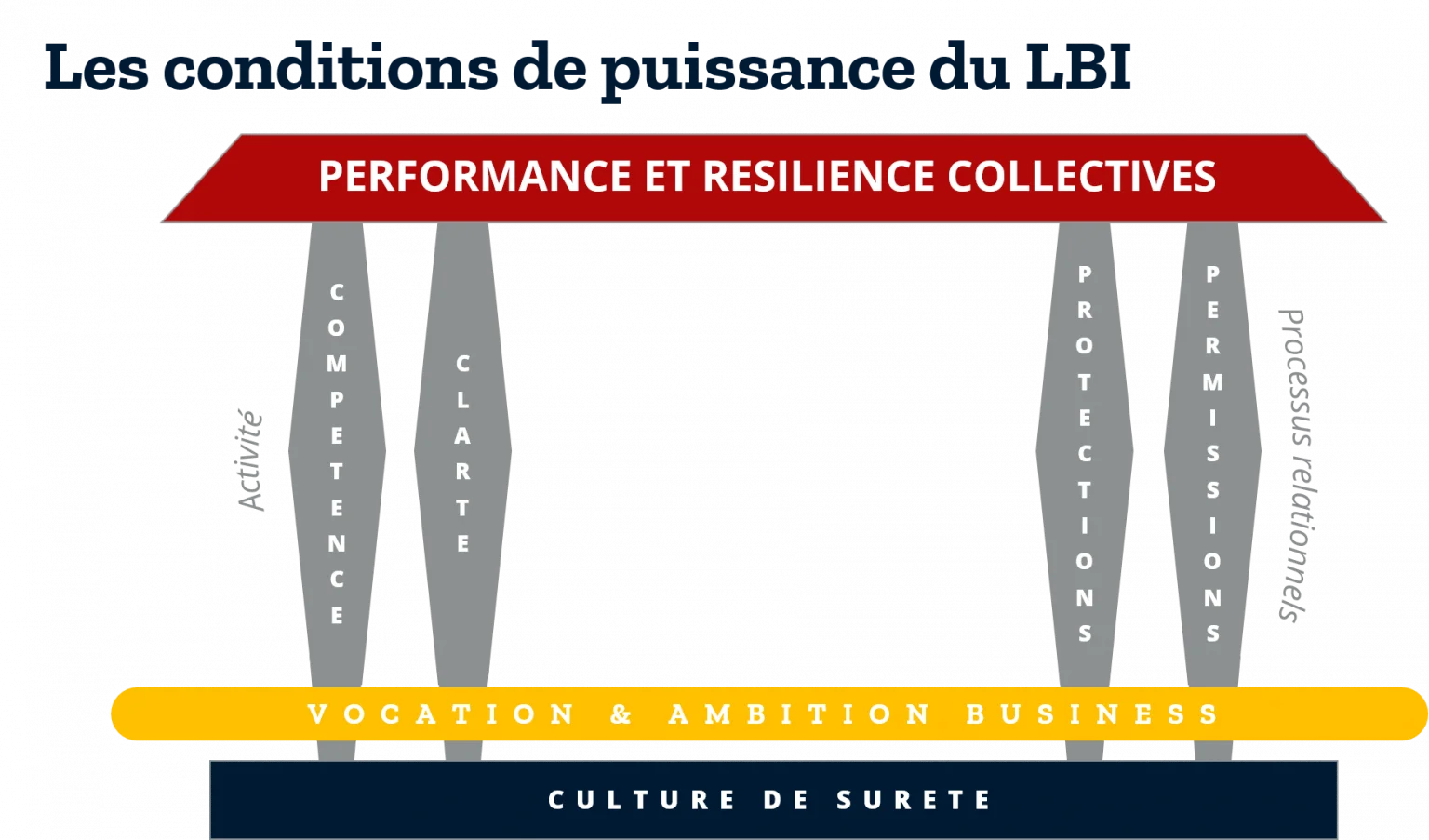
You cannot simply give away control without ensuring the team is prepared to handle it. Intent-based leadership relies on a tripod of interconnected requirements. If any leg of this tripod is missing, the transition to empowerment will likely lead to chaos or failure.
1. Control
Control refers to the authority to make decisions. In modern teams, this means moving the "decision rights" to where the information resides. For instance, a software engineer often knows more about the implications of a specific code deployment than a high-level project manager. Giving that engineer the control to decide when to deploy—provided they communicate their intent—reduces friction and increases speed.
2. Competence
Empowerment without competence is a recipe for disaster. Before a leader can relinquish control, they must be certain that the team possesses the technical skills and experience required to make sound decisions. In 2026, this involves continuous upskilling and the use of AI-driven simulations or peer-review systems to verify that team members understand the "How" of their tasks. If a leader finds they cannot give control because they don't trust the team’s ability, the solution is not more oversight, but more training.
3. Clarity
Clarity involves ensuring every team member understands the organization's goals, constraints, and purpose. When the mission is clear, team members can align their "intents" with the broader strategy. Without clarity, even a competent team will pull in different directions. Leaders in an intent-based system spend the majority of their time communicating the "Why" and the "What," leaving the "How" to the experts on the ground.
Implementing "I Intend To" in Professional Workflows
The most practical application of this framework is the replacement of requests for permission with statements of intent. This creates a psychological shift from passive obedience to active ownership.
| Feature | Traditional (Leader-Follower) | Intent-Based (Leader-Leader) |
|---|---|---|
| Communication Pattern | "Request permission to..." | "I intend to..." |
| Decision Location | At the top of the hierarchy. | Where the information is located. |
| Primary Skill | Obedience and execution. | Initiative and critical thinking. |
| Leader's Role | Directing and monitoring. | Coaching and providing clarity. |
| Psychological State | Passive / Risk-averse. | Proactive / Accountable. |
| Outcome Focus | Compliance with the plan. | Achievement of the objective. |
When a team member says, "I intend to ship the update at 4:00 PM," they have already performed a mental check of the requirements, risks, and benefits. The leader’s response is typically, "Very well," or "What are the risks to the server load?" This dialogue encourages the team member to stay in "active mode" rather than "waiting mode."
Why Modern Teams Require Intent-Based Leadership
The workplace of 2026 is characterized by high volatility and the integration of complex technologies. Traditional management styles struggle to keep pace for several reasons:
- Remote and Hybrid Dynamics: In distributed environments, constant supervision is impossible and detrimental to morale. IBL provides a framework for trust that doesn't rely on physical presence.
- The War for Talent: High-performing professionals, especially in tech and creative sectors, demand autonomy. They do not want to be "managed"; they want to be "led" and empowered.
- Agility and Speed: Competitive advantage in 2026 is often measured in hours, not weeks. Waiting for a series of approvals through a chain of command can lead to missed market opportunities.
- Resilience: When leadership is distributed, the organization is more resilient. If a key executive is unavailable, the team continues to function effectively because the decision-making "muscles" have already been developed at all levels.
Common Obstacles and How to Overcome Them
Transitioning to an intent-based model is rarely seamless. It requires unlearning decades of behavioral conditioning.
The "Expert" Trap: Many leaders reached their positions because they were the best technical performers. They often feel a compulsion to "fix" or "improve" every idea their team presents. To succeed with IBL, a leader must learn to resist the urge to provide the answer and instead ask, "What do you think we should do?"
Lack of Psychological Safety: If a team member is punished for an "intent" that leads to a mistake, the entire model collapses. For IBL to work, there must be a culture that views errors as learning opportunities. Leaders must distinguish between "bad process" and "bad luck." As long as the process—the thinking behind the intent—was sound, the individual should be supported.
The "Quiet" Team Member: Not everyone is naturally inclined to speak up with intentions. Some may feel more comfortable being told what to do. In these cases, leaders must use the "Ladder of Leadership" to gradually move individuals from "Tell me what to do" to "I think..." and eventually to "I intend to..."
The Role of Technology in Intent-Based Teams
In 2026, digital platforms are essential for maintaining the visibility required for IBL. Project management tools are no longer just for task tracking; they serve as "Intent Boards."
When intent is documented in a shared digital space, it provides asynchronous clarity. Other departments can see what a specific team intends to do and provide feedback or flag potential conflicts before action is taken. This transparency reduces the need for constant meetings, as the "intent" acts as a live update of the project’s direction. Furthermore, AI-integrated tools can now scan "intents" for alignment with company policy or technical constraints, providing a first layer of validation that empowers the team even further.
Frequently Asked Questions
Does intent-based leadership mean I shouldn't give orders in an emergency?
In genuine crises where time is the primary constraint (e.g., a physical safety hazard or a major cybersecurity breach), a leader may need to revert to direct orders. However, the goal of IBL is to build a team so competent that even in an emergency, they are announcing their intents rather than waiting for instructions. In the original naval context, even in high-pressure drills, the "I intend to" model remained the primary mode of operation.
How do I measure the success of an intent-based approach?
Success is measured by the "leadership capacity" of your team. Look for a reduction in the time it takes to make decisions and an increase in the number of suggestions coming from the bottom up. Another key indicator is the "vacation test": if you can step away for two weeks and the team continues to hit its goals without calling you for permissions, your intent-based system is working.
What if a team member's "intent" is wrong?
When a team member states an intent that seems incorrect, do not simply say "No." Use it as a coaching moment. Ask questions like, "What are you assuming about the budget?" or "How does this intent align with our goal of customer retention?" This helps the leader identify whether the issue is a lack of competence (they don't know how) or a lack of clarity (they don't know why).
Is this model applicable to entry-level employees?
Yes, but the level of control granted must match their level of competence. An entry-level employee might start by stating, "I've noticed X, and I recommend Y." As they prove their competence and understanding of company goals, they move up the ladder to "I intend to do Y," and eventually, they simply inform the leader: "I have done Y."
How does intent-based leadership impact employee retention?
IBL significantly improves retention by increasing "cognitive ownership." When employees feel they are the architects of their work rather than just the builders, their job satisfaction increases. Studies in organizational psychology consistently show that autonomy is one of the highest predictors of long-term employee engagement.
Practical Recommendation: Starting the Transition
To begin implementing intent-based leadership, start with a linguistic audit of your meetings. Notice how often your team asks, "Can I...?" or "What should I do about...?"
Your first action should be to introduce the "I intend to" phrase. Inform your team that for the next month, you want them to stop asking for permission and instead state their intended plan of action. Commitment to this small change in vocabulary will reveal the gaps in competence and clarity within your organization, providing a roadmap for where you need to provide more training or better strategic communication. By 2026, the teams that master this shift will be the ones that outpace their competition through sheer collective intelligence.
Image Gallery