The Best Microfiber Couch for Everyday Comfort in 2026
The best microfiber couch for everyday comfort combines a high-density foam core with a heavy-duty polyester-nylon blend fabric boasting a rub count of at least 30,000. For 2026, the gold standard is a modular "performance" microfiber...
The best microfiber couch for everyday comfort combines a high-density foam core with a heavy-duty polyester-nylon blend fabric boasting a rub count of at least 30,000. For 2026, the gold standard is a modular "performance" microfiber sofa that offers stain resistance, breathability, and reinforced kiln-dried hardwood frames for long-term structural integrity.
Contents
Microfiber has long been the "workhorse" of the furniture industry, but in 2026, the material has evolved far beyond the static-heavy, suede-imitation fabrics of the past. Modern microfiber—often marketed as "performance suede" or "cleansable velvet"—utilizes ultra-fine synthetic fibers that are split to be thinner than a strand of silk. This creates a surface that is incredibly soft to the touch while maintaining a dense weave that prevents pet hair, dust, and spills from penetrating the cushion. For anyone seeking a balance between a cozy lounging experience and the practical demands of a busy household, understanding the technical nuances of microfiber is essential.
Why Microfiber Remains the Top Choice for Daily Use
When we discuss "everyday comfort," we are referring to the intersection of tactile softness and physical support. Microfiber excels here because it is a synthetic composite, typically made from a blend of polyester and polyamide. The "micro" refers to the denier of the fiber; to be classified as microfiber, the material must be less than one denier in diameter. This extreme fineness allows for a much tighter weave than traditional cotton or linen.
The density of this weave provides two primary benefits for comfort. First, it creates a smooth, consistent texture that does not "itch" or irritate the skin like some wool or heavy linen blends. Second, the tightness of the weave acts as a barrier. While a loose-weave fabric allows crumbs and pet dander to fall into the fibers—causing localized hardening or "crunchiness" over time—microfiber keeps debris on the surface. In 2026, high-end microfiber couches often incorporate "breathable" backing layers that prevent the fabric from trapping body heat, a common complaint with older synthetic sofas.
Identifying the Technical Specs of a High-Quality Couch
Finding the "best" couch requires looking past the showroom floor and examining the technical specifications that determine how the piece will feel after three years of daily use.
The Fabric Rub Count (Wyzenbeek Test)
In the textile industry, durability is measured by the Wyzenbeek or Martindale tests, which simulate the wear of someone sitting down and getting up. For a couch used daily in a living room, you should look for a "heavy-duty" rating, which typically starts at 15,000 double rubs. However, the best microfiber couches in 2026 often exceed 50,000 double rubs, making them virtually impervious to the friction-based thinning that plagues cheaper furniture.
Cushion Composition and Density
Comfort is not just about the fabric; it is about what is underneath. The most comfortable microfiber couches utilize a multi-layer cushioning system:
- The Base Layer: High-resiliency (HR) foam with a density of at least 2.0 lbs per cubic foot. This provides the "push-back" that prevents you from feeling the wooden frame.
- The Transition Layer: A softer poly-foam or memory foam topper that contours to the body.
- The Wrap: A layer of synthetic down or Dacron fiberfill that gives the couch its initial "sink-in" feeling.
Frame Construction
A couch is only as good as its skeleton. The best options utilize kiln-dried hardwood (such as oak, maple, or ash). The kiln-drying process removes moisture from the wood, preventing it from warping or cracking over time. Avoid furniture made primarily of particleboard or thin plywood if you intend to use the couch every day, as these materials frequently fail at the joint connections under the stress of daily weight.
Comparing Microfiber to Alternative Materials
To understand why microfiber is the superior choice for everyday comfort in 2026, it is helpful to see how it stacks up against other popular upholstery options.
| Feature | Microfiber (Performance) | Top-Grain Leather | Natural Linen | Velvet (Cotton/Silk) |
|---|---|---|---|---|
| Softness | High (Suede-like) | Moderate (Needs break-in) | Low (Can be scratchy) | Extremely High |
| Stain Resistance | Excellent | Good (if treated) | Poor | Poor |
| Pet Friendliness | Best (Claw resistant) | Good (but scratches) | Poor (Snags) | Moderate |
| Maintenance | Easy (Water/Soap) | Specialized Cleaners | Professional Only | Professional Only |
| Average Cost | Mid-Range | High | Mid-to-High | High |
| Breathability | Moderate-High | Low | Excellent | Moderate |
As the table demonstrates, while leather is durable and linen is breathable, microfiber provides the most balanced profile for a household that cannot commit to the high-maintenance requirements of specialized fabrics.
The Importance of Cleaning Codes and Maintenance
One of the greatest contributors to "comfort" is cleanliness. A couch that smells of stale spills or feels sticky is not comfortable, regardless of its foam density. Microfiber is uniquely easy to maintain, but you must follow the manufacturer’s cleaning code, which is usually found on a tag under the seat cushions.
- Code W: This stands for "Water-based." You can use water and mild soap to clean stains. This is the most common and desirable code for microfiber.
- Code S: This stands for "Solvent." You must use a water-free dry-cleaning solvent. Using water on an "S" coded fabric can cause permanent rings or damage the fibers.
- Code S-W: You can use either water-based cleaners or solvents.
- Code X: Vacuum only. These are rare in 2026 but should be avoided for high-traffic "everyday" use.
In 2026, many top-tier microfiber couches feature removable, machine-washable covers. This is a game-changer for everyday comfort, allowing you to deep-clean the entire exterior of the sofa twice a year, ensuring it stays as fresh as the day it was delivered.
Ergonomics and Layout: Choosing the Right Shape
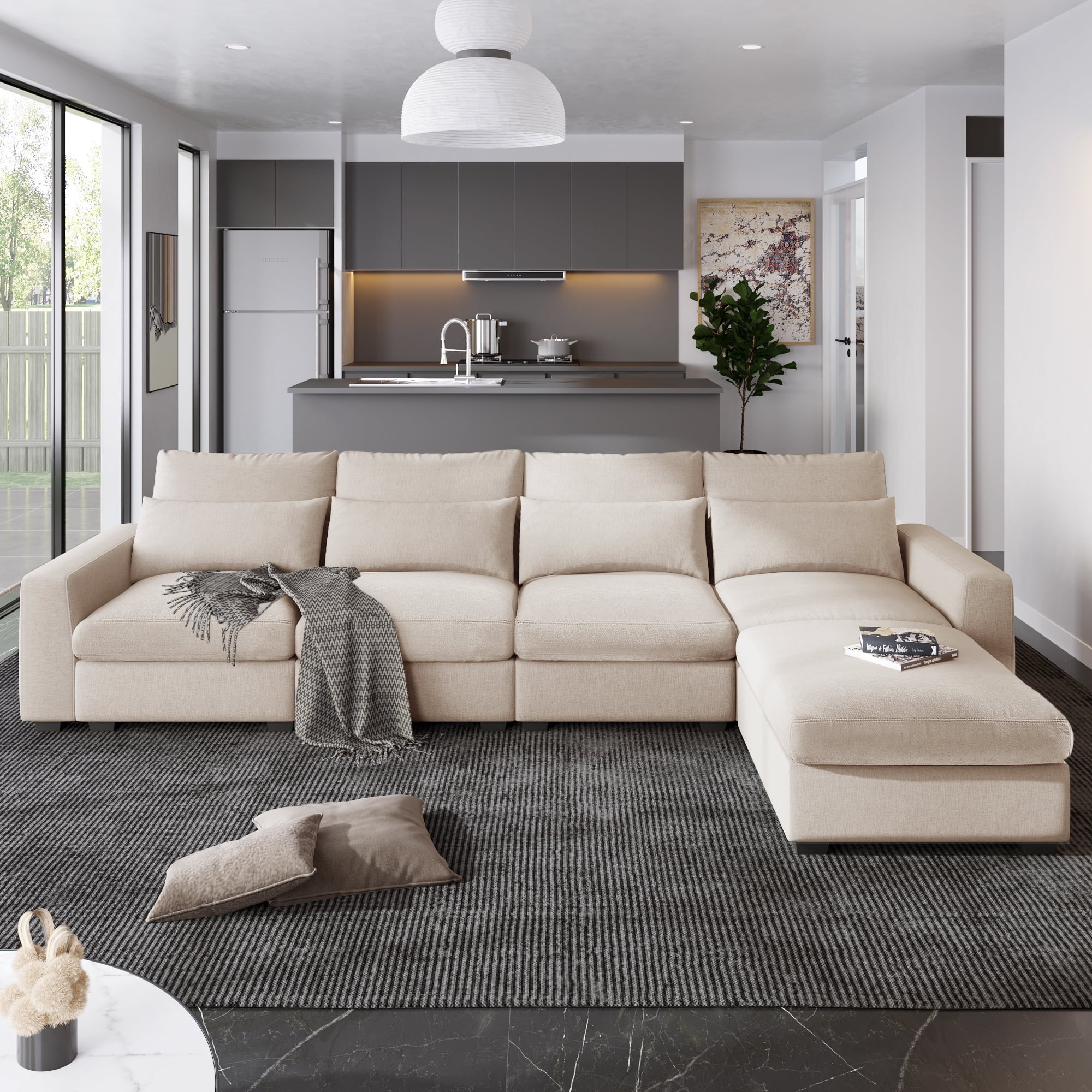
For everyday comfort, the physical layout of the couch matters as much as the fabric. In 2026, the trend has shifted toward modular sectionals. These allow users to configure the couch based on their specific lounging habits.
- Deep Seating: For those who prefer to "curl up," look for a seat depth of 24 inches or more. Standard seating is usually 20-22 inches, which is better for upright conversation but less ideal for naps or movie marathons.
- Pitched Backrest: A slightly angled backrest (about 10-15 degrees) provides better lumbar support than a perfectly vertical back.
- Armrest Height: If you often use your couch for napping, look for "pillow-top" armrests or low-profile arms that won't strain your neck.
Common Pitfalls to Avoid When Buying
When searching for the best microfiber couch, avoid these common mistakes that can lead to "buyer's remorse" within the first year:
- Ignoring the "Pilling" Factor: Lower-grade microfibers use shorter staples (fiber lengths), which can rub together and create small balls of fabric (pilling). Ask the retailer specifically about the pilling resistance of the fabric.
- Overlooking the Suspension: Even the best foam will sag if the suspension is weak. Look for sinuous springs (S-shaped wires) or, ideally, eight-way hand-tied springs. Avoid "webbing" suspensions for everyday use, as they tend to stretch and lose tension.
- Choosing "Bonded" Microfiber: Some manufacturers use a thin layer of microfiber bonded to a cheap backing. This layer can peel or delaminate over time. Ensure the fabric is a solid, integrated weave.
- Static Electricity: Cheaper synthetics can generate static in dry climates. In 2026, many performance microfibers are treated with anti-static finishes. If you live in a dry area, verify this feature.
Frequently Asked Questions
Does pet hair stick to microfiber couches?
Microfiber is actually one of the best fabrics for pet owners. Because the weave is so tight, pet hair generally cannot weave itself into the fabric. Instead, it sits on the surface, where it can be easily removed with a vacuum attachment or a rubber squeegee. Unlike linen or tweed, there are no large gaps for hair to become trapped.
Will a microfiber couch make me feel too hot?
Historically, synthetic fabrics had poor breathability. However, by 2026, high-quality microfiber couches utilize "moisture-wicking" technology and porous backing materials. To ensure comfort, look for couches labeled as "breathable performance fabric" or "air-weave microfiber." Avoid cheap, vinyl-backed micro-suedes which trap heat.
How do I remove a water stain from microfiber?
If your couch is Code W or S-W, you can usually remove stains by lightly misting the area with distilled water (or a mix of water and a drop of dish soap) and blotting—never rubbing—with a white microfiber cloth. For stubborn stains, many 2026 consumers use specialized upholstery cleaners designed for synthetic blends. Always test a small, hidden area first.
Does microfiber pill over time?
High-quality microfiber is highly resistant to pilling because the filaments are continuous and tightly woven. Pilling is more common in blended fabrics that mix synthetic and natural fibers (like a poly-cotton blend). A 100% polyester or nylon microfiber is unlikely to pill if it has a high rub count.
How long should a good microfiber couch last?
With a kiln-dried hardwood frame and high-density foam, a premium microfiber couch should last 7 to 10 years of daily use. The fabric itself is often the last part to fail; usually, the internal foam or the suspension system will begin to degrade before the microfiber wears through.
Final Recommendation for Everyday Comfort
To secure the best microfiber couch for everyday comfort in 2026, prioritize a modular sectional with a kiln-dried frame and a 2.2-density foam core. Look specifically for "Performance Microfiber" with a cleaning code of "W" and a Wyzenbeek rating of 30,000+ double rubs. This combination ensures that the sofa remains structurally sound, easy to maintain, and soft enough for hours of daily relaxation. Whether you are dealing with pets, children, or simply want a durable place to unwind, these technical standards represent the pinnacle of modern furniture engineering.
Image Gallery