Finding the Best University for Writing: Programs, Criteria, and Admissions
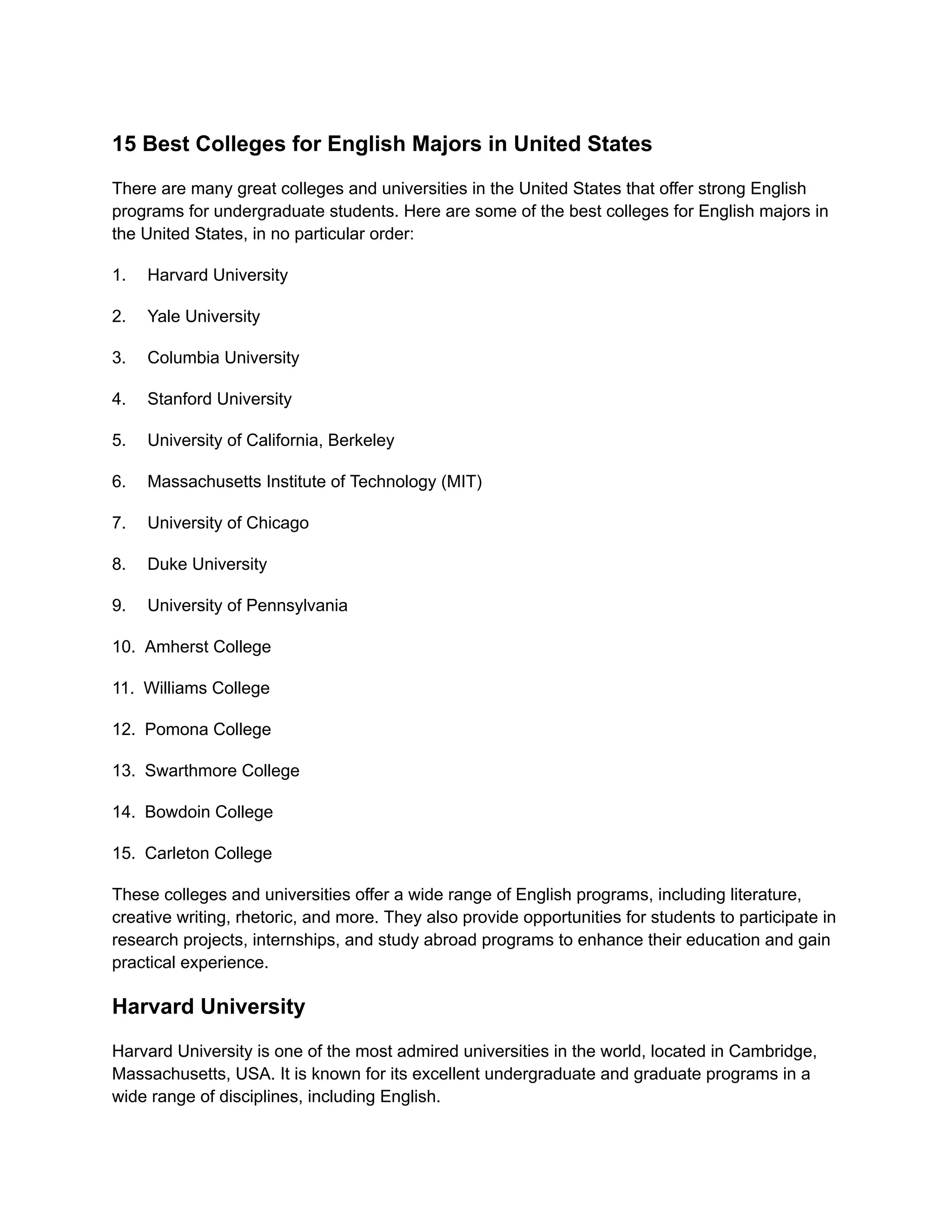
When evaluating the single best university for writing, prospective students quickly discover that creative and professional writing excellence is distributed across several elite institutions rather than concentrated in a single monop...
When evaluating the single best university for writing, prospective students quickly discover that creative and professional writing excellence is distributed across several elite institutions rather than concentrated in a single monopoly. The top-ranked programs depend on whether you want a Bachelor of Fine Arts (BFA) in Creative Writing, an MFA, or specialized technical and professional communication training.
Contents
Choosing the right institution requires examining faculty credentials, publication placement records, workshop models, and alumni networks. This guide breaks down the leading universities for writers, how to evaluate them, and what it takes to gain admission.
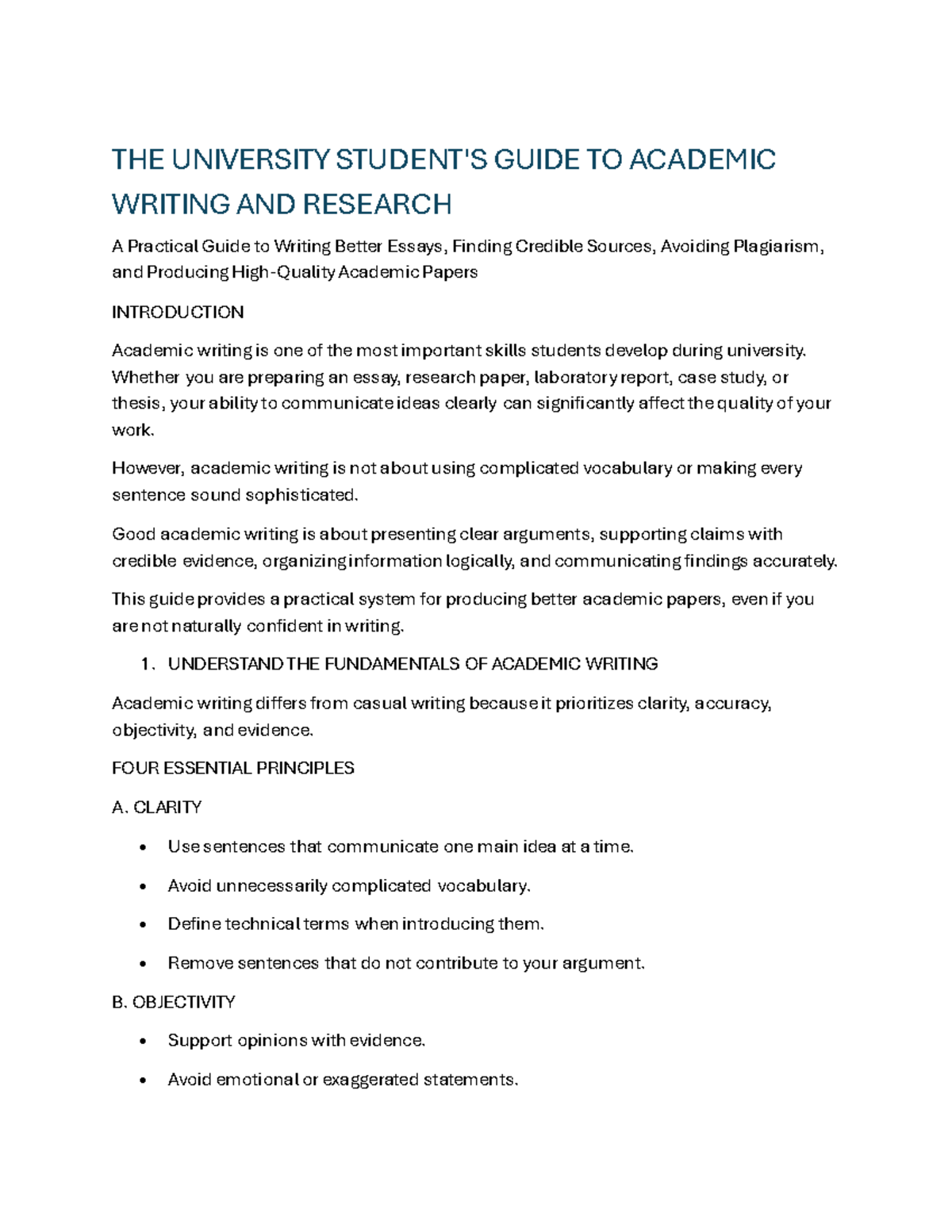
Defining Excellence in Writing Education
Evaluating a writing program demands looking beyond general university prestige. A school with an elite overall reputation might lack the dedicated workshop infrastructure, literary magazine backing, and specialized faculty required to turn a promising manuscript into a publishable work.
The premier writing universities share specific structural traits:
- Renowned Resident and Visiting Faculty: Instructors who are actively publishing award-winning novels, poetry collections, or journalism provide invaluable mentorship.
- Rigorous Workshop Methodologies: Small class sizes where student manuscripts undergo intensive peer and faculty critique form the backbone of top programs.
- Literary Infrastructure: Access to undergraduate- or graduate-run literary magazines, publishing houses, and translation presses.
- Professional Placement: Strong pipelines into literary agencies, publishing houses, media conglomerates, and prestigious fellowships.
The Top Contenders for Writing Education
While preferences vary by genre and degree level, several institutions consistently rank at the apex of writing education based on peer assessments, faculty accolades, and alumni success.
1. The University of Iowa (The Iowa Writers' Workshop)
Long considered the gold standard for graduate-level creative writing, the University of Iowa's MFA program pioneered the academic workshop model. While the graduate workshop is strictly for MFA candidates, Iowa also offers robust undergraduate courses through its Department of English.
- Strengths: Unrivaled alumni network including recipients of Pulitzer Prizes, National Book Awards, and MacArthur Fellowships. Deep institutional commitment to contemporary literature.
- Focus: Primarily creative writing (fiction and poetry) with a deeply immersive workshop environment.
2. Columbia University (School of the Arts)
Located in New York City, Columbia offers a Master of Fine Arts in Writing that leverages its geographic proximity to the center of the American publishing industry.
- Strengths: Unmatched networking opportunities with editors, literary agents, and publishers based in Manhattan. Faculty features prominent contemporary authors across fiction, nonfiction, and poetry.
- Focus: Professional integration alongside rigorous artistic development.
3. Emerson College
Situated in Boston, Emerson specializes in communication and the arts, offering comprehensive undergraduate and graduate writing programs that blend creative expression with professional publishing skills.
- Strengths: Strong emphasis on the business side of writing, including publishing, editing, and multimedia storytelling. Home to student-run literary publications like Redivider.
- Focus: BFA and MFA options bridging creative writing, publishing, and professional communication.
4. Brown University
Brown offers a renowned Department of Literary Arts that emphasizes cross-genre exploration, innovation, and radical artistic risk-taking over traditional formulaic writing.
- Strengths: Highly flexible curriculum without core requirements, encouraging students to combine writing with philosophy, media studies, or visual arts.
- Focus: Innovative fiction, poetry, electronic literature, and playwriting.
Comparison of Leading Writing Programs
| Institution | Primary Writing Degrees Offered | Key Advantage | Geographic Hub |
|---|---|---|---|
| University of Iowa | MFA, BA, Minor | Legendary literary heritage and alumni network | Iowa City, Iowa |
| Columbia University | MFA | Direct access to the New York publishing industry | New York, New York |
| Emerson College | BFA, MFA, MA | Integration of creative writing and publishing operations | Boston, Massachusetts |
| Brown University | BA, MFA | Cross-genre experimentation and open curriculum | Providence, Rhode Island |
Admissions Criteria and Portfolio Preparation
Gaining admission to a top-tier university writing program is fiercely competitive. Unlike standard academic admissions that weigh GPA and standardized test scores heavily, writing programs place the vast majority of their evaluation weight on the creative portfolio.
The Writing Portfolio
Your portfolio is the core of your application. Admissions committees read dozens—sometimes hundreds—of writing samples looking for distinct voice, technical control, emotional resonance, and narrative pacing.
- Select Your Best Work: Do not submit your entire novel or a sprawling manuscript. Submit polished short stories, distinct chapters, or cohesive poetry packets that fit within the exact page limits specified by the university.
- Match the Genre: If applying for a fiction track, submit fiction. Mixing genres unless explicitly permitted can signal a lack of focus.
- Revise Relentlessly: Every sentence must be scrutinized for tautness, originality, and grammatical precision. Avoid clichés and overwritten prose.
Letters of Recommendation
Top programs require letters from individuals who can speak specifically to your work ethic, intellectual curiosity, and writing talent. Academic professors in literature or established creative writers hold significantly more weight than employers from unrelated fields.
The Personal Statement
The statement of purpose should articulate your artistic vision, reading habits, and reasons for wanting to study under specific faculty members at that exact institution. Avoid generic statements about "loving to write since childhood." Focus instead on your aesthetic influences, current projects, and what you intend to contribute to the workshop community.
Financial Considerations and Funding
Pursuing a degree in writing involves careful financial planning, particularly at the graduate level where MFA funding models vary dramatically.
- Fully Funded MFA Programs: Elite institutions such as the University of Iowa, the University of Michigan, and Indiana University offer fully funded MFA positions. These typically cover full tuition and provide a living stipend in exchange for teaching undergraduate composition or working for a literary magazine.
- Tuition-Based Programs: Many private institutions and high-profile urban universities require tuition payments or offer partial fellowships. Students must weigh the networking advantages of a city-based program against the debt load incurred.
- Undergraduate Scholarships: BFA candidates should investigate departmental writing scholarships, merit-based institutional aid, and portfolio-based writing competitions sponsored by national foundations.
Alternatives to Traditional University Writing Degrees
For writers who cannot relocate or afford a traditional four-year or graduate degree, viable alternatives exist:
- Low-Residency MFA Programs: Programs like those at Warren Wilson College or Bennington College allow students to study intensive writing via remote semesters combined with short, on-campus residencies.
- Independent Workshops and Fellowships: Organizations such as the Tin House Summer Workshop, the Sewanee Writers' Conference, and the Clarion Workshop offer elite mentorship without requiring a university degree.
Frequently Asked Questions
What is the most prestigious writing university in the world?
The University of Iowa is widely regarded as the most prestigious historically, specifically due to the Iowa Writers' Workshop. However, schools like Columbia University and Brown University match or exceed Iowa in specific undergraduate and graduate metrics, depending on whether the priority is publishing industry access or experimental literature.
Do I need a BFA in writing to get into an MFA program?
No. MFA admissions committees accept applicants from any undergraduate major—biology, history, engineering, or philosophy—provided the creative writing portfolio is exceptional. A diverse background often enriches a writer's thematic material.
Are online writing degrees respected by publishers?
Traditional publishing houses, literary agents, and academic institutions care almost exclusively about the quality of the writing and publication credits, not the delivery format of the degree. However, low-residency and online programs vary widely in quality; programs with rigorous admissions standards and workshop components carry the most weight.
How important is the workshop model in learning to write?
The workshop model exposes writers to diverse peer critiques, teaches them how to receive constructive criticism, and sharpens their ability to edit their own work objectively. While individual practice is essential, the workshop accelerates technical development through community engagement.
Next Actions for Prospective Applicants
- Audit Your Portfolio: Gather your strongest, most polished writing pieces and evaluate them against the submission guidelines of your target schools.
- Research Faculty: Read books written by faculty members at prospective universities to ensure your artistic sensibilities align with their mentorship style.
- Check Funding Deadlines: Note that priority application deadlines for competitive writing programs frequently land between December and January for enrollment the following autumn.
Image Gallery