Understanding the Financial Standing and Net Worth of Ndamukong Suh
As of 2026, Ndamukong Suh remains one of the most commercially successful defensive linemen in the history of the National Football League (NFL). His estimated net worth is widely reported to be in the range of $80 million to $100 mill...
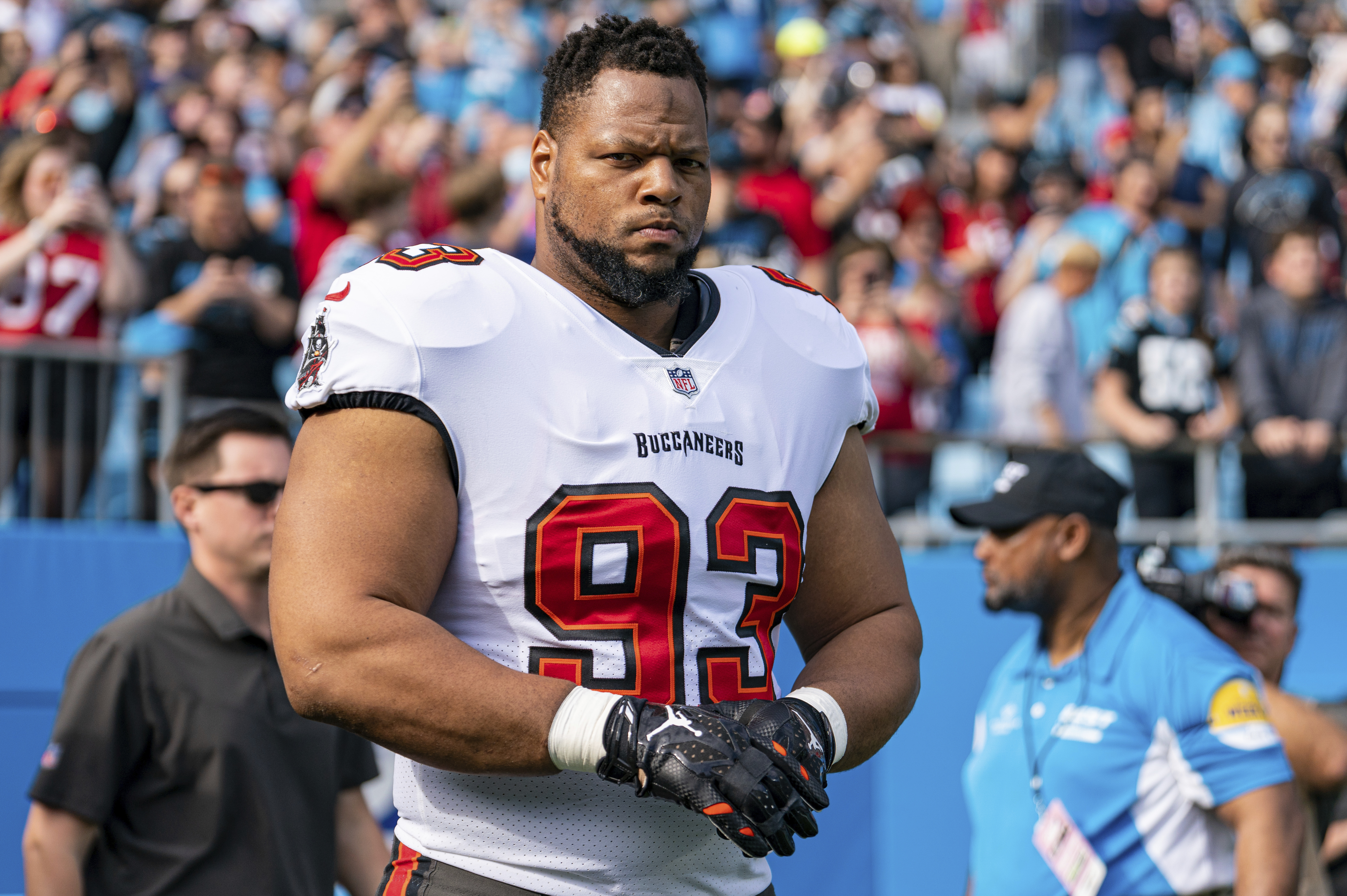
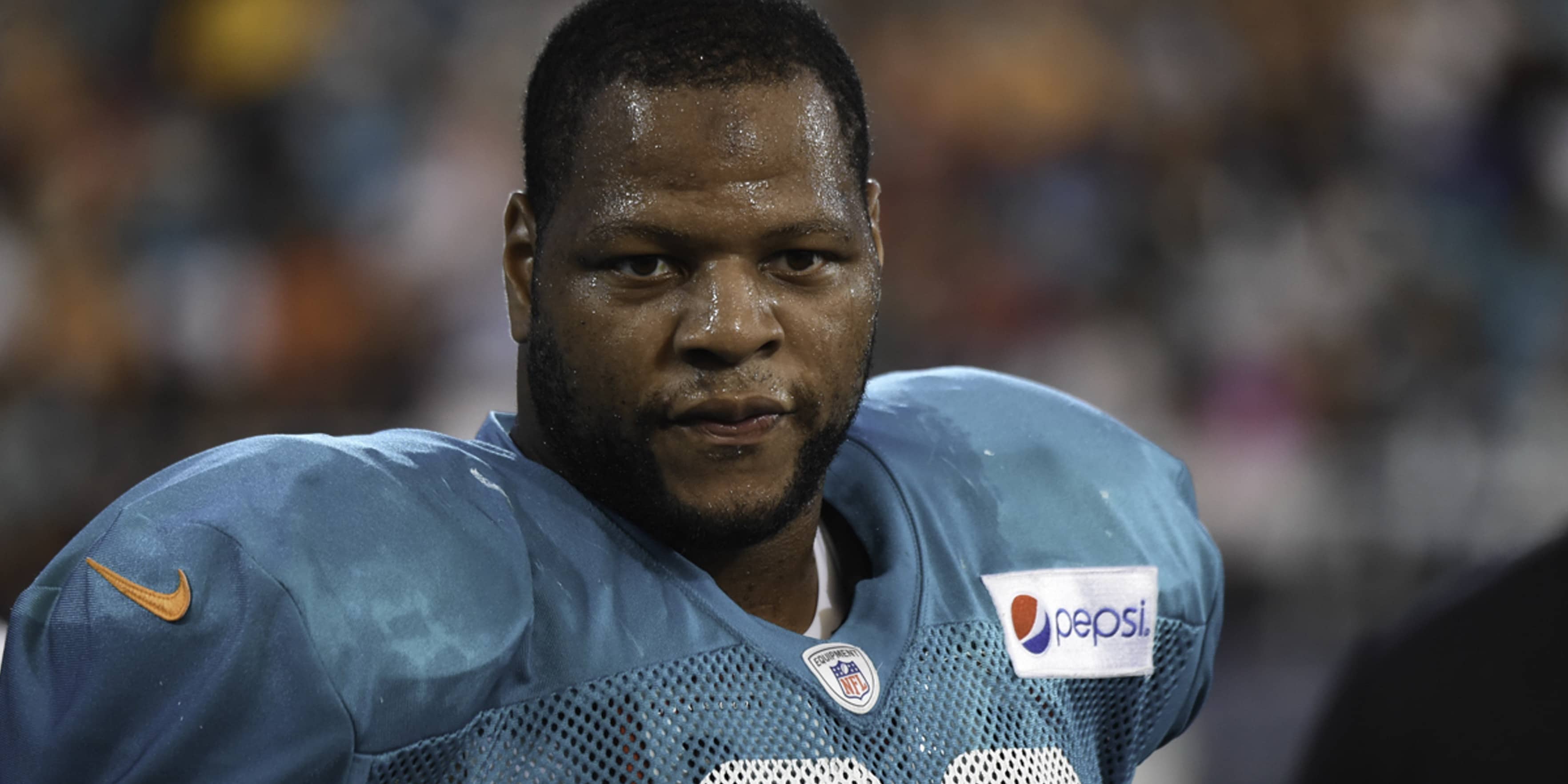
As of 2026, Ndamukong Suh remains one of the most commercially successful defensive linemen in the history of the National Football League (NFL). His estimated net worth is widely reported to be in the range of $80 million to $100 million, a figure derived from his prolific 13-season playing career, substantial signing bonuses, performance-based incentives, and strategic post-career investments in real estate and venture capital.
Contents
The Evolution of Ndamukong Suh’s Professional Earnings
Ndamukong Suh’s financial journey is fundamentally rooted in his status as a premier athlete. Drafted second overall by the Detroit Lions in the 2010 NFL Draft, his entry into the league was marked by a then-record-breaking contract for a non-quarterback rookie. Over the course of his career, which included stints with the Lions, Miami Dolphins, Los Angeles Rams, Tampa Bay Buccaneers, and Philadelphia Eagles, Suh consistently commanded top-tier market rates for his position.
His financial trajectory experienced a significant inflection point in 2015 when he signed a six-year, $114 million contract with the Miami Dolphins. This deal, which included $60 million in guaranteed money, set a new standard for defensive players at the time. Throughout his tenure, his earnings were not limited to base salary; they were bolstered by substantial signing bonuses—a hallmark of his contract negotiations—and a series of high-value restructures that provided liquidity and financial flexibility.
Diversification Beyond the Gridiron: The Investment Strategy
For professional athletes, long-term wealth preservation often depends on transitioning from salary-based income to asset-based wealth. Suh has been notably active in the private equity and real estate sectors. Unlike many of his peers who focus solely on high-yield, high-risk ventures, Suh’s investment profile has historically favored tangible assets and institutional partnerships.
His firm, Suh Family Office, has been the primary vehicle for his post-career financial activities. The strategy revolves around two core pillars:
- Commercial Real Estate: Suh has invested heavily in urban development projects, focusing on multi-family residential units and commercial office spaces. These assets provide a hedge against market volatility and generate consistent cash flow, which is essential for maintaining net worth after the cessation of professional athletic income.
- Venture Capital and Tech Equity: Through his investment arm, Suh has participated in various funding rounds for emerging technology firms. These private equity interests represent the speculative portion of his portfolio, aiming for high capital appreciation rather than immediate yield.
Comparative Financial Context: Defensive Linemen vs. Other Positions
To understand the scale of Suh's wealth, it is helpful to place his career earnings within the context of the broader NFL financial landscape. Historically, defensive tackles did not command the same market premiums as quarterbacks or wide receivers. However, Suh’s on-field dominance during his prime allowed him to break this industry pattern.
| Player Category | Average Peak Contract Value (Relative) | Revenue Concentration |
|---|---|---|
| Franchise Quarterback | Ultra-High | Salary + National Endorsements |
| Defensive Tackle (Elite) | High | Salary + Signing Bonuses |
| Wide Receiver | Medium-High | Salary + Incentives |
| Specialized Roles | Low-Medium | Performance Incentives |
Suh’s ability to maintain "Elite" status for over a decade meant that he functioned as a cornerstone player, which is the primary driver of the earnings disparity between him and the average career NFL player.
Factors Influencing Wealth Maintenance
Several factors explain why Suh’s net worth has remained substantial despite his relative transition away from full-time active play as of 2026.
- Tax Management: As a professional athlete who played in states with varying tax codes (including the high-tax environment of California and no-income-tax states like Florida), Suh utilized structured legal entities and financial planning to mitigate tax exposure.
- Duration of Performance: Longevity in the NFL is rare. By playing 13 seasons at an elite level, Suh maximized his "earning window." Most NFL careers last approximately 3.3 years; Suh’s career spanned more than triple that duration, allowing for compounded savings and investment growth.
- Endorsement Portfolio: While known primarily for his play, Suh secured several high-profile endorsements with brands such as Nike, Subway, and various automotive manufacturers during his prime. These contracts provided secondary income streams that did not rely on physical performance or league health.
Challenges and Financial Considerations for Elite Athletes
Despite the impressive figures associated with his net worth, the financial realities of professional sports involve inherent complexities that often go overlooked by the public. Athletes at this level face significant "career costs," including fees for specialized trainers, personal security, legal counsel, and complex tax compliance requirements.
Furthermore, the volatility of the venture capital market poses a risk. While liquid cash can be easily managed in diversified indices, direct investments in startups carry a higher probability of total loss. The sophistication of an athlete's "Family Office" is therefore the deciding factor between long-term wealth accumulation and rapid depletion. In 2026, observers of professional wealth management look to players like Suh as case studies in moving from a singular focus (sports) to a diversified portfolio management style.
Frequently Asked Questions (FAQ)
1. How is Ndamukong Suh’s net worth calculated in 2026? Net worth is determined by aggregating estimated career salary earnings—adjusted for federal, state, and local taxes, agent fees, and management expenses—and adding current valuations of verified real estate holdings and known venture capital interests. These figures are estimates based on public financial disclosures and contract reports.
2. Does Ndamukong Suh still earn money from the NFL? By 2026, Suh’s active playing contracts have concluded. Any current income derived from the league would be limited to pension distributions or deferred compensation packages negotiated during his active career.
3. What is the role of the Suh Family Office? The Suh Family Office serves as a private wealth management entity dedicated to overseeing the athlete’s investments. Its primary goal is to ensure long-term capital preservation and growth through diversified asset allocation rather than relying on active athletic income.
4. Are endorsements a significant portion of his wealth? Endorsements contributed significantly to his annual cash flow during his active playing years. While these deals are lucrative, their impact on a total net worth of $80-$100 million is secondary to his primary NFL salary contracts, which totaled well over $160 million in gross earnings during his career.
5. Is his net worth considered high for an NFL retiree? Yes, his wealth places him in the upper echelon of retired NFL defensive players. This success is attributed to his exceptionally long career, his ability to negotiate top-market contracts throughout his prime, and a transition to disciplined investment strategies.
Strategic Conclusion
Ndamukong Suh’s financial status reflects a successful transition from professional athlete to active private investor. Readers interested in the mechanics of high-net-worth management should note that his wealth was not merely the result of high salary, but of the structural decisions—such as forming a dedicated family office and diversifying into tangible commercial assets—made during his playing career. Prospective athletes and investors should prioritize the establishment of long-term tax and investment infrastructure early in the earning cycle to replicate this level of sustained financial security.
Image Gallery