Troubleshooting: Why Is My Honeywell Heater Not Working?
When your Honeywell heating system fails to deliver warmth, the issue usually stems from a breakdown in the communication between the thermostat and the furnace, a power interruption, or a mechanical failure within the heating unit its...
When your Honeywell heating system fails to deliver warmth, the issue usually stems from a breakdown in the communication between the thermostat and the furnace, a power interruption, or a mechanical failure within the heating unit itself. Most common malfunctions can be resolved by verifying power settings, checking the thermostat configuration, or ensuring the furnace filter is not obstructing airflow.
Contents
Initial Safety Precautions and Preliminary Checks
Before performing any technical troubleshooting on your Honeywell heating system, safety is the primary concern. Modern heating units, whether gas or electric, operate using high-voltage electricity and, in the case of gas-fired furnaces, combustible fuel.
Start by verifying the power supply. It is a common mistake to assume the heater has failed when, in fact, the circuit breaker controlling the HVAC system has tripped. Locate your home’s electrical panel and check for any breakers in the "off" or middle position. If you find one, reset it by flipping it completely to the "off" position and then back to "on."
Additionally, check the emergency power switch near the furnace unit itself. This is often a standard light switch mounted on the side of the furnace or on a nearby wall. It is frequently bumped during maintenance or storage and can be inadvertently turned off. If the system has power but remains unresponsive, proceed to investigate the thermostat.
Evaluating the Honeywell Thermostat
The thermostat acts as the brain of your heating system. If the thermostat is not signaling the furnace to turn on, the heater will remain idle regardless of the temperature settings.
- Battery Levels: If you are using a battery-operated Honeywell model, low power can lead to a dim display or an inability to trigger the relay. Replace the batteries with high-quality alkaline cells, even if the display appears functional.
- System Mode: Ensure the thermostat is set to "Heat" mode rather than "Cool" or "Off." It sounds elementary, but seasonal transitions often lead to accidental settings changes.
- Set Point Temperature: Ensure the target temperature is at least 5 degrees Fahrenheit higher than the current room temperature. This creates a sufficient "call for heat" to override any potential deadband settings that prevent the system from cycling on and off too frequently.
- Wiring Integrity: If you are comfortable, remove the thermostat faceplate to inspect the wiring. Ensure all wires (typically labeled W for heat, R for power, and G for fan) are firmly seated in their terminals. Loose connections are a frequent cause of intermittent performance.
Understanding Honeywell Heater Components and Airflow
If the thermostat is signaling correctly but no heat is produced, the problem often lies with the furnace's internal safety mechanisms.
Airflow Obstructions: The most frequent cause of furnace shutdowns is a clogged air filter. Modern Honeywell systems are equipped with high-limit switches that monitor internal heat levels. If the filter is restricted by dust and debris, the furnace cannot dissipate heat fast enough. The safety switch will trigger a "lockout" mode to prevent the heat exchanger from cracking due to overheating. Check your filter monthly and replace it if it appears grey or opaque.
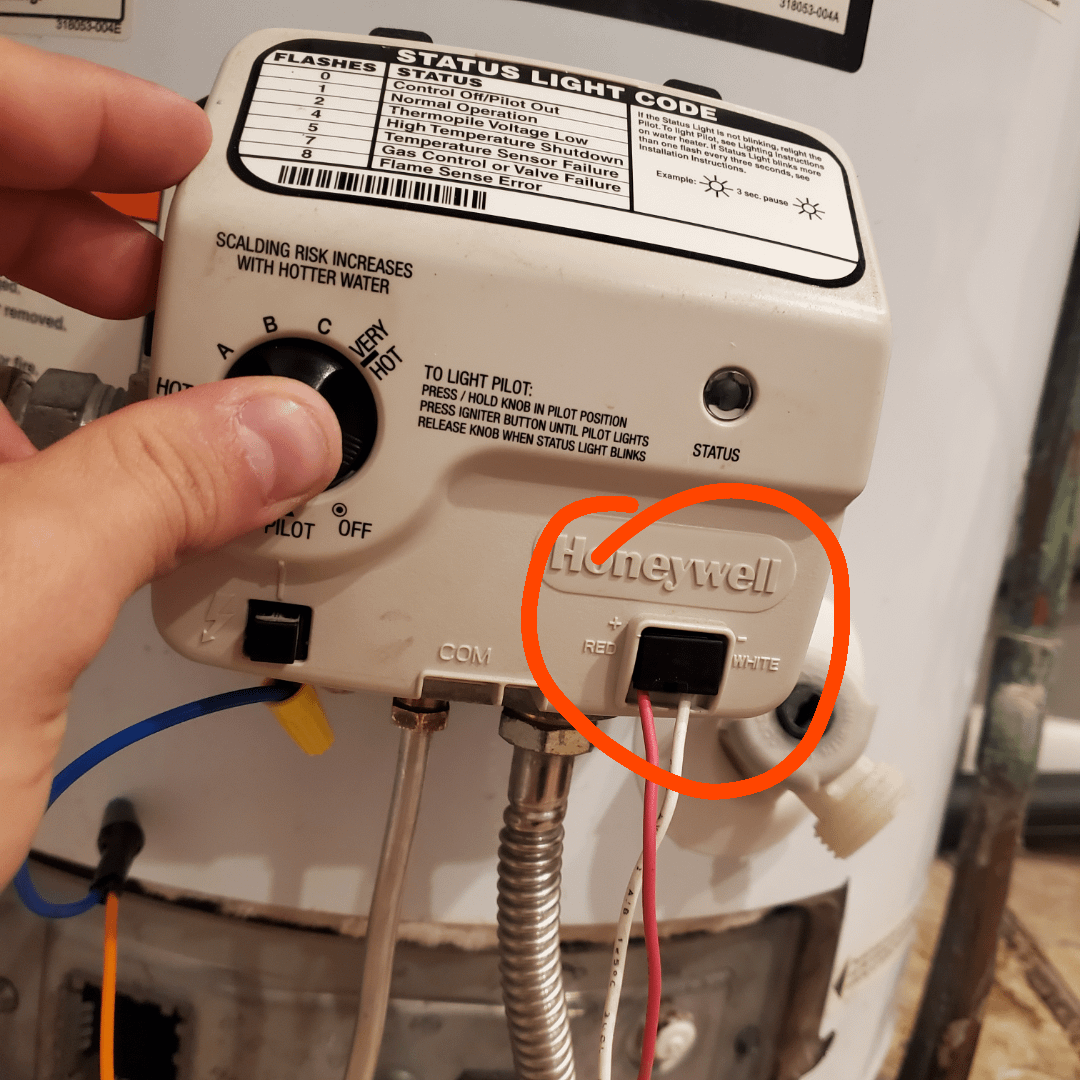
The Igniter and Pilot Light: If you have an older gas-fired Honeywell-controlled unit, the pilot light may have extinguished. Newer models utilize an electronic Hot Surface Igniter (HSI). If the HSI fails to glow during the start-up sequence, the furnace will not open the gas valve. This is a common wear-and-tear item that typically requires a professional technician to replace, as it involves handling delicate ceramic elements.
Comparison of Potential Heating System Issues
| Symptom | Probable Cause | Recommended Action |
|---|---|---|
| Blank Thermostat Display | Dead batteries or tripped breaker | Replace batteries or reset circuit breaker |
| System clicks but won't start | Faulty relay or ignition sensor | Clean flame sensor or contact a technician |
| Fan runs, but no heat | Clogged filter or fuel supply issue | Replace filter and check gas valve position |
| Uneven heating in home | Blocked vents or duct leaks | Inspect floor/ceiling vents for obstructions |
| Short cycling (on/off rapidly) | Restricted airflow or thermostat location | Change filter; check for drafts near thermostat |
When to Seek Professional Assistance
While many Honeywell heating issues can be solved with basic troubleshooting, certain symptoms indicate a deeper mechanical or safety-related failure. If you smell gas, immediately evacuate the property and contact your local utility provider or a licensed HVAC professional. Gas leaks are dangerous and require specialized detection equipment.
Furthermore, if the furnace is leaking water, you likely have a condensate drainage issue. In high-efficiency systems, this can lead to corrosion or electrical shorts within the control board. If you hear grinding, screeching, or unusual banging noises coming from the unit, these suggest failing bearings or blower motor issues, which are beyond the scope of general troubleshooting.
Frequently Asked Questions
Why does my Honeywell thermostat display "Wait"? The "Wait" message is a protective feature for your compressor and heating system. It indicates that the thermostat has triggered a short-cycle delay to prevent the system from turning on and off too rapidly, which could damage the motor. Simply wait five to ten minutes, and the system should start automatically.
How often should I reset my furnace? Resetting the furnace should only be done once or twice if the system goes into a safety lockout. If the unit continues to require a hard reset to function, there is an underlying issue, such as a failing flame sensor or restricted airflow, that needs to be addressed by a professional.
Can I clean the flame sensor myself? Yes, if you are comfortable working with mechanical components, the flame sensor can often be cleaned with a fine-grit emery cloth to remove carbon buildup. However, ensure the power is cut to the furnace before attempting this, and consult your Honeywell furnace manual for the sensor's specific location.
Why is my heater blowing cold air? If the furnace blower is running but the air is cold, the unit is likely not igniting. Check that your gas supply is open and that the thermostat is set correctly. If the system is electric, verify that the heating elements have not tripped a dedicated circuit breaker.
Conclusion and Next Actions
Start by ensuring your thermostat is correctly configured and has fresh batteries, then move to the furnace itself to verify power and filter condition. If these basic steps do not resolve the issue, observe the furnace’s LED diagnostic light (usually visible through a viewport on the furnace door). This light will flash a specific code that correlates to the manufacturer's error manual, providing the most accurate path toward a permanent repair. Should you feel uncomfortable performing internal inspections, prioritize safety and contact a certified HVAC contractor to prevent accidental damage to the system.
Image Gallery