Why the Wuthering Heights Movie Nelly Matters for Fans
Nelly Dean serves as the indispensable narrative anchor and moral filter through which the audience experiences the tumultuous history of Wuthering Heights. In film adaptations, her portrayal determines whether the story is viewed as a...
Nelly Dean serves as the indispensable narrative anchor and moral filter through which the audience experiences the tumultuous history of Wuthering Heights. In film adaptations, her portrayal determines whether the story is viewed as a soaring Gothic romance or a cautionary psychological study of obsession, class, and narrative manipulation.
Contents
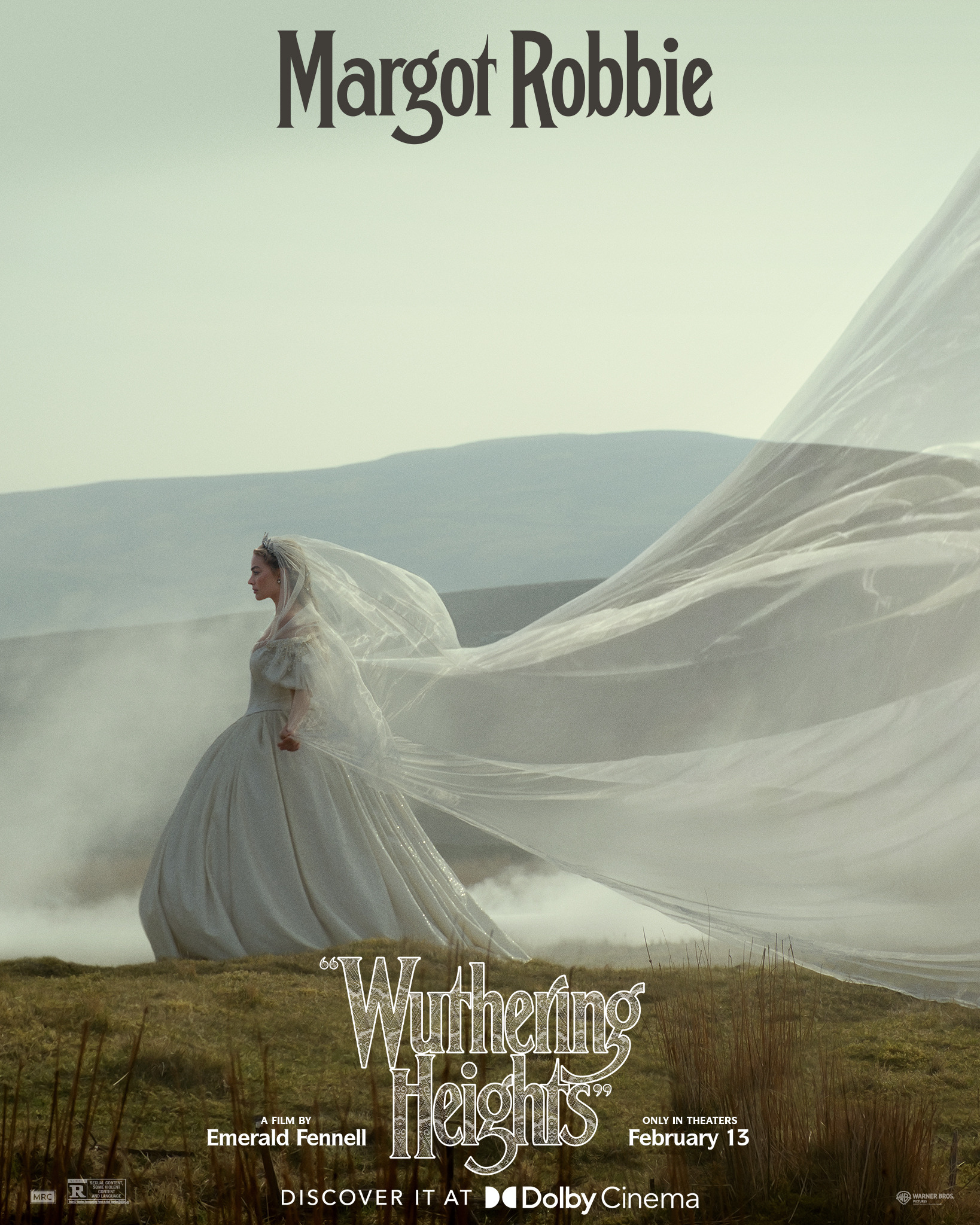
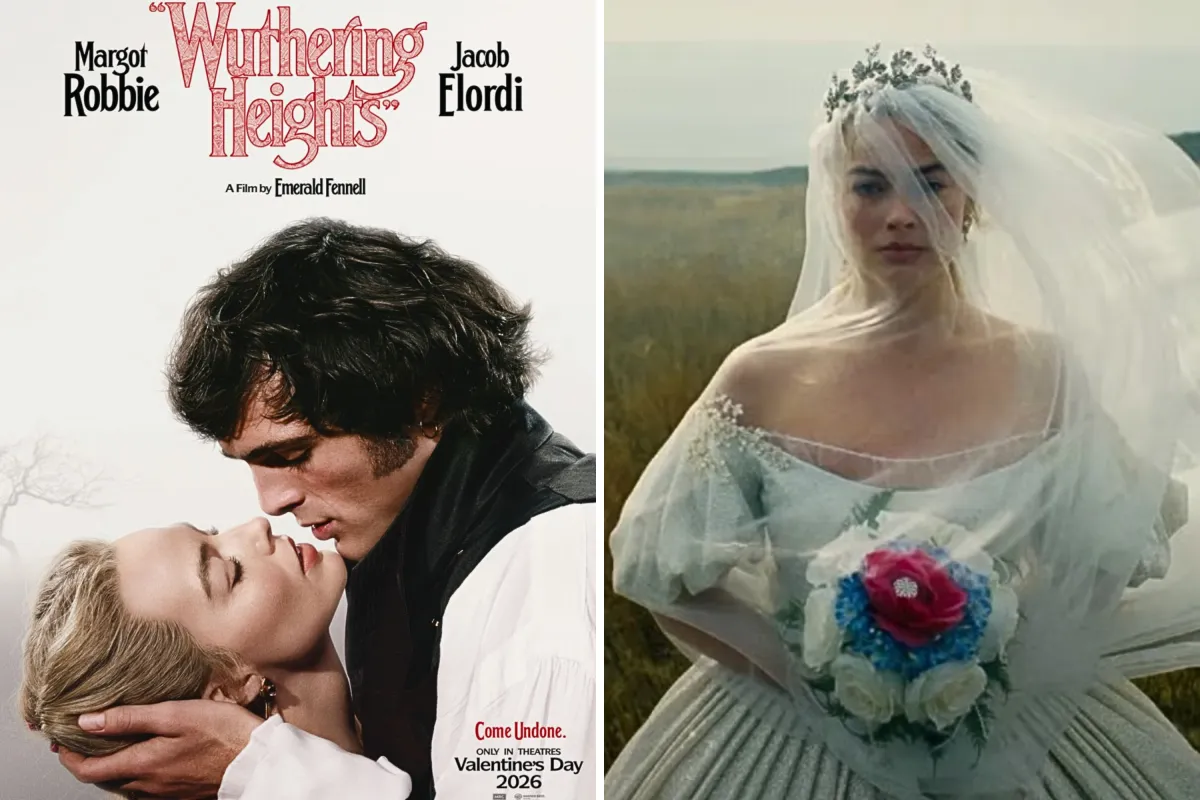
The character of Ellen "Nelly" Dean is often the most overlooked yet vital component of Emily Brontë’s 1847 masterpiece. While Catherine Earnshaw and Heathcliff consume the screen with their "mighty and terrible" passion, it is Nelly who provides the perspective, the pacing, and the proximity necessary for the audience to understand the tragedy. For fans in 2026, especially in the wake of recent high-profile adaptations like Emerald Fennell’s controversial reimagining, the "Nelly problem" has become a central point of cinematic critique. To understand why Nelly matters so much to fans, one must look beyond her role as a mere housekeeper and examine her function as the story’s primary—and perhaps unreliable—architect.
The Narrative Anchor: Nelly as the Audience’s Surrogate
In the original text, Nelly Dean is the primary narrator, recounting the history of the Earnshaws and Lintons to the outsider Lockwood. This framing device is notoriously difficult to translate to film. Many early adaptations, most notably the 1939 William Wyler version, stripped Nelly of her narrative power, reducing her to a background domestic worker. For modern fans, this is a missed opportunity.
When a movie places Nelly at the center of the storytelling process, it honors the Gothic tradition of the "found manuscript" or the "witnessed account." Nelly is the only character who spans the entire timeline of the novel, from Heathcliff’s arrival as a child to the eventual resolution of the second generation’s conflicts. Without a strong Nelly, the film often loses its sense of passage and the crushing weight of time that Brontë so carefully constructed. Fans value a Nelly who feels like a living repository of the moors’ secrets, rather than just a plot device to move scenes along.
The Unreliable Narrator: A Cinematic Challenge
One of the most debated topics in Brontë scholarship is Nelly Dean’s reliability. Is she a benevolent witness, or is she a manipulative interloper who fuels the fire between Catherine and Heathcliff? For film fans, how a director chooses to interpret Nelly’s motivations changes the entire moral landscape of the movie.
- The Benevolent Nelly: Traditional films often depict her as a saintly, motherly figure who suffers alongside the protagonists. This version appeals to fans who want a clear moral compass in a story filled with deeply flawed individuals.
- The Manipulative Nelly: More nuanced adaptations (and literary purists) prefer a Nelly who subtly influences events. By withholding letters, delivering messages late, or judging Catherine’s choices, Nelly often precipitates the very tragedies she later laments.
In the 2026 cinematic landscape, audiences are increasingly drawn to "gray" characters. A Nelly who is complicit in the tragedy provides a layer of psychological depth that elevates a movie from a standard period drama to a complex character study. When a film ignores this ambiguity, fans often feel the adaptation has been "sanitized."
The Bridge Between Social Classes
Nelly Dean occupies a unique social position: she is a servant, yet she was raised alongside Catherine and Hindley Earnshaw. She possesses the literacy and poise of the upper class but the labor-bound reality of the lower class. In film, Nelly matters because she represents the "middle" ground that neither Heathcliff (the outcast) nor Edgar Linton (the aristocrat) can truly inhabit.
Her presence on screen serves as a constant reminder of the rigid class structures of 19th-century Yorkshire. Through Nelly’s eyes, fans see the physical labor required to maintain a house like Wuthering Heights. Her interactions with the masters provide a necessary critique of their privilege. A movie that gives Nelly significant screen time is often one that is more invested in the socio-economic themes of the novel, which remain highly relevant to contemporary viewers.
Evolution of Nelly Across Major Adaptations
The way Nelly has been cast and directed over the decades mirrors the changing priorities of film audiences. Fans often track these changes to see how the "soul" of the book is being interpreted by each generation.
| Year | Director | Nelly Actress | Key Character Trait | Narrative Impact |
|---|---|---|---|---|
| 1939 | William Wyler | Flora Robson | Stoic & Disciplined | Minimal; she is a background servant to a truncated plot. |
| 1970 | Robert Fuest | Hilary Dwyer | Younger & Observant | Serves as a more active witness to the romance. |
| 1992 | Peter Kosminsky | Janet McTeer | Intellectual & Stern | High; the film uses her narration to include the second generation. |
| 2009 | Coky Giedroyc | Sarah Smart | Empathic & Involved | Acts as a surrogate mother figure for the younger Cathy. |
| 2011 | Andrea Arnold | Amy Wren / Shannon Beer | Raw & Taciturn | Reflects the gritty, naturalistic tone of the moors. |
| 2025 | Emerald Fennell | TBA | Modernist / Deconstructed | Focuses on the subversive nature of the household staff. |
Why the Second Generation Depends on Nelly
A common complaint among Brontë fans is that many movies stop after the death of the elder Catherine, completely omitting the "second half" of the novel involving the younger Catherine, Linton Heathcliff, and Hareton. Nelly is the only character who can effectively bridge these two stories.
Without Nelly’s perspective, the transition between the generations feels jarring or disconnected. She is the thread that connects the sins of the fathers to the redemption of the children. For fans who want a complete adaptation of the 1847 text, Nelly is the most important character on screen because she is the only one capable of carrying the narrative through the twenty-year gap required to reach the book's true ending.
The 2026 Context: Fennell and the Subversive Servant
As we move through 2026, the discussion around the newest adaptations has highlighted a "post-modern" view of Nelly. Directors are now exploring the idea that Nelly is the true protagonist—the survivor who outlives the "great" families by sheer pragmatism. Fans are increasingly interested in seeing Nelly’s own life: her sacrifices, her hidden resentment, and her agency.
This shift matters because it aligns with a broader cinematic trend of re-evaluating domestic workers in period pieces (similar to the "Downstairs" focus in Downton Abbey). For fans of Wuthering Heights, seeing Nelly treated with the same cinematic weight as Heathcliff is a sign of a maturing approach to the source material. It acknowledges that the "heights" are not just a stage for romance, but a workplace and a prison for those who serve there.
Common Fan Questions Regarding Nelly Dean
Why do some movies cut Nelly’s narration entirely? Cutting the narration is usually a choice made to streamline the pacing. In a visual medium, directors often prefer to show events directly rather than through a storyteller. However, this often removes the "distance" that makes the novel so haunting, as the audience loses the sense that they are listening to a ghost story from the past.
Is Nelly Dean supposed to be young or old in the movies? In the novel, Nelly is roughly the same age as Hindley Earnshaw, making her only a few years older than Catherine. However, films often cast older actresses to emphasize her "nursemaid" status. Fans typically prefer a younger Nelly (as seen in the 1992 or 2011 versions) because it makes her complicated relationship with Catherine—half-sister, half-servant—more palpable and tragic.
Does Nelly Dean actually hate Heathcliff? This is a central point of fan debate. In many movies, she is seen as his only friend, but a close reading of her actions suggests she is deeply frightened of him and perhaps disgusted by his origins. A good movie portrayal will capture this ambiguity: she cares for him as a child she raised, but she also views him as a "cuckoo" who destroyed the family she served.
Why is Nelly’s role important for understanding Catherine’s character? Nelly is the only person who calls Catherine out on her selfishness. While Heathcliff and Edgar both idolize or enable Catherine, Nelly provides a grounded, often harsh critique. For fans, Nelly’s dialogue is essential for balancing Catherine’s character and preventing her from becoming a one-dimensional romantic heroine.
Practical Recommendation for Viewers
When choosing which Wuthering Heights adaptation to watch, fans should look for versions that explicitly include Nelly’s narration. The 1992 Peter Kosminsky version (starring Ralph Fiennes and Juliette Binoche) is widely regarded as one of the most faithful in its treatment of Nelly, as it retains her role as the conduit between generations. If you prefer a more atmospheric, visual approach where Nelly’s presence is felt through her labor and silence, the 2011 Andrea Arnold film is an excellent choice.
Ultimately, Nelly Dean matters because she is the "voice" of Wuthering Heights. Without her, the story is merely a series of violent events; with her, it becomes a monumental exploration of how we remember the past and the stories we tell to survive it.
Image Gallery