Why Transgender Representation in America’s Next Top Model Matters
Transgender representation in America’s Next Top Model (ANTM)—most significantly through the casting of Isis King in 2008—matters because it transitioned trans identity from the fringes of tabloid curiosity into the center of mainstrea...
Transgender representation in America’s Next Top Model (ANTM)—most significantly through the casting of Isis King in 2008—matters because it transitioned trans identity from the fringes of tabloid curiosity into the center of mainstream aspirational media. It humanized the transgender experience for millions, challenged the fashion industry’s rigid gender binaries, and established a blueprint for inclusive casting in reality television.
Contents
The Historical Context of Reality Television in the 2000s
To understand why a transgender contestant on America’s Next Top Model was revolutionary, one must look at the media landscape of the mid-2000s. During this era, transgender individuals were frequently depicted in news media as victims or in fictional media as punchlines and villains. There was a profound lack of "normative" representation—instances where a trans person was simply allowed to exist, work, and compete based on their merits.
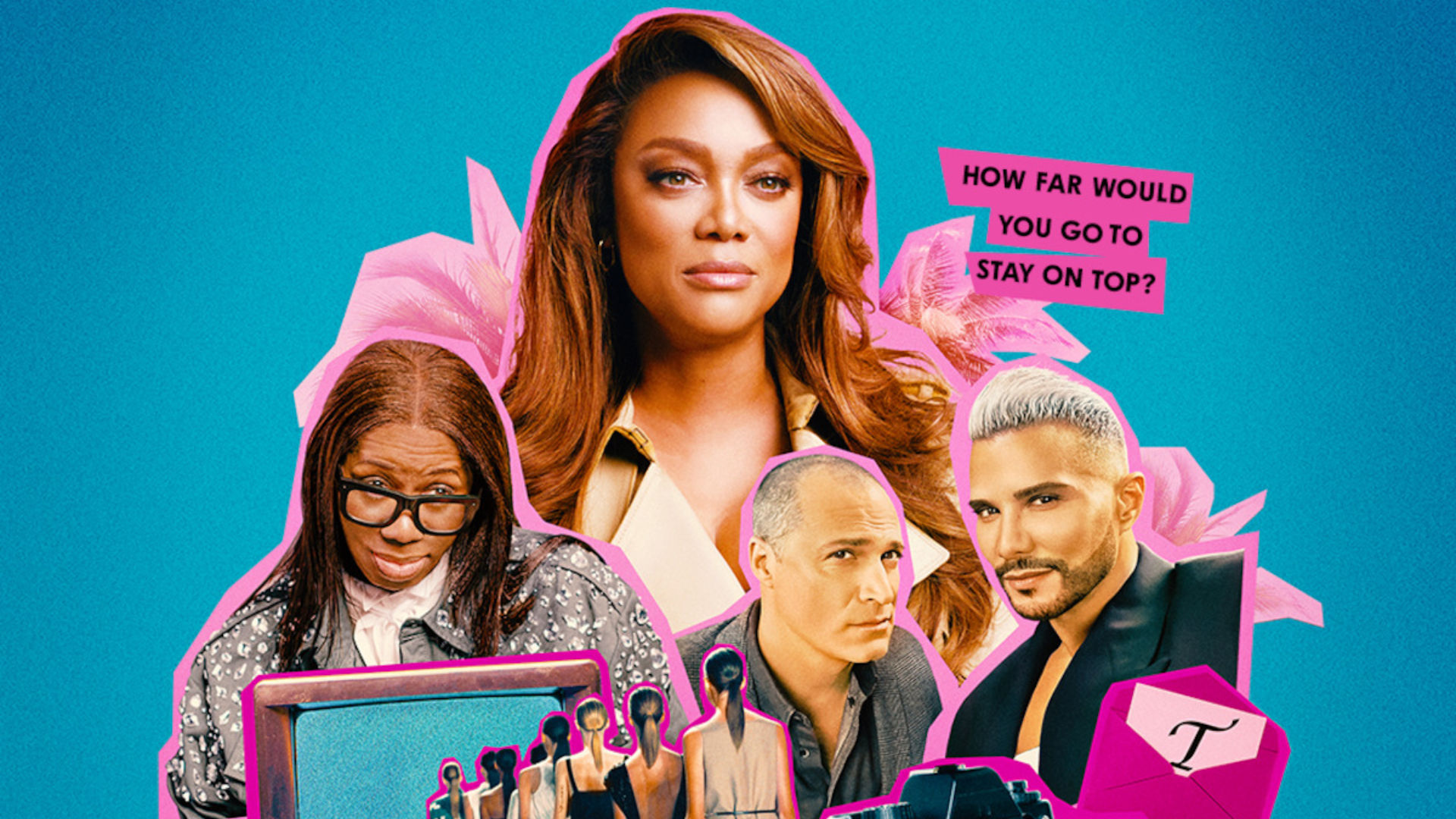
When America’s Next Top Model Cycle 11 premiered in 2008, the inclusion of Isis King was a seismic shift. Created by Tyra Banks, the show was already a cultural juggernaut. By placing a transgender woman in the competition, the show forced the fashion industry and the viewing public to grapple with the definition of "womanhood" in a high-stakes, visual medium. As of 2026, we look back at this moment as the "Big Bang" of modern trans visibility in reality competitions, predating the mainstream success of shows like RuPaul’s Drag Race by several years.
The Pathbreaking Journey of Isis King
Isis King did not originally apply to be a contestant for Cycle 11. She was discovered while working as an extra during the Cycle 10 photo shoot in a homeless shelter. Her poise and "smize" caught the eye of Tyra Banks and the producers. When she was officially cast in the following cycle, she became the first transgender woman to compete on the show.
Humanizing the Transition Process
One of the primary reasons King’s participation mattered was the "behind-the-scenes" access provided to her healthcare journey. The show documented her administering hormone injections, a process rarely seen on primetime television at the time. This transparency demystified the medical aspects of transitioning, moving the conversation away from surgery-obsessed voyeurism toward the daily realities of gender-affirming care.
Confronting Transphobia in Real-Time
The show did not shield King from the prejudices of her peers. Viewers witnessed microaggressions and overt transphobia from other contestants. By airing these conflicts, ANTM provided a pedagogical moment for the audience. When judges like Miss J. Alexander and Tyra Banks defended King’s right to be there, it sent a powerful message to the fashion world: talent and "fierceness" are not restricted by assigned gender at birth.
Impact on the Global Fashion Industry
The fashion industry has long been criticized for its "exclusive" nature, often equating beauty with a very narrow set of biological and social traits. America’s Next Top Model used its platform to argue that being "camera-ready" was an art form independent of one's chromosomal makeup.
Redefining the "High Fashion" Standard
Before the 2010s, the "androgyny" trend in fashion was largely occupied by cisgender models who could "look" like the opposite gender. ANTM’s inclusion of trans models shifted the focus toward authentic gender diversity. This paved the way for future icons such as Andreja Pejić, Hunter Schafer, and Valentina Sampaio. These models did not just participate in the industry; they commanded it, landing covers for Vogue and walking for major houses like Chanel and Dior.
Breaking the Binary in Commercial Modeling
Beyond the runway, the show’s influence extended to commercial and "catalog" modeling. By proving that a trans woman could sell a product and embody a brand’s aesthetic, the show helped mitigate the "risk" perceived by corporate advertisers. This commercial viability is a cornerstone of why this representation mattered; it proved that trans inclusion was not just a moral choice, but a viable business strategy.
Key Transgender and Non-Binary Contestants in ANTM History
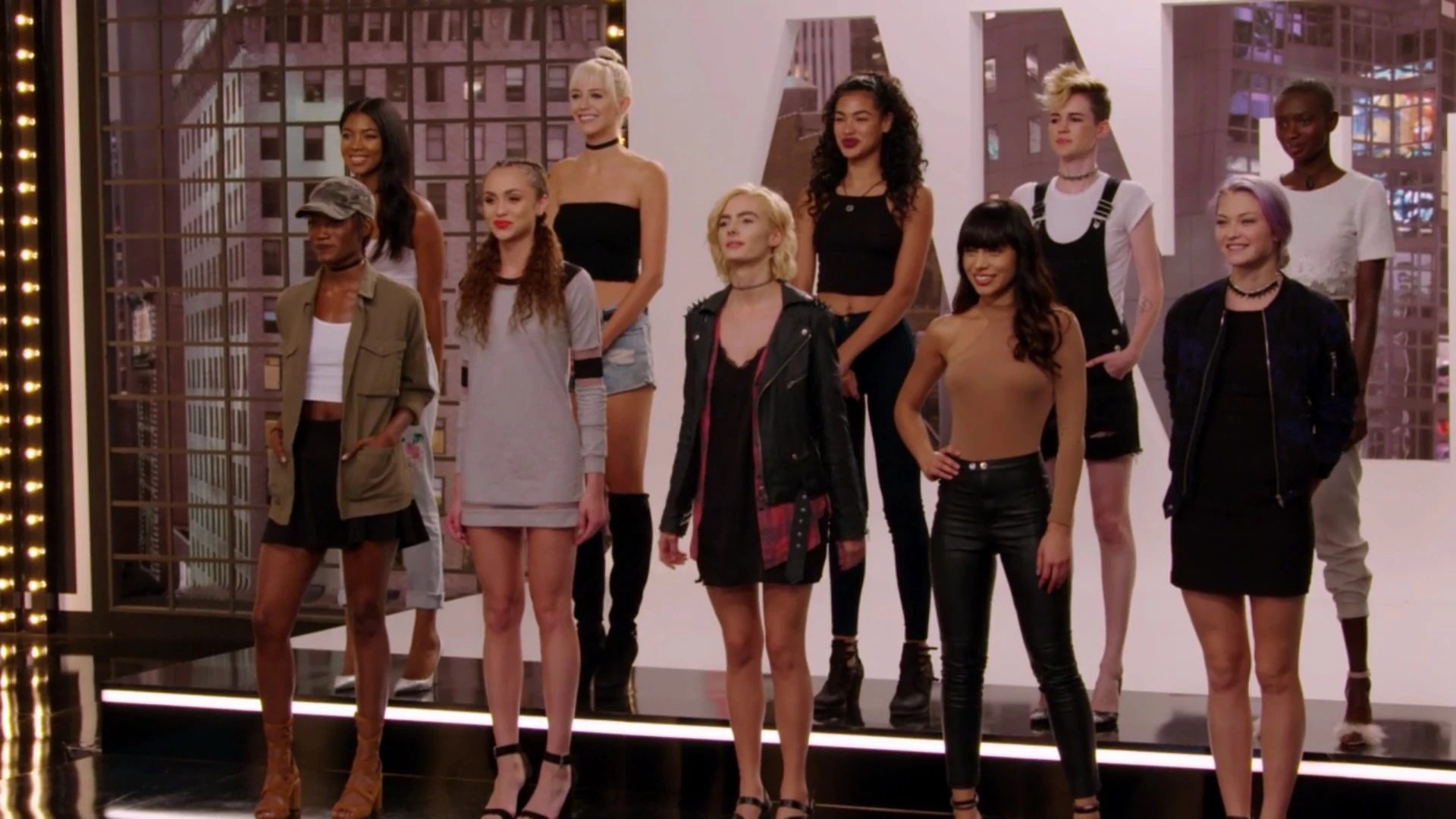
While Isis King remains the most prominent figure, she was not the only individual to challenge gender norms on the show. As the series progressed, the casting became increasingly reflective of the spectrum of gender identity.
| Contestant | Cycle | Impact/Significance |
|---|---|---|
| Isis King | 11 & 17 | The first transgender woman on the show; broke national viewership records for trans visibility. |
| Virgg | 20 | The first openly trans woman to participate in the "Guys & Girls" format; she eventually withdrew to focus on her health/transition. |
| Cory Wade Hindorff | 20 | An openly gay, gender-fluid/androgynous model who challenged the "masculinity" requirements of male modeling. |
| Bello Sanchez | 22 | Known for a high-fashion, androgynous look that defied traditional male modeling tropes. |
The Role of Production and the "Teaching Moment"
The influence of Tyra Banks as an executive producer cannot be overstated. Banks often framed the inclusion of marginalized groups—whether based on race, height, or gender—as a "teaching moment." While some modern critics argue that the show occasionally exploited these stories for ratings, the net result was an increase in empathy among the general public.
The Ethics of Reality TV Casting
In 2026, media scholars often analyze the 2008-2012 era of ANTM through a critical lens. The show’s "makeover" episodes and the way judges spoke about "passing" can seem dated. However, the importance of the show lies in its role as a bridge. It provided a vocabulary for a public that, at the time, was largely unfamiliar with trans terminology. The show’s flaws were, in many ways, reflective of the society it was broadcast into.
Long-term Advocacy
Isis King leveraged her platform on ANTM to become a significant advocate and actress, appearing in projects like When They See Us. This career longevity demonstrates that the "matters" aspect of her casting wasn't just a fleeting TV stunt; it was a career-launching moment that allowed a trans woman to build a multi-decade legacy in the arts.
Cultural Legacy and the "RuPaul" Effect
It is impossible to discuss the importance of trans representation in ANTM without acknowledging how it set the stage for the massive success of RuPaul’s Drag Race. While the two shows are different in format, ANTM’s treatment of gender as a performance and a craft helped prime audiences for a world where gender is seen as fluid.
The "Top Model" franchise was a precursor to the "socially conscious" reality TV era. It proved that audiences would tune in not just for the drama, but for the growth of individuals overcoming systemic barriers. By the time the show ended its original run, the idea of a trans model was no longer a "shocking" twist—it had become a recognized part of the industry’s fabric.
Critical Perspectives: Representation vs. Exploitation
While the impact was largely positive, it is important to maintain a balanced view. Representation on reality TV is a double-edged sword.
- The "Tragic Narrative" Trap: Early cycles often focused heavily on the trauma of the trans experience. While this garnered sympathy, it sometimes overshadowed the contestants' professional skills.
- The "Passing" Requirement: The judges frequently rewarded trans contestants who most closely resembled cisgender beauty standards. This reinforced a "binary" view of transness that later movements in the 2020s would work to dismantle.
- Language Evolution: The terms used by judges in 2008 would often be considered offensive today. However, these archives serve as a historical record of how far public discourse has traveled in less than two decades.
FAQ: Transgender Presence in America's Next Top Model
Who was the first transgender person on America’s Next Top Model?
Isis King was the first transgender contestant, appearing in Cycle 11 (2008). She later returned for Cycle 17, the "All-Stars" edition. Her presence was a landmark moment for the CW network and reality television globally.
How did the fashion industry change after Isis King appeared on the show?
Following King's debut, there was a noticeable increase in the visibility of trans models in high-fashion editorials and runway shows. Agencies began to sign trans talent more frequently, and "gender-neutral" fashion lines became more prominent in the mid-2010s.
Did any transgender contestants win America’s Next Top Model?
No transgender contestant won the title of "America’s Next Top Model" during the show's original US run. However, several contestants, including Isis King, achieved significant commercial success and advocacy roles following their time on the show.
How does ANTM's trans representation compare to modern shows?
By 2026 standards, ANTM’s representation can feel somewhat clumsy or focused on "spectacle." Modern shows typically integrate trans and non-binary contestants without making their gender the sole focus of their narrative, a shift made possible by the groundwork laid by pioneers like King.
What happened to Virgg from Cycle 20?
Virgg was a fan favorite during the casting of Cycle 20 but chose to leave the competition early. She cited the need to focus on her health and the challenges of undergoing a transition while being filmed in a high-stress environment. Her departure highlighted the unique pressures trans individuals face in reality TV settings.
The Next Steps for Media Consumers and Creators
For those looking to understand the evolution of LGBTQ+ rights in the 21st century, reviewing the history of America’s Next Top Model is essential. The show acts as a time capsule for the shifting attitudes toward gender identity.
Recommendation for Viewers: When revisiting these episodes in 2026, look beyond the dramatic edits. Pay attention to the resilience of the contestants and the specific ways the industry attempted to define beauty. To support continued progress, viewers should seek out and support contemporary media that features trans creators both in front of and behind the camera, ensuring that representation remains authentic and self-determined.
According to data from GLAAD, visibility on screen is a direct driver of social acceptance. By reflecting on the importance of ANTM's trans history, we acknowledge the brave individuals who stepped into the spotlight when it was most dangerous to do so, forever changing the "face" of fashion.
Image Gallery