Why Lying About Weight on a Life Insurance Application Matters
Lying about your weight on a life insurance application is a form of material misrepresentation that can lead to the denial of a death benefit claim, the cancellation of your policy, or legal accusations of insurance fraud. Because lif...
Lying about your weight on a life insurance application is a form of material misrepresentation that can lead to the denial of a death benefit claim, the cancellation of your policy, or legal accusations of insurance fraud. Because life insurance underwriting relies on actuarial data where body mass index (BMI) serves as a key indicator of long-term health risks, providing inaccurate information compromises the validity of the legal contract between you and the insurer.
Contents
The Role of Weight in Life Insurance Underwriting
To understand why accuracy is non-negotiable, you must first understand how insurance companies calculate risk. Life insurance is fundamentally an actuarial business; companies pool risk and charge premiums based on the statistical probability of a policyholder’s death within a specific timeframe.
Weight, specifically in the context of BMI and waist-to-hip ratios, is a primary metric used to identify potential health complications. Excess weight is statistically correlated with higher risks for cardiovascular disease, type 2 diabetes, hypertension, and sleep apnea. When an insurance company evaluates an application, they are not merely judging personal appearance; they are performing a clinical risk assessment. If you provide a weight that is significantly lower than your actual weight, you are effectively falsifying a data point that dictates your entire risk profile and the resulting premium cost.
Material Misrepresentation Explained
In the legal language of life insurance, your application is considered a "contract of utmost good faith" (uberrimae fidei). This means both parties are legally required to be entirely transparent. When you sign an application, you are affirming that the information provided is true to the best of your knowledge.
"Material misrepresentation" occurs when an applicant provides false information that, had it been known, would have caused the insurer to either charge a higher premium or deny coverage altogether. Because weight directly influences the mortality tables used by underwriters, lying about it is almost always classified as material.
If you pass away and the insurer discovers during the claims investigation that your weight was significantly higher than stated, they have the legal right to contest the claim. This is particularly relevant during the "contestability period," which typically lasts for the first two years of a policy. During this time, insurers may aggressively investigate any discrepancies between your stated health and your actual medical records.
How Insurers Verify Your Weight
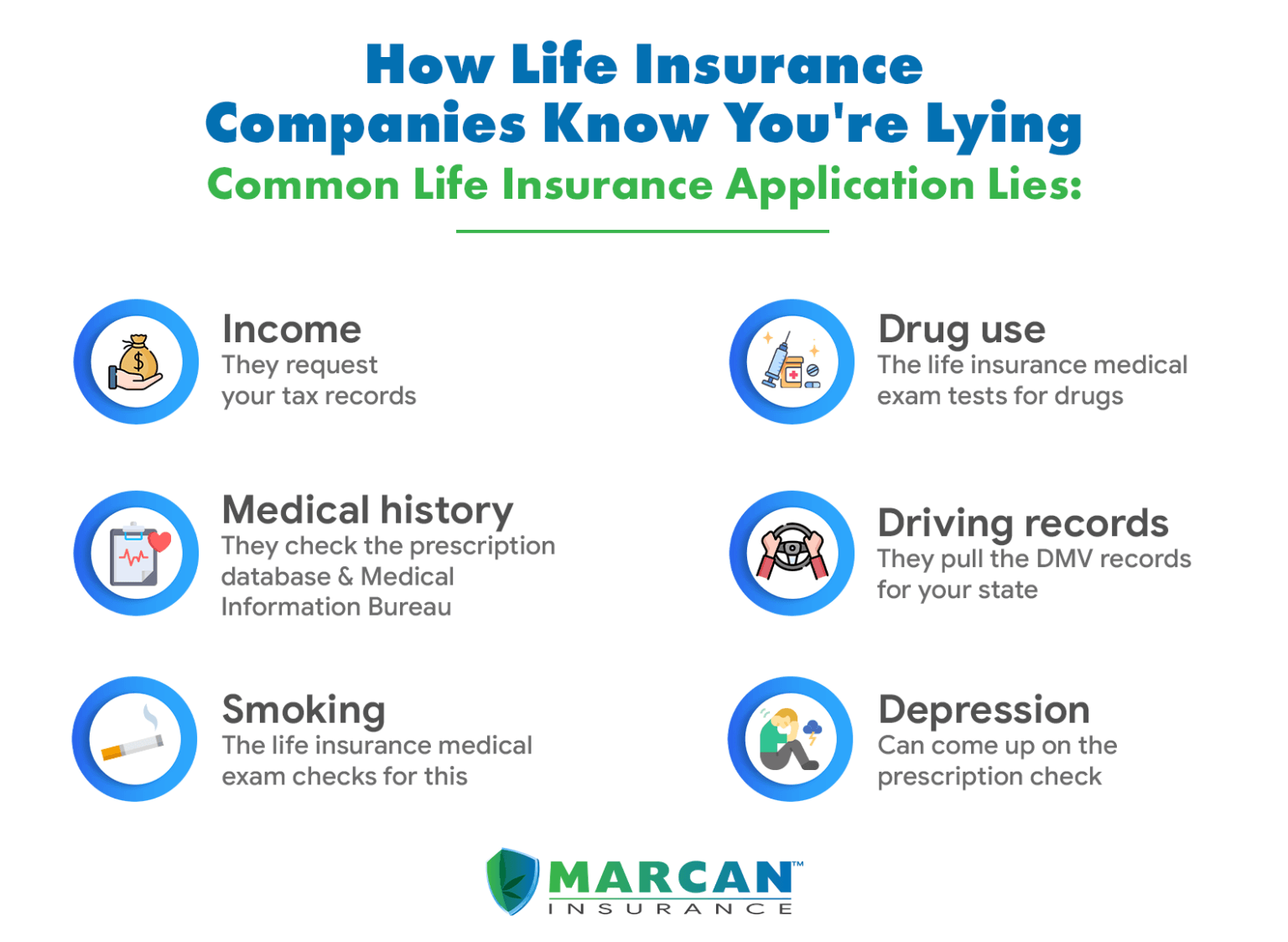
Many applicants operate under the false assumption that because they are not required to visit a doctor for every policy, they can "fudge" the numbers on a self-reported application. This ignores the robust verification processes employed by modern insurers in 2026.
The Medical Information Bureau (MIB)
Insurers share data through the Medical Information Bureau. If you previously applied for life insurance with a different carrier and disclosed your actual weight—or if a previous medical exam was recorded—that information is accessible to the current insurer.
Paramedical Exams
For many policies, especially those with high death benefits, a paramedical exam is required. During this process, a technician will record your height and weight. Any significant variance between your application and this verified record will trigger a flag in the underwriting system.
Electronic Health Records (EHR)
With the integration of digital health systems, insurers now have greater access to your medical history than ever before. If your primary care physician has documented your weight during annual checkups, that data may be pulled by the insurance company during the underwriting phase.
Prescription Database Checks
Insurers utilize pharmacy benefit managers to review your recent prescription history. If you are taking medication for conditions often associated with weight-related issues, underwriters may cross-reference this against your disclosed BMI, leading to further investigation.
Potential Consequences of Falsified Applications
The impact of providing false information reaches far beyond a simple premium adjustment. The repercussions follow a predictable escalation:
- Premium Adjustments: If the error is caught during the underwriting process, the insurer will simply issue a counter-offer with higher premiums reflecting your actual health class.
- Policy Rescission: If the policy is issued and the insurer later discovers the lie, they can rescind the policy entirely, meaning you lose the coverage and, depending on the terms, your premiums may not be refunded.
- Claim Denial: This is the most severe outcome. If you die, your beneficiaries may find that the policy is voided due to fraud, leaving them with no financial safety net despite years of paid premiums.
- Legal Action: While rare, in cases of extreme fraud, an insurance company can involve law enforcement or pursue civil litigation, particularly if the deception was part of a larger scheme to defraud the company.
Comparison Table: Accuracy vs. Misrepresentation
| Feature | Accurate Disclosure | Material Misrepresentation |
|---|---|---|
| Premium Calculation | Based on actual mortality risk | Based on false assumptions |
| Contestability Period | Smooth claims processing | High risk of policy voiding |
| Beneficiary Security | Guaranteed payout (barring fraud) | Risk of total loss of benefit |
| Underwriting Status | Fair classification | Potential denial or blacklisting |
Common Questions About Weight and Life Insurance
Will a small discrepancy in weight void my policy?
Minor fluctuations—such as five or ten pounds lost or gained due to natural weight changes—are generally not considered material misrepresentation. Insurers recognize that weights fluctuate. The legal issue arises when the discrepancy is significant enough that it would have changed the insurer's underwriting decision or premium class.
Can I fix a mistake if I lied on my application?
Yes. If you realize you provided inaccurate information, contact your insurance agent or the company's underwriting department immediately. It is much better to update the record voluntarily than to have the insurer discover the discrepancy during a post-mortem audit or a standard contestability review.
Does "No Exam" insurance mean I can lie about my weight?
No. Simplified issue or "no-exam" policies still require you to answer health questions honestly. Furthermore, these companies use predictive modeling and background data checks to verify the veracity of your answers. If you lie on a no-exam policy, the consequences regarding claim denial remain exactly the same as they would for a fully underwritten policy.
How does BMI affect my insurance category?
Insurers use BMI to place you into "rate classes," such as Preferred Plus, Preferred, Standard, or Substandard (Table Ratings). Being overweight may push you from a Preferred rate to a Standard rate, which increases your premium. While this costs more, it ensures your policy is valid and enforceable.
What should I do if I am currently overweight but working on it?
Disclose your weight as it is today. Some insurers offer "reconsideration" programs where you can request a lower premium rate after a period of weight loss or improved health markers. Being honest now secures your coverage, and demonstrating health improvements later can save you money.
Practical Next Actions
If you are currently filling out an application, prioritize total transparency. If you are unsure of your weight, check your most recent doctor's records rather than guessing. If you are concerned about how your weight will impact your eligibility, speak with an independent life insurance broker. These professionals work with multiple carriers and can guide you toward companies that have more favorable underwriting guidelines for your specific build.
Do not allow the fear of higher premiums to drive you toward dishonesty. The primary purpose of life insurance is to protect your loved ones; a policy that is voided due to misrepresentation fails that purpose entirely. Ensure your contract is airtight by providing the truth today.
Image Gallery