The Ambassador Doll as a Cultural Envoy: History, Diplomacy, and Global Impact
An ambassador doll serves as a non-political cultural envoy designed to foster international goodwill, mutual understanding, and peace between nations. These artifacts, most notably seen in the 1927 United States-Japan exchange, use th...
An ambassador doll serves as a non-political cultural envoy designed to foster international goodwill, mutual understanding, and peace between nations. These artifacts, most notably seen in the 1927 United States-Japan exchange, use the universal language of childhood and craftsmanship to represent a nation’s values, traditions, and hopes for a harmonious global future.
Contents
The Historical Origins of Doll Diplomacy
The concept of the ambassador doll as a formal cultural envoy gained prominence in the early 20th century, specifically during a period of rising tensions between the United States and Japan. The most significant historical instance occurred in 1927, initiated by Dr. Sidney Gulick, a former missionary who sought to combat the exclusionary immigration laws of the era through a grassroots gesture of friendship.
Dr. Gulick founded the Committee on World Friendship Among Children, which organized the shipment of approximately 12,739 "Blue-eyed Dolls" from American children to Japanese schools. These were not merely toys; they were accompanied by "passports" and "letters of introduction," solidifying their status as miniature ambassadors. The Japanese government, moved by the gesture, commissioned the finest doll makers in the country to create 58 "Tôre Ningyô" (Dolls of Gratitude) to be sent to the United States.
Each of these Japanese dolls represented a specific prefecture or city. They were roughly 32 inches tall, crafted with the highest level of artistry, and equipped with elaborate accessories, including tea sets, furniture, and silk kimonos. This exchange established the "ambassador doll" as a legitimate tool of soft power, demonstrating that cultural artifacts could bridge the gap where formal diplomacy often faltered.
The Anatomy of an Ambassador Doll: Symbolism and Craftsmanship
For a doll to function effectively as a cultural envoy, it must be more than a plaything. It serves as a visual and tactile encyclopedia of a nation’s heritage. In the context of the 1927 exchange and subsequent modern iterations, several technical and aesthetic factors define these envoys:
Materiality and Artistry
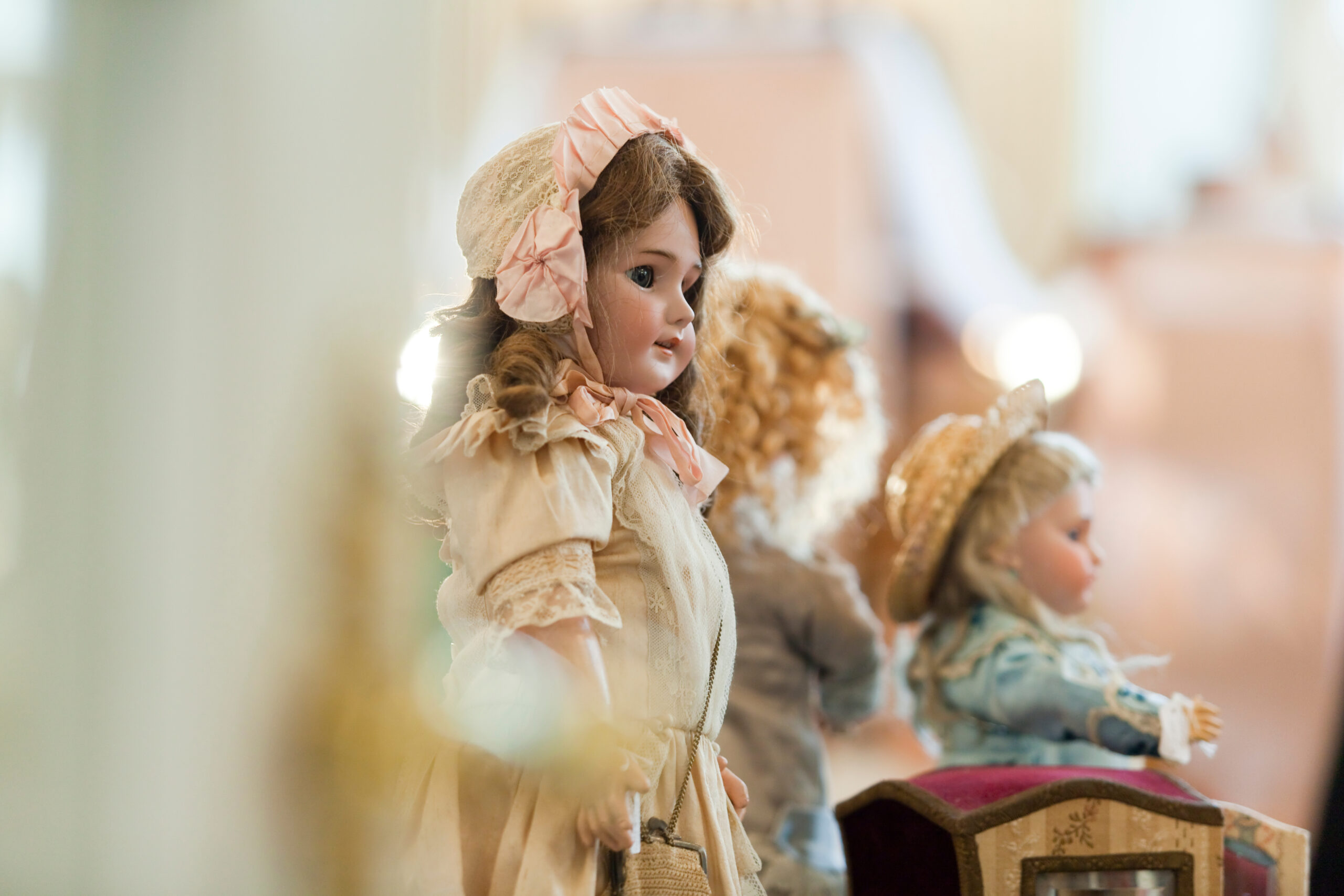
Traditional Japanese ambassador dolls were crafted using the gofun technique, which involves applying multiple layers of crushed oyster shell paste over a carved wood or paulownia sawdust base. This creates a translucent, porcelain-like skin. The hair is typically made of real human hair or fine silk thread, and the eyes are hand-blown glass. Such high-level craftsmanship communicates that the sending nation views the recipient with the utmost respect.
Symbolic Wardrobe
The clothing of an ambassador doll is its most communicative feature. For example, the Tôre Ningyô wore silk kimonos featuring motifs relevant to their home prefectures—cherry blossoms for Kyoto or pine trees for coastal regions. These garments were often hand-painted using the yuzen dyeing method. In 2026, many of these original garments have undergone specialized conservation to prevent fiber degradation, showcasing the longevity of these "diplomats."
The "Identity" Documents
A crucial element that elevates these objects to the status of envoys is their documentation. Historically, these dolls were issued passports, steamship tickets, and letters. This personification encourages the recipient to treat the object with the dignity afforded to a human representative, fostering an emotional connection that transcends language barriers.
Soft Power and the Psychology of Cultural Envoys
The efficacy of the ambassador doll lies in its appeal to "soft power," a term coined by Joseph Nye to describe the ability to influence others through attraction and persuasion rather than coercion. Dolls are uniquely suited for this role for several psychological reasons:
- Disarming Innocence: Unlike military parades or trade delegations, dolls are associated with childhood and vulnerability. This lowers the defensive posture of the recipient nation.
- Universal Symbolism: Every culture has a tradition of doll-making. This shared human experience provides a common ground for interaction.
- Educational Utility: Ambassador dolls are often housed in schools or public museums, where they serve as primary educational tools. They introduce children to foreign cultures in a way that is accessible and memorable.
By the year 2026, the study of these dolls has become a staple in international relations curricula, illustrating how non-state actors (like Dr. Gulick’s committee) can influence geopolitical sentiment.
Modern Revivals and Digital Envoys in 2026
While the 1927 exchange remains the gold standard, the concept of the ambassador doll has evolved. In the 21st century, "doll diplomacy" has expanded into digital and commercial realms, though the core intent of cultural representation remains.
Restoration and Reconciliation
Throughout the mid-2020s, there has been a significant push to locate and restore the original 1927 dolls. Many were lost or destroyed during World War II, but surviving "Blue-eyed Dolls" in Japan and "Dolls of Gratitude" in the US have become focal points for local sister-city relationships. The restoration process itself—often involving international teams of conservators—acts as a modern form of diplomatic collaboration.
The Role of Commercial Icons
While controversial, dolls like Barbie or certain high-end collectors' dolls (such as those from the "Dolls of the World" series) occasionally function as informal envoys. However, critics argue that commercial dolls lack the specific "envoy" status of the 1927 exchange because they are products of market expansion rather than intentional diplomatic gifts. To be a true ambassador doll, the object must be part of a structured exchange between communities or nations.
Comparative Analysis of Cultural Envoy Initiatives
The following table compares the primary historical and modern initiatives that utilized dolls as cultural envoys to illustrate their scope and impact.
| Initiative | Era | Origin / Recipient | Primary Objective | Key Features |
|---|---|---|---|---|
| Friendship Doll Exchange | 1927 | USA to Japan / Japan to USA | Counteract anti-Asian sentiment; promote peace. | 12,000+ "Blue-eyed" dolls; 58 "Tôre Ningyô" (Gratitude dolls). |
| UNICEF "Dolls of Peace" | Late 20th C. | Global | Raise funds and awareness for children's rights. | Dolls dressed in traditional costumes from member nations. |
| Sister-City Gift Exchanges | Ongoing/2026 | Various Municipalities | Strengthening localized international ties. | Local folk dolls (e.g., Matryoshka, Kokeshi) gifted to city halls. |
| The "New" Friendship Dolls | 2010s-2026 | Private Foundations | Revitalizing the 1927 spirit for the modern age. | Use of modern materials with traditional aesthetics; digital "passports." |
Challenges in Preserving the Legacy of Doll Envoys
Maintaining the status of a doll as a cultural envoy requires constant effort. Without historical context, an ambassador doll risks becoming just another antique.
- Material Decay: The organic materials used in traditional dolls (silk, wood, hair) are highly susceptible to light, humidity, and pests. Institutions like the Smithsonian and various Japanese prefectural museums have implemented rigorous climate-controlled environments to preserve these envoys through 2026 and beyond.
- Political Misinterpretation: In times of conflict, the symbols of the "enemy" nation are often targeted. During WWII, many American dolls in Japan were burned as symbols of the "enemy." Today, the challenge is to ensure these objects are viewed as symbols of the people and their culture, rather than the fluctuating policies of their governments.
- Contextual Loss: As the generations that participated in the original exchanges pass away, the "oral history" of the dolls must be digitized. By 2026, many museums have integrated AR (Augmented Reality) displays that allow visitors to "read" the original letters sent with the dolls, ensuring the envoy’s message remains clear.
Frequently Asked Questions
What is the most famous example of an ambassador doll?
The most famous examples are the 58 "Tôre Ningyô" or Japanese Friendship Dolls sent to the United States in 1927. Specifically, "Miss Japan" (Nippon-san) is often cited as the lead envoy of the group. These dolls were a direct response to the thousands of American dolls sent to Japan earlier that year.
Are ambassador dolls still used in diplomacy today?
Yes, though often on a smaller scale. In 2026, they are frequently used in "Sister City" exchanges and by cultural foundations to celebrate anniversaries of international treaties. They serve as symbols of "soft diplomacy," focusing on people-to-people connections rather than formal statecraft.
How can a museum verify the authenticity of an original 1927 ambassador doll?
Verification involves checking for specific hallmarks: the gofun finish, the signature of the master doll maker (many were made by the Yamada or Itoh families), and the presence of original documentation such as "passports" or letters of greeting. Many of the 1927 dolls also have specific registration numbers or labels from the Committee on World Friendship Among Children.
Why were dolls chosen as envoys instead of other cultural artifacts?
Dolls were chosen because they represent the "future" of a nation—its children. The organizers of the 1927 exchange believed that by fostering friendship between children through the medium of dolls, they could prevent future wars. Dolls are also portable, highly decorative, and universally understood as objects of affection.
Can I visit the original ambassador dolls today?
Many of the original 1927 Japanese dolls are on permanent or rotating display in museums across the United States, such as the Smithsonian Institution in Washington D.C., the Newark Museum, and various state historical societies. In Japan, the "Blue-eyed Dolls" that survived the war are often kept in elementary schools or local heritage museums.
Guidance for Cultural Exchange and Preservation
For institutions or individuals looking to engage with the legacy of the ambassador doll as a cultural envoy, the focus should be on contextual preservation. Simply owning or displaying a doll is insufficient; the narrative of its "mission" must be maintained.
If you are involved in a modern cultural exchange, consider the "envoy" model: ensure the object is accompanied by personal stories, a clear provenance, and a message of intent. For those researching historical dolls, 2026 offers expanded digital archives from both Japanese and American libraries, providing a clearer picture of the original 1927 participants' motivations. The goal of these envoys remains the same: to turn "the other" into a friend through a shared appreciation of beauty and childhood.
Image Gallery