How Dirty Transmission Fluid Can Cause Slipping and How to Prevent It
Dirty transmission fluid fails to maintain the hydraulic pressure and friction required to keep internal clutches engaged, leading to noticeable gear slipping, delayed engagement, and potential internal component damage if left unaddre...
Dirty transmission fluid fails to maintain the hydraulic pressure and friction required to keep internal clutches engaged, leading to noticeable gear slipping, delayed engagement, and potential internal component damage if left unaddressed.
Contents
Automatic and manual transmissions rely heavily on fluid to perform multiple critical operations: cooling moving parts, cleaning debris, protecting against corrosion, and, most importantly, generating hydraulic pressure. This pressure actsuate valves, compresses clutch packs, and selects gears. Over time, transmission fluid breaks down under intense heat and mechanical shear, accumulating microscopic metal shavings, clutch friction material dust, and external contaminants. When this fluid becomes saturated with debris and loses its viscosity, it can no longer generate the precise hydraulic force needed to maintain a firm grip on the clutches and bands. Consequently, the transmission slips out of gear, flares in RPM without accelerating, or hesitates when shifting.
The Vital Role of Transmission Fluid in Power Transfer
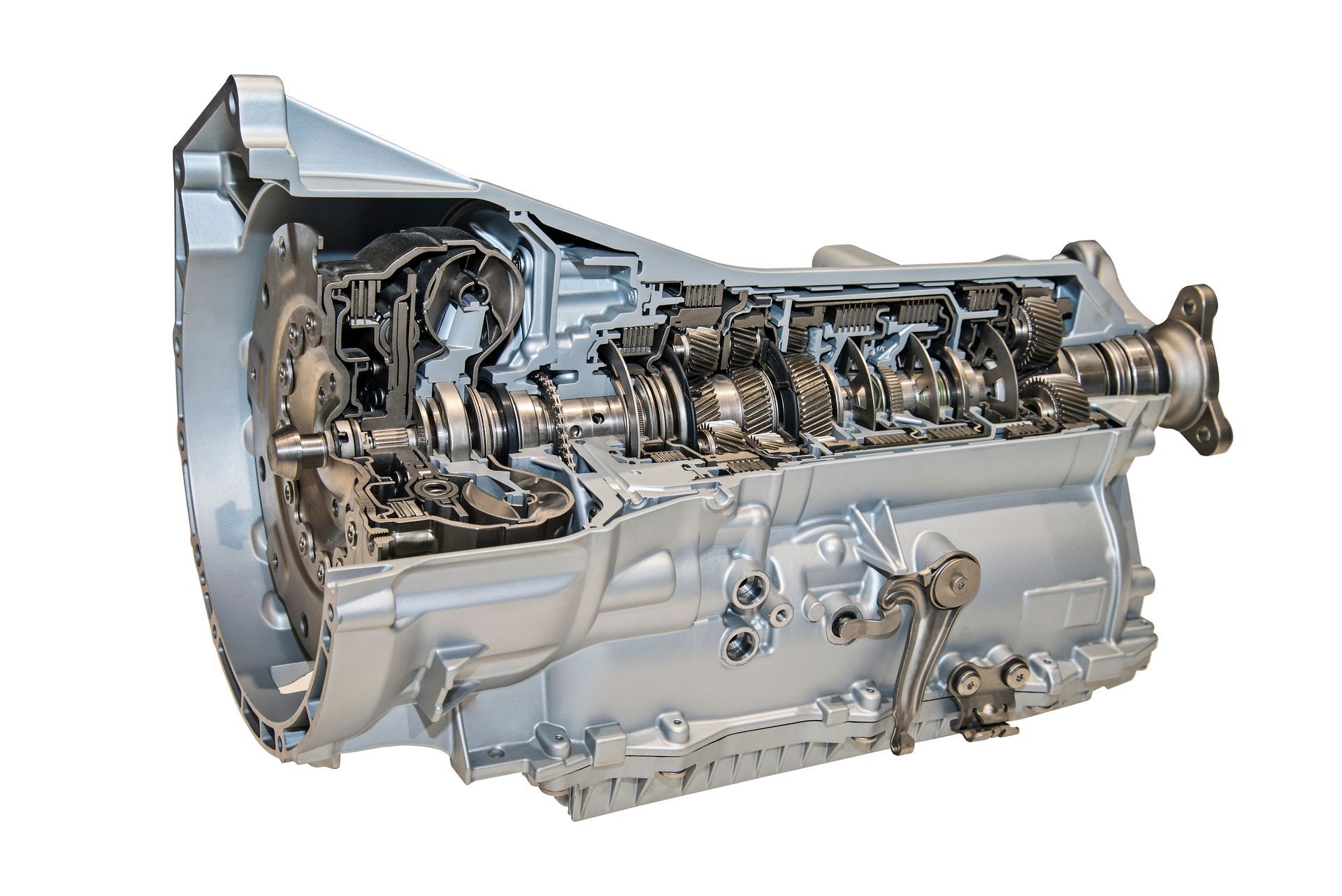
Transmission fluid is not merely a lubricant; it is a complex hydraulic medium. In a modern automatic transmission, fluid circulates through a sophisticated network of valves, pumps, and passages. The fluid's viscosity must remain stable across wide temperature ranges to ensure that pressure is delivered instantly to the correct hydraulic circuits.
Friction modifiers within the fluid are specifically formulated to allow clutch discs to engage smoothly without shuddering, yet lock up firmly once engaged. When the fluid becomes old, oxidized, and contaminated, these friction modifiers degrade. The fluid loses its specific frictional properties, causing clutch plates to slide against one another rather than locking solidly. This loss of frictional grip is the primary mechanism by which contaminated fluid translates into physical slippage.
Furthermore, hydraulic pressure is regulated by tiny solenoids and valves. If debris floating in dirty fluid obstructs these microscopic passages or clogs the valve body, fluid pressure drops across the system. Low hydraulic pressure directly starves the clutch packs of the clamping force required to hold high torque loads, resulting in immediate gear slip, particularly under acceleration.
Mechanics of Transmission Slipping
Transmission slipping manifests when the connection between the engine and the drive wheels is momentarily interrupted or weakened. Drivers typically experience this as an unexpected surge in engine RPM without a corresponding increase in vehicle speed, a delayed response when shifting from park to drive, or a sudden jolt when the transmission finally catches a gear.
| Symptom | Underlying Hydraulic or Mechanical Cause |
|---|---|
| RPM flare without acceleration | Low hydraulic pressure failing to clamp clutches |
| Delayed engagement (Drive/Reverse) | Clogged valve body passages restricting flow |
| Harsh or erratic shifting | Varnish buildup sticking shift solenoids |
| Whining or buzzing noise | Starved fluid pump pulling air through filter |
When dirty fluid circulates through the system, it carries abrasive particles that accelerate wear on rubber seals, gaskets, and internal clutch linings. As the friction material on the clutch discs wears away, the gap the hydraulic piston must travel increases. If the fluid is too degraded to build rapid pressure, that extended travel time creates a noticeable lag and subsequent slip.
Identifying the Signs of Contaminated Transmission Fluid
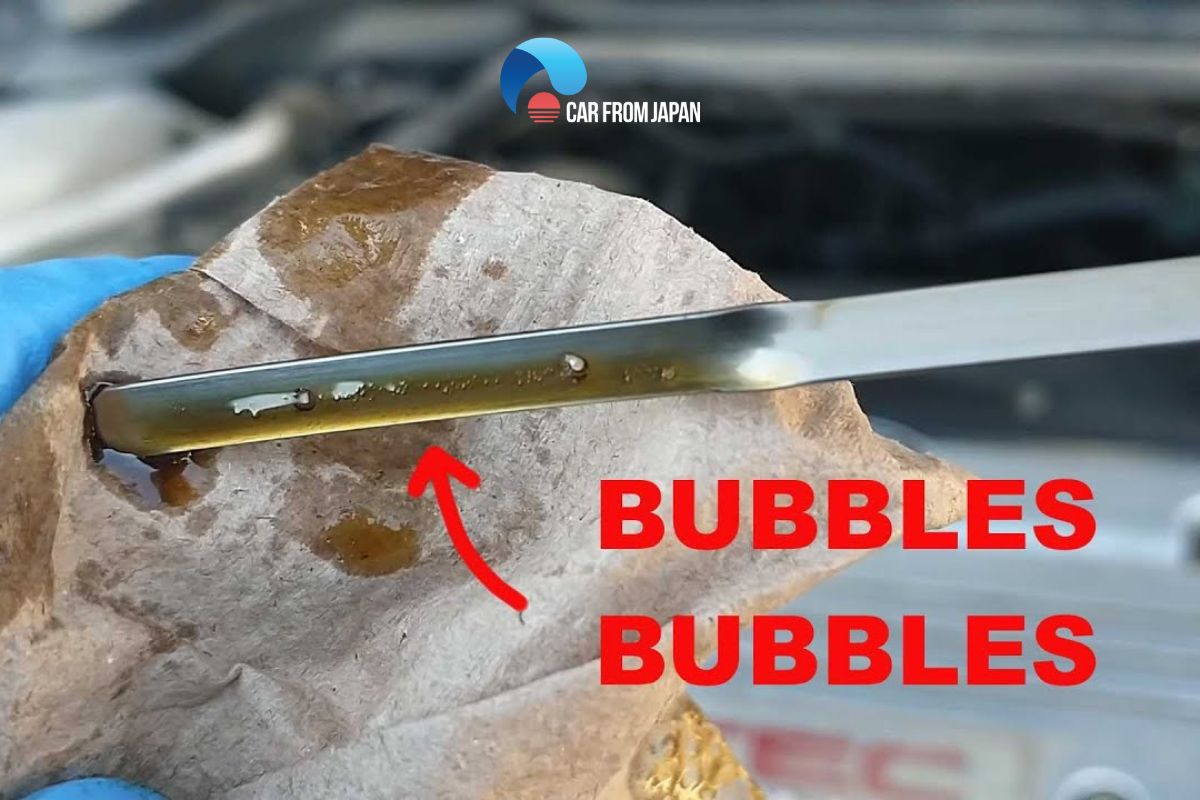
Recognizing fluid degradation early can prevent minor contamination from escalating into catastrophic mechanical failure. Checking the transmission fluid condition requires inspecting its color, opacity, and odor using the vehicle's dipstick (if equipped with a traditional dipstick tube).
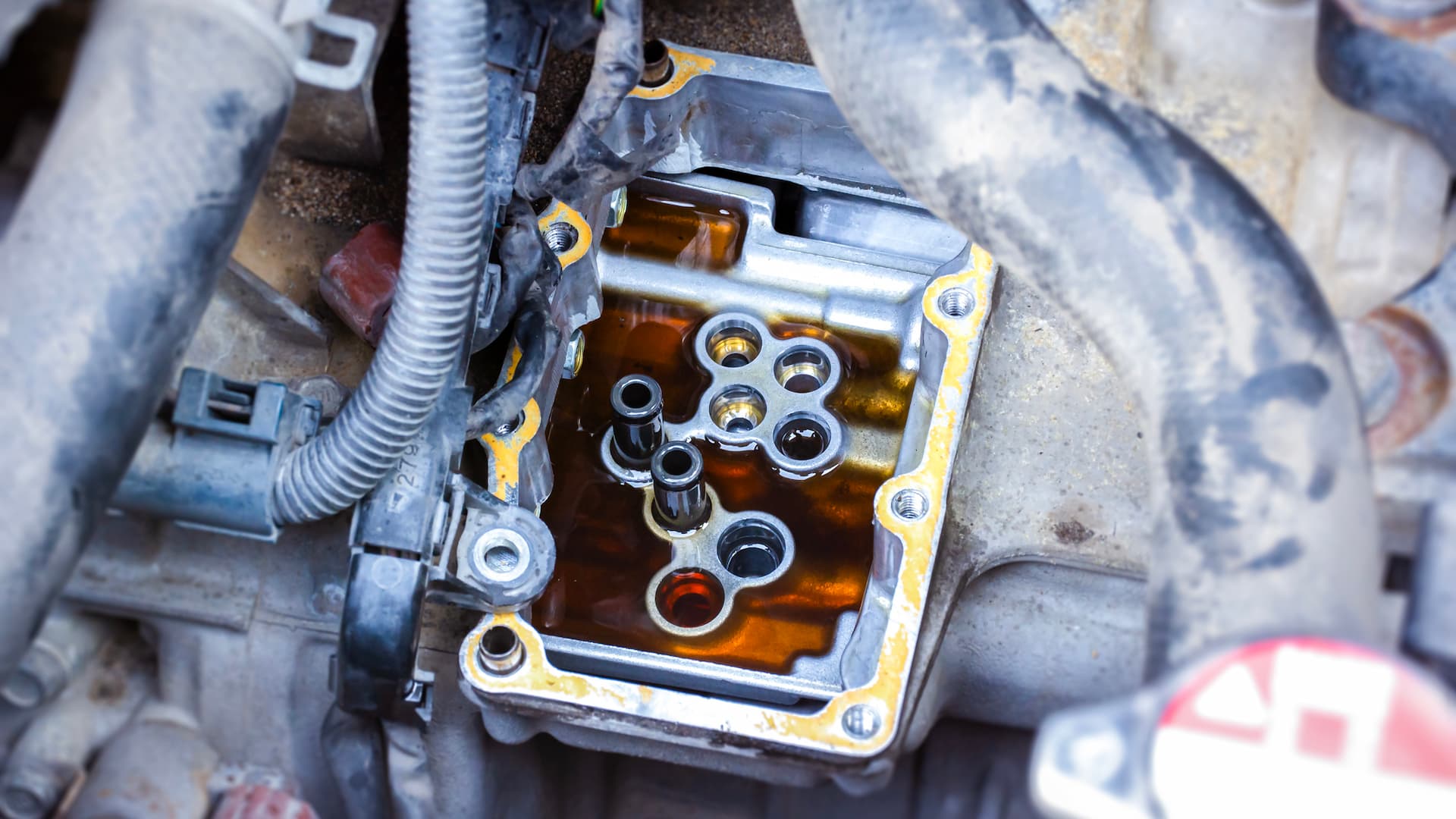
- Color and Clarity: Fresh automatic transmission fluid is typically bright red or translucent green. As it ages, heat causes it to darken to a reddish-brown. If the fluid appears dark brown or jet black, it is severely oxidized and contaminated with debris.
- Odor Analysis: Healthy fluid has a mild, distinctive petroleum scent or is nearly odorless. A strong, acrid, or burning smell indicates that internal clutch packs have overheated, burning the surrounding fluid and destroying its chemical structure.
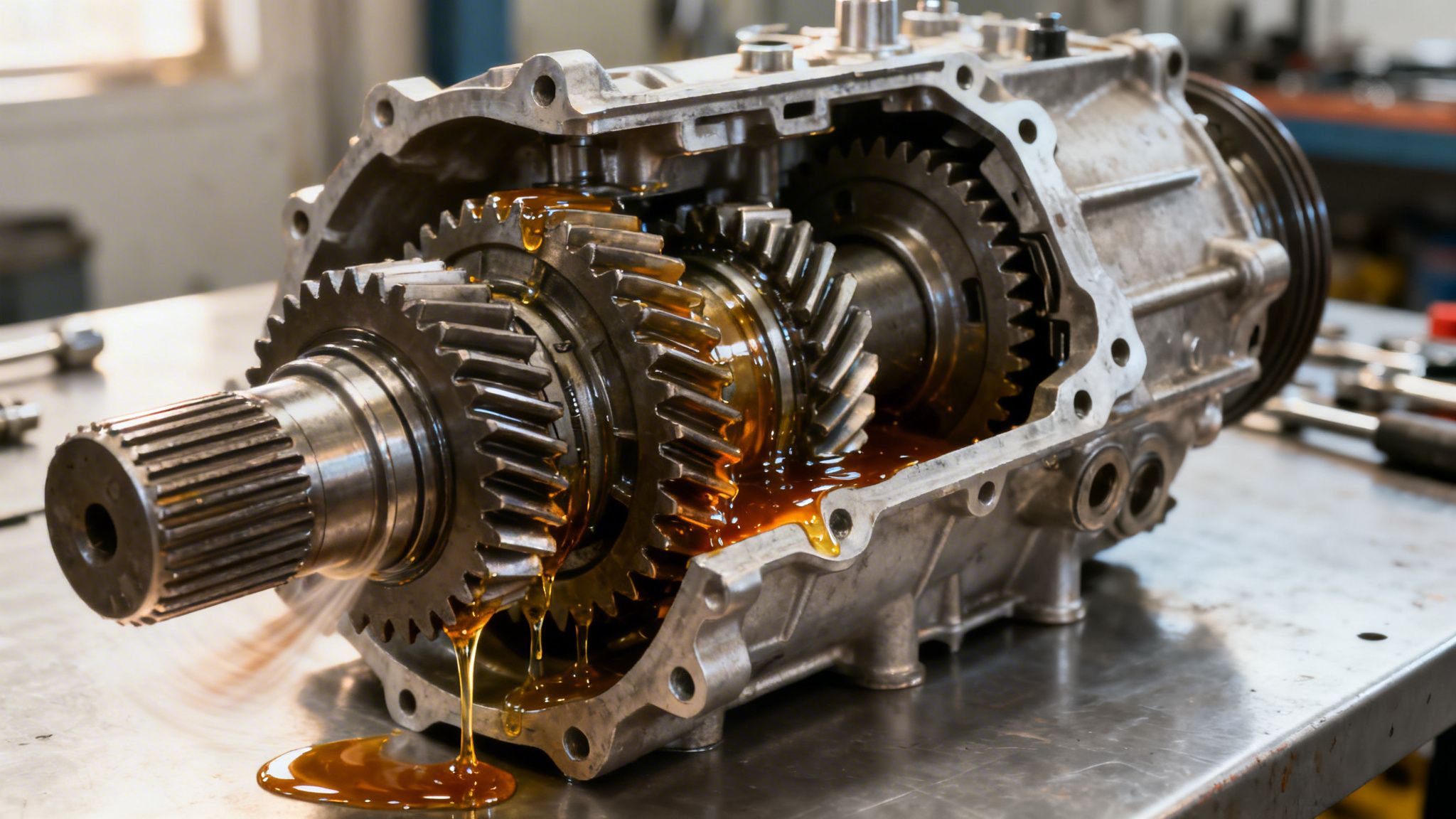
- Texture and Particulate Presence: Rubbing a small drop of fluid between your fingers should reveal a smooth texture. If the fluid feels gritty, it contains suspended clutch material and metal particles, which act like liquid sandpaper inside the valve body and pump.
Causes of Fluid Contamination
Understanding why transmission fluid becomes dirty helps vehicle owners adopt better maintenance habits. Contamination generally stems from three primary sources: normal wear and tear, thermal breakdown, and external intrusion.
- Normal Mechanical Wear: Every time gears engage and clutch packs meet, microscopic particles of metal and paper-like friction material shear off and enter the fluid stream. While the transmission filter captures larger debris, fine particulates remain suspended and circulate continuously.
- Thermal Breakdown: Transmissions operate under high temperatures. When towing heavy loads, driving in stop-and-go traffic, or climbing steep grades, fluid temperatures can spike. Excessive heat breaks down the complex synthetic or petroleum base stocks, causing the fluid to form varnish and sludge.
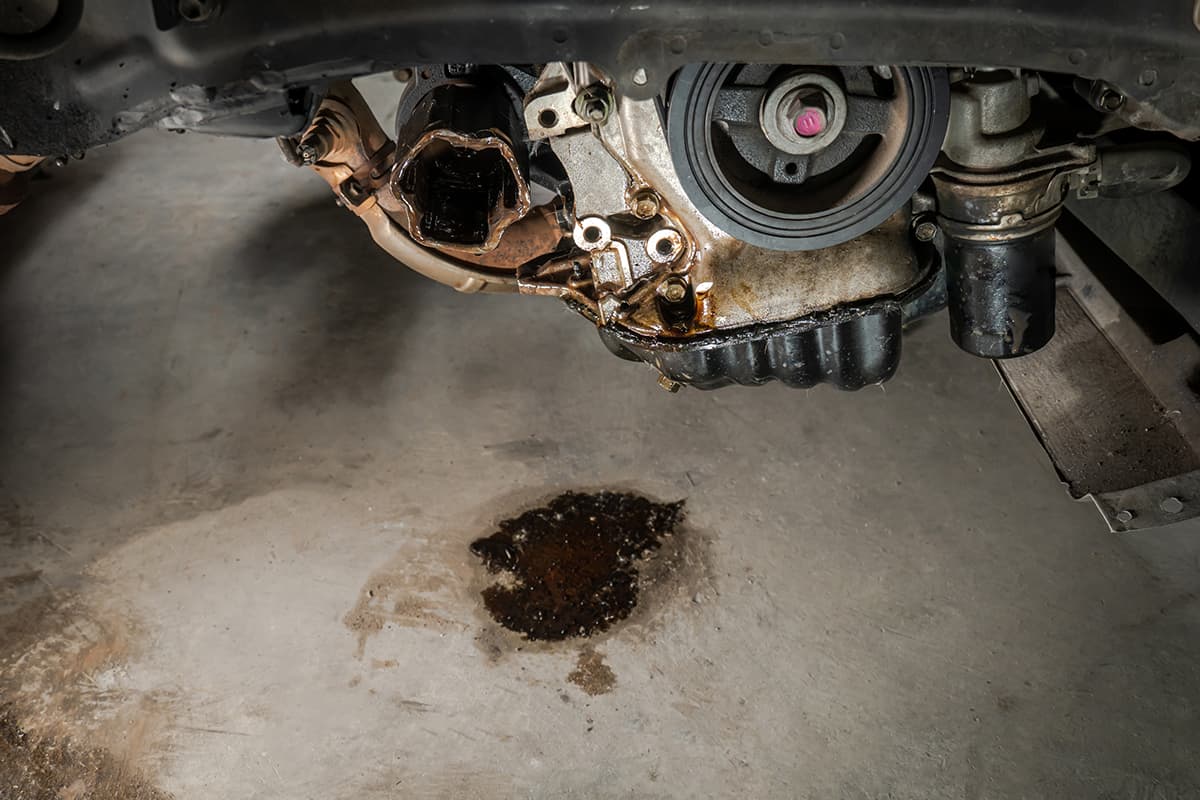
- Moisture and Coolant Contamination: Many automatic transmissions feature an auxiliary cooler integrated into the main engine radiator. If the internal barrier of the radiator fails, engine coolant can mix with the transmission fluid. Coolant rapidly destroys clutch friction material and dissolves internal rubber seals. Similarly, compromised vent tubes can allow rainwater or humidity to enter the transmission case.
Troubleshooting: Is It the Fluid or Mechanical Damage?
While dirty fluid causes slipping, severe slipping can also indicate advanced mechanical failure, such as burned-out clutch packs, stripped gear teeth, or a failing hydraulic pump. Diagnosing the root cause requires a systematic approach.
First, check the fluid level. Low fluid volume causes symptoms identical to dirty fluid because the pump cannot maintain line pressure. If the fluid level is correct, check its condition using the visual and olfactory guidelines outlined earlier.
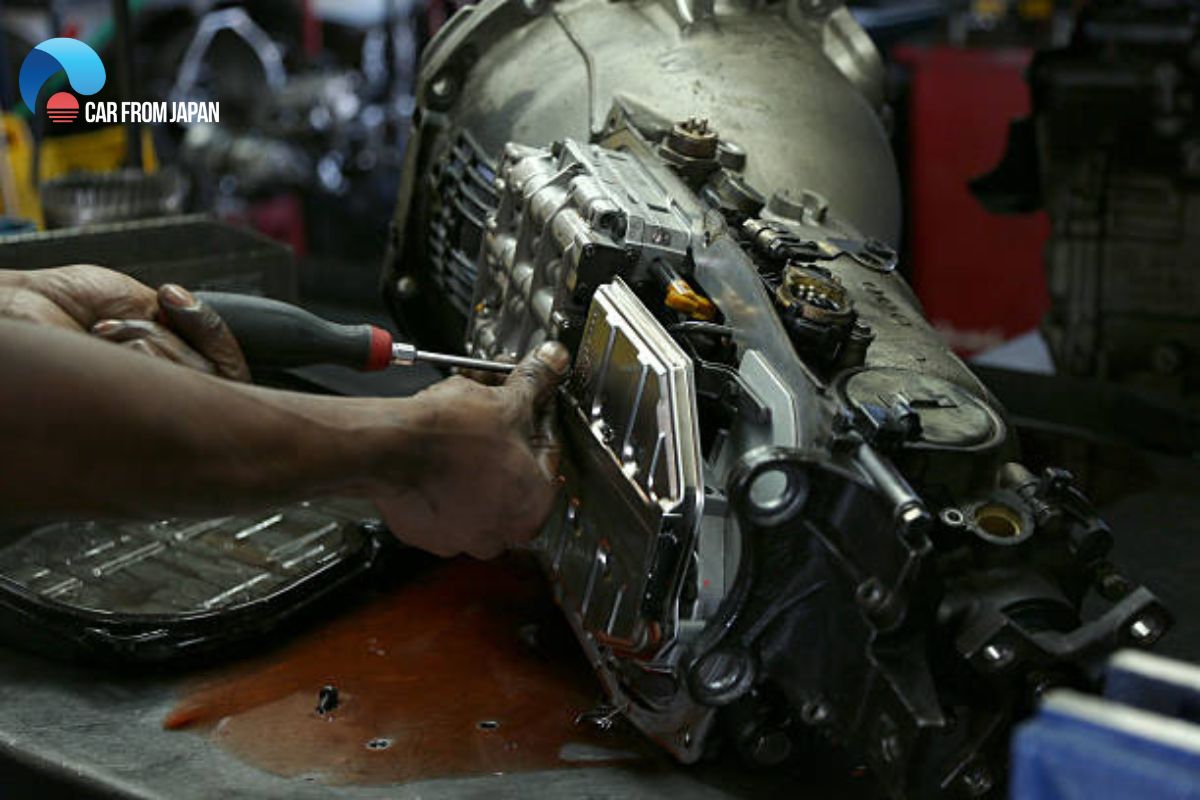
If the fluid is dark, burnt, and full of debris, performing a fluid exchange or flush combined with a new filter may resolve mild slipping if the clutch material remains intact. However, if diagnostic trouble codes (DTCs) point to component failure, or if physical metal chunks are found in the pan, a fluid change will not restore mechanical integrity. In such cases, professional transmission rebuilding or replacement is necessary.
Maintenance Strategies and Prevention
Proactive fluid maintenance is the most effective defense against transmission slipping. Vehicle manufacturers outline specific service intervals, though severe operating conditions—such as frequent towing, commercial use, or extreme ambient temperatures—dictate more frequent service.
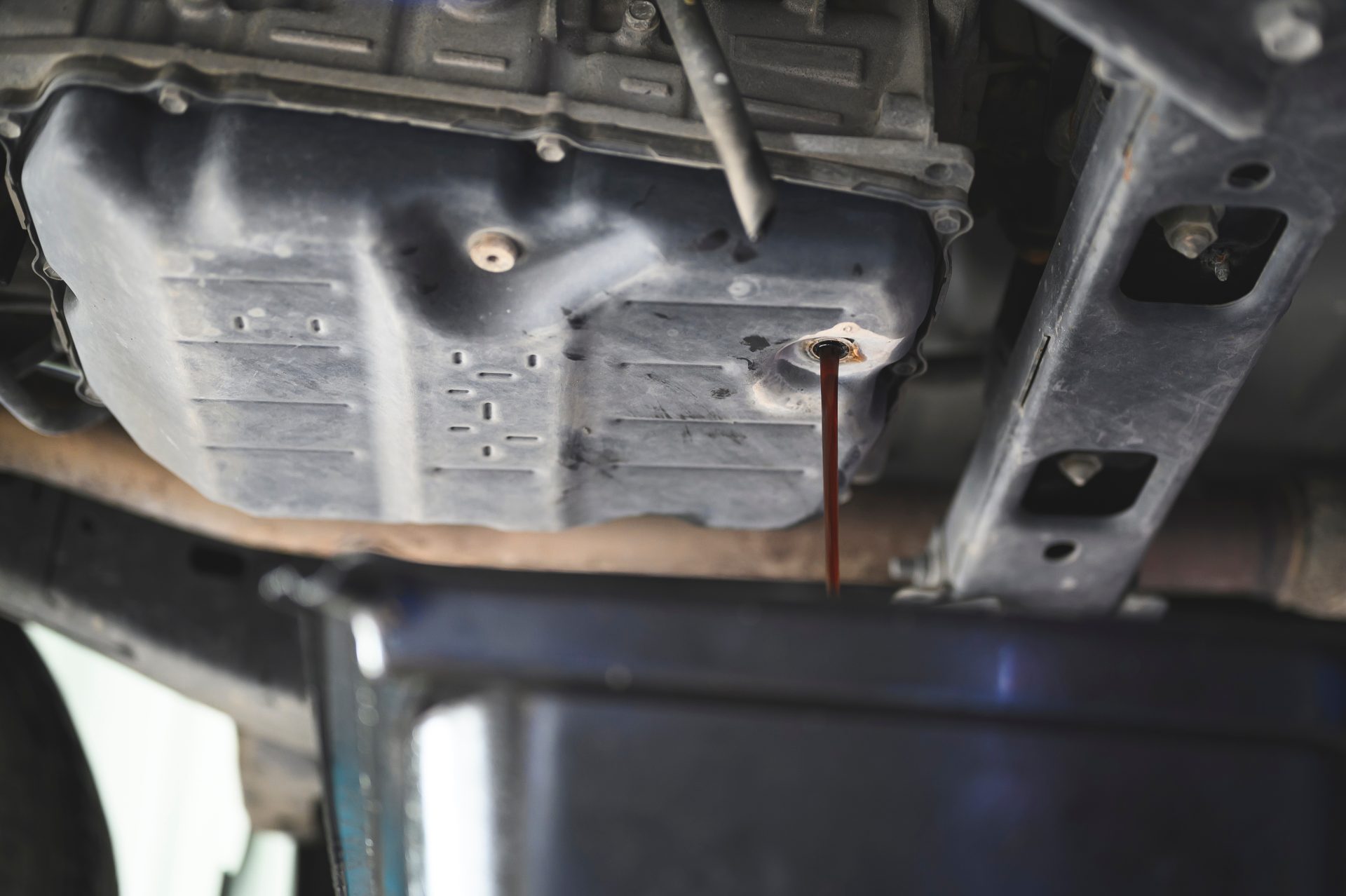
- Regular Fluid Drains and Fills: Draining the fluid pan and replacing the internal or external filter removes a significant portion of suspended contaminants and replenishes vital additives.
- Complete Fluid Exchanges: Using specialized exchange equipment powered by the transmission's own pump replaces nearly 100% of the old fluid, ensuring a clean slate for hydraulic operations.
- Monitoring Operating Temperatures: Installing an auxiliary transmission cooler keeps fluid temperatures within safe operating limits, preventing thermal breakdown and extending the lifespan of both the fluid and internal components.
Frequently Asked Questions
Can changing dirty transmission fluid fix a slipping transmission?
Changing dirty fluid can fix slipping if the issue is caused solely by minor valve body restriction or degraded hydraulic pressure due to old fluid. However, if the clutch discs are physically burned out or worn down to bare metal, a fluid change will not restore grip, and mechanical repair will be required.
How often should transmission fluid be changed?
While some manufacturers historically claimed transmission fluid was "lifetime" fluid, most modern service schedules recommend changing fluid and filters every 30,000 to 60,000 miles, depending on vehicle usage and towing habits.
What is the difference between a transmission flush and a fluid change?
A standard fluid change involves draining the fluid pan, replacing the filter, and refilling the system with new fluid, which replaces about 40% to 60% of the total fluid. A transmission flush uses a machine to purge virtually all old fluid and contaminants from the entire system, including the torque converter and cooler lines.
Can low transmission fluid cause slipping too?
Yes. Low fluid volume prevents the transmission pump from generating adequate hydraulic pressure, leading to delayed engagement, weak clutch clamping force, and noticeable slipping during gear changes.
What are the dangers of driving with a slipping transmission?
Driving with a slipping transmission generates excessive friction and heat. This rapidly burns out remaining clutch material, warps steel plates, contaminates the entire hydraulic system with debris, and can ultimately lead to total transmission failure and stranded operation.
Next Steps and Professional Evaluation
If your vehicle exhibits signs of transmission slipping and routine fluid checks reveal dark, contaminated fluid, address the issue promptly. Schedule an inspection with a certified transmission technician to perform a comprehensive hydraulic pressure test and diagnostic scan. Catching fluid contamination early saves expensive repair costs and ensures reliable vehicle performance.
Image Gallery