What Happens If You Are Underinsured Auto: Risks, Costs, and Legal Consequences
Being underinsured on your auto policy means your insurance coverage limits are lower than the actual cost of the damages or injuries you cause in an accident, or lower than the value of your own vehicle during a total loss. When you c...
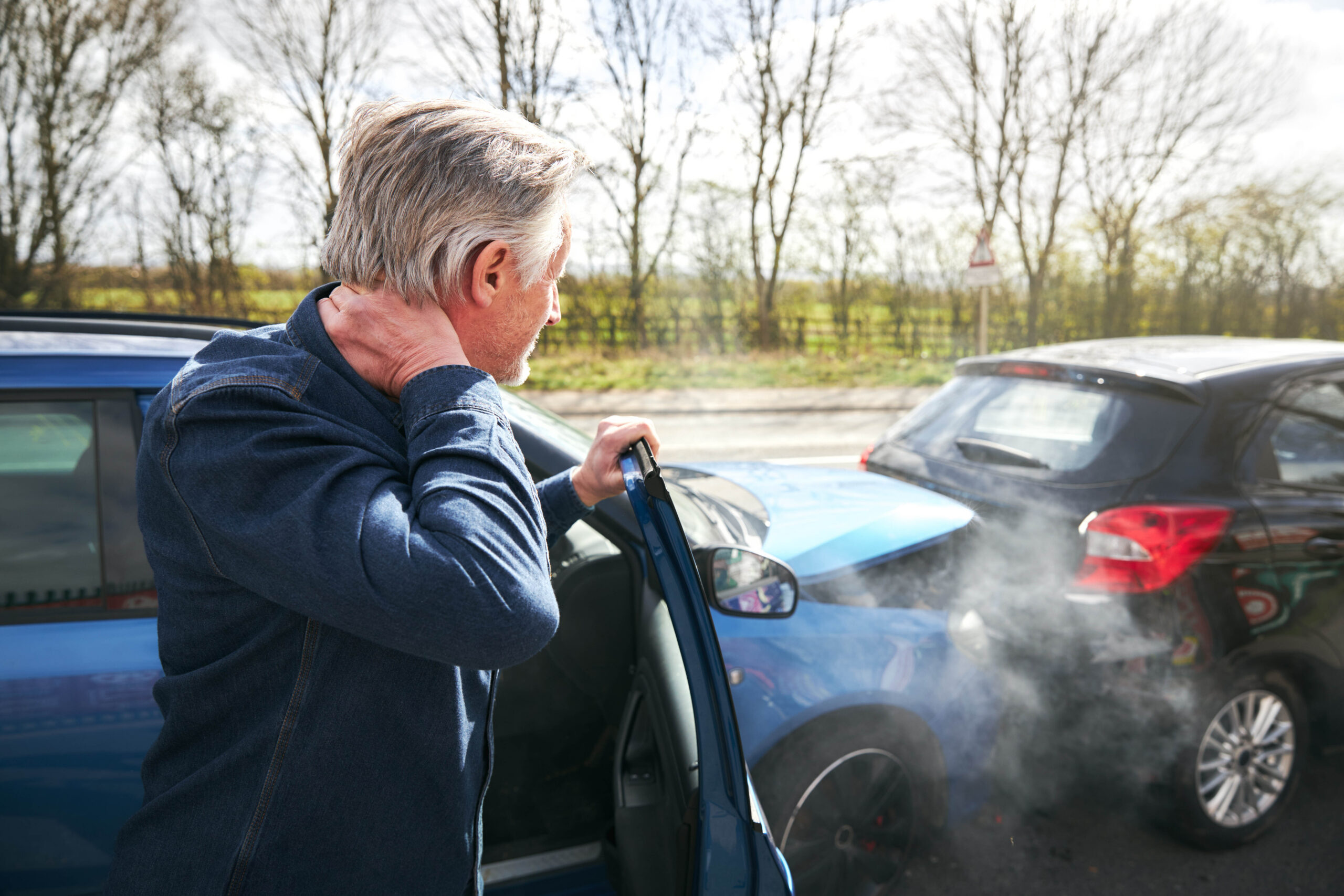
Being underinsured on your auto policy means your insurance coverage limits are lower than the actual cost of the damages or injuries you cause in an accident, or lower than the value of your own vehicle during a total loss. When you cause a severe collision, standard liability limits can evaporate in minutes, leaving your personal assets vulnerable to lawsuits, court judgments, and aggressive collection actions. Understanding the mechanics of underinsurance protects both your financial wellbeing and your legal standing on the road.
Contents
Understanding Auto Insurance Policy Limits
To grasp what happens when you are underinsured, you must first examine how auto insurance policy structures operate. Every standard auto insurance policy comes with designated maximum payout caps, commonly referred to as coverage limits. These limits dictate the absolute maximum amount your insurance carrier will pay out on your behalf for a single accident.
In most jurisdictions, state laws mandate minimum liability limits that drivers must carry to legally operate a vehicle. These are typically expressed as a series of three numbers, such as 25/50/20.
- The first number represents the maximum payout (in thousands) for bodily injury per individual person.
- The second number represents the total maximum payout for bodily injury for all people injured in a single accident.
- The third number represents the maximum payout for property damage.
The Illusion of Minimum Liability Compliance
Many drivers mistakenly believe that if they purchase the state-mandated minimum coverage, they are fully protected. State minimums were designed decades ago and rarely reflect the staggering costs of modern healthcare, vehicle replacement, and legal defense.
When a multi-vehicle accident occurs involving luxury automobiles or multiple injured parties, total expenses routinely exceed $100,000. If your policy maxes out at $25,000 for property damage, your insurer stops paying the moment that cap is reached. You are entirely responsible for the remaining balance out of pocket.
Direct Financial and Legal Consequences of Being Underinsured
When an accident exceeds your policy limits, a cascade of severe financial and legal repercussions begins. Your insurance company will settle up to your policy limit, leaving the injured party or damaged property owner unpaid for the remainder. This triggers a sequence of high-stakes enforcement measures.
1. Personal Asset Seizure and Lawsuits
The injured party has the legal right to sue you personally for the deficiency balance—the amount remaining after your insurance payout is exhausted. If they secure a court judgment against you, the courts can authorize aggressive asset recovery methods.
- Bank Levies: Creditors can freeze and empty your checking and savings accounts.
- Property Liens: A lien can be placed on your primary residence or secondary real estate, forcing you to pay the debt when you refinance or sell.
- Wage Garnishment: A percentage of your ongoing salary can be automatically withheld by your employer and paid directly to the judgment creditor.
2. Suspension of Driver's License and Vehicle Registration
State Departments of Motor Vehicles (DMVs) maintain strict rules regarding financial responsibility after accidents. If you are at fault, cause significant damage, and fail to pay the unsatisfied judgment or provide proof of sufficient coverage, state authorities will suspend your driver's license and vehicle registration. Regaining your driving privileges typically requires paying off the judgment, entering into a court-approved payment plan, or filing high-risk insurance documentation known as an SR-22.
3. Personal Bankruptcy
For many underinsured motorists facing six-figure judgments they cannot pay, personal bankruptcy becomes the only viable exit strategy. While Chapter 7 or Chapter 13 bankruptcy can discharge auto accident liabilities in many cases (provided the accident did not involve driving under the influence of drugs or alcohol), it severely damages your credit score for years, hampers your ability to secure future loans, and drains your retirement and savings accounts.
Underinsured Motorist (UIM) Coverage vs. Being Underinsured
It is vital to distinguish between being underinsured yourself and encountering another driver who is underinsured.
- Being Underinsured: This article's primary focus. It occurs when your liability limits are too low to cover the damage you inflict on others, or when your physical damage limits do not cover your own car.
- Underinsured Motorist (UIM) Coverage: This is an optional or mandatory policy add-on that protects you when another driver hits you, but their liability limits are too low to cover your medical bills and repair costs.
If you are underinsured from a liability standpoint, you have no external safety net. Your insurer will not pay past your limit, and the other driver's UIM coverage (if they have it) only protects them, not you.
Comparison of Auto Insurance Coverage Scenarios
The following table illustrates how different insurance limits and financial scenarios interact when an at-fault driver causes a major multi-vehicle accident resulting in $150,000 of total damages and medical bills.
| Coverage Level | Policy Limits (Injury/Property) | Insurance Payout | Out-of-Pocket Liability for Driver | Potential Legal Consequences |
|---|---|---|---|---|
| State Minimum | $25,000 / $50,000 / $15,000 | $50,000 total | $100,000 | Lawsuits, wage garnishment, asset liens, license suspension |
| Moderate Coverage | $50,000 / $100,000 / $25,000 | $100,000 total | $50,000 | Potential small-claims lawsuits or enforced payment plans |
| High Limit Coverage | $250,000 / $500,000 / $100,000 | $150,000 total | $0 | Complete financial protection, zero legal liability |
Common Misconceptions About Auto Insurance Limits
Drivers often operate under false assumptions that leave them dangerously exposed to underinsurance risks.
"My Assets Are Safe Because I Do Not Own a House"
A common myth is that low-income earners or renters do not need high liability limits because they have nothing worth seizing. In reality, aggressive creditors and plaintiff attorneys can garnish future wages for decades. A major court judgment follows you wherever you go, capturing a portion of every paycheck you earn well into your future.
"Comprehensive and Collision Coverages Cover Everything"
Many motorists assume that having full coverage means they are protected against all financial losses. However, comprehensive and collision policies only repair your vehicle. They do not increase your liability limits for injuries and property damage you cause to other people.
How to Avoid Being Underinsured
Preventing an underinsurance crisis requires proactive adjustments to your insurance portfolio and regular policy reviews.
- Increase Liability Limits: Upgrade your liability coverage far beyond state minimums. Standard recommendations from financial advisors suggest carrying at least 100/300/100 limits, and ideally 250/500/100 if you own a home or have significant savings.
- Purchase an Umbrella Policy: Personal umbrella insurance policies provide an extra layer of liability protection—typically starting at $1 million—that sits on top of your auto and homeowners insurance policies. These policies are remarkably affordable relative to the massive amount of protection they provide.
- Review Policy Annually: As your net worth, income, and vehicle usage change, your insurance needs evolve. Review your policy every year with an independent insurance agent to ensure your limits match your current life stage.
Frequently Asked Questions
What happens if I cause an accident and my insurance runs out?
Once your insurance policy reaches its maximum payout limit for a claim, your insurer ceases all financial contributions toward that accident. You become personally liable for every dollar of the remaining balance, which can be pursued through civil lawsuits, wage garnishments, and property liens.
Will my auto insurance company provide a lawyer if I am sued for an amount exceeding my policy limits?
Your insurance company provides legal defense as part of your policy contract. However, once a judgment exceeds your policy limits, your insurer will typically pay out their maximum limit and hand the remaining defense responsibility or settlement burden directly to you, requiring you to hire private counsel at your own expense.
Does health insurance cover car accident injuries if auto limits are reached?
Some health insurance policies cover medical expenses resulting from auto accidents, but many have strict exclusions or subrogation clauses. If your health insurer pays for accident injuries caused by your underinsured vehicle, they maintain the legal right to sue you or recover those funds from your personal assets later.
Can I upgrade my insurance coverage after an accident has already occurred?
No. Insurance policies operate on strict prospective terms. You cannot retroactively increase your liability limits after an accident has taken place to cover the ensuing damages. Any policy changes made post-accident only apply to future incidents.
How much auto liability insurance should I carry to avoid being underinsured?
Insurance experts generally recommend carrying a minimum of $100,000 per person and $300,000 per accident for bodily injury, along with $100,000 for property damage (100/300/100). If you own a home, business, or significant personal savings, higher limits or an umbrella policy are strongly advised.
Next Actions and Professional Guidance
If you suspect your current auto insurance limits are too low, contact your insurance provider or an independent broker immediately to request a coverage review. Request quotes for higher liability tiers (such as 100/300/100 or higher) and inquire about personal umbrella policies. Evaluating your risk profile today prevents catastrophic financial disruption tomorrow.
Image Gallery