Tommie Copper Shirts for Back Pain: Do They Work and What to Expect
Tommie Copper shirts for back pain are compression and posture-support garments designed to alleviate muscular discomfort through targeted tension, gentle core engagement, and copper-infused fabrics. While they do not cure structural s...
Tommie Copper shirts for back pain are compression and posture-support garments designed to alleviate muscular discomfort through targeted tension, gentle core engagement, and copper-infused fabrics. While they do not cure structural spinal issues, they can help improve user posture and reduce daily muscular fatigue.
Contents
Back pain affects millions of individuals globally, prompting a massive market for ergonomic furniture, physical therapy regimens, and wearable supports. Among these wearable solutions, compression apparel has surged in popularity. Tommie Copper, a brand widely recognized for its compression wear, offers shirts engineered specifically to target torso discomfort. This guide examines how these shirts function, their design features, realistic expectations, potential drawbacks, and how they fit into a comprehensive pain management strategy. Note that this article is for informational purposes and does not constitute medical advice; individuals experiencing chronic or severe back pain should consult a qualified healthcare professional.
Understanding the Mechanics of Compression Wear for Back Support
Compression garments were originally developed for medical applications, such as improving circulation in patients with venous insufficiency or reducing swelling post-surgery. Over time, the sportswear and orthopedic industries adapted these textiles for musculoskeletal support. When applied to the upper and lower back, compression functions primarily through proprioceptive feedback—the body's ability to sense its position in space.
By applying gentle, consistent pressure across the torso, Tommie Copper shirts encourage the wearer to become more aware of their posture. When the shoulders begin to slump forward or the lower back arches excessively, the engineered tension bands within the garment resist that movement, subtly cueing the muscles to return to a neutral alignment. This physical reminder can prevent the micro-slouching that accumulates into significant muscular strain over a standard workday.
Furthermore, compression wear applies mild pressure to soft tissues, which can help minimize soft tissue vibration during movement and provide a comforting, hug-like sensation. For individuals dealing with general muscular fatigue, this added stability can make standing or sitting for long periods more manageable.
Key Features and Design Specifications of Tommie Copper Back Shirts
Tommie Copper incorporates several proprietary technologies into its posture and back support shirts. Understanding these features helps buyers determine whether the garment aligns with their specific physical needs.
Copper Znergy® Technology
A defining characteristic of the brand is its proprietary Copper Znergy fabric, which infuses copper and zinc directly into the yarn. The manufacturer asserts that this infusion provides permanent anti-odor properties by inhibiting the growth of odor-causing microbes on the fabric. From a back pain perspective, the fabric itself does not emit healing magnetic fields or medicinal properties; rather, it ensures the garment remains fresh during extended wear, which is particularly beneficial for individuals who wear compression shirts under professional attire all day.
Panel Construction and Targeted Compression
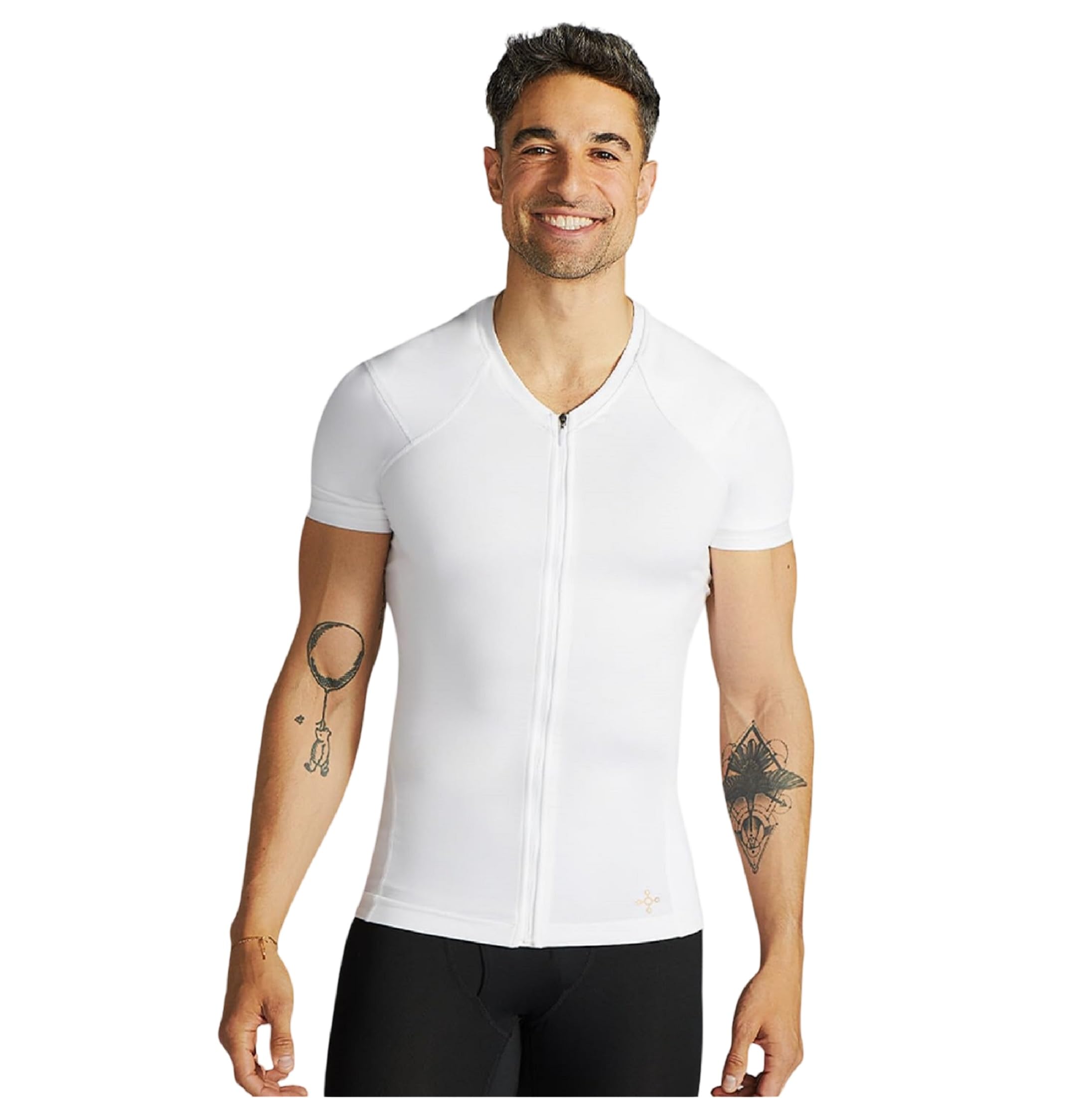
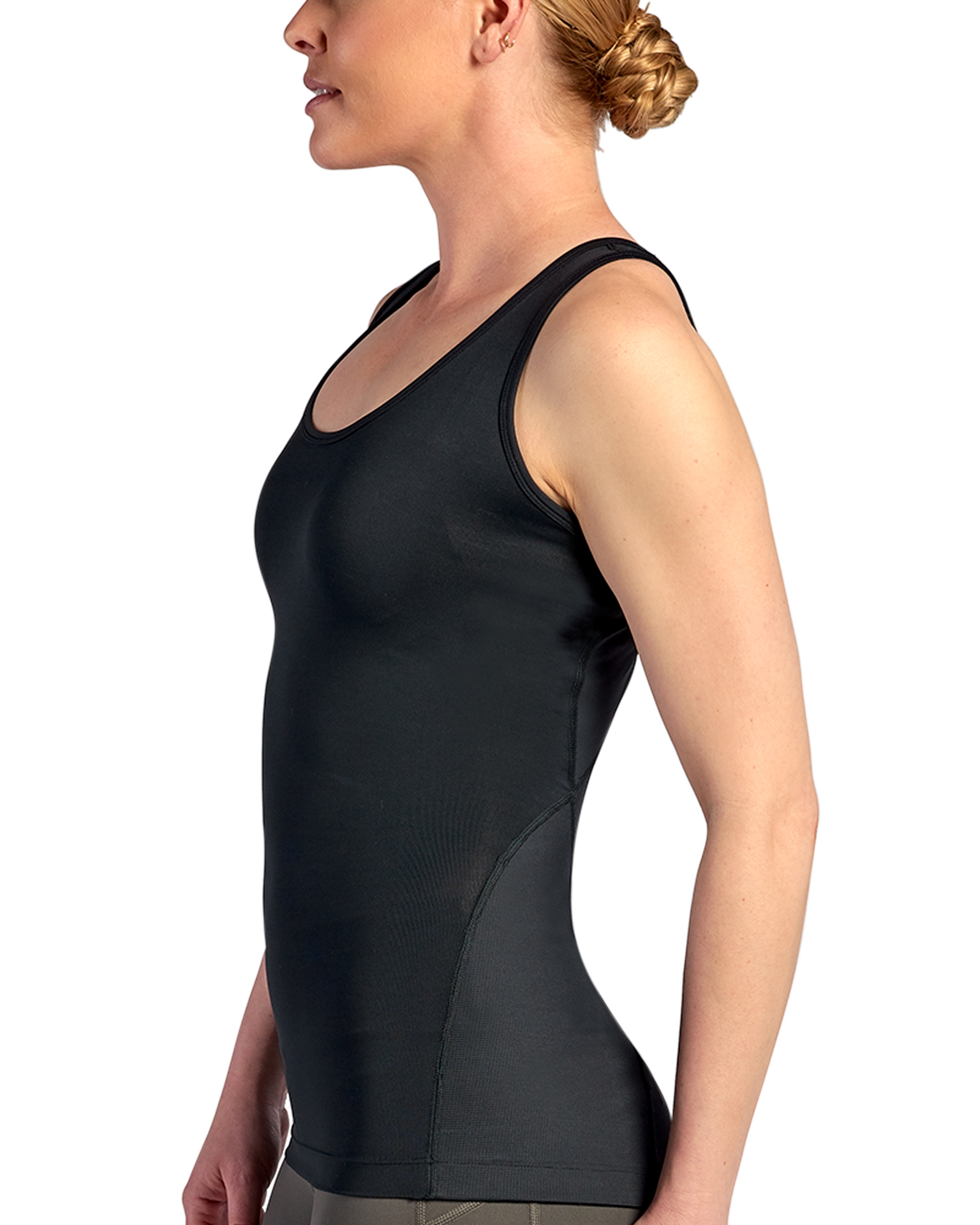
Unlike standard undershirts, back support shirts feature multi-directional stretch panels mapped to the anatomy of the back and core.
- Shoulder Pull Panels: Designed to gently pull the shoulders back, countering the "desk posture" hunch.
- Lower Torso Support: Provides light compression across the lumbar region to encourage core engagement.
- Ergonomic Seaming: Flatlock seams are utilized to minimize chafing, allowing the shirt to be worn comfortably as a base layer for hours at a time.
Evaluating Practical Performance and Comfort
When assessing how well Tommie Copper shirts perform for back pain, user experiences and physiological realities highlight both benefits and limitations. The primary advantage is usability. Unlike rigid orthopedic braces that restrict movement and weaken core muscles over time, compression shirts allow a full range of motion while offering gentle reminders to maintain proper alignment.
| Feature / Attribute | Tommie Copper Support Shirts | Rigid Orthopedic Braces | Standard Undershirts |
|---|---|---|---|
| Mobility | High (Full range of motion) | Low (Restricts torso movement) | High (No movement restriction) |
| Posture Cueing | Moderate (Via tension panels) | High (Mechanical immobilization) | None |
| Primary Benefit | Muscular fatigue reduction & posture awareness | Post-injury immobilization | Sweat management & layering |
| Discreetness | High (Worn under regular clothing) | Low (Bulky, visible under clothes) | High |
| Core Strengthening | Low risk of atrophy (encourages natural engagement) | High risk of muscle atrophy with prolonged use | Neutral |
The table above illustrates that compression shirts occupy a middle ground. They do not force the spine into a fixed position like a medical brace, meaning they do not cause rapid muscle deconditioning, but they also cannot provide heavy-duty stabilization for acute structural injuries like herniated discs or severe fractures.
Practical Benefits for Daily Life
For individuals whose back pain stems from postural fatigue, weak core endurance, or prolonged sitting at a desk, these shirts offer several practical advantages:
- Desk and Office Work: Long hours in front of a computer often lead to thoracic kyphosis (excessive rounding of the upper back). The targeted tension helps combat this slouching habit.
- Active Recovery: Light compression can assist in managing post-exercise muscular soreness in the torso by stabilizing soft tissues during movement.
- Discreet Undergarment Design: Because the shirts are designed to look and feel like standard compression tops or base layers, they can be worn invisibly under professional or casual clothing without drawing attention.
Limitations and What Tommie Copper Shirts Cannot Do
It is crucial to maintain realistic expectations when purchasing compression apparel for pain management. These garments are engineered tools, not medical cures.
- Not a Replacement for Medical Treatment: If back pain is caused by nerve impingement, spinal stenosis, disc herniation, or structural deformities, a compression shirt will address only the secondary muscular tension, leaving the root cause untreated.
- Passive Support Limitations: The shirts rely on the wearer's active muscular effort to maintain posture. If core muscles fatigue completely, the garment alone will not hold the torso upright.
- Sizing Dependency: Compression wear must fit tightly to be effective. If purchased too large, it provides no supportive tension; if purchased too small, it can restrict breathing or cause discomfort and chafing.
Common Mistakes to Avoid
To maximize the utility of posture and compression shirts, users should avoid several frequent pitfalls:
- Expecting Instant Cures: Expecting a garment to eliminate chronic back pain overnight leads to disappointment. Postural correction is a gradual process requiring muscular adaptation.
- Ignoring Sizing Charts: Guessing a shirt size based on standard casual wear sizing often results in an improper fit. Always measure the chest and waist according to the manufacturer's exact specifications.
- Wearing Them 24/7: Unless specifically advised by a physician, compression garments should be removed during sleep to allow skin to breathe and muscles to rest completely.
- Neglecting Core Strengthening: Relying solely on a shirt without incorporating targeted physical therapy, stretching, or core-strengthening exercises limits long-term recovery potential.
Frequently Asked Questions
Can I sleep in a Tommie Copper back support shirt?
It is generally not recommended to sleep in compression shirts. Muscles and skin require a period of unrestricted rest without external pressure. Wearing them continuously can also lead to skin irritation or discomfort during sleep.
How do I wash and maintain the copper-infused fabric?
Tommie Copper garments should typically be machine washed in cold water with similar colors on a gentle cycle. Avoid using fabric softeners or bleach, as these chemical additives can degrade the specialized moisture-wicking properties and elastic fibers of the fabric. Line drying or tumbling dry on low heat is recommended.
Will wearing a compression shirt weaken my back muscles?
Unlike rigid orthopedic braces, which completely immobilize the torso and can lead to muscle atrophy over extended periods, compression shirts provide dynamic, flexible tension. They allow your muscles to move and work while offering tactile feedback, meaning they encourage rather than replace active muscle engagement.
How tight should the shirt feel?
A Tommie Copper shirt should feel snug, supportive, and compressive, but it should never restrict your breathing, cause sharp pains, or leave deep, painful indentation marks on your skin. If you experience numbness or tingling in your arms or torso, the shirt is too tight and you should select a larger size.
Are these shirts covered by health insurance or HSA/FSA accounts?
Coverage varies depending on your specific insurance provider and plan rules. However, many flexible spending accounts (FSA) and health savings accounts (HSA) consider ergonomic and orthopedic supports eligible expenses, especially if accompanied by a formal letter of medical necessity from a licensed physician. Check with your plan administrator prior to purchase.
Next Actions and Recommendations
If you are considering purchasing Tommie Copper shirts for back pain, start by assessing the specific nature of your discomfort. If your pain is mild, dull, and clearly linked to poor posture or prolonged sitting at a desk, a posture-support compression shirt can serve as a helpful, low-risk addition to your daily routine.
To proceed effectively, measure your torso accurately against the brand's sizing guidelines, purchase one garment initially to test comfort and fit, and pair its usage with active lifestyle adjustments such as ergonomic workstation evaluations, regular stretching, and core-strengthening exercises. If your pain persists, worsens, or radiates down your limbs, schedule an evaluation with a physician or physical therapist to rule out underlying structural conditions.
Image Gallery