How Beyoncé Earned Her First Grammy in 2001: The Breakthrough of Destiny’s Child
Beyoncé Knowles earned her first Grammy Award in 2001 as a member of the R&B group Destiny’s Child, winning two awards for their breakout global smash hit "Say My Name." This milestone marked the official transition of the group from r...
Beyoncé Knowles earned her first Grammy Award in 2001 as a member of the R&B group Destiny’s Child, winning two awards for their breakout global smash hit "Say My Name." This milestone marked the official transition of the group from rising pop-soul acts into undisputed music industry heavyweights, while laying the foundation for Beyoncé's subsequent record-breaking solo career.
Contents
The Rise of Destiny's Child and the 2001 Grammy Breakthrough
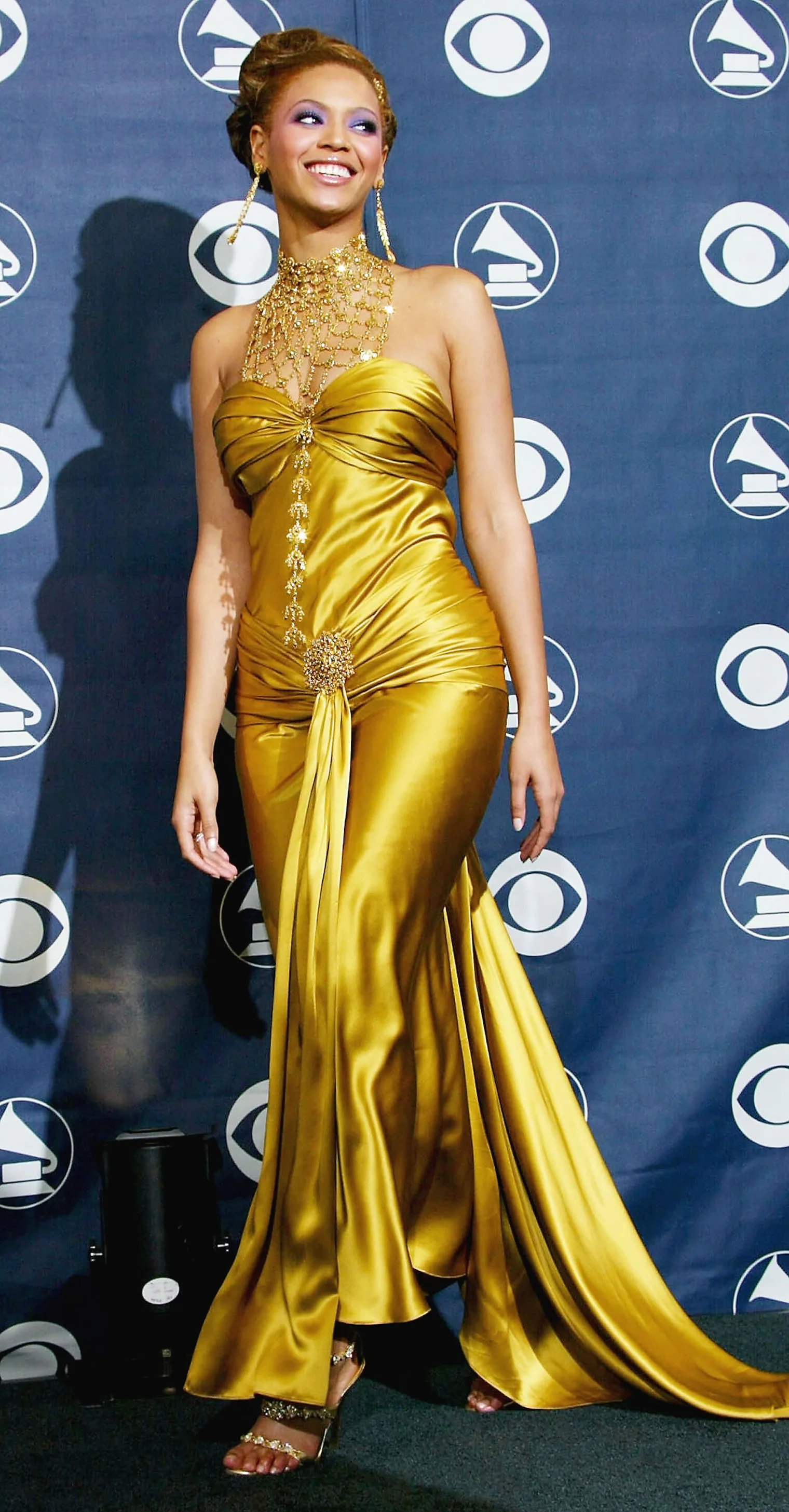
The 43rd Annual Grammy Awards, held on February 21, 2001, at the Staples Center in Los Angeles, served as a pivotal turning point for contemporary R&B and pop music. Among the evening's major winners was Destiny’s Child, a Houston-based girl group that had undergone several line-up transformations before solidifying its most famous roster: Beyoncé Knowles, Kelly Rowland, Michelle Williams, and Farrah Franklin (though Franklin had departed the group by the time of the ceremony, and the recording itself featured former members LeToya Luckett and LaRobia "Latavia" Roberson).
The group arrived at the ceremony riding the massive wave of success generated by their second studio album, The Writing's on the Wall, released in 1999 by Columbia Records. The album transformed them from teenage protégés into international superstars, driven by meticulously crafted vocal harmonies, empowering lyrical themes, and razor-sharp production. When the nominations for the 2001 Grammys were announced, Destiny’s Child scored multiple high-profile nods, positioning them squarely against established adult contemporary and pop titans.
Securing a Grammy nomination is an arduous process governed by the Recording Academy. Recordings must meet strict commercial release windows and artistic criteria to be evaluated by voting members across specific genre categories. For Destiny's Child, their commercial ubiquity in 2000 translated directly into critical validation when the nominations were revealed, setting the stage for their historic wins on music’s biggest night.
Anatomy of a Masterpiece: "Say My Name"
The centerpiece of Destiny's Child's 2001 Grammy triumph was their third single from The Writing's on the Wall, "Say My Name." Released in late 1999 and dominating airwaves throughout 2000, the track became a defining cultural artifact of turn-of-the-millennium R&B.
Co-written by Beyoncé Knowles, Kelly Rowland, LeToya Luckett, LaTavia Roberson, and producer Darkchild (Rodney Jerkins), alongside Lashawn Daniels and Fred Jerkins III, "Say My Name" was celebrated for its innovative production and complex vocal arrangements. The song’s stuttering, syncopated beat, coupled with a hypnotic guitar loop and rapid-fire lyricism, created an infectious tension that resonated across both urban radio and pop crossover charts.
The recording process, however, was notoriously turbulent. Internal management and contractual disputes led to the departure of Luckett and Roberson during the music video production phase, resulting in the introduction of Michelle Williams and Farrah Franklin. Despite the off-screen friction, the final recorded vocals—primarily driven by Beyoncé’s soaring lead and intricate background harmonies with Rowland—remained intact on the commercial release.
At the 2001 Grammy Awards ceremony, "Say My Name" competed in several major categories and ultimately secured victories in two highly competitive fields:
- Best R&B Performance by a Duo or Group with Vocals
- Best R&B Song (awarded to the songwriters: Rodney Jerkins, Fred Jerkins III, Lashawn Daniels, Beyoncé Knowles, LeToya Luckett, LaTavia Roberson, and Kelly Rowland)
Additionally, the track received nominations for the prestigious Record of the Year and Song of the Year, signaling to the wider industry that Destiny's Child transcended standard teen-pop demographics and belonged in the upper echelon of American songwriting.
| Grammy Category (2001) | Nominated Work | Result | Associated Artists / Songwriters |
|---|---|---|---|
| Best R&B Performance by a Duo or Group with Vocals | "Say My Name" | Won | Destiny's Child |
| Best R&B Song | "Say My Name" | Won | Rodney Jerkins, Fred Jerkins III, Lashawn Daniels, Beyoncé Knowles, LeToya Luckett, LaTavia Roberson, Kelly Rowland |
| Record of the Year | "Say My Name" | Nominated | Destiny's Child (Artist), Rodney Jerkins (Producer), La Marquis Jefferson (Engineer/Mixer) |
| Song of the Year | "Say My Name" | Nominated | Rodney Jerkins, Fred Jerkins III, Lashawn Daniels, Beyoncé Knowles, LeToya Luckett, LaTavia Roberson, Kelly Rowland |
The Cultural Impact and Industry Context of 2001
The year 2001 occupied a fascinating transitional phase in the music industry, caught between the physical CD sales boom of the late 1990s and the impending digital disruption brought by peer-to-peer file sharing. In this environment, R&B and hip-hop were rapidly cementing their status as the dominant forces in American popular culture.
Destiny’s Child stood at the forefront of this movement. By winning these Grammy Awards, Beyoncé and her bandmates helped redefine the modern girl group. Unlike their predecessors from earlier decades, Destiny's Child exercised heavy creative control, with Beyoncé emerging not only as the primary vocalist but also as a co-writer and eventual co-producer of their material.
The 2001 ceremony also laid the groundwork for Beyoncé's individual trajectory. As the focal point of the group, her vocal agility, visual presentation, and undeniable star power drew intense media scrutiny and public fascination. Winning these Grammys validated her artistic credibility early in her career, proving that her talents extended far beyond commercial pop appeal into rigorous musicianship and songwriting.
Transition to Solo Dominance: From Group Success to Solo Laurels
Following the 2001 Grammy wins, Destiny’s Child released one more multi-platinum studio album, Survivor (2001), which earned them additional Grammy nominations and wins (including Best R&B Performance by a Duo or Group with Vocals for the title track in 2002). However, the blueprint for individual superstardom was already fully drawn.
Beyoncé released her debut solo album, Dangerously in Love, in 2003. The project proved that her 2001 Grammy success was not an anomaly. Propelled by global hits like "Crazy in Love" (featuring Jay-Z) and "Baby Boy," the album earned her five Grammy Awards in a single night at the 2004 ceremony, tying the then-record for most wins by a female artist in one night.
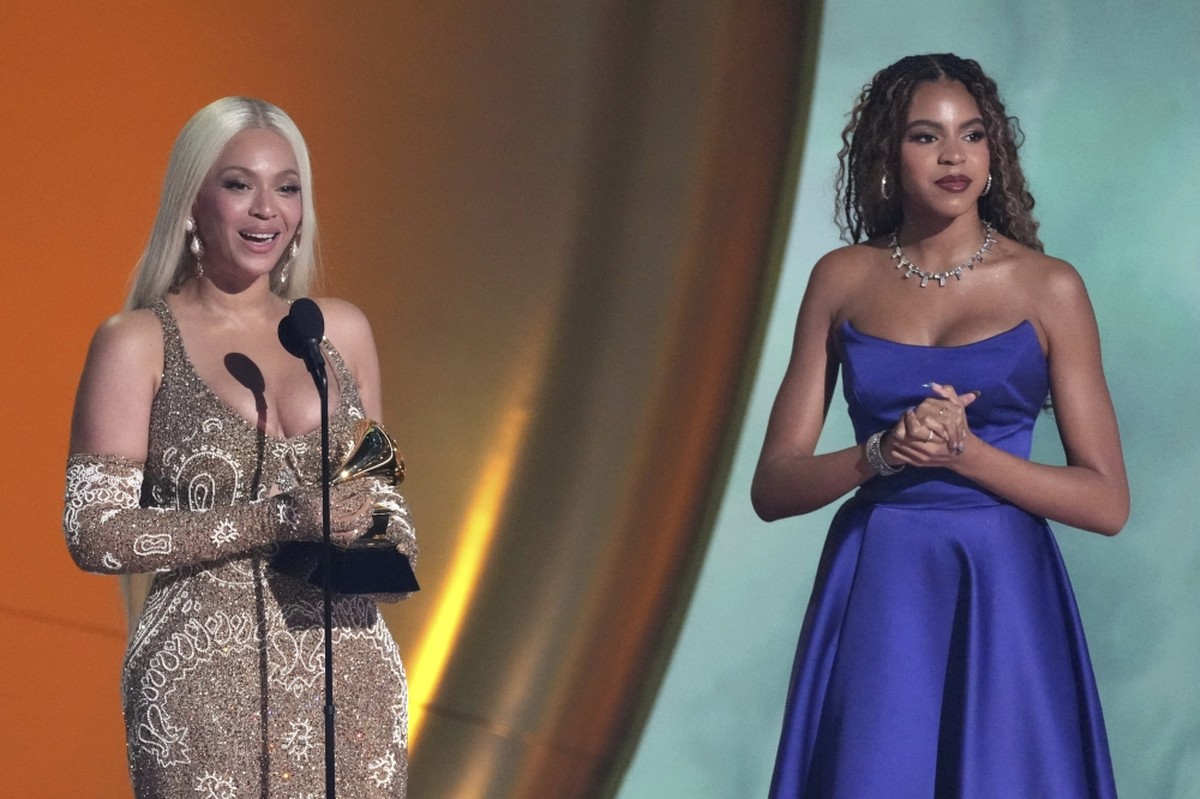
Over the subsequent decades, Beyoncé’s relationship with the Recording Academy expanded immensely. She accumulated dozens of Grammy nominations and historical wins, ultimately breaking the all-time record for the most Grammy wins by any individual in history. Yet, every milestone of her career can be traced back to that pivotal night in February 2001 when "Say My Name" brought home her very first golden gramophones.
Frequently Asked Questions
What specific song earned Beyoncé her first Grammy in 2001?
Beyoncé earned her first Grammy in 2001 for the smash hit single "Say My Name," performed with her group Destiny's Child. The track won awards for Best R&B Performance by a Duo or Group with Vocals and Best R&B Song.
How many Grammy Awards did Destiny's Child win in 2001?
Destiny's Child won two Grammy Awards at the 43rd Annual Grammy Awards ceremony out of multiple nominations, cementing their status as the premier R&B group of their era.
Did Beyoncé win her first Grammy as a solo artist or as part of a group?
Beyoncé won her first Grammy as a member of the R&B group Destiny's Child. Her transition to solo Grammy dominance occurred a few years later with the release of her 2003 debut solo album, Dangerously in Love.
What categories was "Say My Name" nominated for at the 2001 Grammys?
In addition to winning Best R&B Performance by a Duo or Group with Vocals and Best R&B Song, "Say My Name" received top-tier nominations for the general field categories Record of the Year and Song of the Year.
Who wrote the Grammy-winning song "Say My Name"?
The song was co-written by Beyoncé Knowles, Kelly Rowland, LeToya Luckett, LaTavia Roberson, Rodney Jerkins (Darkchild), Fred Jerkins III, and Lashawn Daniels.
Practical Next Actions and Further Exploration
For music historians, researchers, and fans examining the evolution of contemporary popular music, studying the 2001 Grammy Awards offers valuable insight into the commercial and critical mechanisms of the recording industry at the turn of the millennium. To explore this topic further, review official Recording Academy archives, documentary features chronicling the history of Destiny’s Child, and retrospective analyses of turn-of-the-century R&B production techniques.
Image Gallery