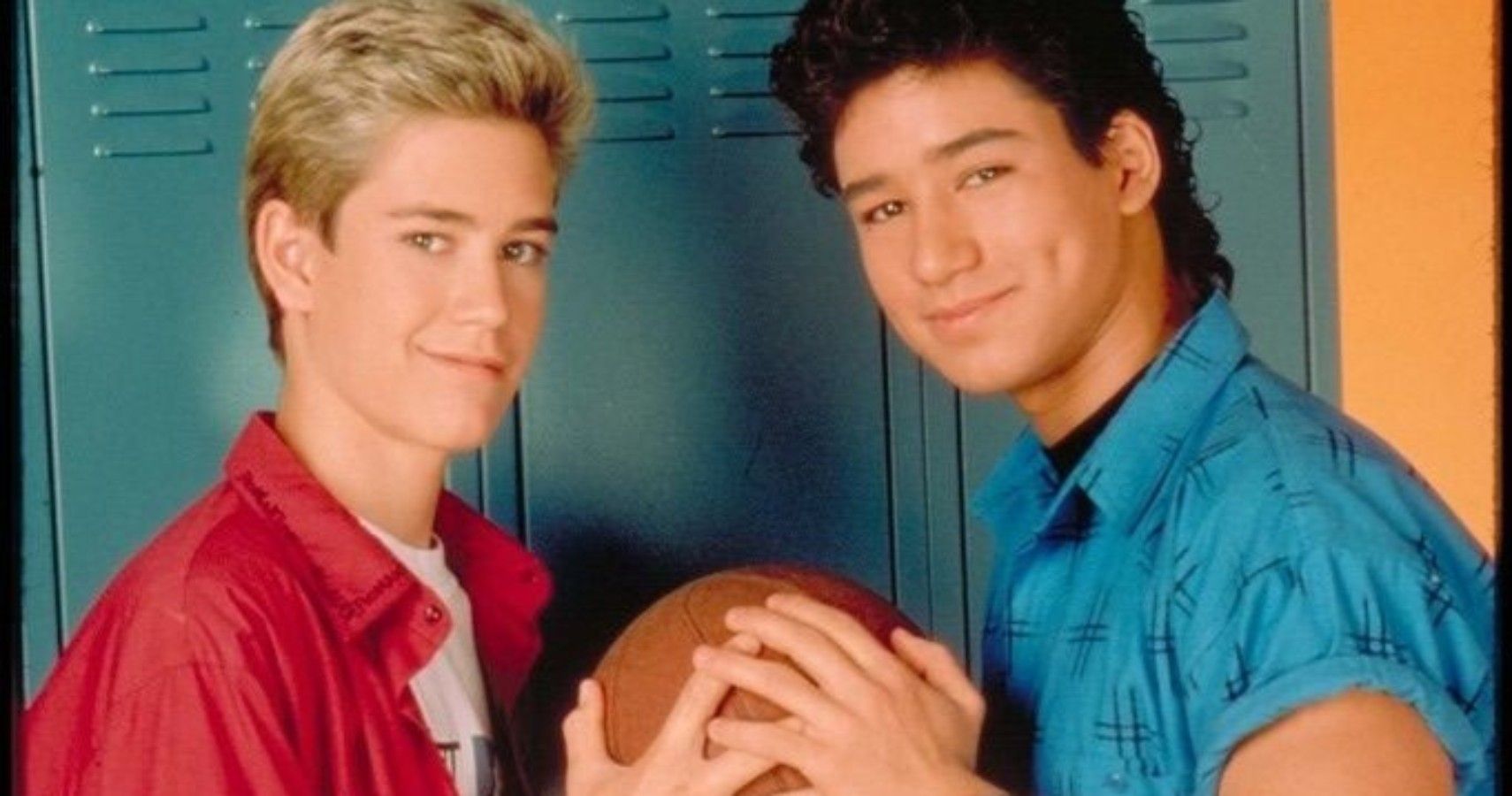
Saved by the Bell: Slater's Sister Casting Shifts and Fan Debate
The production history of Saved by the Bell features several behind-the-scenes casting adjustments, notably involving A.C. Slater's sibling, which sparked ongoing continuity discussions and fan debates within the show's community. Intr...
The production history of Saved by the Bell features several behind-the-scenes casting adjustments, notably involving A.C. Slater's sibling, which sparked ongoing continuity discussions and fan debates within the show's community.
Contents
Introduction to the Bayside High Continuity Puzzle
Television sitcoms produced during the late 1980s and early 1990s often prioritized episodic storytelling over strict, long-term continuity. Continuity errors, unaddressed disappearances, and recast roles were common industry practices, especially for teenage comedies where character arcs frequently adapted to shifting network demographics and actor availability. Saved by the Bell, developed by Peter Engel and airing on NBC's Saturday morning lineup, stands as a prime example of this phenomenon. While the core group of students at Bayside High School—Zack Morris, Kelly Kapowski, Lisa Turtle, A.C. Slater, Jessie Spano, and Samuel "Screech" Powers—remained the focal point, supporting family members often underwent sudden re-casting or vanished entirely without narrative explanation.
Among the various continuity discussions that engage the fanbase, the depiction and casting of A.C. Slater’s sister represent a fascinating case study in television production shifts. Albert Clifford "A.C." Slater, played by Mario Lopez, arrived at Bayside High as a transfer student from a military academy, bringing a tough exterior, athletic prowess, and a complicated family background. While the series occasionally explored his relationship with his military father, Colonel Slater, references to other family members—specifically siblings—generated confusion. This ambiguity fueled decades of online fan debate, retrospective analyses, and close examinations of uncredited or guest-star roles within the broader Saved by the Bell universe, which includes Good Morning, Miss Bliss and subsequent spin-off iterations.
Understanding why these casting shifts occurred requires examining the production realities of early 1990s network television, the transition from the Disney Channel's Good Morning, Miss Bliss to the NBC Saturday morning format, and the ways fan communities dissect archival episodes. By looking closely at how family characters were introduced, altered, or quietly written out, viewers gain insight into the mechanics of classic teen television.
The Origins of A.C. Slater in the Saved by the Bell Universe
To understand the discussions surrounding A.C. Slater's family, one must first examine how the character was integrated into the franchise. Mario Lopez’s character did not originate in the classic Bayside High setup that most viewers recognize. Instead, the character was conceived during the retooling of Good Morning, Miss Bliss, a short-lived sitcom that aired on the Disney Channel in 1988 starring Hayley Mills as teacher Carrie Bliss.
When NBC picked up the concept, re-imagined the premise, and relocated the setting to Los Angeles, several cast members from Good Morning, Miss Bliss—including Mark-Paul Gosselaar (Zack), Lark Voorhies (Lisa), and Dustin Diamond (Screech)—were retained. Mario Lopez, along with Tiffani-Amber Thiessen and Elizabeth Berkley, joined the cast to form the definitive core group. Slater was introduced as a charismatic, wrestling-champion jock who initially clashed with Zack Morris over Kelly Kapowski before becoming Zack's best friend.
Because the series was built rapidly from the remnants of Miss Bliss and operated under the strict episodic guidelines of Saturday morning children's television, character backstories were often fluid. Continuity was secondary to delivering a self-contained moral lesson or comedic storyline within a standard 22-minute runtime. Consequently, family members were introduced as needed to serve a specific plot point—such as a visiting parent, a rival sibling, or a visiting cousin—and were frequently played by different actors or omitted in later seasons without acknowledgment.
Examining the Sister Casting Shifts and Guest Appearances
The core of the fan debate regarding Slater's sister stems from the episodic nature of her appearances and the lack of a permanent, recurring actress assigned to the role. In television production, recurring roles require distinct contracts, whereas single-episode guest stars are hired on a per-episode basis. This financial and logistical framework often resulted in different actors playing related characters or temporary family members when scripts demanded it.
Throughout the run of Saved by the Bell and its subsequent television movies and spin-offs, family members of the core cast were frequently subjected to what media critics call "invisible shifting." For instance, characters would reference siblings who never appeared, or an actor would play one relative in an early season only for a different actor to portray a similarly described family member later.
In the case of A.C. Slater, references to his family background often emphasized his transient upbringing as an "Army brat." Because Colonel Slater relocated frequently due to military assignments, writers used this background to explain why certain relatives appeared briefly or why family dynamics shifted between episodes. However, the specific introduction of a sister in storyline arcs created points of confusion for viewers tracking family trees across the original series, The College Years, and the 2020 revival series.
| Character / Relative | Portrayed By / Mentioned | Associated Episodes / Context | Production / Continuity Notes |
|---|---|---|---|
| A.C. Slater | Mario Lopez | Saved by the Bell (1989–1993) | Core protagonist; military brat background established early. |
| Colonel Slater | Various / Minor Guest Actors | Military-themed episodes | Father figure whose strict discipline shaped A.C.'s athletic drive. |
| Sibling References | Varied Script Mentions | Multiple seasons | References to family members shifted depending on plot requirements. |
| Revival Series Updates | Mario Lopez | Saved by the Bell (2020 Revival) | Explored Slater's adult life as a Bayside High athletic coach. |
Why Sitcom Continuity Frequently Failed in the 1990s
Modern streaming habits and serialized storytelling have made contemporary audiences hyper-aware of continuity errors. Viewers can pause, rewind, and cross-reference every detail across entire seasons instantly. However, examining Saved by the Bell requires contextualizing the production environment of broadcast television in 1990.
During this era, network executives and syndication buyers cared little about strict continuity. Episodes of Saved by the Bell were routinely broadcast out of production order by local affiliates and cable networks. A viewer watching a rerun on TBS or WGN in the mid-1990s might see an episode from Season 4 followed immediately by a Season 2 episode where characters behaved differently, relationships were unformed, and family members were entirely inconsistent.
Furthermore, writers' rooms for Saturday morning comedies operated under tight budget constraints and rapid turnaround schedules. Crafting a cohesive multi-season arc for a supporting character like a sibling was rarely a priority when the primary goal was to deliver high-energy teenage comedy suitable for children and families. As a result, casting choices for guest stars, including siblings and cousins, were made based on availability and immediate casting calls rather than long-term franchise planning.
The Evolution of Fan Debate in the Internet Era
As the generation that grew up watching Saved by the Bell entered adulthood, online communities—ranging from Usenet groups in the 1990s to modern Reddit forums, retrospective podcasts, and pop-culture blogs—began dissecting these production anomalies. What was once a minor inconsistency dismissed by casual viewers became a subject of intense fan scrutiny and debate.
Fan discussions typically branch into three distinct perspectives:
- The In-Universe Explanation (Head-Canon): Devoted fans often construct elaborate narrative justifications for casting shifts and missing relatives. In Slater's case, fans might theorize about blended families, step-siblings, or extended relatives visiting from military bases across the country to reconcile the different portrayals.
- The Production Reality Perspective: Media historians and nostalgic viewers analyze call sheets, casting directories, and archival interviews to understand how network decisions, casting availability, and budget limitations drove these changes.
- Satirical and Nostalgic Engagement: Much of the online commentary treats these continuity gaps with affectionate humor, celebrating the campy, unpolished charm of early 1990s children's television.
This ongoing discourse demonstrates how older television properties maintain cultural relevance. Even minor casting anomalies become discussion points that allow fans to collectively engage with nostalgia and media literacy.
Broader Impact on the Saved by the Bell Franchise
The legacy of Saved by the Bell extends far beyond its original broadcast run, spawning television films (Saved by the Bell: Hawaiian Style, Saved by the Bell: The College Years), a short-lived sequel series (Saved by the Bell: The New Class), and a critically praised 2020 revival on Peacock.
In the 2020 revival series, creators acknowledged the history of the original show by bringing back original cast members, including Mario Lopez as A.C. Slater, who returned to Bayside High as a gym teacher and athletic director. The revival successfully bridged the gap between nostalgic affection for the 1990s aesthetic and modern television standards of continuity, addressing character growth and maturity while winking at the absurdities of the original Saturday morning format.
By revisiting these elements, modern iterations of the franchise validate the close attention paid by longtime fans. While casting shifts regarding family members like Slater's sister were initially minor production blunders, they have ultimately contributed to the rich, meme-worthy mythology that keeps the fandom active decades after the final bell rang at Bayside High.
Common Fan Questions and Clarifications
Why did Saved by the Bell frequently change or ignore family members?
The series was produced primarily for episodic Saturday morning broadcast rather than serialized viewing. Continuity between episodes was rarely prioritized, and guest actors portraying family members were hired on a per-episode basis without long-term character arcs in mind.
Did A.C. Slater have a prominent sibling in the main run?
While Slater's background as an Army brat was frequently referenced, explicit appearances by siblings were minimal and episodic, leading to conflicting details across different seasons and spin-off media.
How did the 2020 revival handle original series continuity?
The Peacock revival integrated original cast members like Mario Lopez and Elizabeth Berkley into adult roles at Bayside High, blending modern television storytelling with respectful nods to the original series' production quirks.
Are original episodes available with consistent broadcast order?
Streaming platforms generally present episodes in production or chronological order, which helps clarify some timeline discrepancies, though standalone episodes still reflect the episodic nature of 1990s network television.
Practical Next Steps for Nostalgic Viewers
For fans interested in exploring the production history and continuity details of Saved by the Bell more deeply, several avenues offer reliable information:
- Consult comprehensive television databases such as IMDb Pro or official studio archives for verified guest-star credits.
- Listen to retrospective interview podcasts featuring original cast members and crew, who frequently discuss the realities of shooting Saturday morning television in Los Angeles.
- Review production-order episode guides rather than broadcast-order lists to understand how storylines evolved across seasons.
Image Gallery