The JC Penney Project Runway Effort: A Case Study in Retail Sustainability and Mass-Market Fashion
The JC Penney Project Runway effort in retail sustainability represents a strategic attempt to bridge the gap between high-concept sustainable design and mass-market accessibility. By partnering with the iconic design competition, JC P...
The JC Penney Project Runway effort in retail sustainability represents a strategic attempt to bridge the gap between high-concept sustainable design and mass-market accessibility. By partnering with the iconic design competition, JC Penney utilized the platform to highlight circular fashion principles, bringing eco-conscious apparel to a broader demographic while modernizing its legacy brand image.
Contents
Retail sustainability is no longer an optional "extra" for legacy department stores; it is a fundamental requirement for survival in a market increasingly dominated by conscious consumers. For JC Penney, the collaboration with Project Runway—specifically the push toward sustainable design challenges—served as a high-visibility laboratory. This initiative allowed the retailer to test the waters of ethical sourcing and recycled materials within its massive supply chain, proving that "green" fashion does not have to be exclusive to luxury boutiques.
The Genesis of the JC Penney and Project Runway Partnership
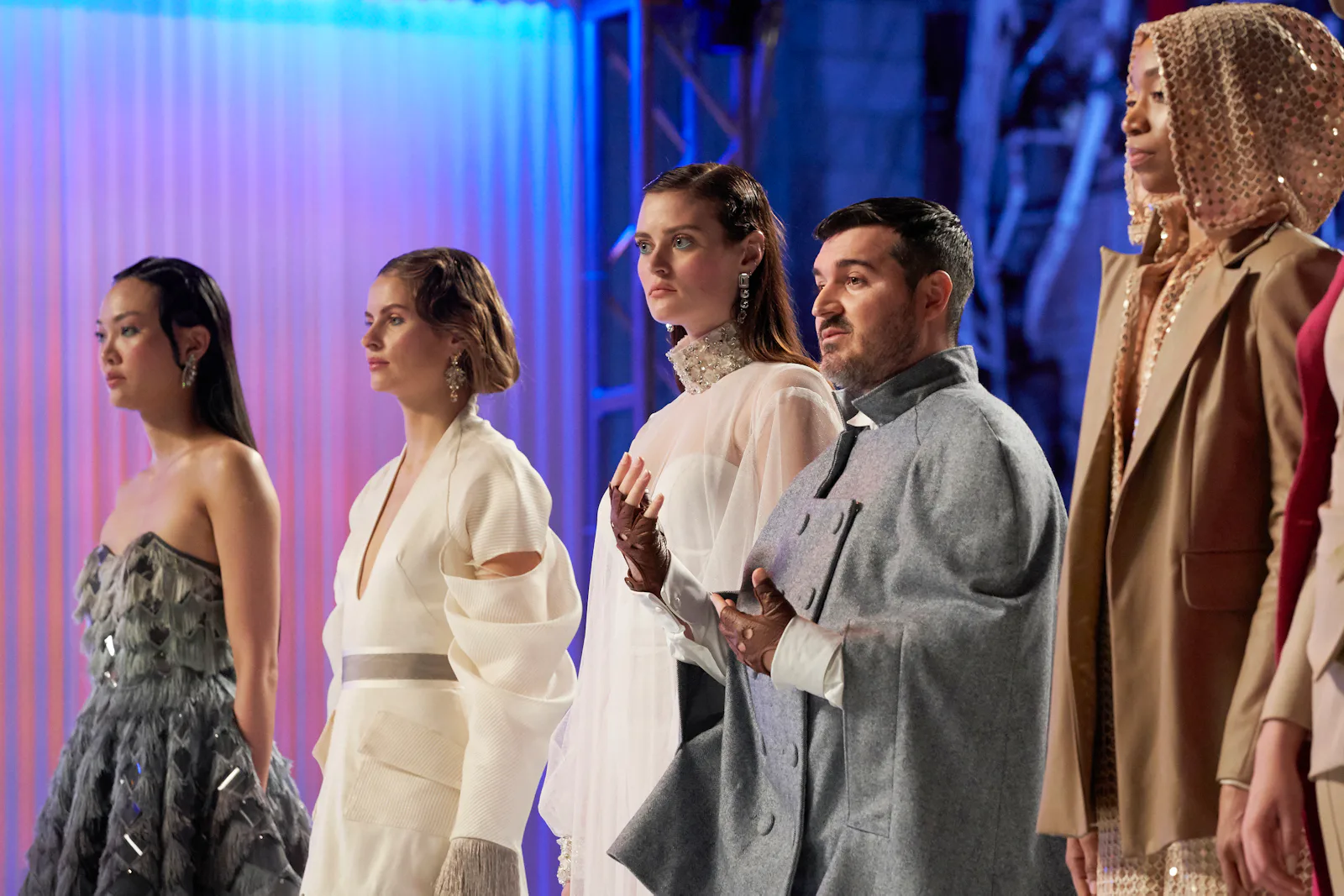
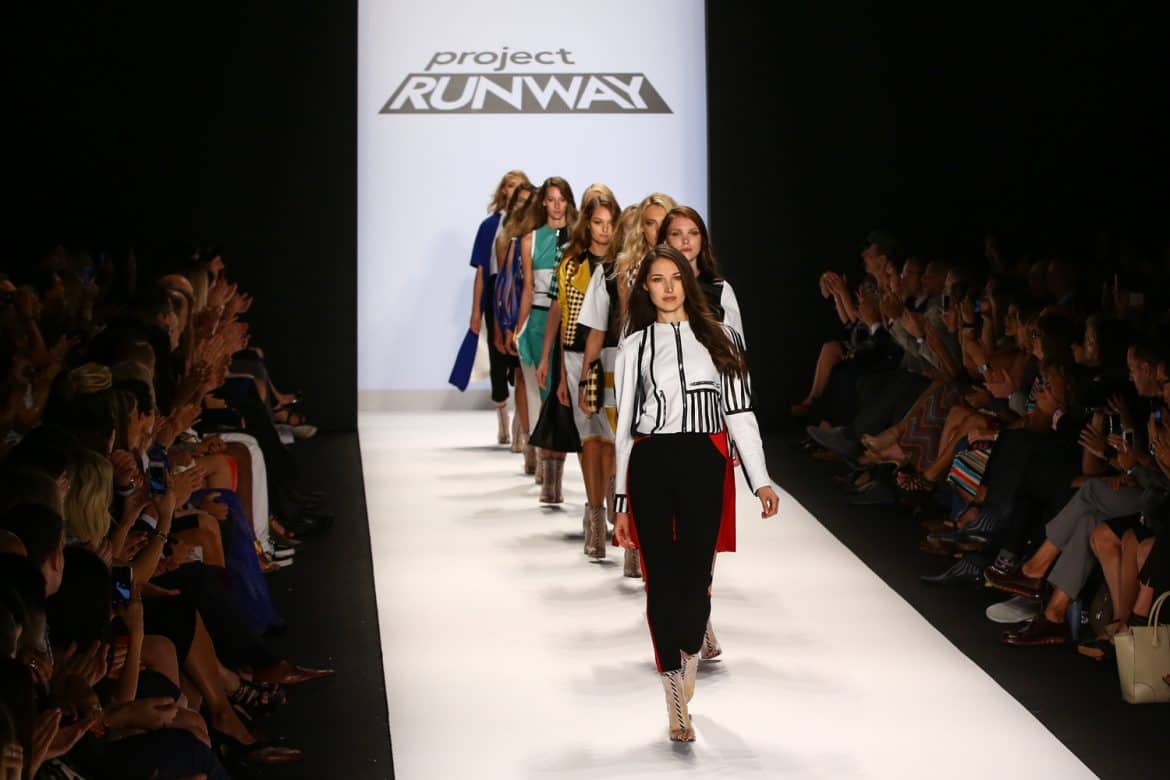
The relationship between JC Penney and Project Runway reached its zenith during the show's 16th season in 2017. As the official retail partner, JC Penney moved beyond simple product placement. They integrated their brand into the creative DNA of the competition, specifically focusing on the "commercial viability" of designs. The primary goal was to take the avant-garde ideas presented on the runway and translate them into wearable, affordable, and increasingly sustainable pieces for the everyday shopper.
This partnership was significant because it marked a shift in how legacy retailers viewed "fast fashion." Instead of merely chasing trends, the "Project Runway" effort sought to infuse the design process with intentionality. The designers were tasked with creating looks that could be produced at scale, forcing a conversation about material waste, fabric durability, and the environmental footprint of large-scale manufacturing.
Integrating Sustainability into the Design Challenge
One of the most impactful segments of the JC Penney effort involved the "unconventional materials" and "sustainability" challenges. In these episodes, designers were often tasked with repurposing existing textiles or utilizing recycled fibers. For JC Penney, this served as a proof-of-concept for their internal private labels.
The transition from a "one-off" television garment to a retail-ready product involves several sustainability checkpoints:
- Material Selection: Identifying fabrics that mimic the look of high-end textiles but are derived from recycled polyester or organic cotton.
- Waste Reduction: Optimizing pattern cutting to ensure that fabric scraps are minimized during the mass-production phase.
- Durability: Ensuring that the "sustainable" choice does not result in a lower-quality garment that would end up in a landfill after only a few wears.
- Supply Chain Transparency: Tracking the origin of the fibers to ensure they meet the retailer's ethical sourcing guidelines.
When Brandon Kee won the JC Penney challenge during Season 16, his designs were not just sold as trendy items; they were marketed as a new direction for the store—one that valued the designer’s unique voice and the practicalities of modern, responsible manufacturing.
Scaling Sustainable Practices in Legacy Retail
Translating a design from a controlled environment like a television studio to over 600 retail locations is a massive operational feat. The JC Penney Project Runway effort highlighted the inherent friction between sustainable ideals and the realities of "Big Box" retail pricing.
The Challenge of Cost vs. Conscious Design
Sustainable materials, such as Tencel or recycled nylon, often carry a higher price tag than virgin synthetics. JC Penney’s mission was to maintain its "Value" proposition while absorbing these costs or finding efficiencies elsewhere in the supply chain. By using the Project Runway platform, they could gauge consumer interest in these premium-story items. If customers were willing to pay a slight premium for a "designer" look with a sustainable backstory, it provided the green light for JC Penney to expand these practices into their core brands like Arizona Jean Co. or Worthington.
Circularity and Life Cycle Assessment
A key component of the sustainability effort was the focus on the life cycle of the garment. The designs produced through the Project Runway collaboration were vetted for "longevity." This meant moving away from ultra-thin fabrics that lose shape. By focusing on better construction—a key critique point from the show’s judges—JC Penney effectively improved the sustainability of their products by extending the "wear-life" of the clothing.
Comparison: Traditional Retail vs. The Sustainability-Focused Model
The following table illustrates the differences between standard retail production and the more intentional approach fostered by the JC Penney Project Runway initiative.
| Feature | Traditional Mass-Market Model | Project Runway / Sustainability Model |
|---|---|---|
| Design Intent | Trend-driven, high turnover | Innovation-driven, longevity focused |
| Material Sourcing | Lowest cost, virgin synthetics | Recycled content, organic blends |
| Waste Management | Minimal focus on "off-cut" waste | High focus on pattern efficiency |
| Consumer Message | Price and style | Storytelling, designer ethics, and impact |
| Supply Chain | Opaque, multi-layered | Higher transparency for "Limited Edition" runs |
| Product Lifecycle | Fast fashion (seasonal) | Capsule-based (durable) |
The Role of "Hope & Wonder" and ESG Goals
As we look at the landscape in 2026, the ripples of the Project Runway partnership are visible in JC Penney’s broader Environmental, Social, and Governance (ESG) strategy. The retailer has since formalized many of the "experimental" steps taken during the show.
The launch and expansion of brands like Hope & Wonder demonstrate a commitment to philanthropic and sustainable goals. This brand, in particular, focuses on diverse creators and sustainable sourcing, mirroring the "inclusive design" philosophy often championed on Project Runway. Furthermore, JC Penney’s commitment to the Sustainable Apparel Coalition (SAC) allows them to use the Higg Index to measure and score the environmental impact of their products, a process that was simplified and socialized through their high-profile design collaborations.
Impact on Consumer Perception
The "effort" was as much about marketing as it was about manufacturing. For decades, JC Penney was perceived as a "middle-America" department store with stagnant fashion offerings. By aligning with Project Runway, they captured a younger, more design-conscious audience.
When this audience saw a designer struggle with the ethics of fabric choice on screen, and then saw that same designer's work in a JC Penney store, it created a "narrative of care." This narrative is essential for retail sustainability because it moves the consumer from a passive buyer to an active participant in the brand's ethical journey.
Overcoming the "Greenwashing" Skepticism
Critics often point to large retailers and label their sustainability efforts as "greenwashing"—marketing spin that hides a lack of real action. The JC Penney Project Runway effort combated this by being transparent about the limitations of the project. They didn't claim their entire inventory was eco-friendly overnight; instead, they used the "Project Runway" shop-in-shops as a "test lab" to show what was possible within a specific price bracket.
Troubleshooting Common Implementation Failures
Even with the backing of a major TV show, sustainable retail efforts can face hurdles. Those looking to replicate the JC Penney model should be aware of several common pitfalls:
- The "Price Gap" Disconnect: If the sustainable designer line is priced significantly higher than the rest of the store, it risks alienating the core customer base.
- Inventory Imbalance: Sustainable fibers often have longer lead times. If a design goes "viral" on Project Runway, the retailer must be able to meet demand without resorting to non-sustainable air-freight or rushed, unethical labor.
- Lack of Education: Simply placing a "sustainable" tag on a garment isn't enough. Retailers must use signage and digital content to explain why it matters (e.g., "This shirt saved 50 gallons of water").
Frequently Asked Questions
Which Project Runway designer had the most successful sustainable line at JC Penney?
Brandon Kee, the winner of the JC Penney challenge in Season 16, is widely recognized for his successful integration. His aesthetic combined streetwear sensibilities with a focus on wearable, high-quality construction that aligned with JC Penney's push toward a more modern and sustainable brand image.
Is JC Penney still involved in sustainable fashion initiatives in 2026?
Yes. While the specific Project Runway partnership has evolved into other forms of collaboration, JC Penney continues to expand its "Sustainable Sourcing" program. As of 2026, the company has set aggressive targets for reducing carbon emissions and increasing the percentage of sustainable cotton and recycled polyester across its entire private label portfolio.
How did the Project Runway effort affect JC Penney's supply chain?
The effort acted as a catalyst for "Small Batch" testing. Typically, JC Penney operates on massive volume. The Project Runway collections required a more agile supply chain that could handle limited runs of specialized designs. This agility has since been applied to other seasonal "Capsule Collections," allowing the store to be more responsive to trends without overproducing inventory.
Can sustainable clothing from JC Penney be recycled?
JC Penney has explored various "Take Back" programs and partnerships with textile recyclers. While not every garment is 100% recyclable due to blended fibers (like cotton/spandex mixes), the initiative focused on increasing the use of monofilaments and natural fibers that are easier to process at the end of their life cycle.
Did the Project Runway partnership actually reduce waste?
Quantifiably, the specific "Project Runway" collections represented a small fraction of JC Penney's total waste. However, the qualitative impact was significant. It forced the internal design teams to adopt new software for pattern-making that reduces fabric "fall-out" (scrap), a practice that has now been scaled across many of their larger house brands.
Moving Forward: Next Steps for the Conscious Consumer
For those interested in supporting the legacy of the JC Penney sustainability effort, the best course of action is to look for the "Sustainable Choice" or "Consciously Made" labels within the store’s current brands. Consumers should also look for JC Penney’s annual ESG report, which provides updated data on their progress toward 100% sustainable cotton sourcing and water reduction in denim manufacturing.
Supporting these initiatives sends a clear signal to mass-market retailers that sustainability is not just a "Project Runway" trend, but a permanent requirement for the modern wardrobe.
Image Gallery