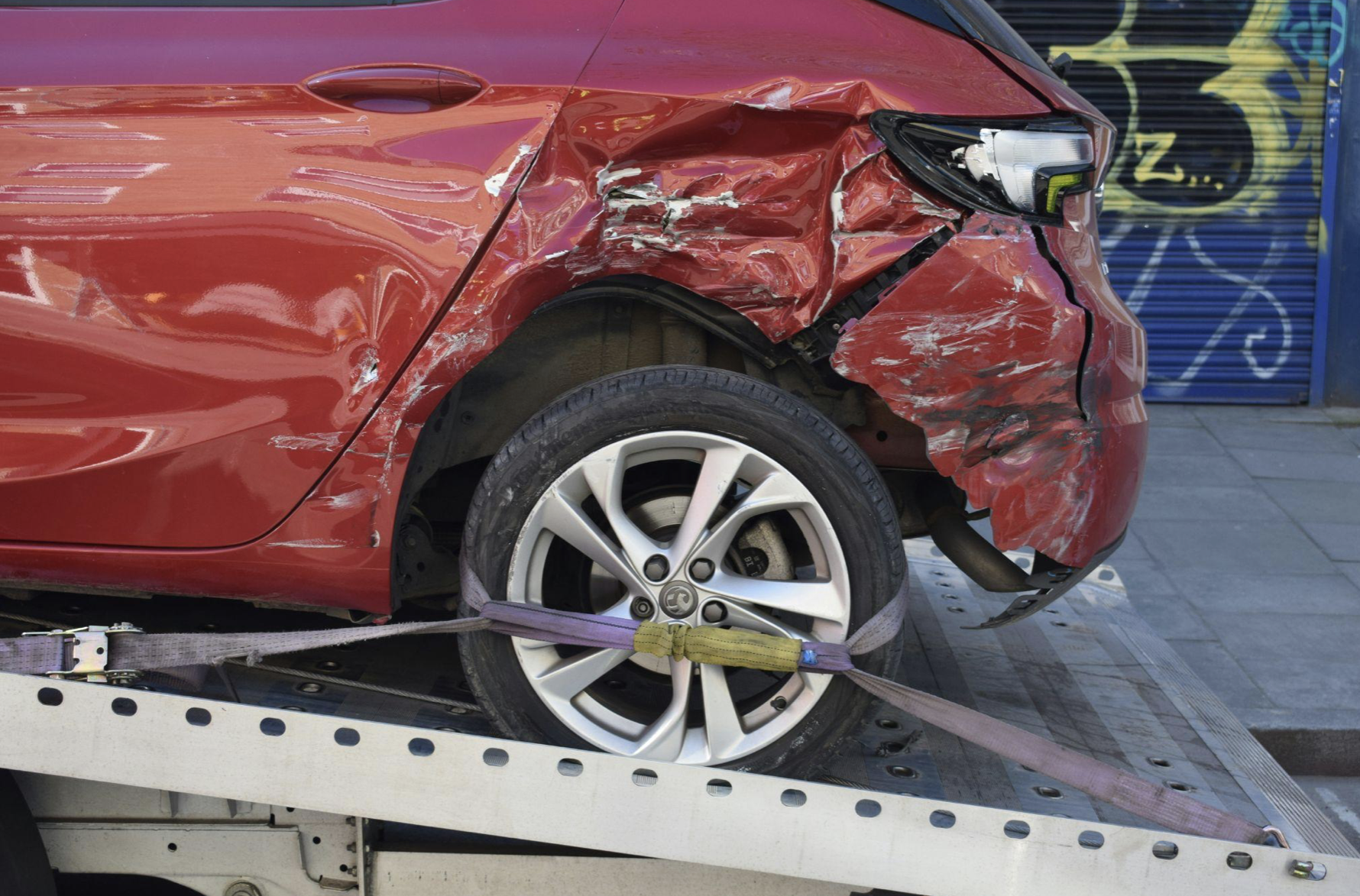
New Haven Car Accident Lawyer: Navigating Legal Claims in Connecticut
Seeking a New Haven car accident lawyer is the most critical step toward securing compensation after a motor vehicle collision. These legal professionals navigate Connecticut’s complex modified comparative negligence laws, manage commu...
Seeking a New Haven car accident lawyer is the most critical step toward securing compensation after a motor vehicle collision. These legal professionals navigate Connecticut’s complex modified comparative negligence laws, manage communication with aggressive insurance adjusters, and ensure all filings meet strict state deadlines, ultimately helping victims recover medical costs, lost wages, and pain and suffering damages.
Contents
The aftermath of a car accident in New Haven can be overwhelming, especially when dealing with injuries, property damage, and the intricacies of Connecticut insurance law. As a major hub connecting I-95, I-91, and Route 15, New Haven sees a high volume of traffic and, consequently, a significant number of motor vehicle accidents. Understanding your rights and the local legal landscape is essential for protecting your financial and physical well-being.
Immediate Actions After a Collision in New Haven
The minutes and hours following an accident are critical for both your health and any future legal claim. In New Haven, the protocol for handling an accident involves specific local entities and state requirements.
Ensure Safety and Seek Medical Attention
Your first priority is the safety of all parties involved. If possible, move vehicles out of the flow of traffic to avoid secondary collisions, which are common on congested stretches like the Pearl Harbor Memorial Bridge (the "Q Bridge"). Even if you feel fine, seek medical evaluation at a facility such as Yale New Haven Hospital or a local urgent care center. Many internal injuries or soft-tissue damages, such as whiplash, do not manifest symptoms immediately. Medical records established on the day of the accident serve as foundational evidence for your lawyer.
Notify Law Enforcement
Connecticut law (C.G.S. § 14-224) requires drivers to stop and provide assistance if there is an injury or significant property damage. Contact the New Haven Police Department or the Connecticut State Police if the accident occurred on the highway. A formal police report provides an objective third-party account of the scene, weather conditions, and initial statements from drivers and witnesses. This report is often the first document a New Haven car accident lawyer will review to determine liability.
Document the Scene and Gather Information
If you are physically able, use your smartphone to take comprehensive photos and videos of the scene. Capture the positions of the vehicles, skid marks, traffic signals, and any visible injuries. Exchange contact and insurance information with the other driver, but refrain from discussing fault. In the high-stress environment of an accident, statements like "I’m sorry" or "I didn't see you" can be used by insurance companies as admissions of liability later in the process.
Understanding Connecticut’s "At-Fault" and Comparative Negligence Laws
Connecticut operates under an "at-fault" system for car accidents. This means the party responsible for causing the crash is also responsible for the resulting damages. However, determining "fault" is rarely a binary process.
Modified Comparative Negligence (The 51% Rule)
As of 2026, Connecticut continues to follow the Modified Comparative Negligence rule (C.G.S. § 52-572h). Under this statute, a plaintiff can recover damages as long as their percentage of fault does not exceed 50%. If you are found to be 51% or more responsible for the accident, you are legally barred from recovering any compensation from the other party.
If you are found partially at fault—for example, 20% responsible because you were slightly exceeding the speed limit while the other driver ran a red light—your total compensation will be reduced by that percentage. A $100,000 settlement would be reduced to $80,000. A skilled New Haven car accident lawyer works to minimize your assigned fault through expert testimony and accident reconstruction to maximize your recovery.
The Role of Insurance Coverage
Connecticut law requires all drivers to carry minimum liability insurance:
- $25,000 per person for bodily injury.
- $50,000 per accident for bodily injury.
- $25,000 per accident for property damage.
Given the high cost of medical care in 2026, these minimums are often insufficient for serious accidents. An attorney will investigate whether the at-fault driver has umbrella policies or if you can pursue an Underinsured Motorist (UIM) claim through your own policy to cover the shortfall.
The Statute of Limitations in Connecticut
Time is a factor that cannot be ignored in personal injury cases. Under Connecticut General Statutes § 52-584, the statute of limitations for personal injury claims resulting from a car accident is generally two years from the date of the injury.
While two years may seem like a long window, building a robust case requires significant time. Evidence can disappear, witnesses' memories fade, and surveillance footage from local New Haven businesses may be overwritten within weeks. If you miss this filing deadline, the court will almost certainly dismiss your case, regardless of its merits. There are very few exceptions to this rule, such as cases involving "tolling" for minors or late discovery of injuries, but these are rare and difficult to prove without legal counsel.
Types of Compensable Damages
A comprehensive legal claim aims to "make the victim whole" by addressing both tangible and intangible losses. Damages are categorized into economic and non-economic types.
Economic Damages
These are verifiable financial losses that can be calculated with receipts, invoices, and employment records:
- Medical Expenses: Includes emergency room visits, surgeries, physical therapy, and future medical costs for chronic conditions.
- Lost Wages: Compensation for the time you were unable to work while recovering.
- Loss of Earning Capacity: If the accident results in a permanent disability that prevents you from returning to your previous career.
- Property Damage: The cost to repair or replace your vehicle and any personal items destroyed in the crash.
Non-Economic Damages
These address the subjective impact of the accident on your quality of life:
- Pain and Suffering: Compensation for physical pain and emotional distress.
- Loss of Enjoyment of Life: If you can no longer participate in hobbies or activities you enjoyed before the accident.
- Loss of Consortium: Compensation for the impact the injury has on your relationship with a spouse.
Punitive Damages
In cases involving extreme negligence, such as a DUI or reckless street racing on New Haven surface streets, the court may award punitive damages. These are intended to punish the wrongdoer rather than compensate the victim, though they are relatively rare in standard negligence cases.
Why Local Legal Representation Matters
Hiring a lawyer specifically based in or familiar with New Haven provides strategic advantages that a national "settlement mill" cannot match.
| Feature | Local New Haven Lawyer | National/Remote Firm |
|---|---|---|
| Courtroom Familiarity | Knows New Haven Superior Court judges and local procedures. | May be unfamiliar with local rules of practice. |
| Evidence Gathering | Can quickly visit the scene or obtain local CCTV footage. | Relies on third-party investigators or digital records. |
| Local Reputation | Insurance adjusters know which local firms go to trial. | Often viewed as "settlement-only" firms. |
| In-Person Access | Easier to meet for depositions and strategy sessions. | Primarily communicates via email or call centers. |
| Medical Network | Familiar with specialists at Yale New Haven Health. | May not have local medical expert connections. |
The Legal Process: From Filing to Resolution
Most car accident cases follow a structured path, though many settle before reaching a courtroom.
- Initial Consultation: Most New Haven personal injury firms operate on a contingency fee basis, meaning they only get paid if you win. The first meeting is typically free and focuses on the merits of the case.
- Investigation and Discovery: Your lawyer gathers police reports, medical records, and witness statements. They may hire accident reconstruction experts to prove the other driver’s liability.
- The Demand Letter: Once your medical condition has stabilized (a point known as Maximum Medical Improvement), your lawyer sends a formal demand to the insurance company outlining the damages and the requested settlement amount.
- Negotiation: The insurance company will likely counter-offer. This stage involves intense back-and-forth communication.
- Litigation: If a fair settlement cannot be reached, your lawyer will file a lawsuit in the Connecticut Superior Court. This triggers a formal discovery process, including depositions.
- Mediation or Trial: Many cases are resolved through mediation (a moderated negotiation). If that fails, the case proceeds to a jury trial.
Frequently Asked Questions
What if the other driver doesn't have insurance?
If you are hit by an uninsured driver in New Haven, you can file a claim under your own policy’s Uninsured Motorist (UM) coverage. Connecticut law requires this coverage to protect you in these specific scenarios. Your insurance company essentially steps into the shoes of the at-fault driver’s insurance.
How much does a New Haven car accident lawyer cost?
Most personal injury attorneys work on a contingency fee, which is usually around 33% to 40% of the final settlement or award. You typically do not pay any upfront costs; the lawyer covers the expenses of the investigation and filing fees, which are then reimbursed from the final settlement.
Can I still sue if the accident was partially my fault?
Yes, as long as you are 50% or less at fault. Under Connecticut’s modified comparative negligence rule, your compensation will simply be reduced by your percentage of responsibility.
Should I speak to the other driver's insurance adjuster?
It is generally advised to avoid giving a recorded statement to the other party's insurance company without your lawyer present. Adjusters are trained to ask questions that may lead you to admit fault or downplay your injuries, which can be used to reduce your payout.
How long does a car accident lawsuit take in New Haven?
A simple case with clear liability may settle in 4 to 8 months. However, if the case involves severe injuries and goes to litigation, it can take 18 to 24 months or longer to reach a resolution, especially given the court schedules in 2026.
Taking the Next Step
If you or a loved one has been injured in a collision, the most proactive step is to contact a dedicated New Haven car accident lawyer for a case evaluation. Do not sign any documents from insurance companies or accept a settlement offer until you have had your case reviewed by a legal professional. Early intervention ensures that evidence is preserved and that you are not pressured into a settlement that fails to cover the long-term costs of your recovery.
Image Gallery