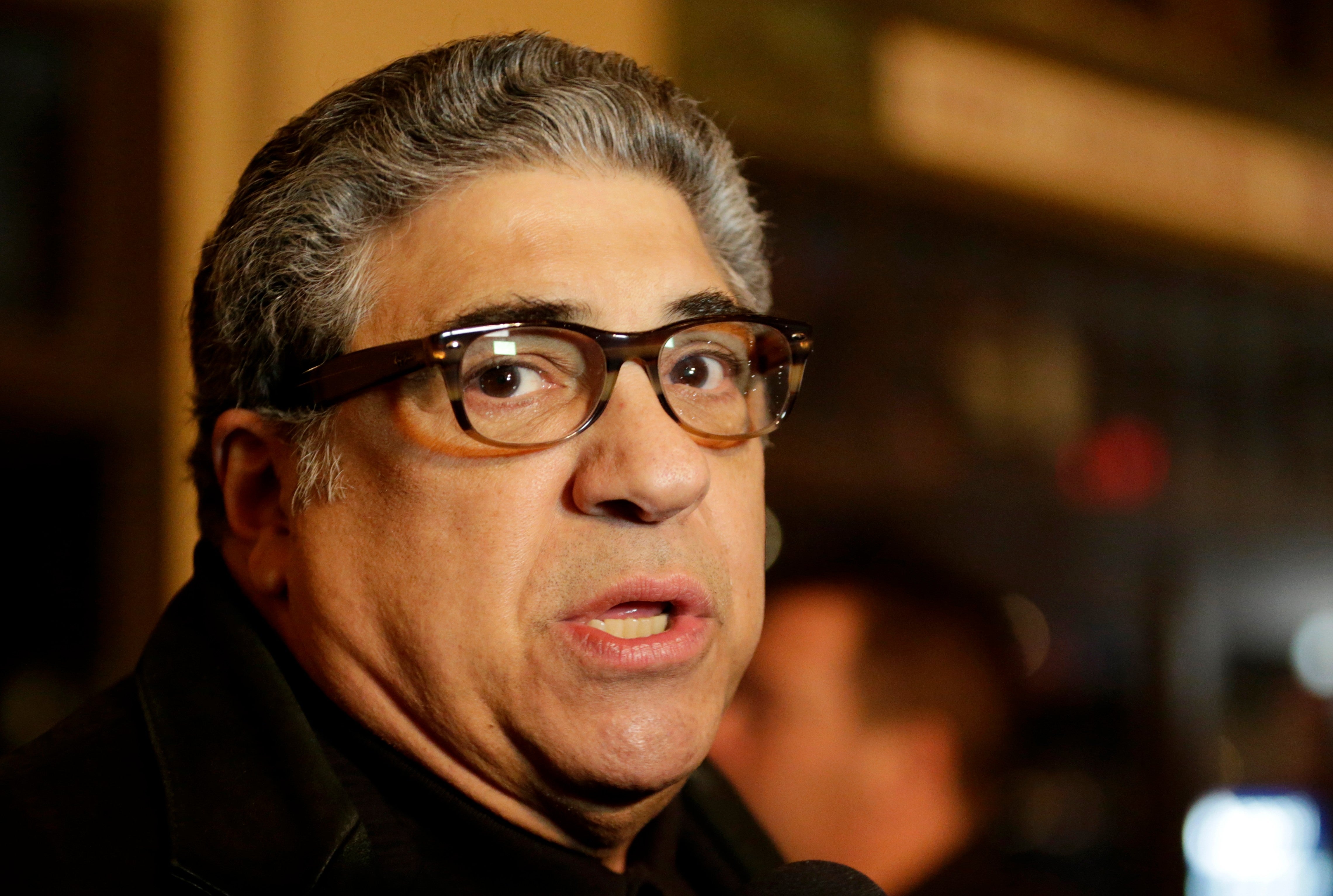
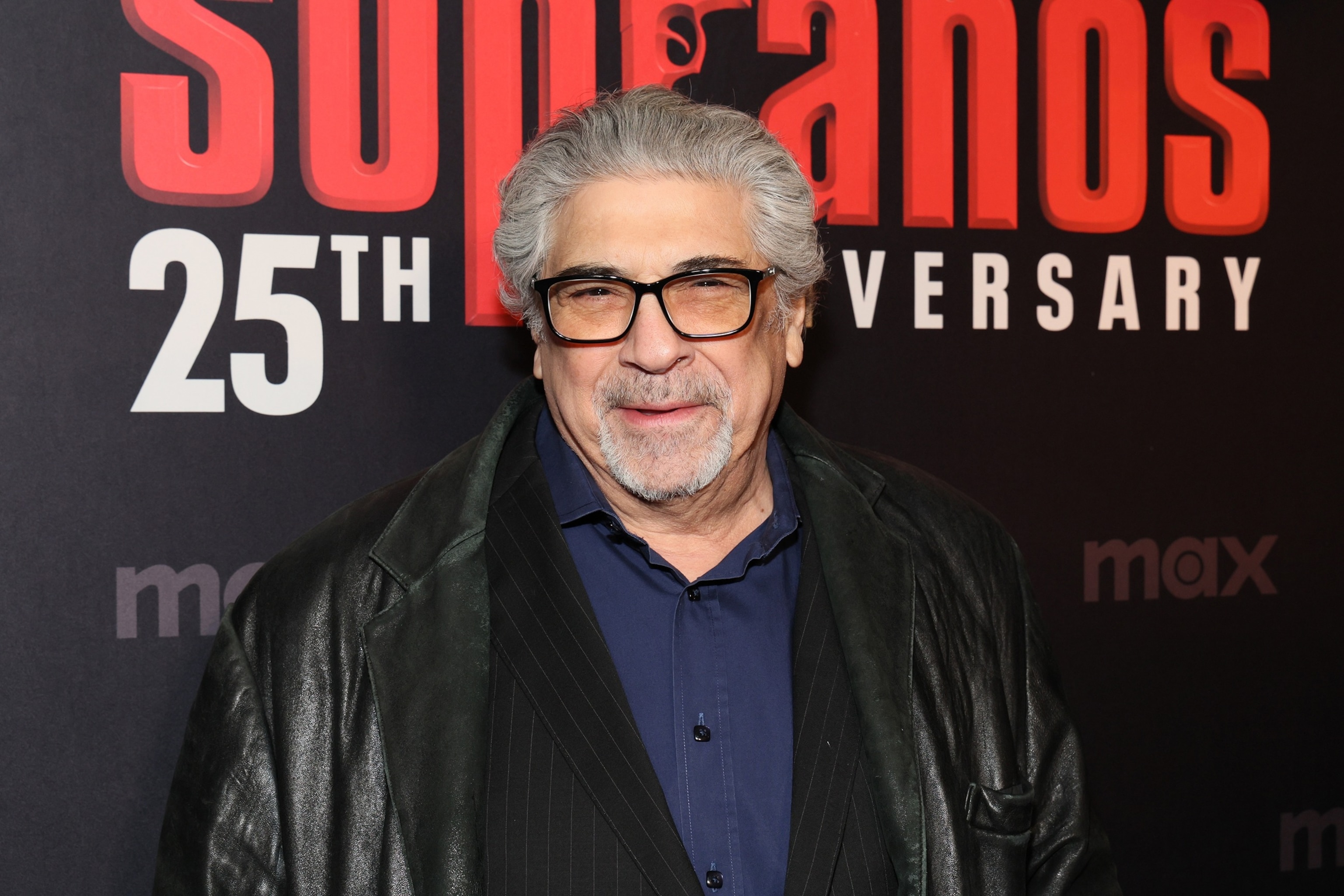
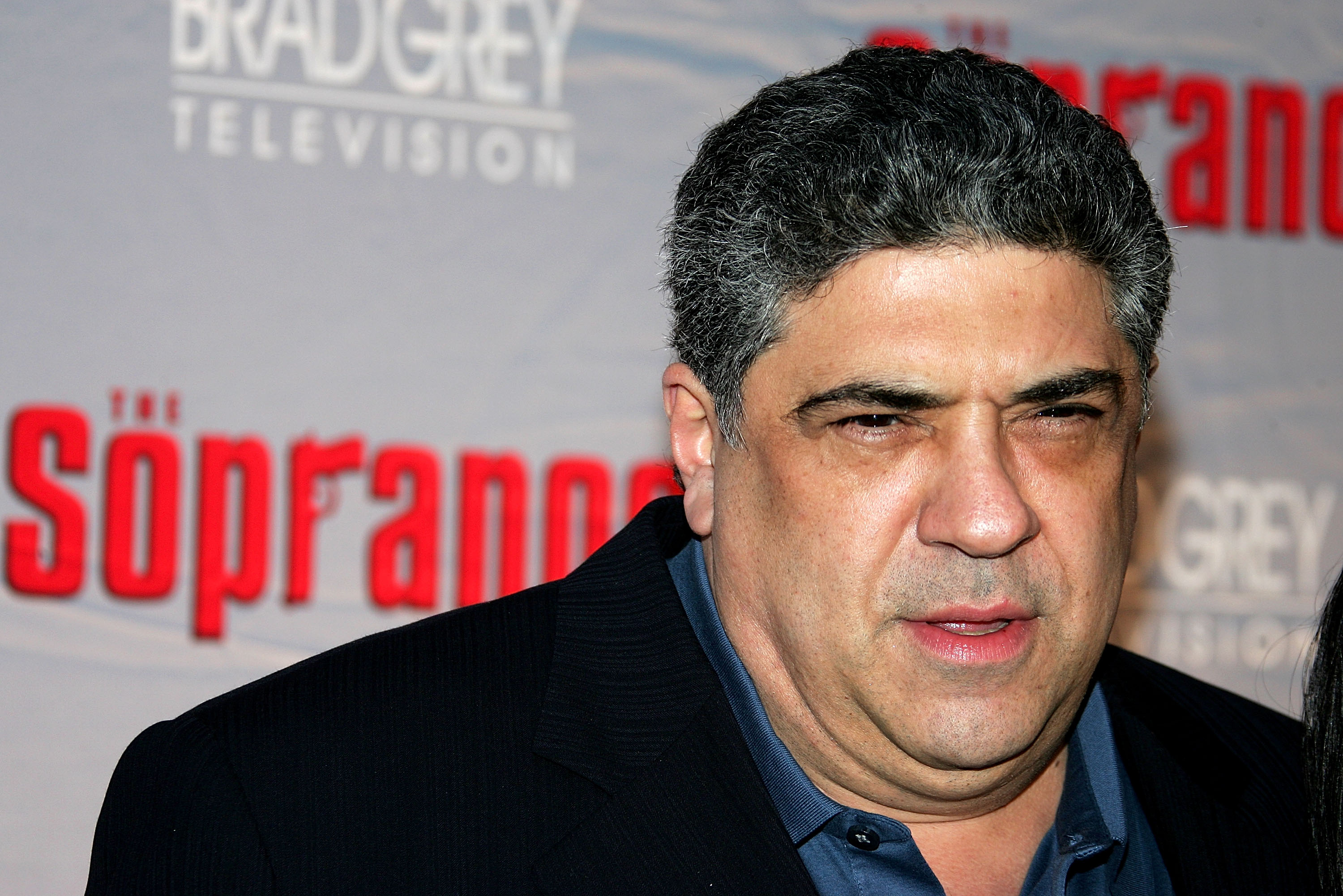
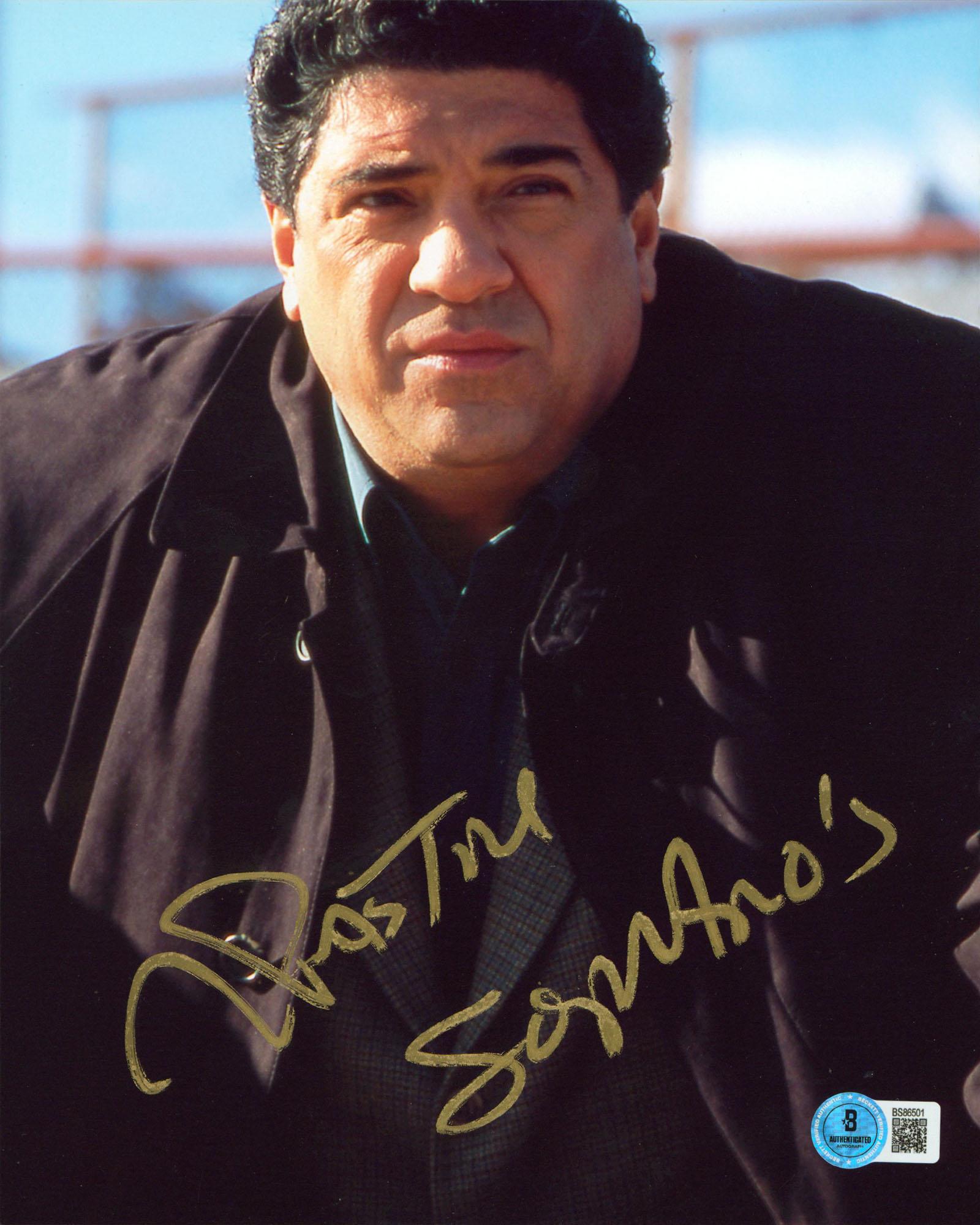
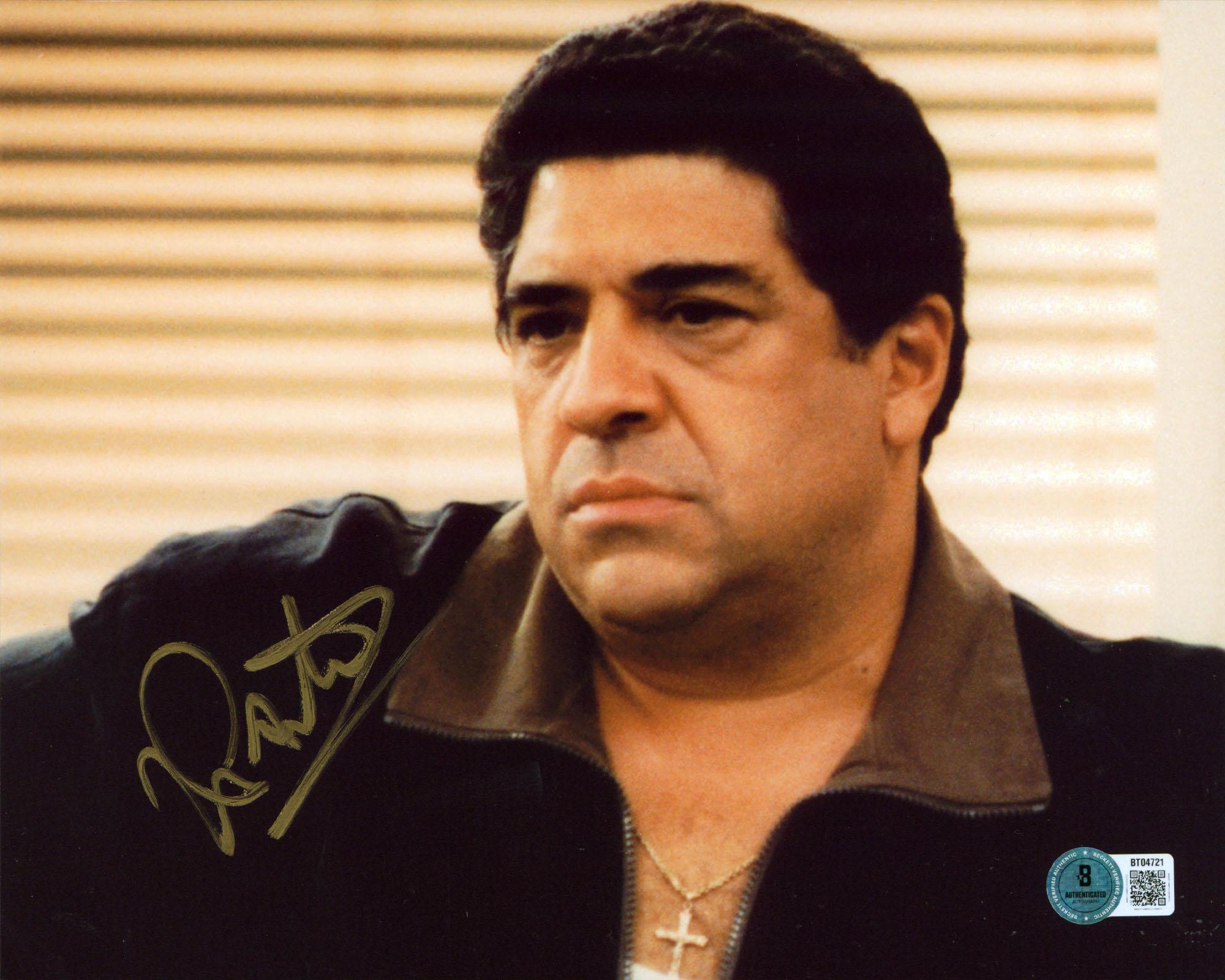
Vincent Pastore in The Sopranos: The Evolution, Impact, and Legacy of Salvatore "Big Pussy" Bonpensiero
Vincent Pastore delivered one of the most memorable and emotionally resonant performances in television history as Salvatore "Big Pussy" Bonpensiero in HBO’s landmark crime drama The Sopranos. Over the course of the series, particularl...
Vincent Pastore delivered one of the most memorable and emotionally resonant performances in television history as Salvatore "Big Pussy" Bonpensiero in HBO’s landmark crime drama The Sopranos. Over the course of the series, particularly during his pivotal second-season arc, Pastore brought a palpable sense of tragic humanity, inner torment, and street-level authenticity to a character caught in an inescapable trap between the Federal Bureau of Investigation and his lifelong mob family. His portrayal elevated standard television mob tropes into a Shakespearean study of betrayal, loyalty, and psychological unraveling.
Contents
The Casting and Creation of Salvatore "Big Pussy" Bonpensiero
Before achieving international recognition as Big Pussy, Vincent Pastore was a fixture of the independent film and television landscape, frequently playing tough guys, detectives, and mobsters due to his authentic New York demeanor and background. Born in the Bronx and raised in New Rochelle, New York, Pastore worked various jobs—including managing a nightclub and running a vending machine business—before fully committing to acting in his late thirties and forties. This real-world experience imbued his performances with a lived-in texture that caught the attention of casting directors and filmmakers.
When David Chase developed The Sopranos for HBO in the late 1990s, he sought actors who possessed genuine New Jersey and New York sensibilities rather than caricatures. Pastore originally auditioned for the role of the quiet, deadpan enforcer Silvio Dante, a part that ultimately went to legendary E Street Band guitarist Steven Van Zandt. However, the casting team recognized Pastore's unique warmth and imposing physical presence, leading to the creation and casting of Salvatore Bonpensiero. As an old friend, business partner, and confidant to Tony Soprano, Big Pussy occupied a foundational space in the inner circle of the DiMeo crime family.
The FBI Informant Arc: The Core Conflict of Season Two
While Big Pussy was a beloved fixture of the first season, operating auto body shops and participating in various criminal enterprises alongside Tony Soprano (James Gandolfini) and Paulie Walnuts (Tony Sirico), his narrative reached its dramatic zenith in season two. It is revealed that Pussy was arrested by the FBI prior to the events of the series pilot on drug-related charges and subsequently flipped, becoming an informant providing intelligence on Tony’s crew.
This narrative thread introduced a sustained psychological thriller element to The Sopranos. Pastore’s performance anchored the tension, as Big Pussy was forced to navigate a high-stakes double life. Every interaction with Tony, Silvio, and Paulie carried the heavy weight of impending discovery and mortal danger. Pastore masterfully conveyed the character's internal erosion:
- The Burden of Guilt: Big Pussy genuinely loved his mob "family" and viewed Tony Soprano as a brother, making his cooperation with Special Agent Dwight Harris and the FBI an agonizing psychological burden.
- Physical and Mental Deterioration: Throughout season two, Pussy suffers from severe back pain—a somatic manifestation of his extreme stress, guilt, and the impossible tension of his dual existence.
- The Illusion of Control: Pussy continually attempts to appease both the federal handlers who threaten him with life imprisonment and the mob bosses whose suspicions grow increasingly difficult to manage.
This arc transformed the standard television trope of the police informant into a complex exploration of moral decay. Pussy was neither a pure villain nor a noble whistleblower; he was a desperate man trapped by his own criminal choices, trying to survive a war he could no longer control.
Key Character Dynamics and Relationships
The resonance of Vincent Pastore's work in The Sopranos stems largely from how effectively his character interacted with the primary ensemble. Big Pussy was not an isolated operative; he was deeply integrated into the social and economic fabric of the DiMeo crime family.
| Character | Relationship Dynamic with Big Pussy | Narrative Impact |
|---|---|---|
| Tony Soprano | Lifelong friends, business partners, and fraternal bond. | Tony’s ultimate trust in Pussy makes the betrayal emotionally devastating, culminating in one of the series' most difficult executions. |
| Paulie Walnuts | Fierce rivalry masked by decades of brotherhood and shared criminal history. | Paulie is among the first to harbor deep suspicions, driven by intuition and jealousy regarding Pussy's unexplained absence. |
| Silvio Dante | Quiet confidant and fellow veteran of the crew's inner circle. | Silvio provides a steady sounding board, though his unwavering loyalty to Tony places him directly on a collision course with Pussy. |
| Agent Dwight Harris | Handler-informant relationship defined by coercion and reluctant rapport. | Harris represents the cold institutional pressure forcing Pussy to choose between federal prison and execution by his friends. |
Beyond the crew, Pussy’s relationship with his wife, Angie Bonpensiero (played by Toni Kalem), added domestic grounding to his storyline. Angie suffered through his mysterious absences, emotional withdrawal, and eventual disappearance, highlighting the collateral damage inflicted upon the families of organized crime figures.
The Climax: "Funhouse" and the End of the Road
The second-season finale, titled "Funhouse," stands as one of the most critically acclaimed episodes in television history, largely due to the dramatic reckoning between Tony Soprano and Big Pussy. Suspicion finally crystallizes into absolute proof when Tony discovers federal surveillance equipment and incriminating evidence hidden inside Pussy’s home during a celebratory gathering.
The subsequent confrontation aboard a boat hired for a purported drug run is a masterclass in tension, writing, and performance. Gandolfini and Pastore portrayed the final moments between Tony and Pussy not with cinematic gun-fighting bravado, but with sorrowful inevitability. Pussy accepts his fate with a haunting mix of resignation and dignity, pouring himself one last drink and acknowledging the reality of his betrayal.
Pastore's final moments on the show—where Pussy confronts his executioners in a sequence blending fever-dream hallucinations with stark reality—cemented his status as an essential architect of the show's psychological depth. Even after his death, Pussy's memory lingered over subsequent seasons, serving as a ghost that haunted Tony Soprano and reinforced the permanent cost of betrayal within the mafia underworld.
| Season | Key Narrative Focus for Big Pussy | Status in the DiMeo Crime Family |
|---|---|---|
| Season 1 | Establishment of crew loyalty, business operations, and initial FBI pressure. | Active core member; trusted confidant to Tony Soprano. |
| Season 2 | Deepening FBI cooperation, escalating back pain, growing crew suspicion, and ultimate discovery. | Compromised informant; living on borrowed time. |
| Post-Season 2 | Occasional hallucinatory appearances, flashbacks, and lingering psychological impact on Tony. | Deceased; referenced in subsequent character arcs. |
Legacy and Cultural Impact on Television
Vincent Pastore’s work as Big Pussy Bonpensiero helped establish the template for complex supporting characters in the "Golden Age of Television." Before The Sopranos, recurring television characters were often compartmentalized into rigid archetypes. Pastore demonstrated that a supporting player could carry profound thematic weight, driving the central moral questions of a prestige series through nuanced performance rather than exposition.
Furthermore, the character's demise shattered conventional television expectations. Killing off a major, beloved regular cast member at the conclusion of only the second season proved that The Sopranos operated under uncompromising narrative rules where actions had permanent, fatal consequences. This bold storytelling choice set a precedent for future prestige dramas, ensuring that no character was truly safe from the logical repercussions of their deeds.
For Pastore himself, the role defined his career, transforming him from a recognizable character actor into an enduring pop culture icon. Despite the grim nature of his character's exit, Big Pussy remains one of the most frequently cited, analyzed, and affectionately remembered figures in the extensive pantheon of New Jersey mobsters brought to life by David Chase and his creative team.
Frequently Asked Questions
Why did Big Pussy become an FBI informant?
Big Pussy was arrested on drug distribution charges prior to the start of the series. To avoid spending the remainder of his life in federal prison and being separated from his family, he agreed to cooperate with Special Agent Dwight Harris and the FBI, providing intelligence on Tony Soprano's crew.
How did Tony Soprano find out Big Pussy was a rat?
Tony discovered the truth during the season two finale, "Funhouse." While staying at Pussy's home, Tony investigated a locked room and discovered hidden FBI recording equipment, surveillance materials, and paperwork confirming Pussy's status as a government informant.
What caused Big Pussy's severe back pain during season two?
Within the narrative of the series, Big Pussy's chronic and debilitating back pain served as a physical manifestation of his intense psychological stress, deep-seated guilt, and the unbearable burden of maintaining a double life while betraying his closest friends.
Did Vincent Pastore appear in The Sopranos after season two?
Yes, although Big Pussy was killed in the season two finale, Vincent Pastore made subsequent guest appearances in later seasons through dream sequences, hallucinations experienced by Tony Soprano, and archived flashbacks.
What other projects is Vincent Pastore known for?
Beyond The Sopranos, Vincent Pastore has built an extensive film and television resume, appearing in notable mafia and crime films such as Martin Scorsese's Goodfellas (1990), Brian De Palma's Carlito's Way (1993), and Woody Allen's Bullets Over Broadway (1994), alongside numerous stage and television credits.
Image Gallery