Why the Nasdaq Building in Times Square Matters
The Nasdaq building, located at 4 Times Square in New York City, serves as a preeminent global symbol of modern finance, market transparency, and the digital transformation of capital markets. Its iconic multi-story video screen and lo...
The Nasdaq building, located at 4 Times Square in New York City, serves as a preeminent global symbol of modern finance, market transparency, and the digital transformation of capital markets. Its iconic multi-story video screen and location in the heart of Times Square function as a physical interface between the abstract world of electronic trading and the public consciousness.
Contents
The Intersection of Global Finance and Public Visibility
The Nasdaq building in Times Square is not merely a corporate office; it is a broadcast and marketing powerhouse that serves as the "public face" of the Nasdaq stock exchange. While the actual matching engines and server infrastructure—the technological core of the exchange—are housed in secure data centers in Carteret, New Jersey, the Times Square location serves as the cultural center of the brand.
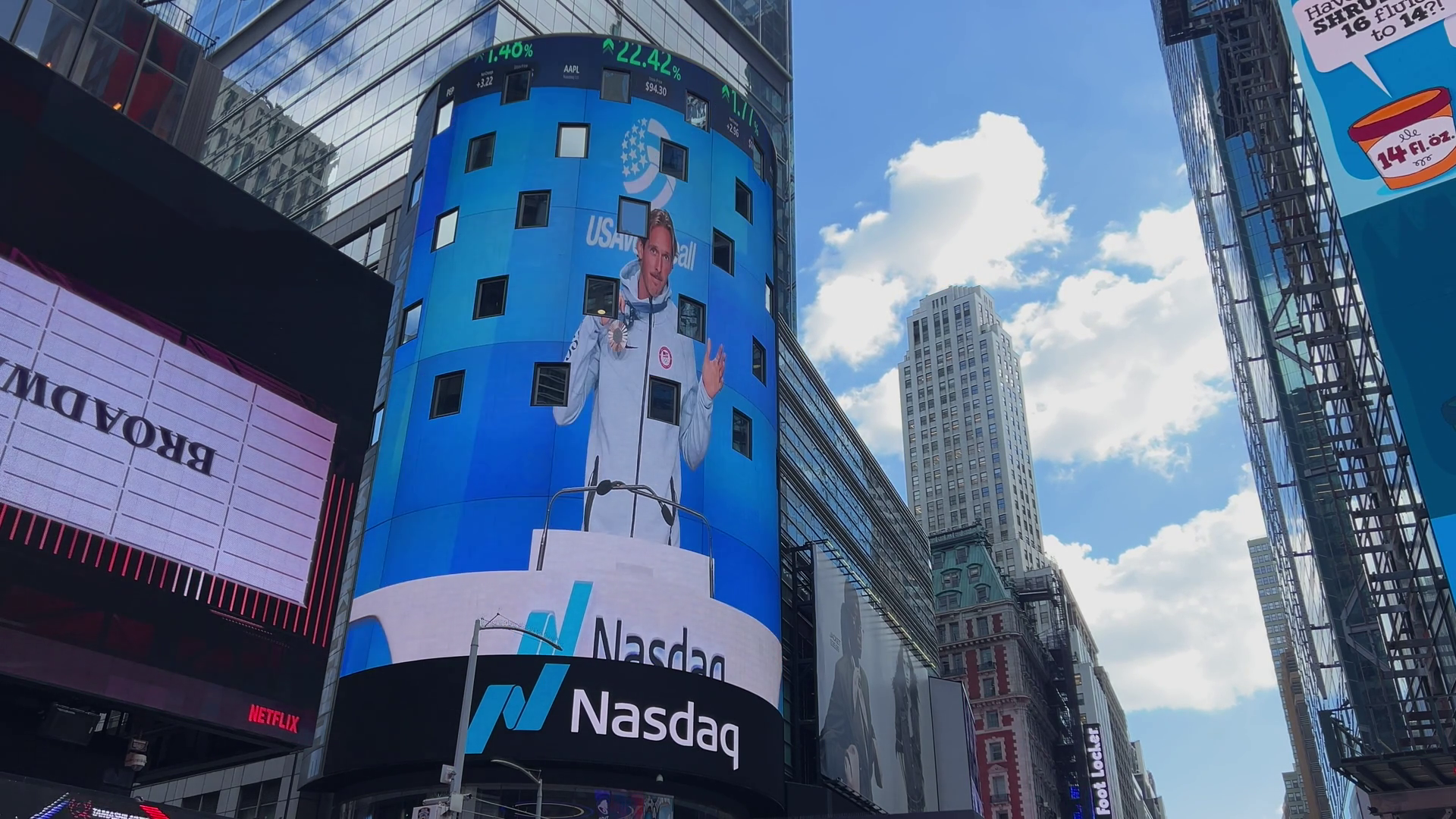
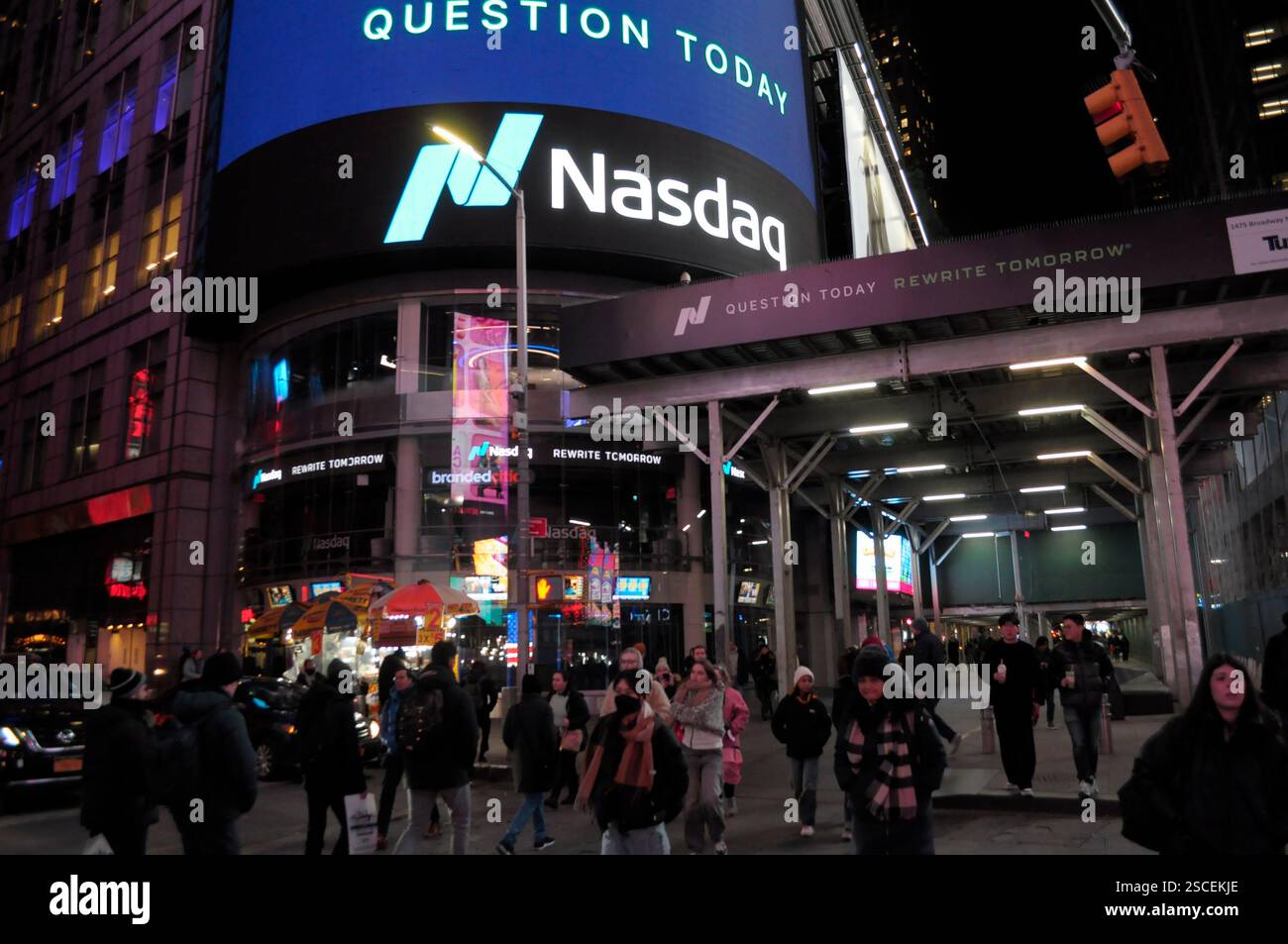
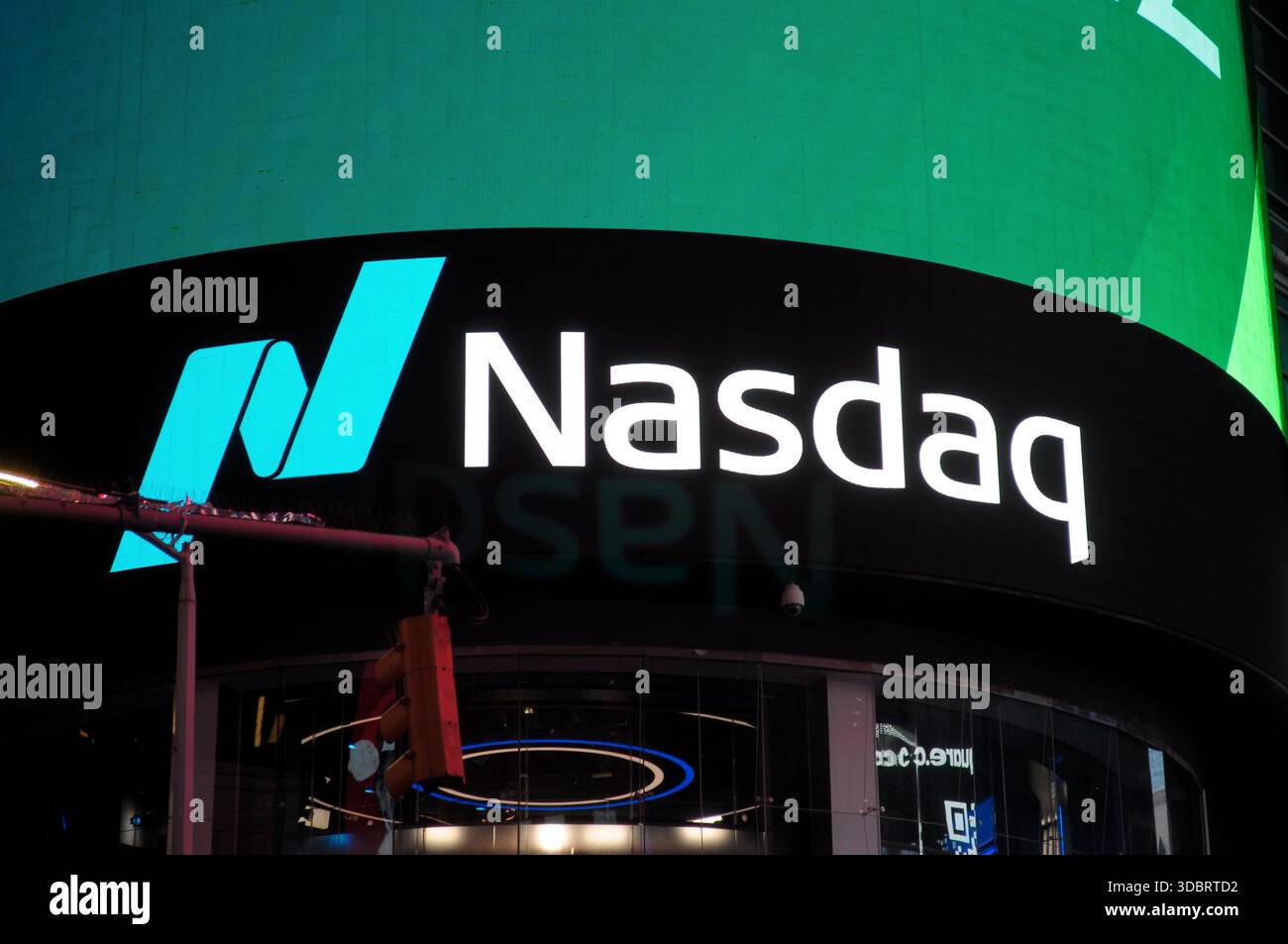
Its significance lies in its role as a high-visibility stage. When a company chooses to "ring the bell" at the Nasdaq MarketSite, it is signaling its arrival on the public markets to the world. The massive seven-story digital screen, which dominates the corner of 43rd Street and Broadway, broadcasts real-time financial data, corporate news, and celebratory imagery. This serves to normalize the presence of complex financial instruments in daily life, bridging the gap between Wall Street’s technical activities and the public’s awareness of economic health.
MarketSite: A Functional Broadcast Studio
The heart of the building's operational importance is the MarketSite facility. Unlike traditional exchanges of the 20th century, which relied on physical trading floors where brokers shouted orders, the modern Nasdaq is a purely electronic market. The MarketSite was designed specifically to facilitate this shift, serving as a state-of-the-art television studio.
This studio enables listed companies to interact with global media outlets instantaneously. By centralizing press operations within the building, Nasdaq provides its listed companies with a platform to disseminate financial results, announce mergers, or conduct interviews with major financial news networks. For investors, this creates a layer of transparency; the building facilitates the flow of information that drives market sentiment and price discovery.
Symbolism of the Digital Economy
The Nasdaq building matters because it represents the democratization of access to capital and the rise of the technology sector. Historically, traditional stock exchanges were associated with industrial-age entities. The Nasdaq, by contrast, became the home of the tech revolution, representing companies like Apple, Microsoft, and NVIDIA.
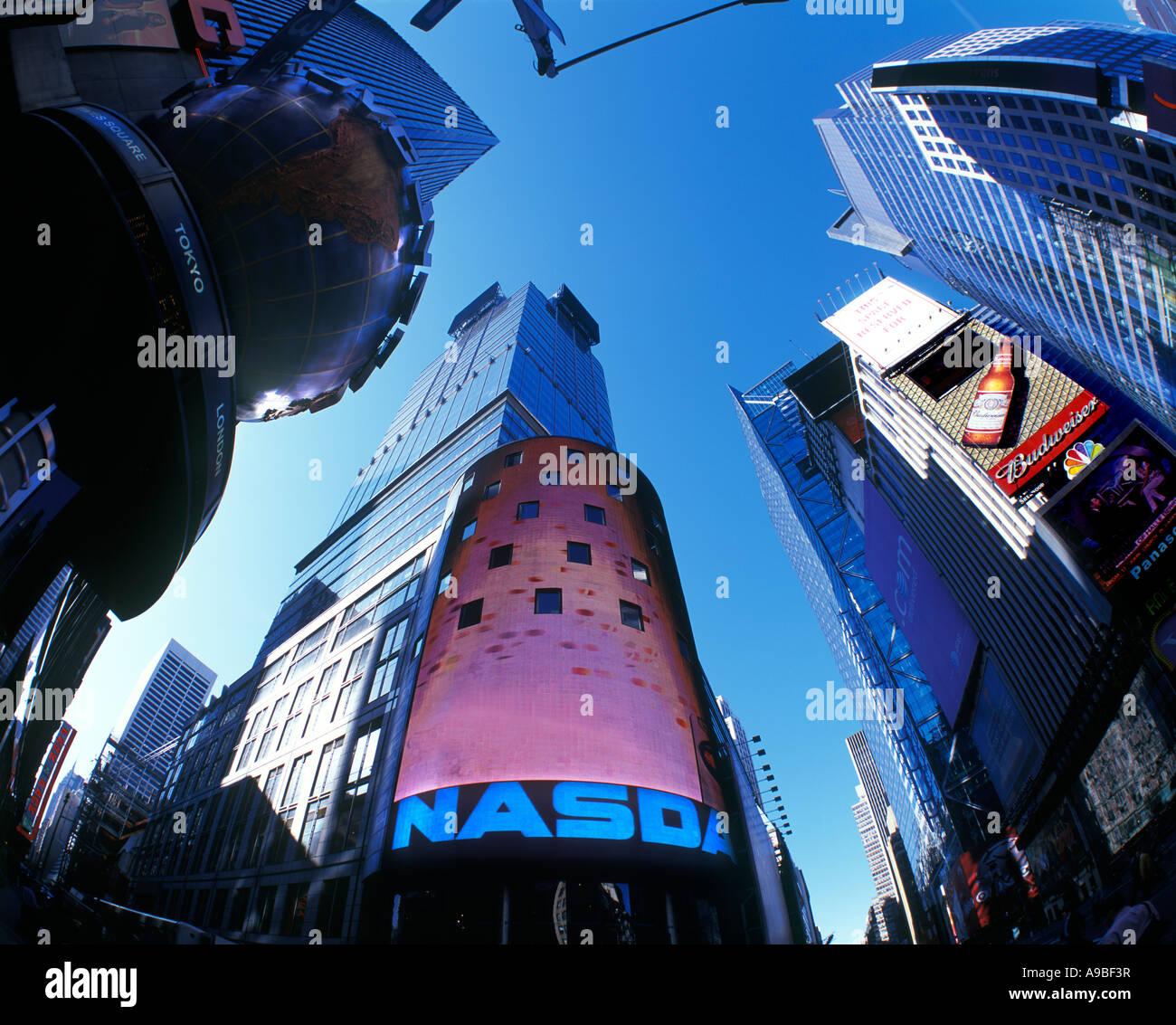
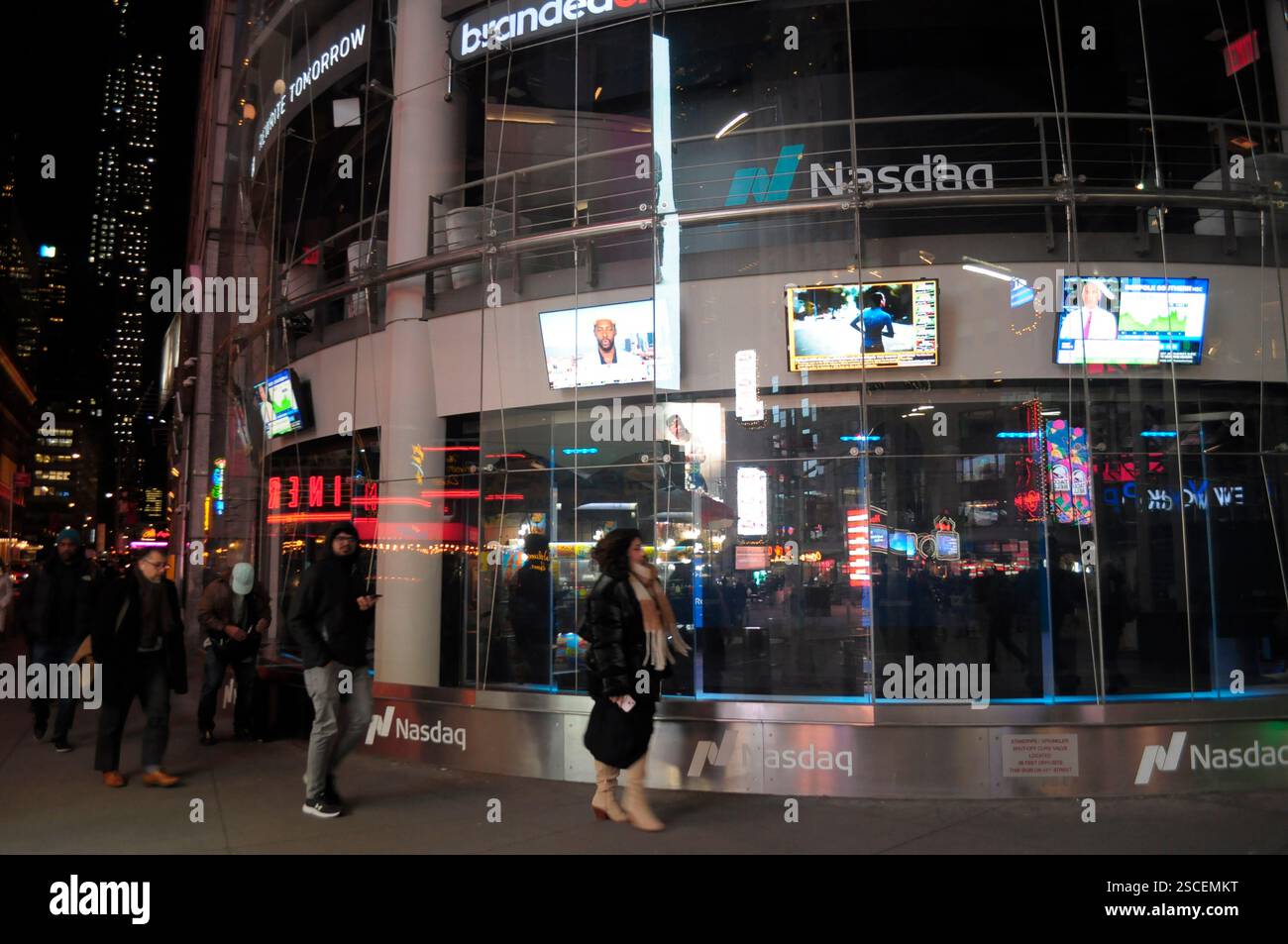
The building’s architecture—dominated by glass and high-definition light-emitting diodes (LEDs)—mirrors the nature of the electronic trading it represents. It is a physical manifestation of the digital era, where value is stored in data, algorithms, and intangible intellectual property rather than coal, steel, or rail. By placing this symbol in Times Square, one of the world's most visited public squares, the exchange reinforces its relevance to both institutional investors and the retail participants who fuel the modern economy.
Key Aspects of the Nasdaq MarketSite Presence
To understand the facility's role, it is helpful to categorize its various functions. The table below outlines how the location serves both the exchange and its clients.
| Function | Operational Impact | Value to Stakeholders |
|---|---|---|
| Bell Ringing Ceremonies | High-visibility marketing event | Brand legitimacy and investor confidence |
| Broadcast Operations | Real-time financial media production | Direct communication channel to public |
| Data Visualization | Real-time market ticker and news | Visibility of market performance |
| Corporate Events | High-profile investor meetings | Networking and capital market access |
Requirements and Access for Listed Companies
For companies listed on the Nasdaq exchange, the building is a service hub. Accessing the facility is typically part of a company’s investor relations strategy.
- Eligibility: Only companies currently listed on a Nasdaq exchange (Nasdaq Global Select, Global, or Capital Market) are typically eligible for formal bell-ringing ceremonies.
- Scheduling: Companies must coordinate with their Nasdaq client relationship managers. Given the prestige associated with the location, these events are booked months in advance.
- Execution: The event involves a precisely choreographed sequence of events, including the countdown to the market open (9:30 AM ET) or close (4:00 PM ET). The event is broadcast through the building’s various digital channels and often picked up by financial media partners.
Economic Impact and Investor Perception
The Nasdaq building’s presence in Times Square is a strategic investment in "brand authority." Financial markets are built on trust and perception. By maintaining a highly visible, world-class facility in a prime location, Nasdaq reinforces the idea that it is the epicenter of global innovation. This perception helps in attracting new listings, as companies view a Nasdaq listing—and the associated prestige of the Times Square bell-ringing—as a rite of passage.
This psychological impact is significant. Even in an age of remote work and decentralized finance, physical landmarks continue to serve as "anchors" for trust. When market volatility occurs, seeing the ticker in Times Square moving provides a sense of continuity. It suggests that despite the complexities and potential risks of the global financial system, the institutions governing the market are stable and present.
Common Misconceptions
A common error among market observers is believing that the Nasdaq building is where the actual trading occurs.
- The "Trading Floor" Fallacy: While many people envision traders running around on a floor, the Nasdaq has functioned as an electronic system since its inception. No trading happens inside the Times Square building.
- Security vs. Visibility: Visitors often mistake the building for a place of public financial business, such as a bank branch. In reality, it is a highly secure facility; public access is extremely limited, primarily to invited guests, media personnel, and representatives of listed companies.
Practical Implications for Investors and Observers
For the average investor, the Nasdaq building is a reminder of the scale of the electronic markets. For companies, it is a tool for professional visibility. If you are an observer of financial markets, understanding that this building is a media and marketing hub rather than a trade-execution site helps contextualize the information flowing out of it.
The importance of the building is not in the servers it houses—which are elsewhere—but in the narrative it builds. It validates the legitimacy of the digital companies that shape the modern world, making them visible to millions of people passing through New York City every day.
Frequently Asked Questions
Is the Nasdaq building open to the public? No. The Nasdaq MarketSite is a private facility. While the public can view the famous video screen from the sidewalk in Times Square, the interior is restricted to employees, guests of listed companies, and authorized media personnel.
Can any company ring the Nasdaq opening bell? Generally, no. The opportunity to ring the opening or closing bell is reserved for companies listed on the Nasdaq exchange. It is a service provided as part of the listing relationship and is subject to availability and scheduling requirements managed by Nasdaq’s client team.
Does actual stock trading happen at the Nasdaq building in Times Square? No. Stock trading occurs electronically through decentralized data centers. The Times Square building serves as a broadcast studio and corporate events center, focusing on communications, branding, and media relations rather than transaction processing.
Why is it called the Nasdaq MarketSite? The term "MarketSite" refers to the building's function as a centralized hub for financial information, news, and market data visualization. It was designed to be the physical location where the "market" is presented to the public, despite the underlying transactions being executed digitally.
How do companies prepare for a visit to the MarketSite? Companies typically work with their Nasdaq relationship managers to coordinate the event’s logistics. This includes managing media invitations, organizing the sequence of speakers for the broadcast, and ensuring that any visual assets to be displayed on the exterior screens meet technical specifications.
Final Recommendation
For those interested in the role of the Nasdaq building, the best way to monitor its significance is to follow the MarketSite’s official media channels during major market events. Whether it is an IPO (Initial Public Offering) or a significant corporate milestone, the activity at the building provides a clear lens into which sectors of the economy are attracting capital and public interest. If your company is considering a listing, contact your investment bank or legal counsel to discuss how to leverage the MarketSite facilities as part of your broader investor relations and communications strategy.
Image Gallery