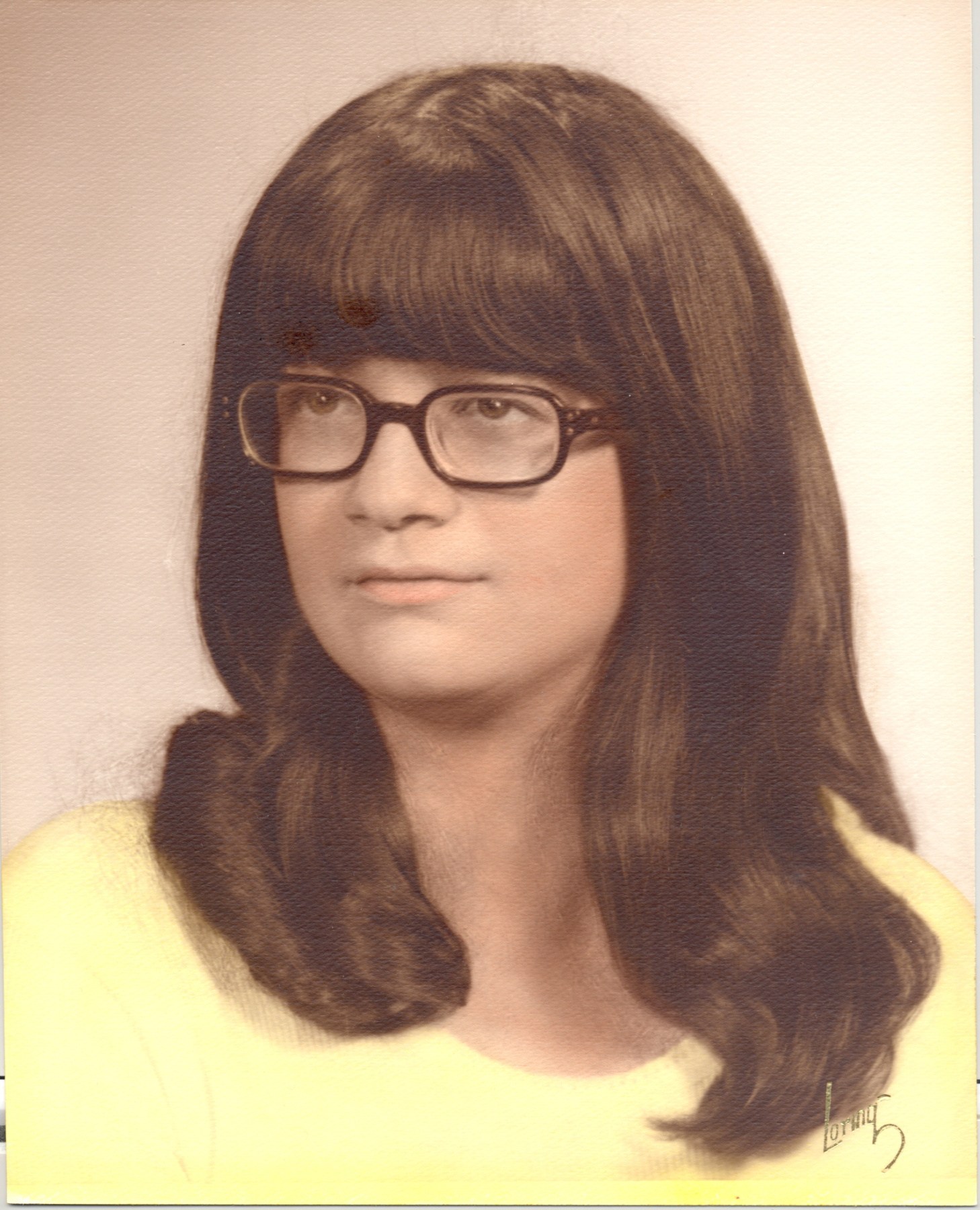
Francine Valli Obituary: Remembering the Life, Death, and Legacy of Frankie Valli’s Daughter
Francine Valli, born Francine Castelluccio, was the daughter of legendary Four Seasons frontman Frankie Valli and his first wife, Mary Delgado. She tragically passed away on August 16, 1980, at age 20 from an accidental drug overdose....
Francine Valli, born Francine Castelluccio, was the daughter of legendary Four Seasons frontman Frankie Valli and his first wife, Mary Delgado. She tragically passed away on August 16, 1980, at age 20 from an accidental drug overdose. Her loss, occurring just months after her sister Celia's death, remains a heartbreaking chapter in pop music history.
Contents
Who Was Francine Valli? Family Background and Early Life
Francine Valli was born Francine Castelluccio in 1960 into a household defined by the rapid rise of American pop royalty. Her father, Francis Stephen Castelluccio—known professionally worldwide as Frankie Valli—was gaining national fame as the lead vocalist of The Four Seasons. Her mother, Mary Delgado, had married Frankie in 1957, bringing her daughter Celia from a prior relationship into the household, which later expanded to include Francine and her sister, Antonia (Toni).
Growing up in New Jersey, Francine experienced a childhood split between public glamour and private family dynamics. As The Four Seasons dominated music charts during the 1960s and 1970s with hits like "Sherry," "Big Girls Don't Cry," and "December, 1963 (Oh, What a Night)," Frankie Valli spent extensive time on tour. Despite the demanding schedule of a global music icon, family members and contemporaries noted that Frankie maintained a close, affectionate bond with his daughters.
Inheriting her father's passion for performance, Francine demonstrated strong artistic instincts from a young age. She possessed a natural singing talent and spent her late teens honing her voice, aspiring to build her own career in the music industry. People close to the family recalled her vibrant personality and determination to forge an identity beyond being the daughter of a famous musician. However, navigating young adulthood under the shadow of international celebrity presented unique personal pressures.
The Circumstances Surrounding Francine Valli’s Passing in 1980
On August 16, 1980, Francine Valli was found unresponsive in her New Jersey home. Medical emergency personnel responded to the scene, but efforts to revive the 20-year-old were unsuccessful. Her sudden death shocked the music community and devastated the Castelluccio family, who were still recovering from an earlier tragic loss that same year.
Official toxicology reports and medical examiner findings concluded that Francine died from an accidental drug overdose, resulting from a fatal mix of prescription medication and alcohol. Specifically, reports indicated a lethal combination involving Quaaludes (methaqualone, a widely prescribed sedative-hypnotic at the time) and alcohol, which led to severe respiratory depression.
| Key Fact Aspect | Details |
|---|---|
| Full Name at Birth | Francine Castelluccio |
| Date of Birth | 1960 |
| Date of Death | August 16, 1980 |
| Age at Death | 20 years old |
| Parents | Frankie Valli (Francis Castelluccio) & Mary Delgado |
| Cause of Death | Accidental drug overdose (sedative and alcohol interaction) |
| Notable Depictions | Featured in the Tony Award-winning Broadway musical Jersey Boys |
| Final Resting Place | New York Metropolitan Area (Private family plot) |
The loss was ruled entirely accidental. During the late 1970s and early 1980s, public awareness regarding the danger of combining central nervous system depressants like sedatives with alcohol was far less developed than it is today. Francine’s death underscored the catastrophic risks of polysubstance use during an era when prescription sedatives were frequently misperceived as safe recreational aids.
The Double Tragedy of 1980: Celia and Francine Valli
The death of Francine Valli was rendered exceptionally tragic because it occurred only six months after another devastating loss in the family. In January 1980, Francine's older half-sister, Celia Sabit Sabelman (Mary Delgado's daughter, whom Frankie Valli had raised as his own), died in a tragic accident after falling from a fire escape outside her apartment.
Losing two daughters within a single calendar year brought profound grief to Frankie Valli and his surviving family members. In subsequent interviews across his multi-decade career, Frankie Valli spoke candidly about the paralyzing sorrow of surviving his children. He often explained that while a person can adapt to many career setbacks and life changes, losing a child creates a permanent void that never truly heals.
The dual losses heavily impacted Frankie Valli’s personal life and career during the early 1980s. Amid intense emotional trauma, Valli poured much of his anguish into his work, turning to music and live performances as a means of coping, even while stepping back from certain high-profile engagements to mourn privately with his surviving family, including his daughter Toni.
Media Coverage, Public Obituaries, and Historical Records
In 1980, news of Francine Valli’s passing reached national news outlets, entertainment publications, and regional New Jersey newspapers. Obituaries highlighted her youthful promise, her familial connection to pop icon Frankie Valli, and expressed condolences to the grieving family. Unlike modern celebrity coverage characterized by 24-hour digital commentary, news outlets in 1980 reported the event with relative restraint, respecting the family's privacy during funeral services.
Private memorial services were held in New Jersey, attended by close family members, friends, and colleagues from the entertainment industry. Frankie Valli’s Four Seasons bandmates and music industry peers offered public statements of support. Over the years, historical archives maintained by New Jersey public libraries and national news databases have preserved contemporary notices of her passing, maintaining an enduring record of her short life.
For researchers and genealogy enthusiasts looking into celebrity historical records, standard public obituaries from 1980 provide concise biological summaries while respecting the family’s request for private grieving. Her legacy remains closely tied to the broader history of the Castelluccio family and the public record of popular music history.
Depiction in Jersey Boys and Cultural Legacy
The story of Francine Valli gained renewed global attention with the premier of Jersey Boys, the smash-hit 2005 Broadway musical chronicling the story of Frankie Valli and The Four Seasons. Written by Marshall Brickman and Rick Elice, the biographical musical does not shy away from the personal hardships faced by the band members amidst their commercial triumph.
In Jersey Boys, Francine is depicted as a talented young woman striving for her father's attention and guidance while navigating her own dreams. Her tragic death serves as one of the show's most emotionally charged scenes. In the musical, Frankie Valli receives the tragic phone call informing him of Francine's death while on the road, highlighting the deep personal cost of a life spent on tour.
- Frankie Valli & The Four Seasons Career Timeline
- 1962: Breakthrough success with "Sherry"
- 1971: Frankie Valli and Mary Delgado divorce
- 1975: Release of solo hit "My Eyes Adored You"
- Jan 1980: Tragic death of stepdaughter Celia Sabelman
- Aug 1980: Tragic passing of daughter Francine Valli
- 1990: Induction into the Rock and Roll Hall of Fame
- 2005: Debut of "Jersey Boys" Broadway musical
The musical features the poignant song "Fallen Angel," positioned to convey Frankie Valli’s intense emotional turmoil following Francine's death. Although the song was originally recorded by Frankie Valli in 1975—years prior to Francine's passing—its placement within Jersey Boys acts as a artistic tribute to her memory and a representation of paternal grief. Clint Eastwood later directed the 2014 film adaptation of Jersey Boys, which preserved this emotional storyline for film audiences worldwide.
Substance Awareness and Lessons from Historical Obituaries
Evaluating the historical context of Francine Valli’s death offers critical insights into health standards and medical communication in the late 20th century. During the late 1970s and 1980s, prescription tranquilizers and hypnotic drugs were frequently prescribed without adequate warnings regarding the compound toxicity that occurs when combined with ethanol (beverage alcohol).
Medical historical analyses highlight several key factors present during that period:
- Polysubstance Misconceptions: Patients often assumed that taking prescribed sedatives alongside moderate alcohol consumption carried minimal risk, unaware that central nervous system depressants multiply rather than add to each other's effects.
- Stigma Surrounding Overdoses: In 1980, accidental overdoses were frequently shrouded in public silence, which hindered widespread public education regarding harm reduction and emergency intervention.
- Evolution of Patient Labeling: Tragic incidents involving high-profile families contributed over time to stricter regulatory standards by the U.S. Food and Drug Administration (FDA), leading to black-box warnings on prescription sedatives regarding alcohol interactions.
Today, public health organizations utilize historical cases to emphasize the necessity of clear medication labeling, public health transparency, and accessible support resources for substance misuse and grief counseling.
Practical Guidance for Historical and Archival Research
For journalists, historians, and music researchers seeking verified historical documents regarding Francine Valli, several public resources offer reliable records:
- Local Library Microfilm Archives: Regional New Jersey publications, including The Star-Ledger and local Essex County newspapers from August 1980, contain primary contemporary reporting on the tragedy.
- The Rock and Roll Hall of Fame Library & Archives: Located in Cleveland, Ohio, these archives store contextual materials regarding Frankie Valli and The Four Seasons, including biographical press kits and family historical summaries.
- State Vital Statistics Offices: Official birth and death certificates are maintained by the New Jersey Department of Health, accessible according to state vital record guidelines for biographical research.
- Theater Archives: Production notes and dramaturgical research records for Jersey Boys provide insight into how biographical facts were adapted for the stage while respecting historical accuracy.
When reviewing historical entertainment journalism, researchers should cross-reference contemporary news reports with confirmed public vital records to distinguish verified biographical facts from speculative gossip of the period.
Frequently Asked Questions
When did Francine Valli die?
Francine Valli died on August 16, 1980, at the age of 20. Her passing occurred six months after her half-sister Celia died in an accidental fall.
What was the official cause of Francine Valli's death?
Medical examiner records determined that Francine Valli died from an accidental drug overdose caused by a lethal combination of alcohol and prescription sedatives (specifically Quaaludes).
How is Francine Valli remembered in the musical Jersey Boys?
In Jersey Boys, Francine's relationship with her father and her untimely passing form a central emotional storyline. Her death is commemorated in the show through the thematic use of the song "Fallen Angel."
Who were Francine Valli's parents?
Francine Valli was the daughter of legendary musician Frankie Valli (born Francis Stephen Castelluccio) and his first wife, Mary Delgado.
Did Frankie Valli lose two daughters in the same year?
Yes. Frankie Valli suffered a double tragedy in 1980, losing his stepdaughter Celia Sabelman in January to a fall, followed by his biological daughter Francine in August to an accidental overdose.
Conclusion and Recommended Next Steps
The life and early passing of Francine Valli remain a poignant part of popular music history, reflecting both the personal sacrifices of musical families and the tragic realities of accidental substance interactions. For readers exploring music history, family biographies, or genealogical records, consulting original press archives from 1980 and authoritative biographical sources provides the clearest, most respectful understanding of her legacy.
To further research the history of Frankie Valli and The Four Seasons, explore archived records at the Rock and Roll Hall of Fame Archives or consult local New Jersey historical news collections.
Image Gallery