Pizza Hut Mozzarella Cheese Explained: Ingredients, Sourcing, and Science
Pizza Hut uses a proprietary blend of low-moisture, part-skim mozzarella cheese primarily manufactured by Leprino Foods. This specific cheese is engineered for a high melt point, consistent golden-brown blistering, and the brand’s sign...
Pizza Hut uses a proprietary blend of low-moisture, part-skim mozzarella cheese primarily manufactured by Leprino Foods. This specific cheese is engineered for a high melt point, consistent golden-brown blistering, and the brand’s signature "stretch." It consists of pasteurized milk, cheese cultures, salt, and microbial enzymes, typically supplemented with anti-caking agents like powdered cellulose.
Contents
As of 2026, the composition of Pizza Hut’s mozzarella remains a cornerstone of its global product identity. While the casual observer might view pizza cheese as a simple topping, the version found on a Thin 'N Crispy or Original Pan pizza is the result of decades of food engineering. Understanding what goes into this cheese requires looking at the industrial suppliers, the chemical additives used for shelf stability, and the specific culinary requirements of high-heat commercial ovens.
The Primary Supplier: Leprino Foods
The story of Pizza Hut’s mozzarella is inseparable from Leprino Foods, the world’s largest producer of mozzarella cheese. Headquartered in Denver, Colorado, Leprino Foods supplies the vast majority of the major pizza chains, including Domino’s and Papa Johns, but the specific formulation used by Pizza Hut is tailored to their proprietary cooking processes.
Leprino Foods utilizes a patented "Quality-Locked" (QL) cheese process. This technology involves flash-freezing the cheese at the peak of its freshness to halt the aging process. In a traditional artisanal setting, mozzarella continues to age, which changes its moisture content and meltability over time. By using the QL process, Pizza Hut ensures that a pizza ordered in 2026 in New York tastes and performs exactly like one ordered in London or Tokyo. The cheese arrives at the restaurant in a frozen, shredded state, designed to be thawed (tempered) under refrigeration before being applied to the dough.
Breaking Down the Ingredients
When we look at "Pizza Hut mozzarella cheese explained" from a technical perspective, the ingredient label is more complex than a block of cheese from a local deli. The primary components are standard, but the additives are what allow the cheese to survive the supply chain and the 400°F+ conveyor ovens.
1. Pasteurized Milk and Cheese Cultures
The foundation is cow’s milk that has been pasteurized to eliminate pathogens. Cheese cultures (starter bacteria) are added to the milk to convert lactose into lactic acid, which begins the curdling process and develops the flavor profile. Pizza Hut’s mozzarella is "part-skim," meaning some of the cream is removed before production. This results in a cheese that is slightly lower in fat than whole-milk mozzarella, which helps prevent the pizza from becoming excessively greasy during the bake.
2. Microbial Enzymes (Rennet)
To coagulate the milk into curds, an enzyme is required. Historically, this was animal rennet derived from the stomachs of calves. However, for decades, Pizza Hut has utilized microbial enzymes. These are produced through fermentation and are not animal-derived. This makes the mozzarella technically vegetarian-friendly, a significant factor for the brand’s global consumer base.
3. Salt
Salt serves two purposes: flavor and preservation. In the context of industrial mozzarella, salt also helps control the moisture level of the cheese, which is vital for achieving the correct "stretch" (the technical term used by food scientists is "stringiness").
4. Anti-Caking Agents
Because Pizza Hut uses pre-shredded cheese, it requires additives to prevent the shreds from fusing back into a solid block during transit.
- Powdered Cellulose: Often derived from plant fibers, this is a harmless additive that coats the cheese shreds.
- Potato Starch or Corn Starch: These are sometimes used in conjunction with cellulose to absorb excess moisture.
- Natamycin: This is a natural mold inhibitor used to extend the shelf life of the cheese once the bag is opened in the kitchen.
The Science of the "Melt and Stretch"
One of the most researched aspects of Pizza Hut mozzarella is its performance under heat. The company targets specific "functional properties" that define the user experience.
Blistering and Browning
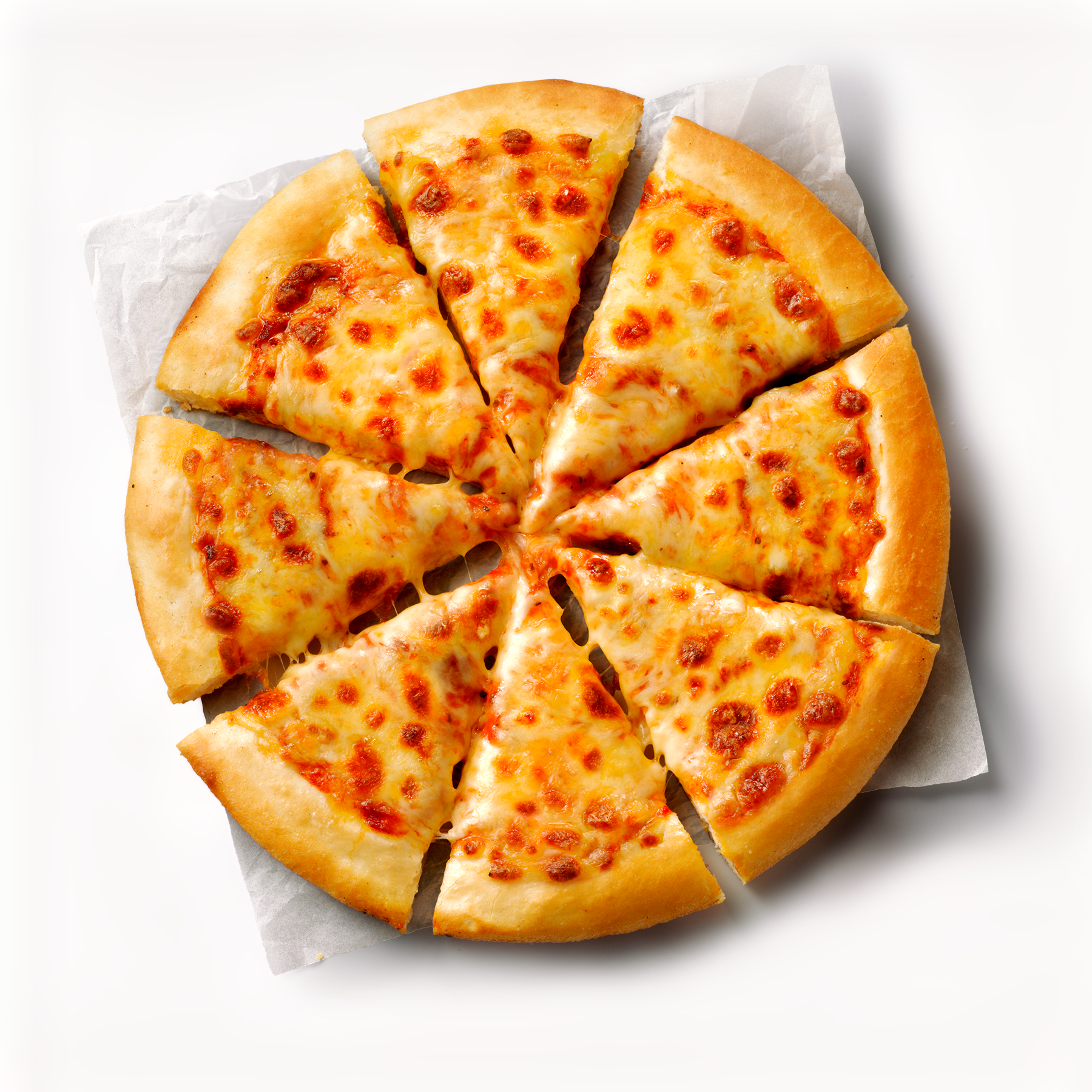
The brown spots on a Pizza Hut pizza are the result of the Maillard reaction, a chemical reaction between amino acids and reducing sugars. Food engineers at Leprino and Pizza Hut calibrate the sugar (lactose) content in the cheese to ensure that it blisters at the exact moment the crust is fully cooked. If the cheese had too little sugar, it would remain white and look undercooked; too much, and it would char.
Oil Release (Oiling Out)
A certain amount of oil release is necessary for the cheese to feel "supple" in the mouth. If a cheese has zero oil release, it can feel rubbery or "tough." Pizza Hut’s part-skim mozzarella is designed to release just enough butterfat to lubricate the cheese strands without pooling in the center of the pizza.
The Stuffed Crust Exception
It is important to note that the cheese used in the Original Stuffed Crust is slightly different from the cheese sprinkled on top. The stuffed crust uses a "string cheese" format—a cylindrical, low-moisture mozzarella stick. This format has a higher density to ensure that it doesn't completely liquefy and leak out of the crust during the baking process, maintaining its shape even when bitten.
Comparison of Pizza Hut Mozzarella Varieties
| Feature | Standard Mozzarella (Topping) | Stuffed Crust Cheese | Fresh Mozzarella (Artisanal) |
|---|---|---|---|
| Moisture Content | Low (45-52%) | Very Low (<45%) | High (60%+) |
| Fat Content | Part-Skim | Part-Skim/Full Fat Blend | Full Fat |
| Enzymes | Microbial (Vegetarian) | Microbial (Vegetarian) | Often Animal Rennet |
| Form Factor | Shredded | Solid Cylinder | Sliced/Balls |
| Shelf Life | Long (Frozen/Refrigerated) | Long (Refrigerated) | Very Short (Days) |
| Primary Use | Universal topping | Crust fortification | Specialty pizzas (Margherita) |
Dietary and Health Considerations
For consumers in 2026, dietary transparency is a priority. Pizza Hut's mozzarella is a dairy product and contains lactose, making it unsuitable for those with lactose intolerance unless a lactase supplement is used.
Is Pizza Hut Cheese Gluten-Free?
While the mozzarella cheese itself does not contain gluten ingredients, it is processed in facilities and kitchens where wheat flour is ubiquitous. The anti-caking agents (cellulose/starch) are gluten-free, but cross-contamination is a significant risk in any Pizza Hut kitchen.
Sodium Content
Mozzarella is naturally high in sodium. On a standard large pepperoni pizza, the cheese contributes a significant portion of the recommended daily intake. For those on sodium-restricted diets, "Easy Cheese" (requesting half the normal amount) is the most common modification.
Vegan Alternatives
As of 2026, while Pizza Hut has trialed vegan "cheese" (typically pea-protein or coconut-oil based) in various international markets like the UK and select US test markets, the standard "mozzarella" discussed here remains a purely bovine dairy product.
Production and Quality Control
Pizza Hut employs a rigorous quality-assurance protocol known as the "Gold Standard." Every batch of cheese from Leprino Foods must pass specific tests before it enters the supply chain:
- Melt Test: A sample is melted in a controlled environment to measure the spread.
- Stretch Test: The "bridge" of the cheese is measured in inches before it breaks.
- Color Grade: The cheese must fall within a specific HEX code range of golden-brown after 5 minutes in a standard conveyor oven.
If a batch of cheese is too moist, it can lead to "gum line" issues—a layer of raw dough between the sauce and the cheese. If it is too dry, it becomes brittle. The "explained" reality of Pizza Hut cheese is that it is a highly calibrated industrial component designed to eliminate the variables of natural agriculture.
Common Myths and Misconceptions
There are several persistent myths regarding fast-food cheese that require clarification:
- "It contains plastic": This is a misunderstanding of cellulose. While cellulose is used in various industries, in food, it is a plant-derived fiber. It is not plastic.
- "It isn't real cheese": By FDA standards, Pizza Hut’s mozzarella meets the "Standard of Identity" for Shredded Low-Moisture Part-Skim Mozzarella. It is made from real milk.
- "It never spoils": Because of the low moisture and the presence of Natamycin, it has a longer shelf life than fresh mozzarella, but it is a perishable dairy product that requires strict temperature control.
Frequently Asked Questions
Is Pizza Hut mozzarella cheese vegetarian?
Yes, in the United States and most international markets, Pizza Hut uses microbial enzymes rather than animal rennet to curdle their milk. This makes the cheese suitable for vegetarians who consume dairy (lacto-vegetarians). However, always check local nutritional guides as sourcing can vary by region.
Why does Pizza Hut cheese stay soft longer than other cheeses?
The use of low-moisture, part-skim (LMPS) cheese combined with specific emulsifiers and the way it is shredded allows it to retain a flexible structure as it cools. Additionally, the fat-to-protein ratio is engineered to prevent the cheese from turning into a hard "shell" immediately after leaving the oven.
Does Pizza Hut use 100% whole milk mozzarella?
No, Pizza Hut primarily uses part-skim mozzarella. Whole milk mozzarella has a higher fat content which can lead to excessive pooling of oil on the pizza, especially when combined with high-fat toppings like pepperoni or sausage. Part-skim provides the desired stretch without the grease.
Is there any pork or beef product in the cheese?
The cheese itself does not contain meat products. The enzymes are microbial, and the cultures are bacterial. The only animal product used is cow's milk.
Can I buy Pizza Hut mozzarella in a grocery store?
While you cannot buy the exact "Pizza Hut" branded bags, buying Leprino Foods' consumer-facing brands or a high-quality "Low-Moisture Part-Skim Mozzarella" will get you very close. The key is to look for "Low-Moisture" on the label, as "Fresh" mozzarella will not produce the same results.
Summary of Recommendations
When ordering to get the best experience from Pizza Hut’s mozzarella, consider the "Extra Cheese" option only if you prefer a softer, more gooey texture, as the increased volume prevents some of the browning (blistering). For the most authentic "stretch," the Original Stuffed Crust remains the gold standard due to the higher density of the cheese logs used in the perimeter. If you are monitoring sodium or fat intake, requesting "Easy Cheese" reduces these metrics by approximately 50% while still providing adequate coverage for the flavor profile.
Image Gallery