John Wilkes Booth Cause of Death Explained: The Fatal Shot at Garrett’s Farm
John Wilkes Booth died on April 26, 1865, from a gunshot wound to the neck inflicted by Sergeant Boston Corbett. The bullet severed his spinal cord, causing immediate paralysis from the neck down. After several hours of intense physica...
John Wilkes Booth died on April 26, 1865, from a gunshot wound to the neck inflicted by Sergeant Boston Corbett. The bullet severed his spinal cord, causing immediate paralysis from the neck down. After several hours of intense physical agony and respiratory failure, Booth succumbed to his injuries on the porch of the Garrett farmhouse.
Contents
The 12-Day Manhunt: Context of the Final Standoff
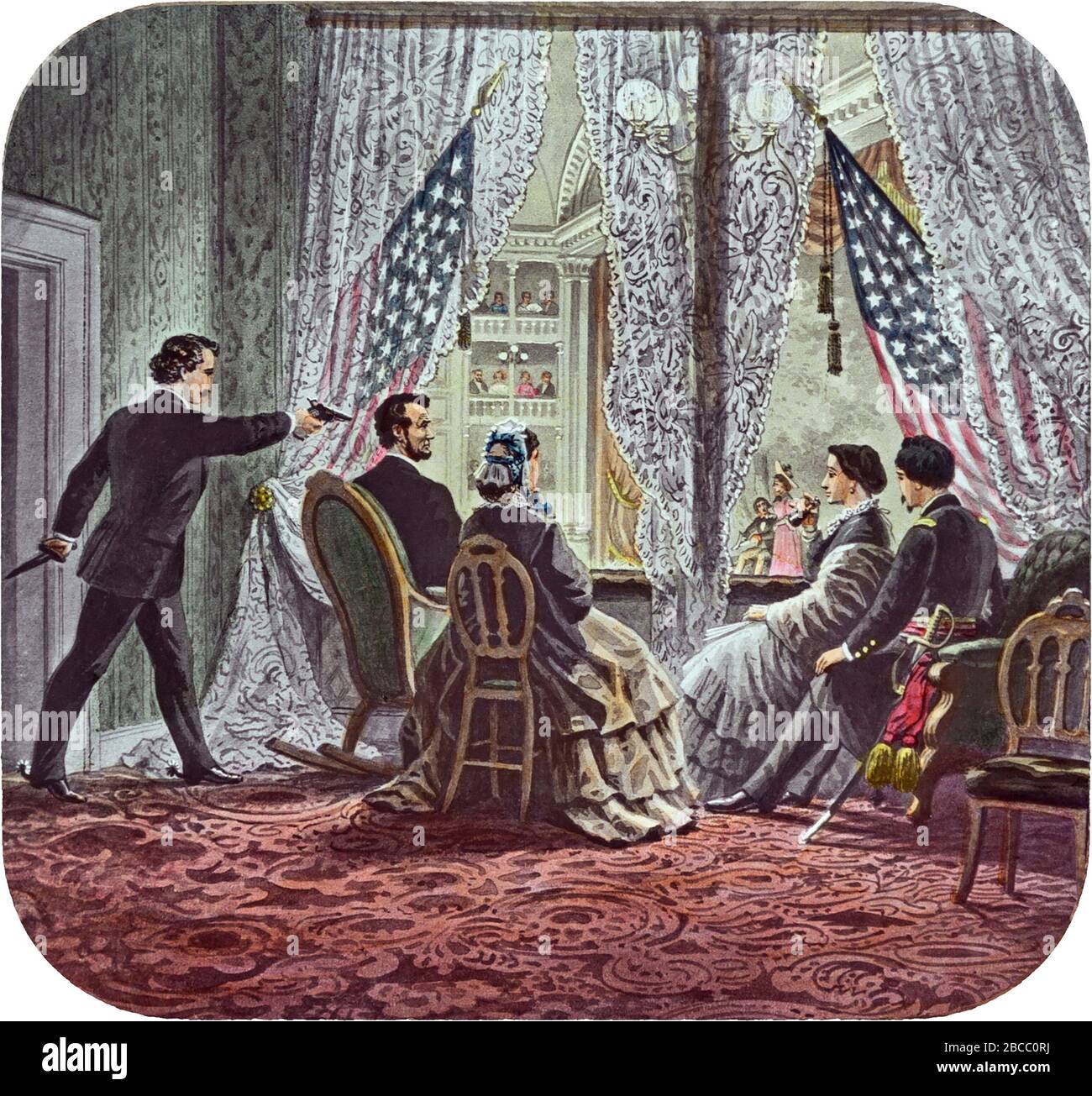
The death of John Wilkes Booth was the culmination of one of the largest manhunts in American history. Following the assassination of President Abraham Lincoln at Ford’s Theatre on April 14, 1865, Booth and his co-conspirator, David Herold, fled into Southern Maryland and eventually across the Potomac River into Virginia. For twelve days, federal authorities and cavalry units combed the countryside, spurred by a $100,000 reward and the national outcry for justice.
By the early morning of April 26, 1865, the 16th New York Cavalry tracked the fugitives to the farm of Richard H. Garrett, located near Port Royal, Virginia. Booth and Herold had been sleeping in a tobacco barn on the property. When the cavalry surrounded the structure and demanded their surrender, Herold eventually gave himself up, but Booth remained defiant. He famously declared that he would not be taken alive, preparing to fight his way out despite a broken fibula sustained during his leap to the stage at Ford’s Theatre.
To force Booth out, detectives accompanying the cavalry set fire to the dry straw inside the barn. As the flames rose, Booth was visible through the slats of the barn, appearing to move toward the door with a carbine in his hand. It was at this moment that a single shot rang out, ending the standoff and effectively sealing the fate of the assassin.
The Mechanics of Death: Clinical Analysis of the Fatal Wound
The biological cause of John Wilkes Booth's death was asphyxiation and neurogenic shock resulting from a gunshot wound that caused a complete transection of the spinal cord. While the soldiers had orders to take Booth alive for questioning and trial, Sergeant Boston Corbett fired his Colt revolver through a gap in the barn boards, later claiming that "Providence directed" his hand.
The Trajectory of the Bullet
The bullet entered the left side of Booth’s neck, approximately an inch or two below the ear. It traveled through the soft tissues and struck the fourth and fifth cervical vertebrae. Unlike a wound to the brain, which might have caused instantaneous death, this trajectory spared the medulla oblongata—the part of the brain that controls basic life functions—but destroyed the communication pathway between the brain and the rest of the body.
According to the medical report provided by the Surgeon General’s office at the time, the projectile lodged itself in the muscles on the right side of the neck. The impact shattered the bone and sent fragments into the spinal canal. This type of high-cervical injury is catastrophic; it results in "tetraplegia" (quadriplegia) and severely compromises the ability to breathe independently.
Paralysis and Respiratory Failure
Because the injury occurred at the C4-C5 level, the phrenic nerve, which controls the diaphragm, was significantly impaired. Booth was immediately paralyzed from the neck down. Eyewitness accounts from the soldiers who dragged him from the burning barn describe him as "limp as a rag."
Booth remained conscious for several hours following the shot. During this period, he experienced what modern medicine identifies as "air hunger." Without the ability to expand his chest cavity effectively, he was slowly suffocating. He reportedly asked the soldiers to "Tell my mother I died for my country," and later, looking at his paralyzed hands, whispered his final words: "Useless, useless."
The Controversial Role of Boston Corbett
The death of Booth was not an execution ordered by the state, but rather the result of an unauthorized shot fired by Sergeant Boston Corbett. Corbett, a deeply religious and eccentric figure, was later questioned as to why he disobeyed the order to capture Booth alive. He maintained that he believed Booth was about to fire upon the cavalrymen, and thus acted in self-defense of his unit.
While Secretary of War Edwin Stanton eventually dismissed the charges against Corbett, the Sergeant’s actions deprived the United States government of a formal trial for the man who killed Lincoln. This lack of a public trial and a subsequent "quick" burial fueled many of the conspiracy theories that would persist for over a century.
Verification: The 1865 Autopsy and Identification
To ensure there was no doubt regarding the identity of the man killed at Garrett’s farm, the War Department conducted a formal autopsy on April 27, 1865, aboard the ironclad USS Montauk, anchored in the Potomac River. The procedure was performed by Surgeon General Joseph K. Barnes and Dr. Janvier Woodward.
Methods of Identification
Identification was critical because of the high stakes involved. The following evidence was used to confirm the body was indeed John Wilkes Booth:
- Physical Features: Booth’s physician, Dr. John Frederick May, identified a distinct scar on the back of the neck where he had previously removed a fibroid tumor.
- The Tattoo: A tattoo on Booth's hand featuring the initials "J.W.B." was verified by multiple witnesses who had known him in the theater circuit.
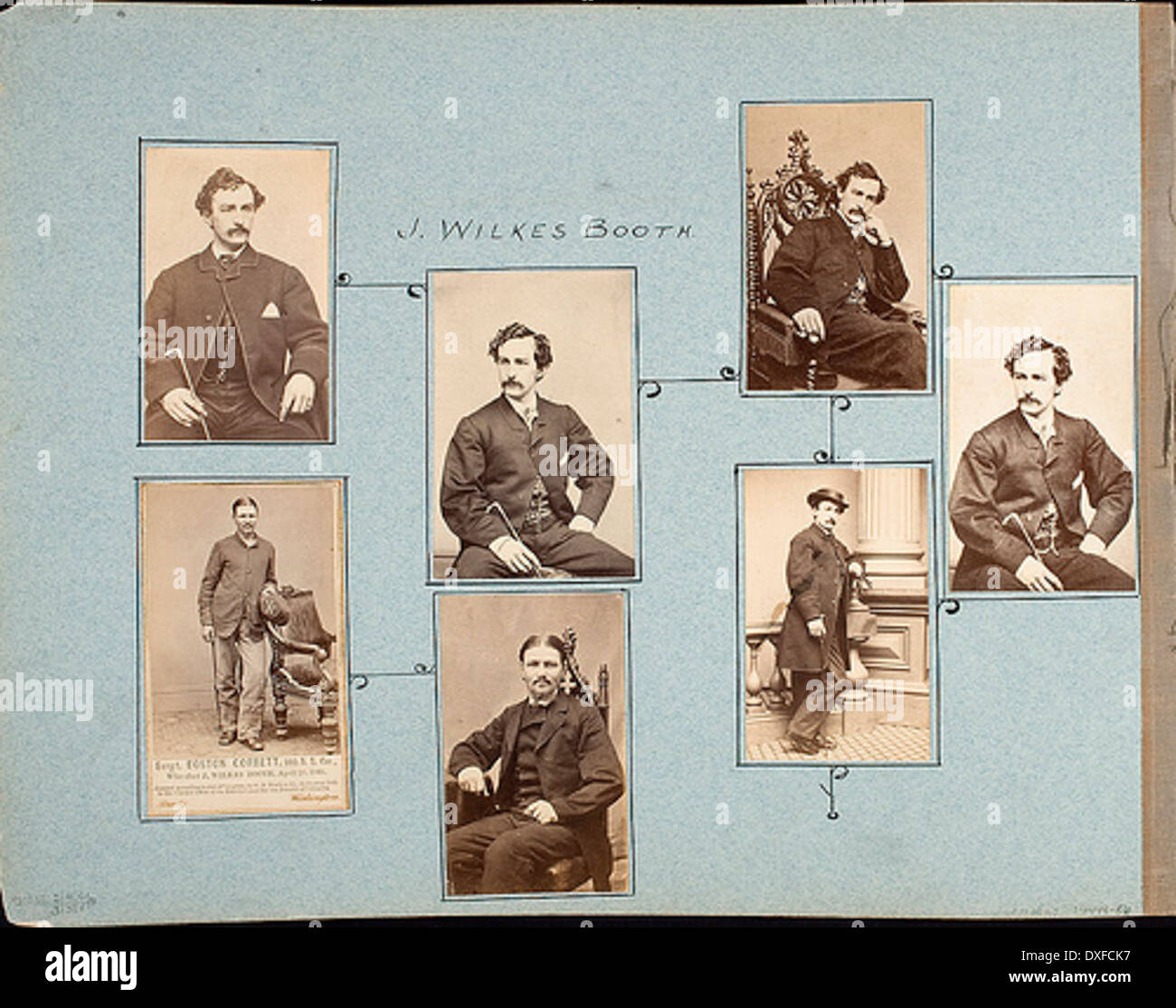
- Personal Effects: Items found on the body, including a diary (the "Booth Diary") and photographs of several actresses, were confirmed as belonging to him.
During the autopsy, the doctors removed the damaged sections of the fourth and fifth cervical vertebrae to better examine the bullet's path. These bone specimens were preserved and are still held today by the National Museum of Health and Medicine in Silver Spring, Maryland. This physical evidence serves as the ultimate scientific rebuttal to claims that Booth escaped.
Summary of Booth vs. Lincoln: Comparative Fatalities
The deaths of the assassin and the President are often compared in historical and forensic contexts. While both were killed by small-arms fire, the physiological paths to death were markedly different.
| Feature | Abraham Lincoln | John Wilkes Booth |
|---|---|---|
| Weapon Used | .44 caliber Philadelphia Deringer | .44 caliber Colt Revolver |
| Primary Wound Site | Occipital bone (Back of the head) | Cervical vertebrae (Neck) |
| Immediate Effect | Instant unconsciousness (Coma) | Immediate paralysis; remained conscious |
| Duration of Survival | Approximately 9 hours | Approximately 2–3 hours |
| Scientific Identification | Not required (Public event) | Autopsy and scar verification required |
| Preserved Evidence | Bullet and skull fragments | Damaged cervical vertebrae |
Debunking Survival Myths and the Oklahoma Theory
For decades after 1865, rumors circulated that John Wilkes Booth had not died at Garrett's farm but had instead escaped to live under an alias. The most prominent theory suggested that a man named David E. George, who committed suicide in Enid, Oklahoma, in 1903, was actually the escaped assassin.
However, modern forensic science and historical documentation have consistently debunked these claims. In the mid-1990s, descendants of the Booth family petitioned to have his body exhumed from Green Mount Cemetery in Baltimore to conduct DNA testing. The request was denied by the courts, primarily because the historical evidence—including the 1865 autopsy, the J.W.B. tattoo, and the verified dental records and surgical scars—was considered definitive. The "escape" theories rely heavily on hearsay and the physical resemblance of unrelated individuals, ignoring the corroborated testimony of the soldiers, doctors, and acquaintances who identified the body on the USS Montauk.
Frequently Asked Questions
Did John Wilkes Booth kill himself?
No, the evidence indicates Booth did not commit suicide. While some early rumors suggested he might have shot himself, the angle of the wound and the testimony of Sergeant Boston Corbett confirm that the shot was fired from outside the barn. Corbett admitted to the shooting, and the trajectory of the bullet was consistent with a shot fired from a distance through a gap in the barn's siding.
Could Booth have survived his injuries with modern medicine?
As of 2026, a C4-C5 spinal cord injury is still considered a life-altering catastrophic event, but it is no longer an automatic death sentence. In 1865, the inability to breathe without a mechanical ventilator and the lack of antibiotics to treat the inevitable pneumonia meant death was certain. Today, while the paralysis would likely be permanent, emergency trauma surgery and long-term respiratory support could have stabilized him for trial.
Where is John Wilkes Booth buried?
Booth is buried in an unmarked grave in the family plot at Green Mount Cemetery in Baltimore, Maryland. His body was initially buried in a storage room at the Old Capitol Prison and later moved to the Warehouse at the Washington Arsenal. It was not until 1869 that President Andrew Johnson released the remains to the Booth family for private burial.
Why was an autopsy performed on a ship?
The autopsy was performed on the USS Montauk primarily for security and privacy. The government feared that a public autopsy on land might incite riots or that the body might be snatched by Southern sympathizers. The ironclad provided a controlled, defensible environment where witnesses could be brought in secretly to identify the remains.
What happened to the bullet that killed him?
The bullet was recovered during the autopsy performed on the USS Montauk. Along with the sections of his vertebrae, the lead projectile became part of the permanent collection of the Surgeon General’s office. It remains a historical artifact used to study the terminal ballistics of 19th-century firearms.
Practical Recommendation for Researchers
For those seeking to verify the details of Booth's death for academic or genealogical purposes, the most reliable primary source is the National Archives and Records Administration (NARA), which holds the original transcripts of the trial of the conspirators and the medical reports from 1865. Additionally, the National Museum of Health and Medicine provides public access to documentation regarding the preserved cervical vertebrae, which remains the most significant piece of forensic evidence in the case. Avoid "sensationalist" history books written in the early 20th century, as these often prioritize the "escape myth" over documented medical facts.
Image Gallery