Everything You Need to Know About the Denver Downtown Detention Facility
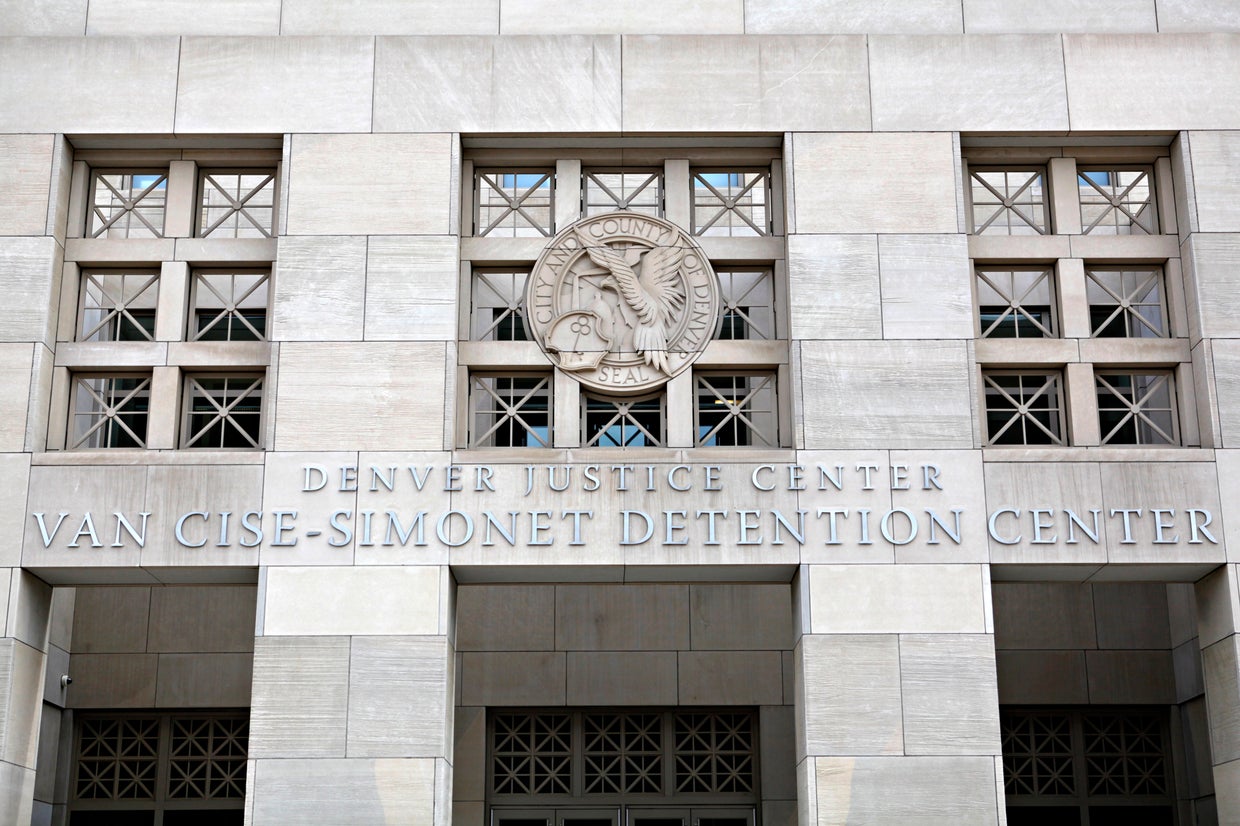
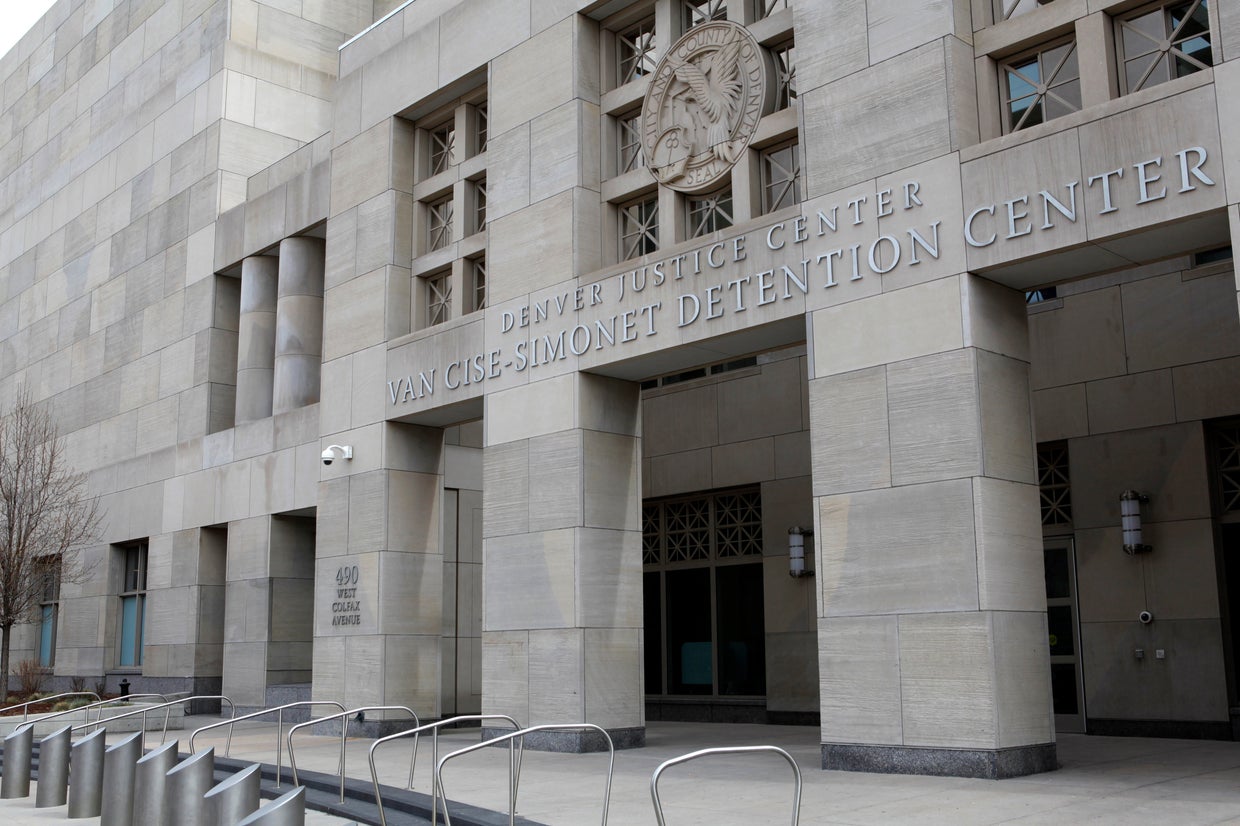
The Denver Downtown Detention Facility, officially the Van Cise-Simonet Detention Center, is Denver’s primary high-security intake and processing jail. Located at 490 West Colfax Avenue, it handles booking, initial court appearances, a...
The Denver Downtown Detention Facility, officially the Van Cise-Simonet Detention Center, is Denver’s primary high-security intake and processing jail. Located at 490 West Colfax Avenue, it handles booking, initial court appearances, and pre-trial detention for the City and County of Denver, operating under the management of the Denver Sheriff Department.
Contents
Understanding the Van Cise-Simonet Detention Center
The Denver Downtown Detention Facility (DDF) is more than just a holding cell; it is a critical infrastructure component of the Denver Justice Center campus. Often referred to by locals simply as "the downtown jail," this facility was named in honor of Philip Van Cise and Milton Simonet, two figures who significantly shaped Denver’s legal and law enforcement history.
As of 2026, the facility remains the central nervous system for Denver's criminal justice system. Unlike a prison, which houses individuals convicted of serious crimes for long-term sentences, the DDF is a "jail" designed for short-term stays. Most people inside the DDF are either waiting for their first court appearance, undergoing the booking process, or awaiting trial because they cannot afford bail or are held without bond.
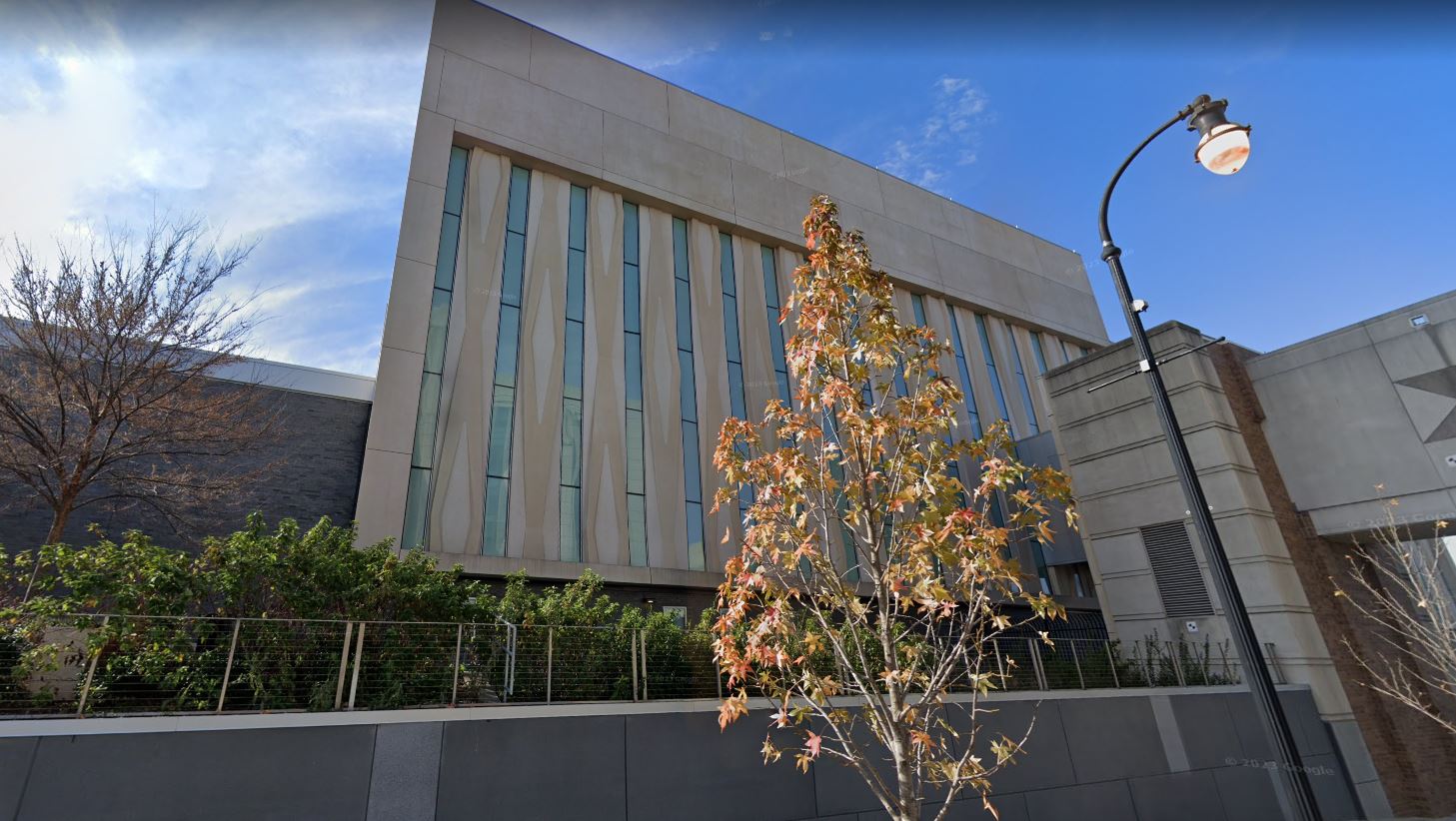
The facility’s strategic location in the heart of downtown Denver, adjacent to the Lindsey-Flanigan Courthouse, is intentional. It allows for the efficient transfer of inmates to court hearings via secure underground tunnels, minimizing the security risks and logistical costs associated with transporting detainees across the city.
Architecture and Design: The Podular Supervision Model
One of the most defining characteristics of the Denver Downtown Detention Facility is its architectural philosophy. Completed as part of a massive justice center expansion, the building reflects a modern approach to incarceration known as the podular design.
Direct vs. Indirect Supervision
The facility utilizes a direct supervision model within its housing units, or "pods." In older, linear jails, guards patrolled hallways and looked into cells through bars. In the DDF, sheriff deputies are often stationed directly inside the housing pods. This allows for constant interaction between staff and inmates, which has been shown to reduce violence, improve safety, and allow deputies to identify potential mental health crises or conflicts before they escalate.
Capacity and LEED Certification
The facility has a capacity to house approximately 1,500 inmates. It was designed with sustainability in mind, achieving LEED Gold certification. This means the building uses advanced energy-efficient lighting, water-saving fixtures, and climate control systems that reduce the facility's environmental footprint—a significant consideration for a municipal building that operates 24 hours a day, 365 days a year.
The Intake and Booking Process
When an individual is arrested in the City or County of Denver, their journey almost always begins at the Downtown Detention Facility. The booking process is a standardized series of steps designed to establish identity, assess health risks, and ensure the safety of the facility.
- Arrival and Search: Upon arrival, the individual is searched for contraband. Personal property is confiscated, inventoried, and stored in a secure locker.
- Identification: This includes fingerprinting and taking a "mugshot." These details are entered into a national database to check for outstanding warrants in other jurisdictions.
- Medical Screening: Every person entering the facility undergoes a health assessment. This is vital for identifying infectious diseases, withdrawal symptoms (from drugs or alcohol), or immediate mental health needs.
- Classification: This is perhaps the most technical part of the process. Inmates are not assigned rooms randomly. The Classification Unit evaluates the individual's criminal history, the nature of the current charges, and their behavior during booking to determine their security level (Minimum, Medium, or Maximum).
- Housing Assignment: Based on the classification, the individual is moved from the intake holding cells to a permanent housing pod.
The duration of the booking process can vary significantly. In 2026, while automation has improved efficiency, a typical booking can still take anywhere from 4 to 12 hours depending on the volume of arrests and the complexity of the individual's legal status.
Visitation and Inmate Communication
Maintaining contact with family and legal counsel is a fundamental right, but it is strictly regulated at the DDF. As of 2026, the facility primarily utilizes Video Visitation rather than traditional face-to-face visits behind glass.
Remote vs. On-Site Video Visits
Families can choose to visit "on-site" using kiosks located in the facility's lobby, which is usually free but requires an appointment. Alternatively, they can use "remote visitation" from a home computer or mobile device for a fee. These services are typically managed by third-party providers like Securus Technologies or GTL.
Mail and Packages
Inmates may receive letters, but they are subject to strict screening. To prevent the introduction of contraband, many facilities, including the DDF, have transitioned to digital mail. In this system, physical mail is sent to a central processing center, scanned, and delivered to the inmate via a tablet or kiosk.
- Prohibited Items: Do not send Polaroid photos, stamps, padded envelopes, or any mail containing glitter, glue, or perfume.
- Legal Mail: Correspondence from attorneys is handled differently and is generally opened in the presence of the inmate to ensure privacy while maintaining security.
Bonding and Getting Someone Out of Jail
If a judge sets a bond, it is the financial guarantee that the defendant will return for their court dates. There are several ways to post bond at the Denver Downtown Detention Facility:
| Bond Type | Description | Who Pays? |
|---|---|---|
| Cash Bond | The full amount of the bond is paid in cash. | The defendant or a "surety" (friend/family). |
| Surety Bond | A bail bondsman charges a non-refundable fee (usually 10-15%) to post the full bond. | A licensed bail bond agent. |
| Property Bond | Using equity in real estate as collateral for the bond. | The property owner (requires court approval). |
| Personal Recognizance (PR) | The defendant is released on a promise to appear without paying money upfront. | Granted by the judge based on low flight risk. |
The Bonding Office at the DDF is open 24/7. When paying a bond, you must bring a valid government-issued ID and the exact amount of the bond plus any administrative filing fees (usually around $50 in 2026). It is important to note that even after a bond is posted, it can take several hours for the facility to process the release paperwork.
Medical, Mental Health, and Social Services
A significant portion of the population at the Downtown Detention Facility requires medical or psychiatric care. The City of Denver has invested heavily in integrating healthcare into the jail environment to comply with constitutional standards and reduce recidivism.
The facility includes a Transitional Care Unit (TCU) and specialized pods for individuals experiencing acute mental health crises. In 2026, the focus has shifted toward "competency restoration" and ensuring that inmates are stabilized before they appear in court. Medical services are often contracted through Denver Health, providing a seamless transition of care if an inmate needs to be transferred to a hospital.
Comparison: Downtown Detention vs. Denver County Jail
It is a common mistake to confuse the Downtown Detention Facility with the Denver County Jail on Smith Road. While both are run by the Denver Sheriff Department, they serve different purposes.
- DDF (Downtown): Primary intake, booking, high-security pre-trial detention. It is a high-rise building located in a dense urban environment.
- County Jail (Smith Road): Generally houses individuals who have already been sentenced to terms of less than two years, or those classified as lower risk. It is a campus-style facility with more space for vocational programs and outdoor recreation.
Frequently Asked Questions
How do I find out if someone is at the Denver Downtown Detention Facility?
You can use the Denver Sheriff Department Inmate Search tool available on the official DenverGov.org website. You will need the individual's first and last name. The search results will typically show their booking number, charges, bond amount, and their next scheduled court date.
Can I bring a change of clothes for an inmate?
Generally, no. Inmates are issued facility-standard uniforms. The only exception is usually for individuals appearing for a jury trial, where a judge may sign an order allowing civilian clothes to be brought to the facility to prevent "courtroom prejudice."
How do I put money on an inmate's account?
Money for "commensary" (snacks, hygiene products, and extra clothing) can be deposited through the facility's lobby kiosks or online via the designated third-party vendor. You will need the inmate's full name and their CD Number (County Detainee number).
What happens to an inmate's property when they are released?
Inmates receive their inventoried property back at the time of release. If someone is transferred to a state prison (DOC), their property must usually be picked up by a friend or family member within a specific timeframe (often 30 days), or it will be destroyed or donated.
Is the Downtown Detention Facility safe?
The facility is a high-security environment with 24/7 surveillance and controlled access. While jail environments inherently carry risks, the podular design and direct supervision model are specifically utilized to maximize the safety of both the staff and the detainees.
Practical Recommendation for Next Actions
If you are looking for a loved one, your first step should be the Denver Inmate Search portal. If they have just been arrested, wait at least four hours before calling the facility, as the booking process must be partially completed before they appear in the system.
If you intend to post bond, contact a licensed bail bondsman first to compare the costs of a surety bond versus a cash bond. Finally, ensure you have the correct court case number if you plan to attend the initial advisement hearing, which usually takes place in the Lindsey-Flanigan Courthouse next door.
Image Gallery