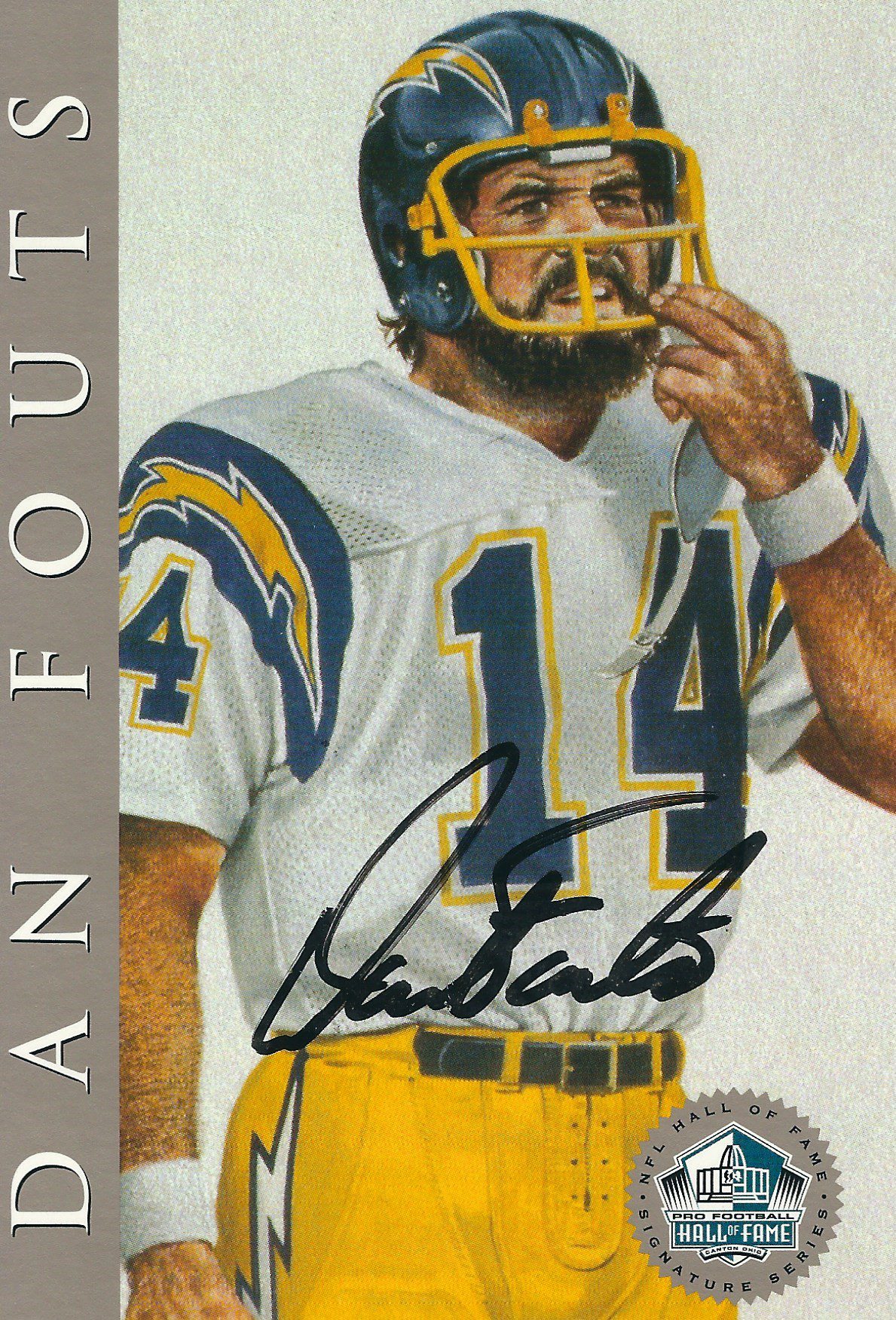
The Legacy of Dan Fouts: Examining His Retirement in 1988
Dan Fouts concluded his legendary professional football career in 1988, marking the end of a 15-season tenure as the quarterback for the San Diego Chargers. His departure from the National Football League (NFL) closed a chapter defined...
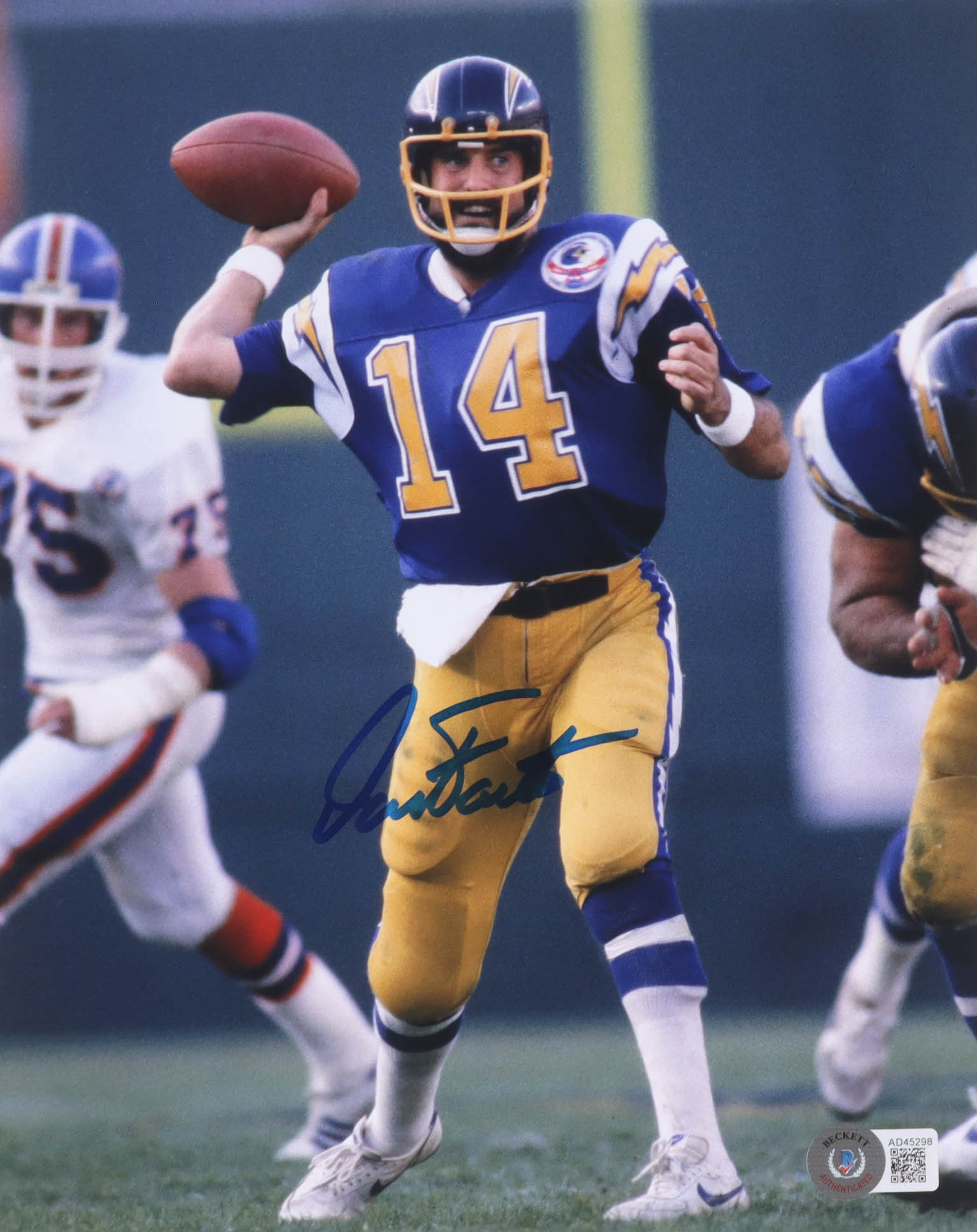
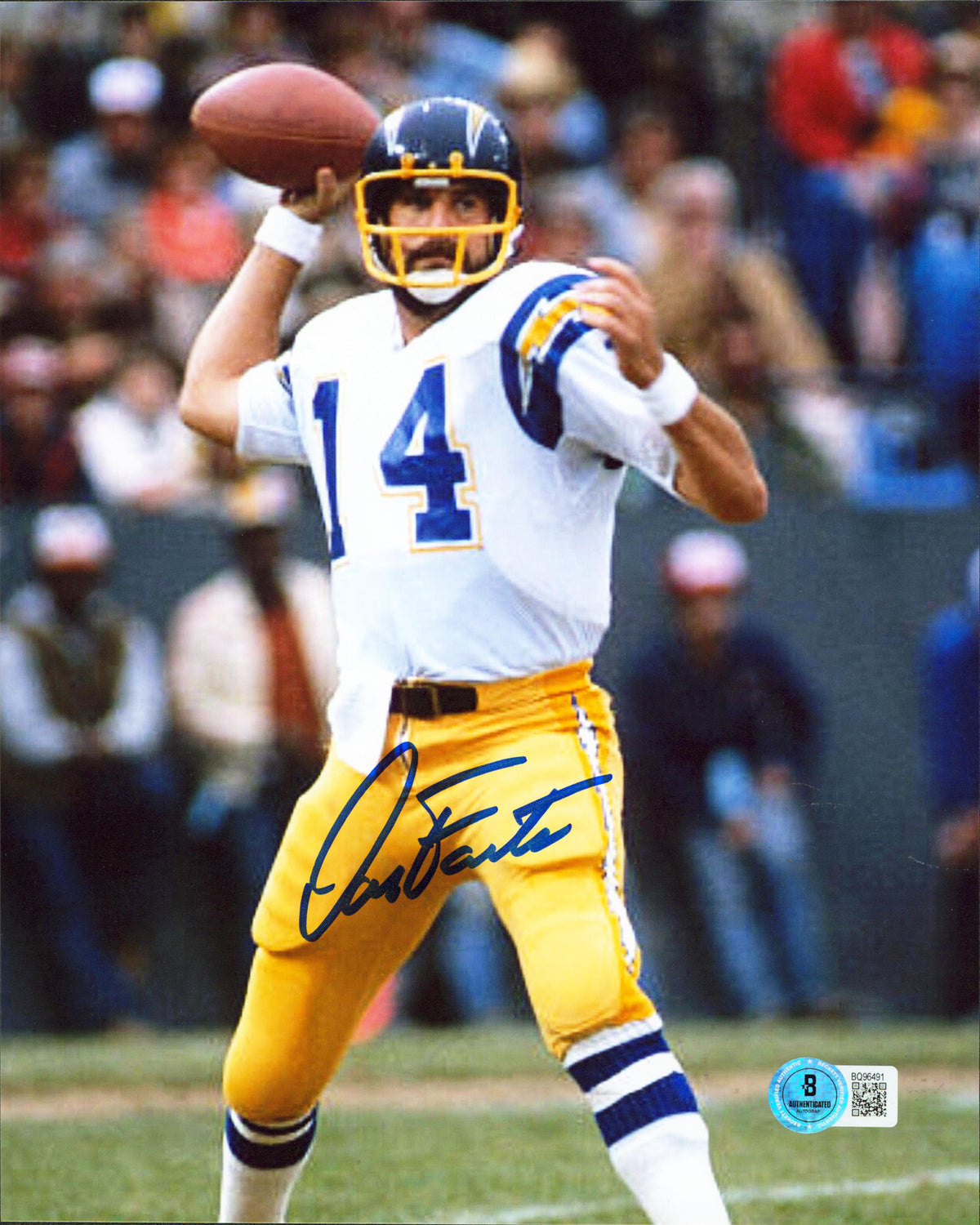
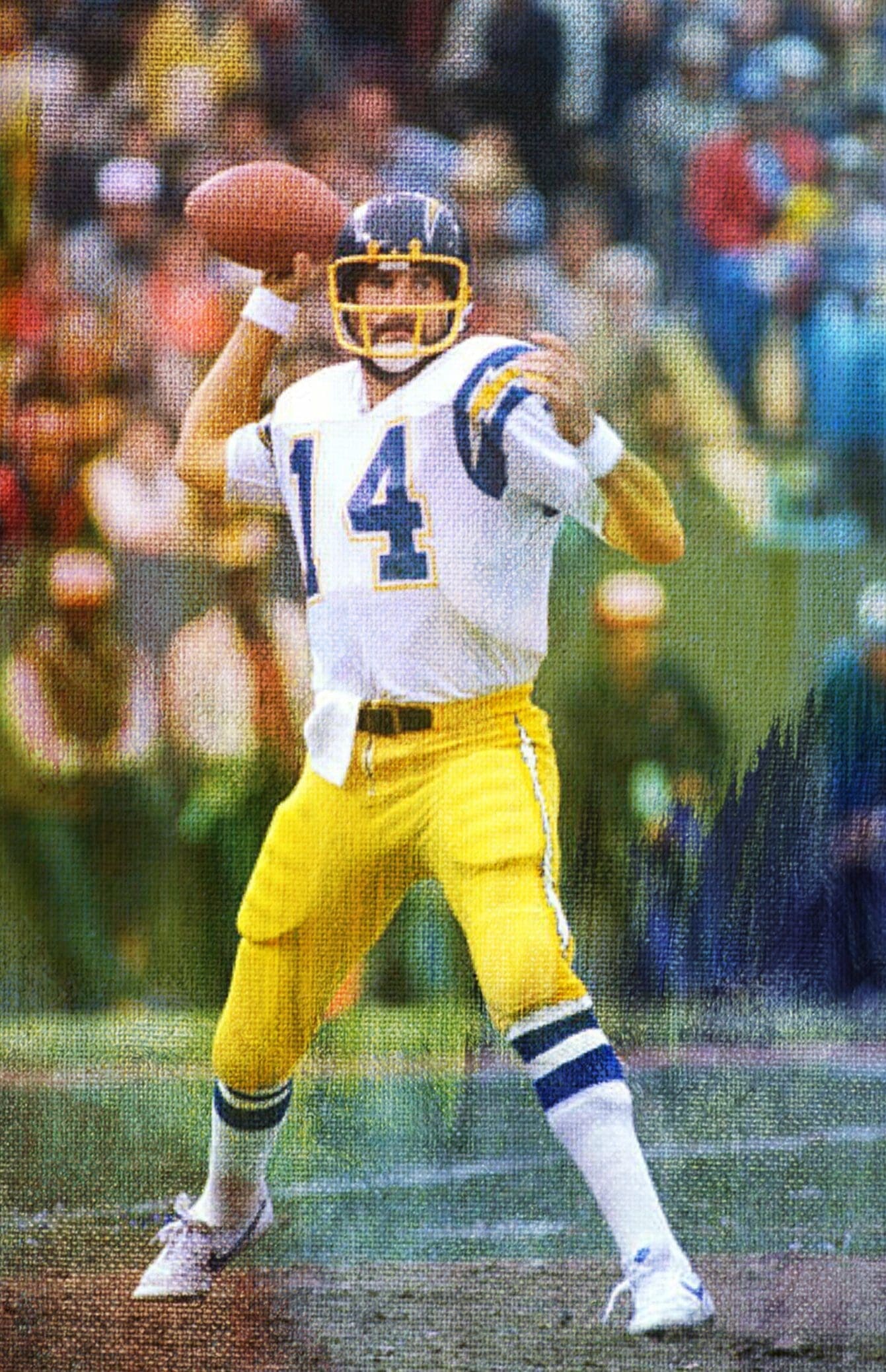
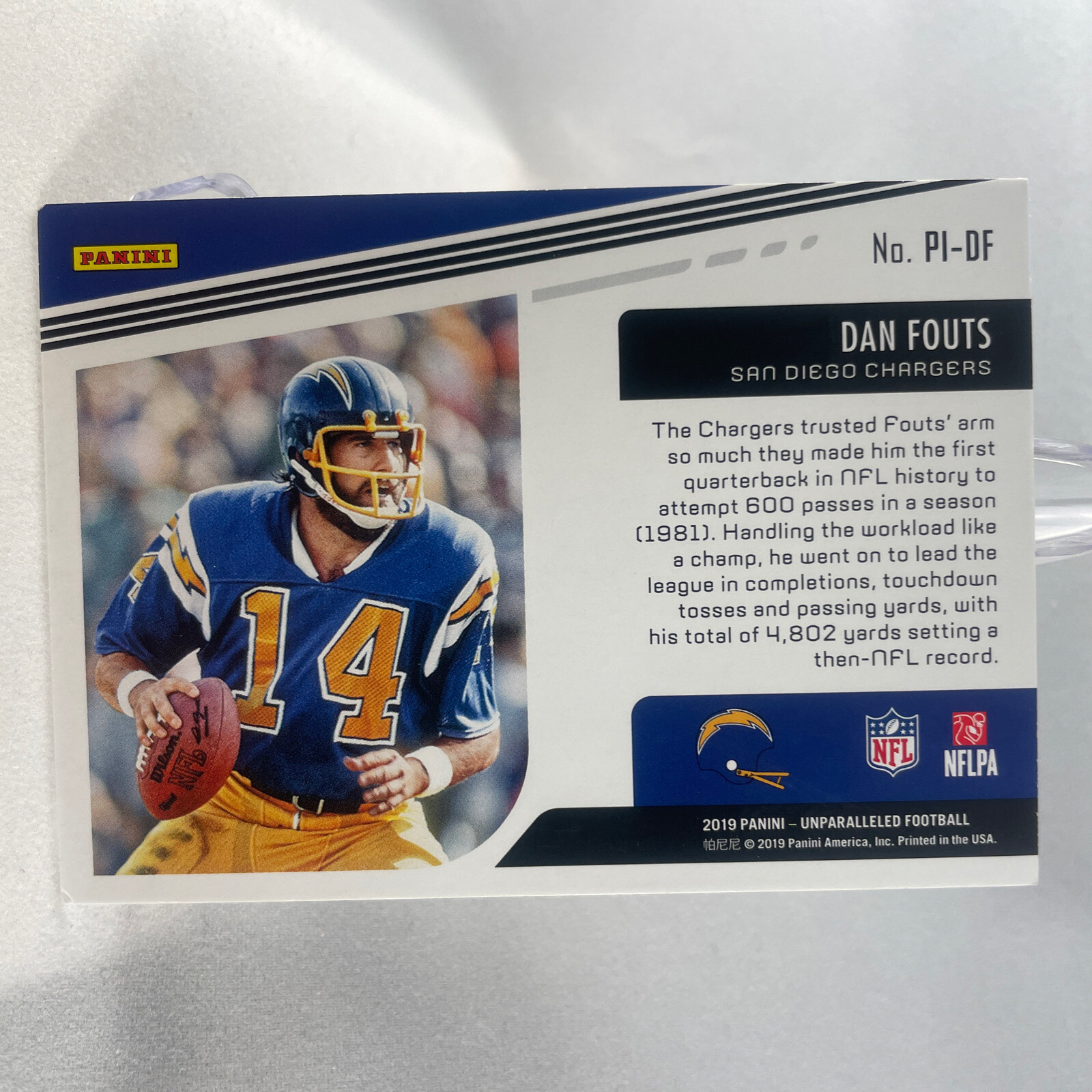
Dan Fouts concluded his legendary professional football career in 1988, marking the end of a 15-season tenure as the quarterback for the San Diego Chargers. His departure from the National Football League (NFL) closed a chapter defined by the innovative "Air Coryell" passing offense, which revolutionized how professional teams attacked opposing defenses through the air.
Contents
The Context of the 1988 Retirement
By the time the 1987 NFL season concluded, the league was in a state of transition. Dan Fouts had spent his entire professional life wearing the powder blue and gold of the San Diego Chargers. Drafted in the third round of the 1973 NFL Draft out of the University of Oregon, Fouts initially struggled to find footing in a run-heavy league. However, the hiring of head coach Don Coryell in 1978 transformed both Fouts and the franchise.
When Fouts officially announced his retirement in the spring of 1988, he walked away from the game as one of the most statistically prolific passers in history. At the time of his departure, he held numerous NFL records, including most career passing yards, most 300-yard passing games, and most consecutive seasons leading the league in passing yardage. His decision to retire was not a shock to the league, as he had endured significant physical punishment over his 15-year career, particularly in his later seasons as his mobility declined.
The Impact of "Air Coryell"
To understand the significance of the 1988 retirement, one must evaluate the tactical environment Fouts operated within. Before Coryell arrived in San Diego, NFL passing attacks were largely conservative, focusing on ball control and rushing efficiency. The scheme Fouts mastered, often called "Air Coryell," utilized vertical routes, tight splits, and complex route trees that forced defenses to stretch across the entire field.
Fouts was the perfect conduit for this system. His ability to read complex zones, anticipate receiver breaks, and maintain poise under heavy pressure allowed the Chargers to maintain one of the most feared offenses of the late 1970s and early 1980s. When he retired in 1988, he took with him the primary engine of a system that had necessitated a permanent change in how NFL defensive coordinators built their secondary rotations.
Career Statistics and Milestones
Dan Fouts finished his career with 43,040 passing yards and 254 touchdowns. His ability to move the chains through the air redefined the expectations for a franchise quarterback. During his peak from 1979 to 1981, he became the first player in NFL history to throw for over 4,000 yards in three consecutive seasons—a feat that seemed nearly impossible in the era of 14- and 16-game schedules.
The following table summarizes key comparative metrics for Fouts at the time of his retirement in 1988 compared to his peers.
| Statistic | Dan Fouts Career Total | Significance |
|---|---|---|
| Seasons Played | 15 | Demonstrates durability and longevity |
| Passing Yards | 43,040 | NFL record at the time of his retirement |
| Touchdowns | 254 | Among the top tier of all-time leaders in 1988 |
| Pro Bowl Selections | 6 | A measure of consistent league-wide excellence |
| Passing Titles | 4 | Led the NFL in passing yards (1979–1982) |
Life After the Field
Following his retirement in 1988, Fouts did not vanish from the public eye. Instead, he transitioned seamlessly into the broadcasting booth. His analytical approach to the game, honed over 15 years in a high-complexity offense, translated effectively to television. He served as a color commentator for CBS and ABC’s Monday Night Football, becoming a familiar voice for a new generation of football fans who had not seen him play live.
This post-retirement path reinforced his status as a student of the game. Unlike many retired players who stepped away entirely, Fouts utilized his deep understanding of offensive schemes to educate viewers, effectively bridging the gap between his playing era and the modern evolution of the sport. His induction into the Pro Football Hall of Fame in 1993, his first year of eligibility, cemented his legacy as one of the architects of the modern passing game.
Technical Evolution of the Quarterback Position
The retirement of Fouts in 1988 serves as a historical milestone that effectively ends the "pre-modern" era of passing efficiency. Before 1988, the accumulation of 40,000 yards was considered a ceiling for even the greatest of athletes. Following his departure, the league began to see a gradual shift in rule enforcement—specifically regarding contact with receivers—that further incentivized the passing-first approach Fouts pioneered.
While he never secured a Super Bowl championship, his influence on the game’s geometry cannot be overstated. He showed that a team could win by aggressively attacking the middle of the field and utilizing tight ends as primary receiving threats, a tactic that remains a staple of contemporary play-calling in 2026.
Common Questions Regarding the Retirement of Fouts
Why did Dan Fouts retire in 1988? Fouts retired due to a combination of physical wear and the natural conclusion of his contract. By 1988, he had sustained numerous injuries throughout his 15-year career, and the Chargers were entering a period of team rebuilding.
Did Dan Fouts play for any team other than the San Diego Chargers? No, he spent his entire 15-season professional career with the San Diego Chargers. In an era before modern free agency, remaining with one organization for such a long duration was statistically rare.
How did the 1988 retirement affect the Chargers franchise? His retirement signaled the end of the "Air Coryell" era for San Diego. The team underwent significant personnel changes in the late 1980s, shifting away from the high-octane vertical passing game toward more balanced, conservative offensive structures.
What was the immediate legacy of his retirement on NFL records? When Fouts retired, he held the record for most passing yards in history. This set a high bar for subsequent quarterbacks throughout the 1990s, influencing how teams scouted college prospects, emphasizing arm talent and cerebral processing over pure athleticism.
How does his legacy hold up in 2026? Despite the massive inflation in passing statistics due to modern rule changes and the 17-game season, Fouts is still frequently cited by analysts as one of the most important quarterbacks in NFL history. His ability to produce record-breaking numbers in a more restrictive physical era remains a primary point of comparison for quarterback greatness.
Final Assessment
The retirement of Dan Fouts in 1988 was the end of a pivotal era for the San Diego Chargers and the NFL at large. It marked the moment when the "Air Coryell" prototype was finalized in the history books. For those studying the evolution of professional football, 1988 is not merely a date; it is the closing of the door on a style of play that fundamentally changed the trajectory of the sport. His career remains a masterclass in adaptation, showing how a quarterback can evolve from a struggling rookie into the most productive passer of his time through discipline, scheme mastery, and persistent, aggressive execution.
Image Gallery