Understanding the Workers Compensation Practice Primer: A Comprehensive Guide
Understanding the workers compensation practice primer is essential for legal professionals, human resources administrators, and business owners navigating the complex statutory landscape of workplace injury claims. This foundational r...
Understanding the workers compensation practice primer is essential for legal professionals, human resources administrators, and business owners navigating the complex statutory landscape of workplace injury claims. This foundational resource provides the procedural roadmap, jurisdictional requirements, and legal standards necessary to manage claims, mitigate liability, and ensure compliance with state-specific regulations governing employee benefits and employer obligations.
Contents
The Purpose of a Workers Compensation Practice Primer
A workers compensation practice primer serves as a centralized reference point for the myriad of rules that govern how workplace injuries are reported, evaluated, and compensated. Unlike general legal textbooks, a practice primer is specifically curated to bridge the gap between abstract statutory code and the day-to-day realities of claim management.
In the United States, workers compensation is primarily a state-level administrative system. Consequently, the term "practice primer" often refers to regional legal guidebooks—such as those published by state bar associations or legal publishing houses like LexisNexis or Westlaw—that break down the administrative law judges' (ALJ) precedents, the specific filing deadlines for First Reports of Injury, and the nuances of impairment ratings. The primary goal of these primers is to reduce the risk of litigation by ensuring that all stakeholders follow the correct administrative path from the moment of an incident.
Core Components of Workers Compensation Law
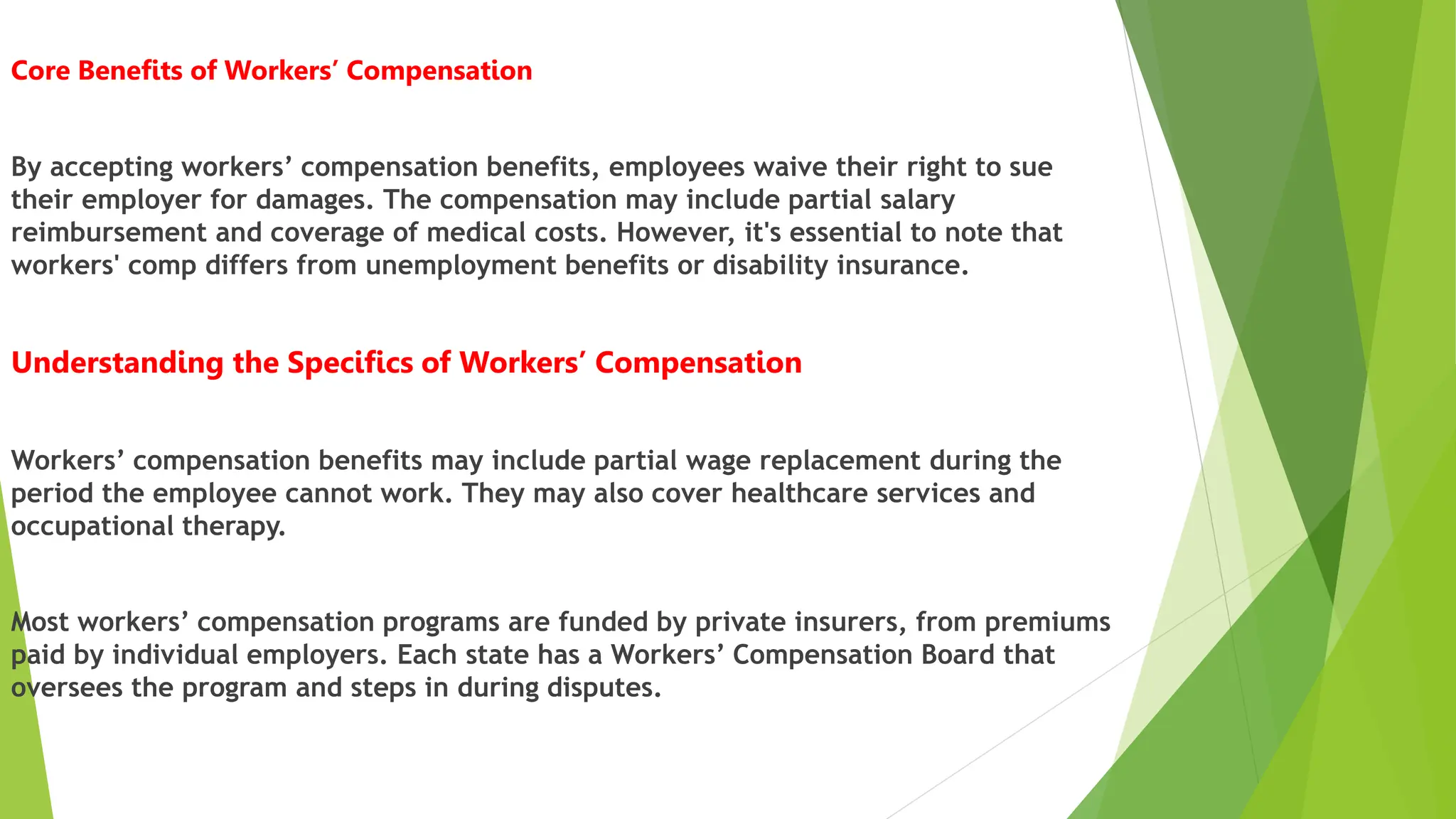
To effectively utilize a practice primer, one must grasp the "exclusive remedy" doctrine, which serves as the cornerstone of the system. In exchange for providing guaranteed medical coverage and wage replacement, employers are generally protected from civil lawsuits arising from workplace injuries. A practice primer details how this immunity functions and where the exceptions lie, such as instances of gross negligence or intentional harm.
Key Jurisdictional Variations
Because workers compensation is not governed by a single federal mandate, practice primers emphasize the following variables:
- Waiting Periods: The specific number of days an employee must be disabled before temporary disability benefits begin.
- Choice of Physician: Whether the employer, the insurance carrier, or the employee has the legal right to select the treating medical provider.
- Permanent Partial Disability (PPD) Calculations: How states assign monetary values to specific body parts or functional limitations.
Navigating the Claims Management Lifecycle
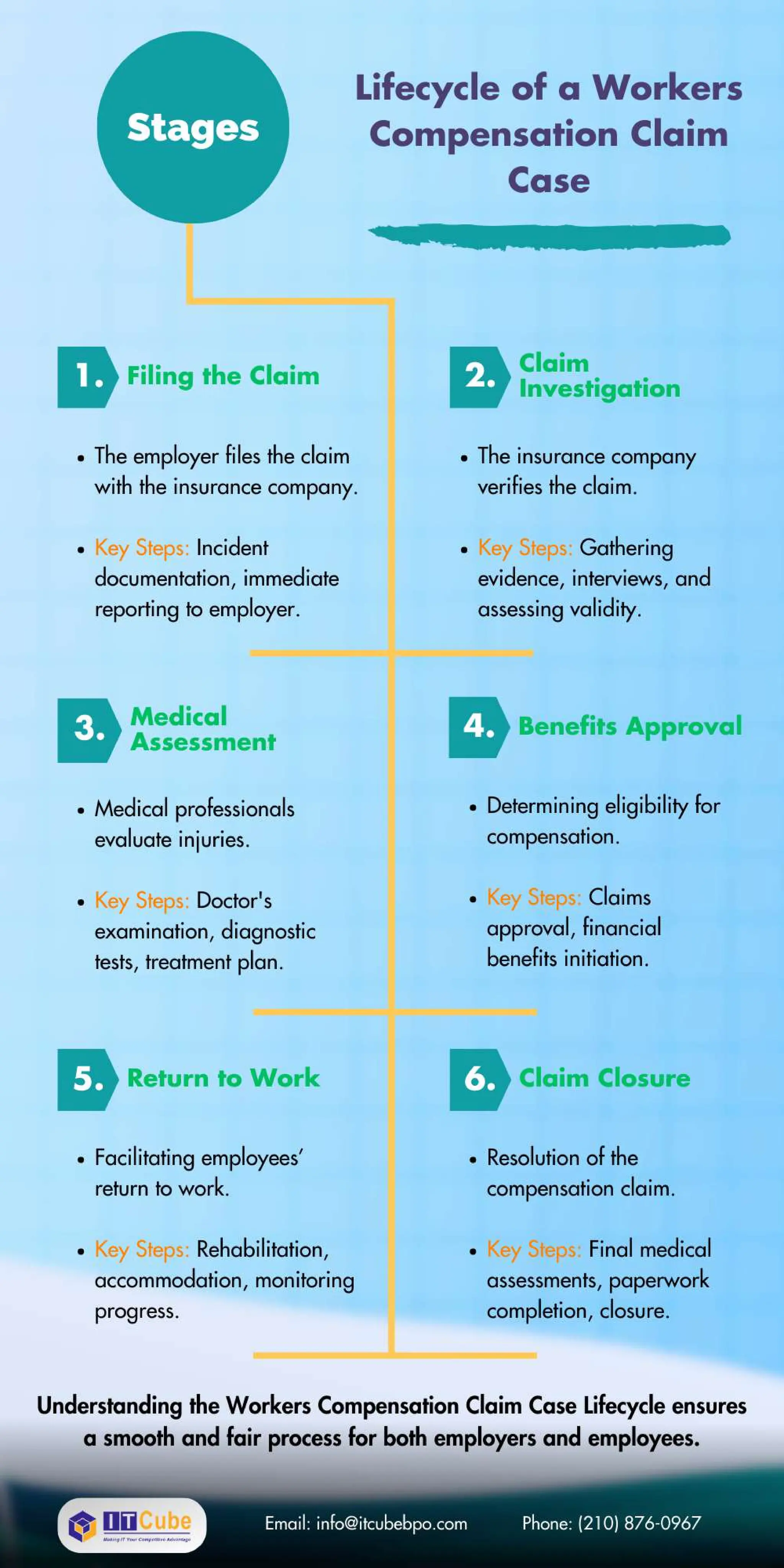
The lifecycle of a claim is the most critical section in any practice primer. Understanding this sequence is vital for preventing procedural errors that lead to denied claims or regulatory penalties.
- Notice of Injury: The employee must provide timely notice to the employer. A primer will clarify the statutory window for this notice (e.g., 30 days in many jurisdictions).
- Employer Filing: The employer is responsible for reporting the incident to their workers compensation insurance carrier and the state’s Workers Compensation Board or Commission.
- Compensability Determination: The carrier evaluates whether the injury arose "out of and in the course of employment." This is the stage where the most legal friction occurs, involving medical record reviews and potential independent medical examinations (IMEs).
- Benefits Administration: If accepted, the process moves into the payment of medical bills and periodic disability checks.
- Maximum Medical Improvement (MMI): This milestone signifies the point at which an injured worker’s condition is stable and unlikely to improve further, triggering final settlement negotiations or permanent disability assessments.
Administrative Compliance and Reporting Requirements
Failure to adhere to the reporting timelines detailed in a practice primer can lead to significant administrative fines. Regulatory bodies, such as the New York Workers' Compensation Board or the California Division of Workers' Compensation, strictly enforce these deadlines to prevent the erosion of evidence and to protect the rights of the injured worker.
| Phase | Responsibility | Key Documentation |
|---|---|---|
| Initial Report | Employer | First Report of Injury (FROI) |
| Medical Evaluation | Physician | Form C-4 or State Medical Report |
| Benefit Commencement | Carrier | Notice of Compensation Payable |
| Dispute Resolution | Legal/Parties | Application for Hearing |
Managing Risks and Disputes
When a claim is contested, a practice primer becomes a vital tool for attorneys and claims adjusters. It outlines the hierarchy of the dispute resolution process. Typically, this begins with informal mediation or a pre-hearing conference intended to settle the matter without formal litigation. If resolution fails, the primer guides the practitioner through the formal hearing process before an administrative law judge.
Crucially, these primers explain the evidentiary standards. In most states, the rules of evidence are more relaxed in workers compensation hearings than in civil court, but the burden of proof remains on the claimant to demonstrate that their condition is work-related. Expert medical testimony, often analyzed through the lens of a primer’s section on "causation," is usually the deciding factor.
Common Pitfalls and Troubleshooting
Practitioners often encounter challenges that can jeopardize a claim or a defense. By consulting a practice primer, professionals can avoid common errors:
- Misclassification of Independent Contractors: One of the most frequent legal disputes involves whether an individual is a true independent contractor or a statutory employee. Primers provide the "control test" factors used by state courts to make this determination.
- Incomplete Medical Records: A common failure in claims management is the lack of a clear causal link in medical documentation. A primer will offer templates or checklists to help medical providers document the relationship between the workplace activity and the resulting diagnosis.
- Failure to Manage Light-Duty Return: Many claims linger because of a failure to facilitate the "return to work." Primers often emphasize the importance of identifying light-duty tasks that comply with the physician’s restrictions, which can significantly reduce the duration of disability payments.
Legal and Medical Professional Disclaimer
The information provided here is for educational purposes and reflects the general structure of workers compensation practice. It does not constitute legal or medical advice. Because workers compensation laws vary drastically by jurisdiction—and even by the nature of the employment contract—professionals should always consult the specific state statutes and the latest edition of their regional practice primer for the most current legal requirements.
Frequently Asked Questions
What is the difference between a workers compensation primer and a statute book? A statute book provides the literal text of the laws passed by the legislature. A practice primer provides the application of those laws, including interpretation by courts, administrative procedures, and practical advice for navigating the system.
Can an employer be sued outside of the workers compensation system? Generally, no. This is known as the "exclusive remedy." However, exceptions exist in most states for intentional torts or in instances where an employer failed to maintain the required insurance coverage, which may strip the employer of their statutory immunity.
How is a "work-related injury" defined? Generally, an injury must arise "out of" (the injury was caused by the job) and "in the course of" (the injury happened while performing work duties) employment. Primers detail the specific case law that defines the boundaries of these terms, such as whether injuries during a lunch break are compensable.
What happens if a state board finds an employer did not carry insurance? This is a critical regulatory breach. Most states have an Uninsured Employers' Fund to pay the injured worker, but the employer will face severe civil and potentially criminal penalties, including the forced cessation of business operations.
How does a practice primer help in settlement negotiations? By providing standardized methodologies for calculating permanent disability, a primer helps both the claimant and the insurer determine a fair "value" for a case, facilitating settlement agreements that avoid the costs of a prolonged hearing.
Next Steps for Practitioners
If you are tasked with managing workers compensation claims, your immediate next action should be to acquire the specific Practice Primer published for your jurisdiction. Most state bar associations offer annual updates that include changes in benefit rates and administrative rule modifications. Once obtained, conduct a gap analysis of your current claim-handling procedures against the workflows outlined in the primer to ensure your organization is fully compliant with 2026 regulations.
Image Gallery