Honoring the 2012 Aurora Theater Shooting Victims: A Legacy of Courage and Remembrance
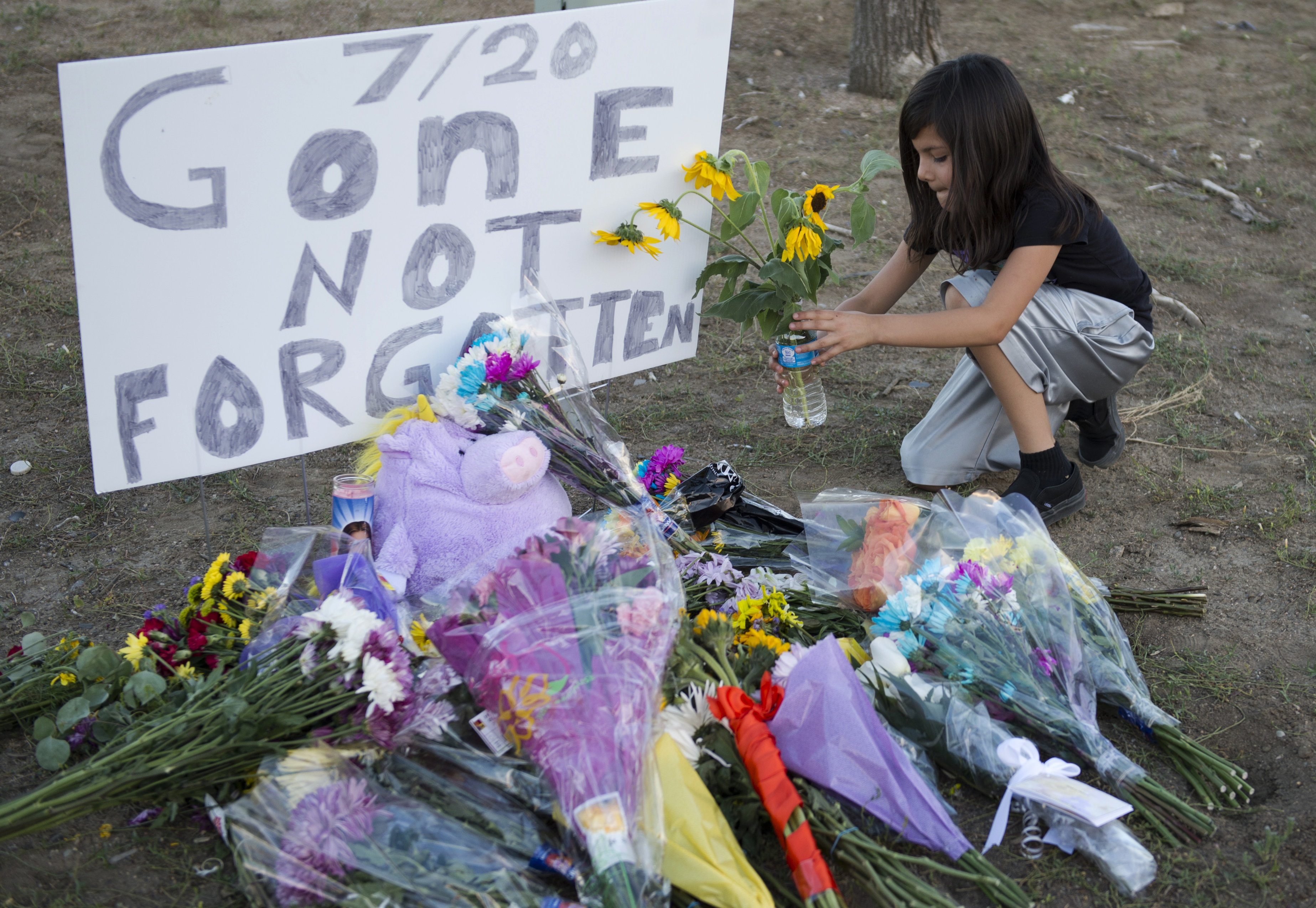
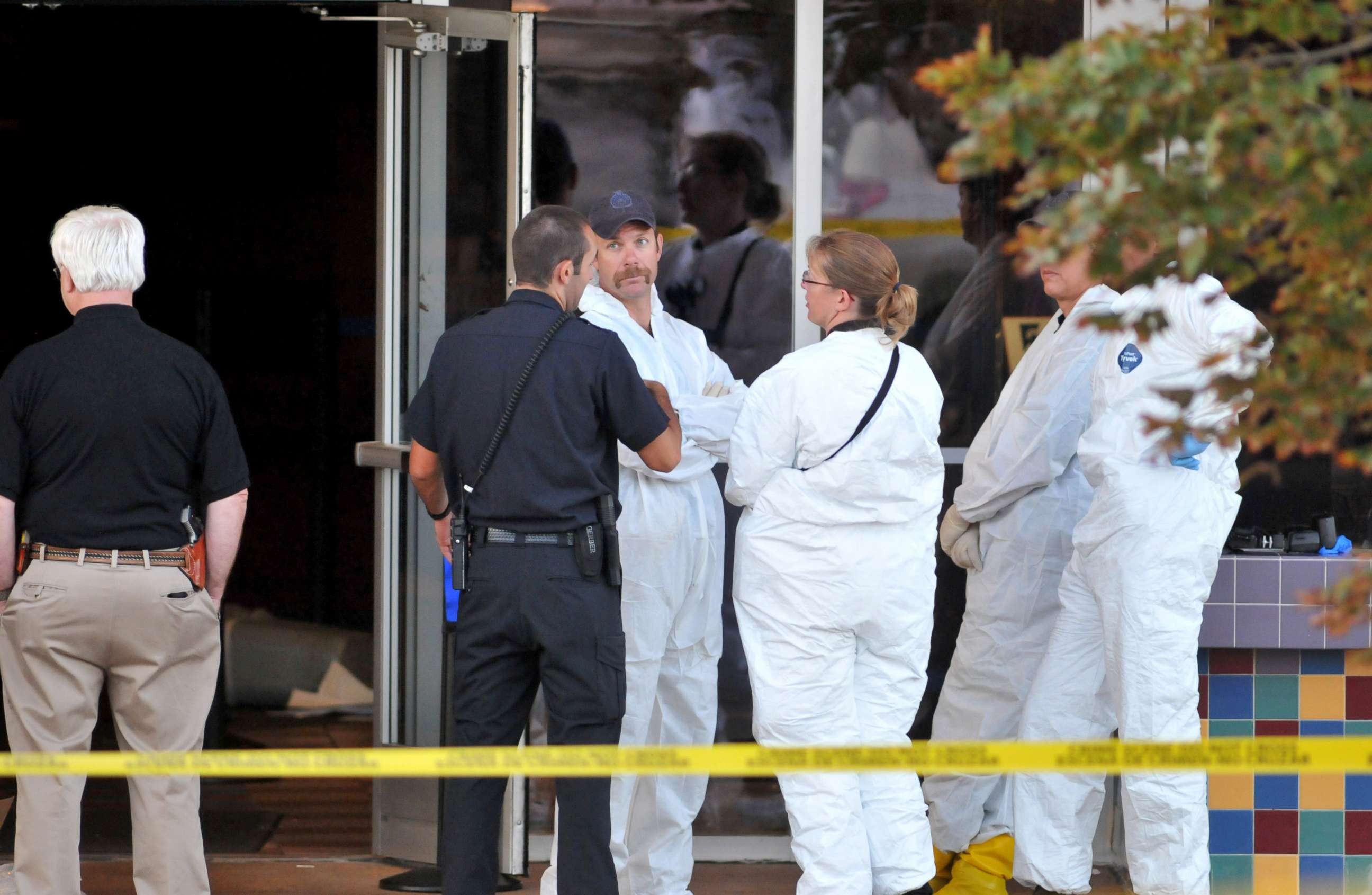
The 2012 Aurora theater shooting resulted in the deaths of 12 individuals and caused injuries to 70 others during a midnight screening of The Dark Knight Rises. As of 2026, the community continues to honor these victims through the 7/2...
The 2012 Aurora theater shooting resulted in the deaths of 12 individuals and caused injuries to 70 others during a midnight screening of The Dark Knight Rises. As of 2026, the community continues to honor these victims through the 7/20 Memorial Foundation and the "No Notoriety" movement, ensuring their stories of heroism and potential remain the focal point of the tragedy’s history.
Contents
On July 20, 2012, the city of Aurora, Colorado, became the site of one of the most significant mass shootings in United States history. While the legal proceedings against the perpetrator concluded years ago, the focus for the families, the city, and the nation remains steadfastly on the twelve lives cut short and the dozens of survivors who continue to navigate the physical and emotional aftermath. Fourteen years later, the legacy of the Aurora victims is defined not by the violence of that night, but by the resilience of the community and the lasting impact of the "No Notoriety" protocol, which advocates for focusing on the victims rather than the individuals who commit these acts.
The Twelve Lives Lost: Profiles in Courage and Potential
To understand the impact of the Aurora shooting, one must look closely at the twelve individuals who were killed. They represented a cross-section of society: service members, students, parents, and young professionals. Each had a unique story that was tragically interrupted.
Jonathan Blunk, 26
A Navy veteran who had served three tours in the Persian Gulf and North Arabian Sea, Jonathan Blunk was known for his protective nature. On the night of the shooting, his first instinct was to shield his girlfriend, Jansen Young, by pushing her under the theater seats and covering her with his body. His actions saved her life. Blunk was an aspiring Navy SEAL and left behind two children.
Alexander J. "AJ" Boik, 18
AJ Boik had recently graduated from Gateway High School and was preparing to attend the Rocky Mountain College of Art and Design. Known for his vibrant personality and talent for ceramics, Boik was a beloved figure among his peers. His family and friends remember him as someone who could light up any room with his humor and creativity.
Jesse Childress, 29
A staff sergeant in the Air Force Reserve, Jesse Childress was an intelligence specialist based at Buckley Air Force Base. He was described by his colleagues as an invaluable member of his unit and a dedicated friend. Like several others in the theater, Childress died while attempting to protect those around him, embodying the service-oriented life he led.
Gordon Cowden, 51
The oldest victim of the shooting, Gordon Cowden was a father of two who had taken his teenage daughters to the midnight screening. He was a small business owner known for his kindness and quick wit. His family described him as a "true Texas gentleman" who loved the outdoors and was deeply devoted to his children.
Jessica Ghawi, 24
An aspiring sports journalist who went by the name Jessica Redfield, Ghawi had narrowly escaped a shooting at a Toronto mall just a month prior. Her blog post following the Toronto incident, reflecting on the fragility of life, became a poignant reminder of her perspective. She moved to Denver to pursue her career and was known for her energy and passion for hockey.
John Larimer, 27
John Larimer was a Navy petty officer third class and a cryptologic technician stationed at Buckley Air Force Base. Originally from Crystal Lake, Illinois, Larimer was the youngest of five siblings. He was remembered by his commanding officers as an outstanding sailor and a young man with a bright future in the military.
Matt McQuinn, 27
Matt McQuinn’s final act was one of ultimate sacrifice. When the gunfire began, he shielded his girlfriend, Samantha Yowler, with his body. While Yowler was injured, she survived because of McQuinn’s intervention. The couple had moved to Colorado from Ohio to start a new life together.
Micayla Medek, 23
Micayla Medek, who often went by "Cayla," was a student at the Community College of Aurora and worked at a local Subway. She was a fan of the Hello Kitty brand and was remembered for her gentle spirit and love for her family. Her loss left a profound hole in the lives of her parents and siblings.
Veronica Moser-Sullivan, 6
The youngest victim of the shooting, Veronica had just started school and was excited to see the movie. Her death became one of the most heartbreaking symbols of the tragedy. Her mother, Ashley Moser, was also severely injured in the shooting, suffering complications that resulted in a miscarriage and permanent paralysis.
Alex Sullivan, 27
Alex Sullivan was celebrating his 27th birthday and his first wedding anniversary on the night of the shooting. He was a huge fan of movies and comic books. His father, Tom Sullivan, later became a prominent advocate for gun safety and was elected to the Colorado House of Representatives, turning his grief into a career dedicated to public service.
Alexander C. Teves, 24
Alex Teves had recently earned his master’s degree in counseling from the University of Denver. He was known for his dedication to helping at-risk youth. Teves died while shielding his girlfriend, Amanda Lindgren. His parents, Caren and Tom Teves, went on to found the "No Notoriety" movement to discourage the media from focusing on mass shooters.
Rebecca Wingo, 32
A mother of two daughters and an Air Force veteran, Rebecca Wingo was a person of many talents. She worked as a customer service representative and was enrolled in community college. She was remembered by friends for her intelligence, her infectious laugh, and her deep love for her children.
The Injured and the Survivors: A Long Path to Recovery
While 12 lives were lost, 70 others were injured, many of whom faced years of surgeries, physical therapy, and psychological counseling. In 2026, the medical community still looks at the Aurora shooting as a case study in both trauma surgery and the long-term management of mass casualty survivors.
The injuries sustained ranged from minor shrapnel wounds to life-altering conditions. Caleb Medley, a young aspiring comedian, suffered a gunshot wound to the head that resulted in the loss of his left eye, permanent brain damage, and the loss of his ability to walk and speak clearly. His journey became a focal point for the community's fundraising efforts, as he lacked health insurance at the time of the shooting.
Beyond the physical wounds, the psychological impact of the event created a "shadow" list of victims. PTSD (Post-Traumatic Stress Disorder) has affected hundreds of people who were in the theater that night, as well as first responders. Aurora’s mental health resources were significantly expanded in the years following 2012 to address this ongoing need, establishing a model for community-based trauma response.
The 7/20 Memorial: The Garden of Resilience
In 2026, the 7/20 Memorial stands as a permanent fixture in the Aurora Municipal Center’s Great Lawn. Titled "Ascentiate," the memorial features 83 abstract cranes—representing the 12 deceased and the 71 injured (including one individual who was injured but not by gunfire).
| Feature | Description | Symbolism |
|---|---|---|
| The Cranes | 83 stylized metal cranes | Represents the souls of the victims and the survivors. |
| The Garden | Xeriscaped "Garden of Resilience" | Symbolizes growth and life emerging from harsh conditions. |
| The Podiums | 12 individual markers | Dedicated to the specific stories and legacies of the deceased. |
| Reflection Area | Quiet seating and pathways | Designed for meditation and communal grieving. |
The memorial was the result of years of collaboration between the victims' families and the City of Aurora. It serves not only as a place of mourning but also as a venue for an annual "Midnight Vigil" and the "7/20 Memorial 5K," which raises funds for local mental health initiatives.
Legislative and Social Impact: The "No Notoriety" Movement
Perhaps the most significant national impact of the Aurora shooting victims is the "No Notoriety" movement. Founded by Caren and Tom Teves in honor of their son, Alex, the movement challenges media organizations to limit the use of a shooter’s name and likeness.
The core principles of No Notoriety include:
- Limiting the Name/Image: Only using the perpetrator's name when necessary for public safety or during the initial manhunt.
- Focusing on Victims: Shifting the narrative to the lives of those impacted and the heroism of first responders.
- Refusing to Publish Manifestos: Avoiding the dissemination of the perpetrator's "why" to prevent copycat incidents.
By 2026, many major news outlets have adopted versions of these guidelines. Additionally, the Aurora shooting prompted significant changes in Colorado state law, including the 2013 passage of universal background checks and limits on high-capacity magazines.
Summary of the Aftermath and Legal Resolution
The legal journey for the families was long and arduous. In 2015, the perpetrator was sentenced to 12 consecutive life sentences plus 3,318 years in prison without the possibility of parole. While some families initially sought the death penalty, the finality of the life sentences provided a degree of closure, ensuring the individual would never again have a platform or freedom.
Civil litigation against the theater chain, Cinemark, focused on whether the security measures in place were adequate. While the courts eventually ruled in favor of the theater, the case sparked a national conversation about security in public spaces, leading to the widespread adoption of bag checks and "no mask" policies in cinemas across the country.
Frequently Asked Questions
Who were the 12 people killed in the Aurora shooting? The victims were Jonathan Blunk, Alexander J. Boik, Jesse Childress, Gordon Cowden, Jessica Ghawi, John Larimer, Matt McQuinn, Micayla Medek, Veronica Moser-Sullivan, Alex Sullivan, Alexander C. Teves, and Rebecca Wingo. They ranged in age from 6 to 51.
How many people were injured in the 2012 Aurora shooting? A total of 70 people were injured. Of these, 58 were injured by gunfire, while others sustained injuries during the chaotic evacuation of the theater. The total number of casualties (killed and injured) is often cited as 82 or 83, depending on the inclusion of an unborn child lost due to the mother's injuries.
What is the "No Notoriety" movement? It is a campaign started by the parents of victim Alex Teves. It urges the media to stop focusing on the names and faces of mass shooters, arguing that the promise of fame motivates others to commit similar crimes. Instead, they advocate for focusing on the victims.
Is there a memorial for the Aurora shooting victims? Yes, the 7/20 Memorial, titled "Ascentiate," is located in the Garden of Resilience at the Aurora Municipal Center. It was dedicated in 2018 and serves as a permanent site for reflection and remembrance.
How did the Aurora shooting change Colorado laws? The shooting was a catalyst for the 2013 Colorado gun control package, which included mandatory background checks for all gun transfers and a ban on magazines that hold more than 15 rounds of ammunition.
Recommended Next Actions
For those wishing to honor the victims or support the ongoing efforts in Aurora, consider the following actions:
- Support the 7/20 Memorial Foundation: This non-profit continues to maintain the memorial and provides scholarships and mental health support.
- Observe No Notoriety Guidelines: When discussing public tragedies, focus your social media presence on the stories of the victims rather than the perpetrator.
- Mental Health Advocacy: Support local organizations that provide trauma-informed care for survivors of violence.
Image Gallery