The Rise of MMPR Dinozords in Modern Media: A Cultural Evolution
The Mighty Morphin Power Rangers (MMPR) Dinozords, initially introduced in the 1993 television series, have transcended their origins as localized tokusatsu-inspired robot vehicles to become enduring pillars of global pop culture. Thei...
The Mighty Morphin Power Rangers (MMPR) Dinozords, initially introduced in the 1993 television series, have transcended their origins as localized tokusatsu-inspired robot vehicles to become enduring pillars of global pop culture. Their resurgence in modern media is defined by high-fidelity legacy merchandising, recurring appearances in multi-platform reboots, and their status as aesthetic anchors for the expansive Power Rangers multimedia franchise.
Contents
The Historical Foundation of the Dinozord Aesthetic
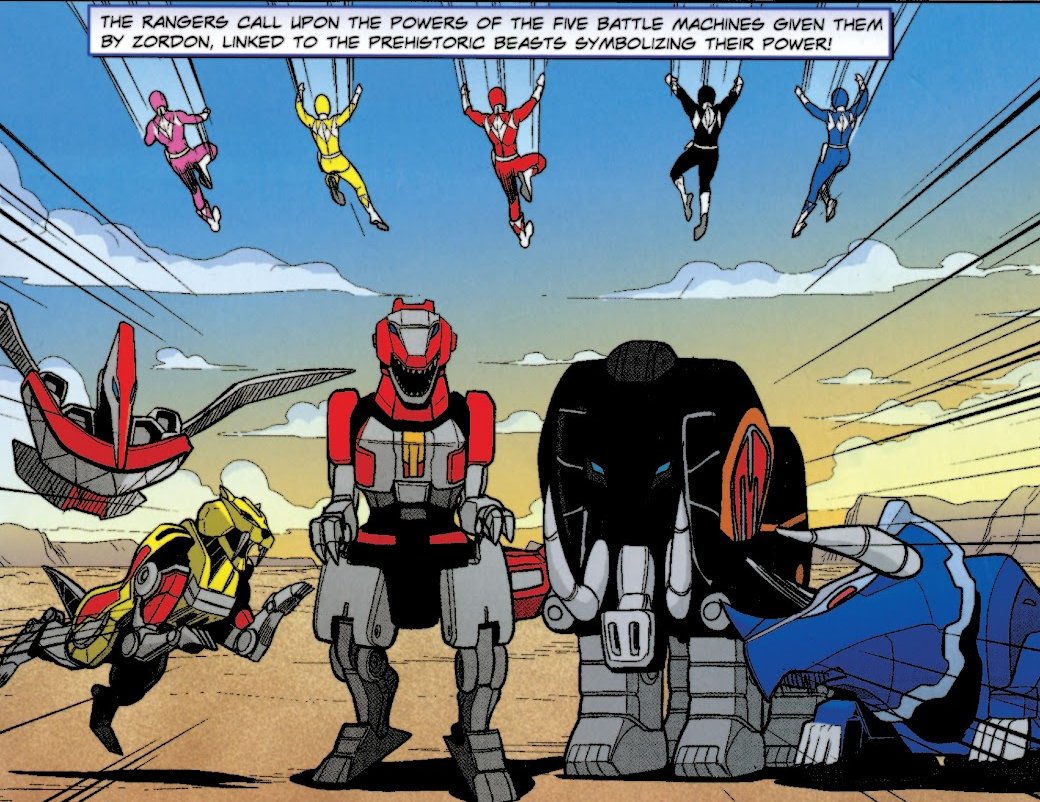
To understand the current prominence of the Dinozords, one must identify their origins within the Super Sentai series Kyōryū Sentai Zyuranger. When Saban Entertainment adapted this footage for Western audiences in 1993, the Dinozords—the Tyrannosaurus, Mastodon, Triceratops, Saber-Toothed Tiger, and Pterodactyl—served as the immediate visual shorthand for the Power Rangers brand.
Unlike later iterations of Zords that adopted sleeker, more futuristic designs, the original Dinozords were defined by a chunky, "armored animal" aesthetic. This design language has proven to be the most resilient in the franchise’s history. In 2026, the cultural impact of these designs remains significant because they bridge the gap between "retro" nostalgia and modern industrial design, appealing simultaneously to the original 1990s audience and a new generation of viewers exposed to these legacy forms via digital streaming and archival media.
Integration into Modern Multimedia Formats
The "rise" of these entities in the current media landscape is not merely a repetition of old footage but a strategic integration into various high-end production formats:
- Streaming and Archival Availability: Platforms like Netflix have ensured that the original Mighty Morphin Power Rangers series remains accessible, maintaining the cultural relevancy of the Dinozords. This constant availability prevents the "generational gap" that often plagues long-running franchises.
- The 2017 Cinematic Reimagining: The Power Rangers feature film directed by Dean Israelite, while a distinct continuity, utilized the original Dinozord concepts as the foundation for its alien-tech aesthetic. This demonstrated that the intellectual property of the Dinozords is flexible enough to be redesigned for a modern blockbuster scale without losing its recognizability.
- Video Games and Interactive Media: Modern titles have moved beyond basic 2D fighters. Games such as Power Rangers: Battle for the Grid feature the Dinozords not just as background elements, but as integral gameplay mechanics, utilizing 3D assets that adhere closely to the original designs while meeting contemporary polygon count and texture standards.
The Economics of Nostalgia: Merchandising and High-End Collectibles
In 2026, the commercial weight of the Dinozords rests heavily on the high-end collector market. The shift from low-cost plastic toys to "adult collector" lines—most notably the Lightning Collection and various premium-tier diecast releases—has solidified the Dinozords as luxury display items.
These products are no longer marketed as "disposable" toys but as sophisticated design pieces. Manufacturers now focus on articulation, premium paint applications, and accuracy to the source material. For a modern consumer, the value proposition has shifted from "playability" to "display fidelity." This market movement sustains the brand's visibility in retail spaces and specialized hobby shops, ensuring the Dinozords remain at the forefront of the Power Rangers identity.
Comparative Analysis of Zord Design Eras
| Zord Era | Primary Aesthetic | Target Demographic | Modern Utility |
|---|---|---|---|
| MMPR Dinozords | Prehistoric/Armor | Nostalgic Adults/Children | High Brand Recognition |
| Mid-Era (2000s) | Sleek/Vehicle Hybrid | Youth Demographic | Minimal Legacy Value |
| Modern/Reboot | Alien/Fractal | Broad Market | Visual Experimentation |
The table above illustrates why the original Dinozords continue to see a rise in usage compared to mid-era iterations. Their "Prehistoric/Armor" profile provides a distinct visual silhouette that is easier for modern audiences to identify as "Power Rangers" than the more experimental designs that followed.
Challenges in Preservation and Modernization
The primary challenge for rights holders in 2026 is balancing modernization with the strict aesthetic requirements of the fanbase. Modern media often mandates a "glossy" finish, which can clash with the matte, plastic-heavy aesthetic of the 1990s originals.
When studios attempt to modernize the Dinozords, they face the "Uncanny Valley" of nostalgia. If the designs deviate too far, they lose the essential "Dinozord" character; if they remain too identical, they may fail to capture the interest of audiences accustomed to high-end CGI. The current success of the franchise lies in its tendency to keep the core silhouettes identical while upgrading the technical specifications—such as internal mechanics or digital texturing—without altering the iconic color palettes.
Navigating the Future of the Franchise
Looking toward upcoming projects, the Dinozords act as the anchor point for potential universe expansions. Whether in comics, television spin-offs, or virtual reality experiences, the Dinozords serve as a "safe" entry point for audiences. As of 2026, the strategy appears to be a "multiversal" approach, where the original Dinozords can coexist with newer iterations, preventing the brand from becoming stagnant while preserving the core visual language that built the franchise.
Frequently Asked Questions
Why are the original Dinozords still the face of the Power Rangers? The original Dinozords are the primary visual identifier for the brand due to their early association with the series' peak cultural penetration. They represent a "Goldilocks" design zone: recognizable as both dinosaurs and mechanical robots, which provides a broad appeal that later, more abstract Zords have struggled to replicate.
Are there differences between the show versions and the modern toy versions? Yes. Modern toys, specifically those released from 2020 onward, feature significantly higher levels of engineering. They prioritize joints, screen-accurate paint masks, and high-density plastic, whereas the 1993 originals were designed primarily for modularity and durability within a lower price point.
How is the Dinozord aesthetic protected legally? The Dinozord designs, including their individual names and the combined "Megazord" form, are protected under extensive copyright and trademark law held by the current owners of the Power Rangers intellectual property. These rights cover everything from the specific mechanical design to the color schemes of each component.
What is the best way to start a Dinozord collection in 2026? The best entry point is the current wave of high-end collector lines. These products often come with documentation regarding their place in the "legacy" chronology. Researching the specific manufacturer's product roadmap for the current year is recommended to avoid inflated secondary market prices for discontinued lines.
Recommendation for Enthusiasts and Creators
For those looking to engage with the Dinozords in 2026, the most effective path is to focus on the "Legacy" and "Lightning Collection" lines for physical items, and official high-definition streaming services for visual content. Avoid unverified third-party "knock-off" figures, as these often lack the structural integrity and aesthetic fidelity of the officially licensed products, which are designed to withstand long-term display. If you are a creator using these designs, ensure all usage conforms to the fair use policies applicable to your specific region, as the Power Rangers brand is aggressively protected.
Image Gallery