Workers’ Compensation in Oxnard, CA: A Comprehensive Guide to Benefits and Claims
Workers’ compensation in Oxnard, CA, is a state-mandated insurance system designed to provide medical care, wage replacement, and rehabilitation benefits to employees injured on the job. Operating under a "no-fault" framework, it ensur...
Workers’ compensation in Oxnard, CA, is a state-mandated insurance system designed to provide medical care, wage replacement, and rehabilitation benefits to employees injured on the job. Operating under a "no-fault" framework, it ensures Ventura County workers receive support regardless of who caused the accident while protecting employers from costly civil litigation.
Contents
The Foundation of Workers’ Compensation in California
In 2026, the California workers’ compensation system remains a critical safety net for the diverse workforce in Oxnard, ranging from agricultural laborers and manufacturing staff to healthcare professionals and retail workers. The core philosophy of the system is the "compensation bargain." In this arrangement, employees give up their right to sue their employers for negligence in exchange for guaranteed, albeit limited, benefits for work-related injuries or illnesses.
Because California is a no-fault state, an injured worker in Oxnard does not need to prove that their employer’s carelessness caused the injury. As long as the injury arose out of employment and occurred during the course of employment (AOE/COE), the worker is eligible for benefits. This covers everything from sudden accidents, like a fall in a warehouse near the Port of Hueneme, to cumulative trauma injuries, such as carpal tunnel syndrome or respiratory issues developed over years of exposure in an industrial setting.
For employers in Oxnard, carrying workers’ compensation insurance is not optional. Even a business with a single employee must provide coverage. Failure to do so is a criminal offense under California Labor Code Section 3700 and can result in massive fines, stop-work orders, and personal liability for the employer if an injury occurs.
Essential Benefits for Oxnard Workers
The benefits provided under the California workers’ compensation system are standardized across the state, but navigating them requires an understanding of how they apply to your specific medical and financial situation.
Medical Care
The most immediate benefit is the payment for medical treatment. Employers or their insurance carriers are required to pay for all "reasonable and necessary" medical care to cure or relieve the effects of the injury. This includes doctor visits, hospital stays, surgeries, physical therapy, and prescription medications. In Oxnard, most employers utilize a Medical Provider Network (MPN), which is a group of physicians pre-approved by the insurer. Unless it is an emergency, you generally must seek treatment from a doctor within this network to ensure your bills are covered.
Temporary Disability (TD)
If your injury prevents you from performing your usual job duties while recovering, you may be eligible for Temporary Disability benefits. These payments are designed to replace a portion of your lost income. Generally, TD payments equal two-thirds of your average weekly gross wages, subject to minimum and maximum limits set by the state. As of 2026, these limits are adjusted annually based on the State Average Weekly Wage. TD payments usually continue until you return to work or a doctor declares your condition "permanent and stationary."
Permanent Disability (PD)
If you do not fully recover and are left with lasting physical or mental limitations, you may be entitled to Permanent Disability benefits. The amount is determined by a "disability rating." This rating is a percentage that reflects how much your injury affects your ability to work and compete in the labor market. Factors influencing this rating include the nature of the injury, your age, your occupation at the time of injury, and medical reports from your treating physician or a Qualified Medical Evaluator (QME).
Supplemental Job Displacement Benefit (SJDB)
Also known as a "retraining voucher," this benefit is available if you have a permanent partial disability and your employer does not offer you regular, modified, or alternative work. In 2026, this voucher is typically worth $6,000 and can be used for tuition, books, and professional certification at state-approved schools.
Death Benefits
In the tragic event of a work-related fatality, workers’ compensation provides financial support to the deceased worker’s dependents. This includes burial expenses and weekly payments to spouses or children, with the total amount depending on the number of dependents.
Comparative Summary of Workers' Compensation Benefits
| Benefit Type | Primary Purpose | Eligibility Criteria | Payment/Coverage Limits |
|---|---|---|---|
| Medical Care | Physical recovery | Any work-related injury | $10,000 interim cap; unlimited after claim approval |
| Temporary Disability | Wage replacement | Unable to work for >3 days | 2/3 of gross wages; max 104 weeks for most injuries |
| Permanent Disability | Long-term support | Lasting impairment (P&S status) | Based on disability % rating and date of injury |
| SJDB Voucher | Vocational retraining | Employer offers no alternative work | Fixed at $6,000 for education and tools |
| Death Benefits | Dependent support | Work-related fatality | Varies by number of total/partial dependents |
Steps to Take After a Workplace Injury in Oxnard
The actions you take immediately following an injury are vital to the success of your claim. Procedural errors or delays can lead to benefit denials or disputes.
- Report the Injury Immediately: You must notify your supervisor or employer as soon as possible. Under California law, if you fail to report the injury within 30 days, you may lose your right to benefits.
- Seek Emergency Medical Attention: If your injury is severe, go to the nearest emergency room, such as St. John’s Regional Medical Center. Inform the medical staff that your injury is work-related.
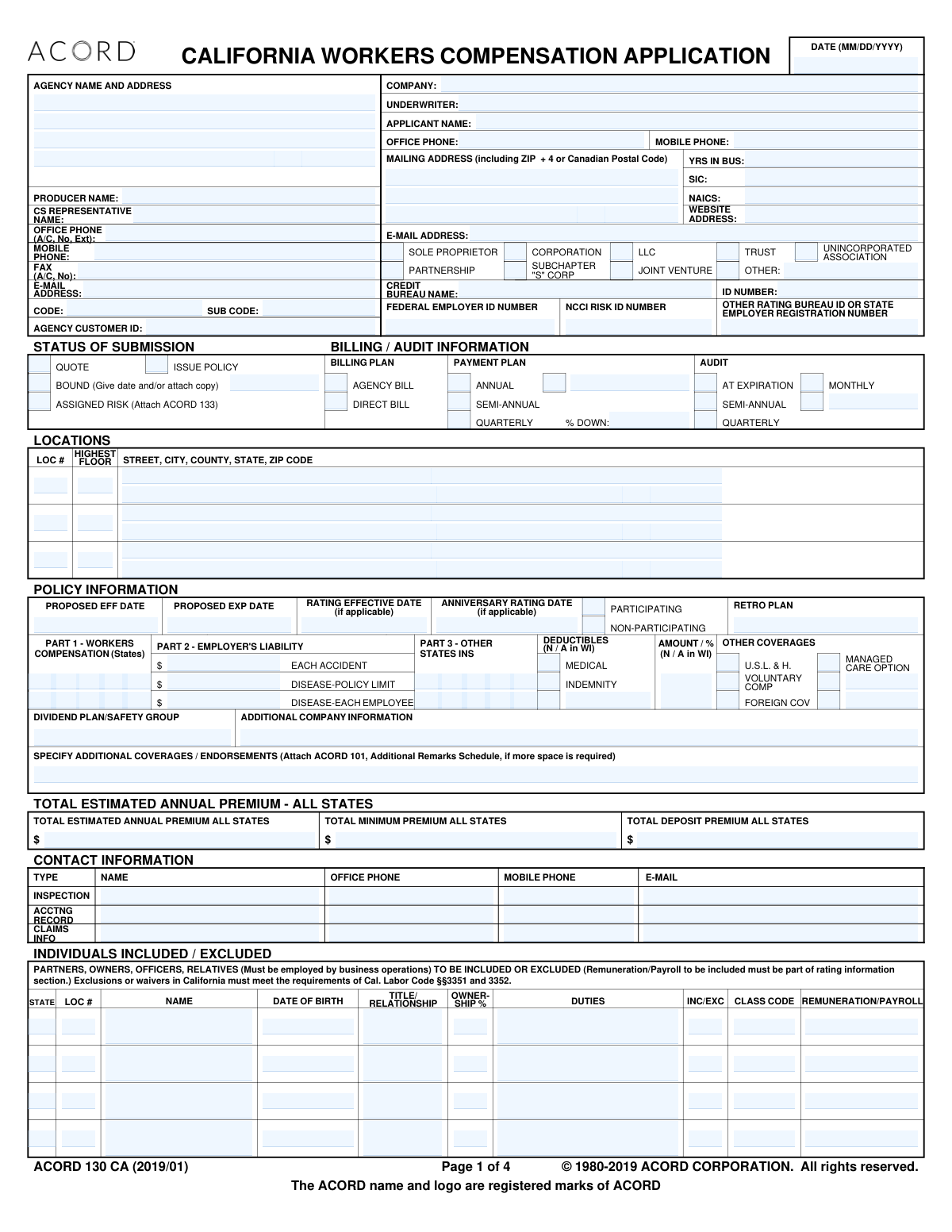
- File Form DWC-1: Your employer is required to give you a Workers' Compensation Claim Form (DWC-1) within one working day of learning about your injury. Fill out the "employee" section and return it to your employer. This officially starts the claims process.
- The "First $10,000" Rule: While the insurance company investigates your claim (which can take up to 90 days), they are required to authorize up to $10,000 in medical treatment. Do not delay your care while waiting for a final decision on claim "acceptance."
- Attend All Appointments: Consistency in medical treatment is essential. Missed appointments can be used by the insurance company as evidence that you are not actually injured or that your condition has resolved.
The Role of the Oxnard District Office
For residents of Oxnard and surrounding Ventura County cities like Camarillo and Ventura, the local hub for legal proceedings is the Division of Workers’ Compensation (DWC) District Office in Oxnard.
- Location: 1901 N. Solar Drive, Suite 190, Oxnard, CA 93036.
- Purpose: This office houses the Workers’ Compensation Appeals Board (WCAB). If your claim is denied or if there is a dispute regarding the extent of your disability, your case will be heard here by a Workers’ Compensation Administrative Law Judge.
The Oxnard District Office also provides Information and Assistance (I&A) officers. These individuals are state employees who help unrepresented workers understand their rights, fill out forms, and navigate the complexities of the system without charge. However, they cannot provide legal advice or represent you in a trial.
Common Challenges and Claim Denials
Even legitimate claims in Oxnard are frequently contested by insurance carriers looking to minimize costs. Understanding common reasons for denial can help you prepare a stronger case.
- Post-Termination Claims: If you file a claim after being laid off or fired, the insurance company will likely deny it unless you can prove the employer was notified of the injury prior to the termination or that medical records exist documenting the injury before you left.
- Pre-existing Conditions: Insurers often argue that your current symptoms are the result of an old injury rather than your job. In these cases, a medical legal evaluator must perform an "apportionment" analysis to determine what percentage of your disability is truly work-related.
- Independent Contractor Misclassification: Some Oxnard employers attempt to label workers as independent contractors to avoid paying for workers’ compensation. However, under California's AB 5 and subsequent rulings, most workers are legally considered employees unless the hiring entity can satisfy the "ABC test."
- Intoxication or Horseplay: While the system is no-fault, benefits can be denied if the injury was caused by the employee's intoxication or "willful" participation in horseplay that deviated from job duties.
Legal Representation and Labor Code 132a
In complex cases—especially those involving permanent disability or surgery—hiring a workers' compensation attorney is often advisable. In California, these attorneys work on a contingency fee basis, usually receiving 12% to 15% of your final settlement. They do not charge upfront fees, and their fees must be approved by a judge.
Furthermore, Oxnard workers are protected by California Labor Code Section 132a, which makes it illegal for an employer to discriminate against, harass, or fire an employee for filing a workers’ compensation claim. If your employer retaliates against you, you may be entitled to an increased compensation award (up to $10,000) and reinstatement to your position.
Frequently Asked Questions
Can I see my own doctor for a work injury in Oxnard?
Generally, you must see a doctor within the insurance company’s Medical Provider Network (MPN). However, if you "pre-designated" your personal physician in writing with your employer before the injury occurred, you may be able to treat with them. This pre-designation must meet specific criteria, such as the doctor having your medical records on file and agreeing to the arrangement.
How long do I have to file a claim in California?
While you should report the injury within 30 days, the formal statute of limitations for filing a claim is generally one year from the date of injury. For cumulative trauma (like repetitive stress), the clock starts when you first became aware that your disability was caused by your work.
What happens if my claim is denied?
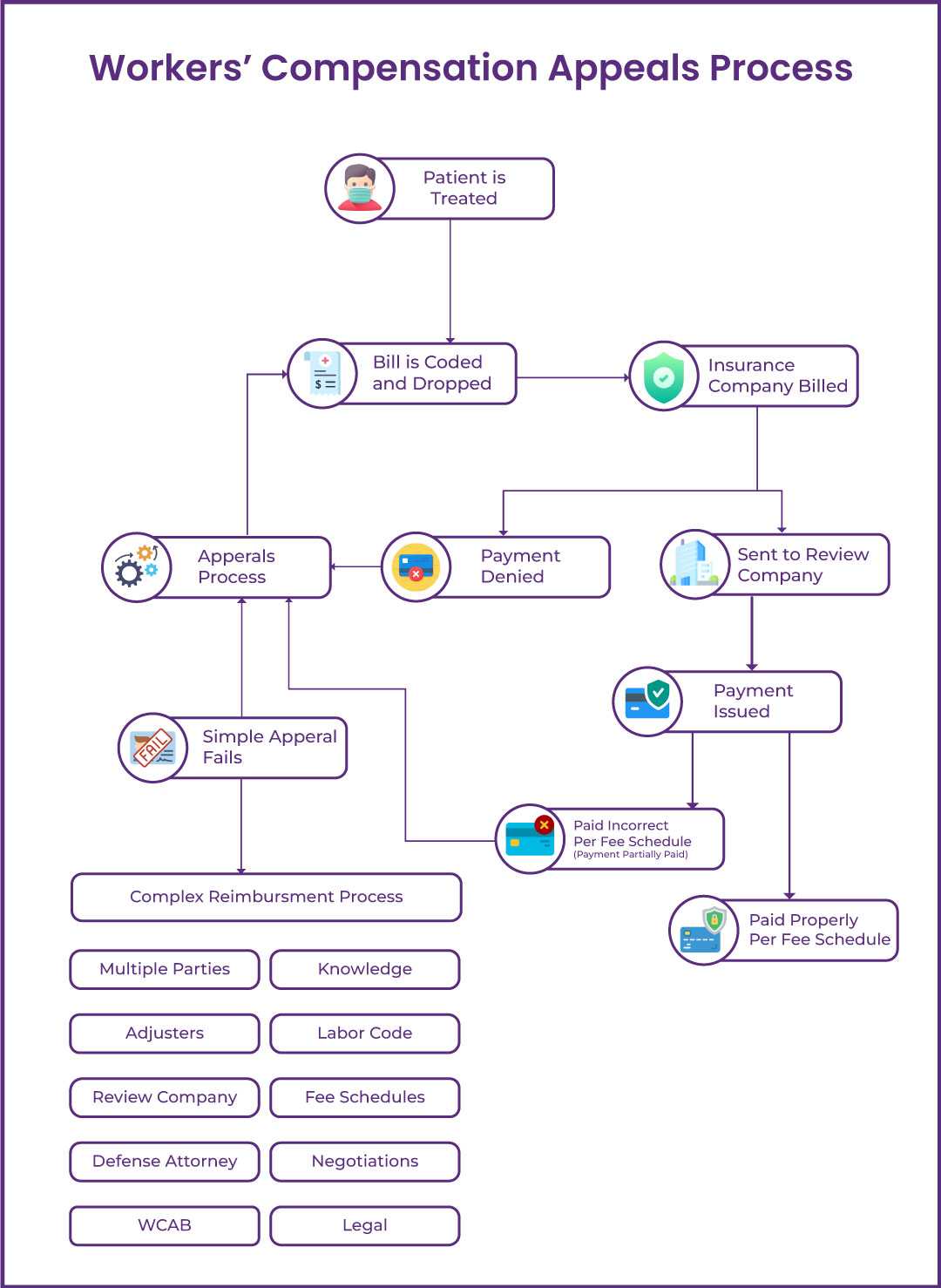
If your claim is denied, you have the right to challenge the decision. This usually involves filing an Adjudication of Claim at the Oxnard District Office. You will then need to see a Qualified Medical Evaluator (QME) to get a neutral medical opinion on whether your injury is work-related.
Does workers' comp cover stress or mental health issues?
Yes, "psychiatric injuries" are compensable in California, but the bar is higher than for physical injuries. Generally, you must have worked for the employer for at least six months, and you must prove that "actual events of employment" were the predominant cause (at least 51%) of the psychiatric condition.
Can I settle my workers' compensation case for a lump sum?
Yes. There are two main types of settlements: a Stipulated Award, which pays your disability in installments and keeps your medical care open, and a Compromise and Release (C&R), which is a one-time lump sum payment that closes your case entirely, including your right to future medical care.
Practical Recommendation
If you have been injured on the job in Oxnard, your first priority must be your health and the preservation of your legal rights. Immediately notify your employer in writing—even via text or email—so there is a timestamped record of the report. Download the DWC-1 Claim Form yourself if your employer is slow to provide it. Because the rules regarding Medical Provider Networks and Permanent Disability ratings are highly technical, consider consulting with a local Information and Assistance officer at the Solar Drive office or a reputable workers' compensation attorney to ensure you are receiving the full scope of benefits you are owed under the 2026 guidelines.
Image Gallery