Sue Perkins and Mel Giedroyc: A Definitive History of a Decades-Long Partnership
The professional partnership between Sue Perkins and Mel Giedroyc, widely known as "Mel and Sue," is one of the most enduring and influential double acts in British broadcasting history. Having met at the University of Cambridge in the...
The professional partnership between Sue Perkins and Mel Giedroyc, widely known as "Mel and Sue," is one of the most enduring and influential double acts in British broadcasting history. Having met at the University of Cambridge in the late 1980s, they forged a career spanning more than 35 years, most notably defining the tone of The Great British Bake Off and revolutionizing daytime television.
Contents
The Origins of Mel and Sue: From Cambridge to the Fringe
The foundation of the Mel and Sue partnership was laid at the University of Cambridge, specifically within the prestigious Footlights Dramatic Club. It was here, in 1988, that the two first encountered one another. While both were pursuing their degrees—Sue at New Hall (now Murray Edwards College) and Mel at Trinity College—their shared comedic sensibilities quickly became apparent.
Their early years were characterized by the traditional "dues-paying" circuit of the UK comedy scene. After graduating, they took their first collaborative steps at the Edinburgh Festival Fringe. Throughout the early 1990s, they developed a style that blended high-brow linguistic wit with low-brow slapstick and double entendres. This period was crucial for establishing their "brand": a chemistry that felt less like a scripted performance and more like an invitation into a private, lifelong friendship.
In 1993, their show Mel and Sue was nominated for the Daily Express Best Newcomers Award at the Fringe. This recognition served as a catalyst, moving them from the damp basement venues of Edinburgh to the radar of major television commissioners who were looking for a fresh, female-led alternative to the male-dominated "lads' mags" comedy culture of the era.
The Breakthrough: Light Lunch and Late Lunch
The late 1990s marked the duo's transition into mainstream stardom with the launch of Light Lunch on Channel 4 in 1997. At the time, daytime television was often viewed as a stagnant territory of recycled films and dry magazine shows. Mel and Sue changed the trajectory of the genre by introducing a live, anarchic, and highly interactive format.
Light Lunch (and its evening successor, Late Lunch) featured the pair cooking with celebrity chefs while interviewing guests in a relaxed, often chaotic environment. The success of the show rested on several key factors:
- Improvisational Skill: Their background in sketch comedy allowed them to handle live television mishaps with grace and humor.
- Relatability: Unlike the polished presenters of the era, Mel and Sue often appeared slightly disheveled, frequently eating the food they were supposed to be discussing and engaging in self-deprecating banter.
- The "Third Wall" Breaking: They often spoke directly to the crew and the audience, creating an inclusive atmosphere that paved the way for modern "cozy" broadcasting.
Although Light Lunch only ran for a few years, it established Mel and Sue as household names and demonstrated that their partnership was a viable commercial entity capable of carrying a flagship program.
The Great British Bake Off: A Cultural Phenomenon
While they had enjoyed a successful career throughout the 2000s with various individual and joint projects, it was the 2010 launch of The Great British Bake Off (GBBO) on BBC Two that elevated them to the status of national treasures.
When the show began, many critics were skeptical that a competition about cakes could capture the public's imagination. However, Mel and Sue’s role as hosts was instrumental in the show's success. They acted as the "support system" for the contestants, offering comfort during "soggy bottom" disasters and shielding bakers from the sometimes harsh critiques of the judges.
The Signature Tone
Their contribution to GBBO was more than just hosting; they provided the show’s comedic DNA. Their use of "history bits"—educational segments about the origins of specific bakes—allowed them to flex their intellectual muscles, while their constant stream of puns and innuendos kept the atmosphere light.
Most importantly, they were protective of the contestants. It has been widely reported that if a baker became too distressed, Mel and Sue would stand next to them and use profanity so that the footage could not be aired, thereby protecting the baker's dignity from being exploited for "drama." This ethical approach to reality television helped define the "kindness" of the Bake Off brand.
The Decision of 2016: Loyalty Over Brand
In 2016, the partnership faced its most significant professional turning point. Love Productions, the company behind Bake Off, announced that the show would be moving from the BBC to Channel 4. The move was financially motivated but met with significant public backlash.
Mel and Sue’s response became a defining moment in British media ethics. They released a joint statement declaring they would not be "going with the dough," choosing to stay with the BBC out of loyalty to the broadcaster that had nurtured the show from its infancy.
Key Impacts of the Departure:
- Public Perception: The duo was praised for their integrity, valuing the spirit of the program over a larger paycheck.
- Legacy Preservation: By leaving at the height of the show's BBC popularity, they preserved their association with the "golden era" of the series.
- Individual Growth: The hiatus from a major year-round production allowed both Sue and Mel to explore diverse solo interests, from travelogues to sitcoms, while maintaining their joint brand for special projects.
Analyzing the Synergy: Why the Partnership Works
As of 2026, looking back at nearly four decades of their friendship, analysts often point to the balance of their personalities as the secret to their longevity.
| Feature | Mel Giedroyc | Sue Perkins |
|---|---|---|
| Academic Background | Italian and Lower Case Languages | English Literature |
| Comedic Role | Often the "enthusiast" or the physical comedian | Often the "deadpan" or the linguistic specialist |
| Solo Specialization | Musical theater, light entertainment, hosting | Travel documentaries, conducting, memoir writing |
| Partnership Dynamic | Nurturing, warm, high-energy | Sharp-witted, intellectual, grounding |
The partnership works because it is rooted in a genuine, non-competitive friendship. In various interviews, both have stated that they have never had a major falling out, attributing this to a shared sense of perspective and a lack of ego regarding who gets the "best" lines.
Post-Bake Off Collaborations and Modern Legacy
Following their departure from GBBO, the duo did not disappear from the collective screen. Instead, they transitioned into more scripted and adventurous content.
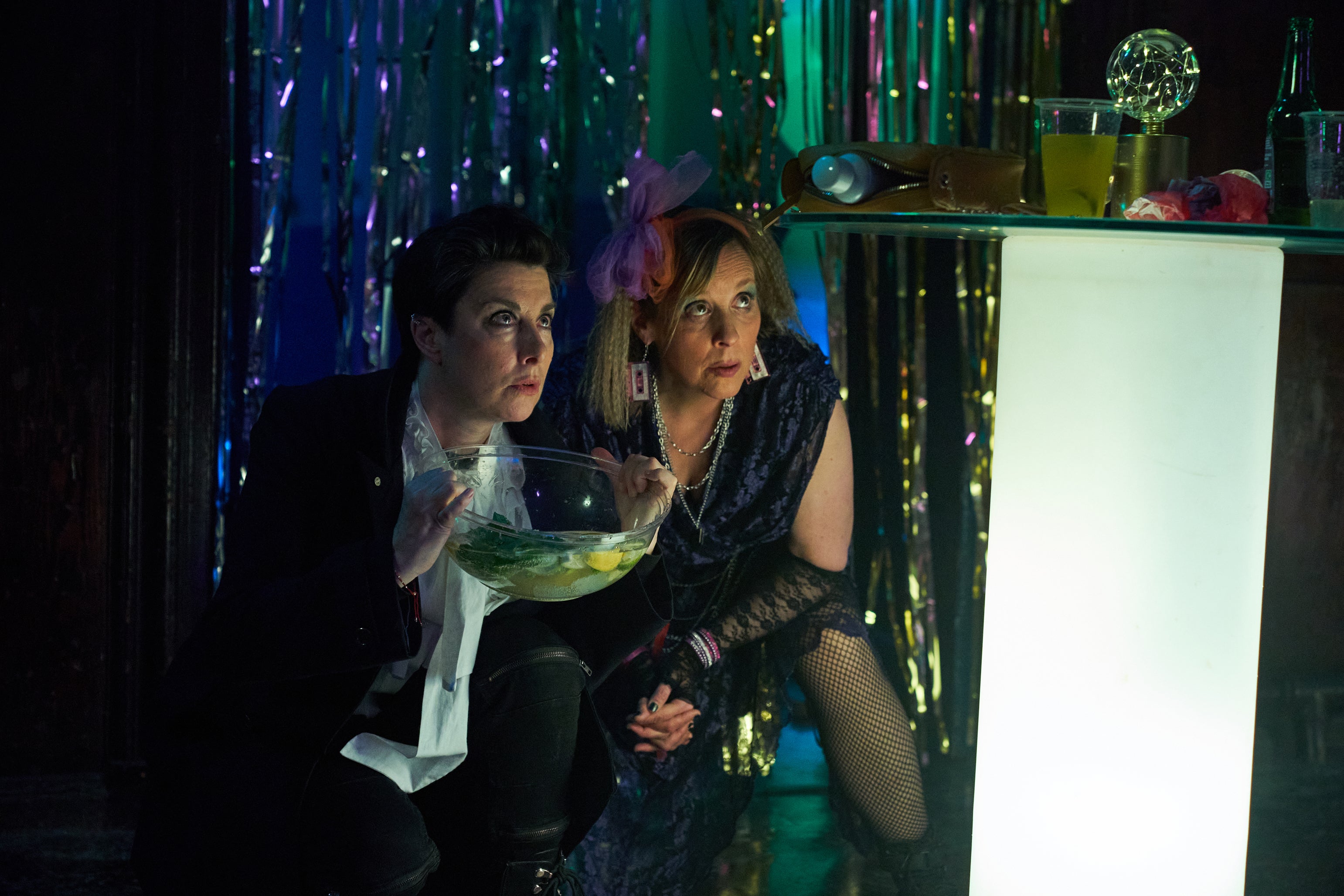
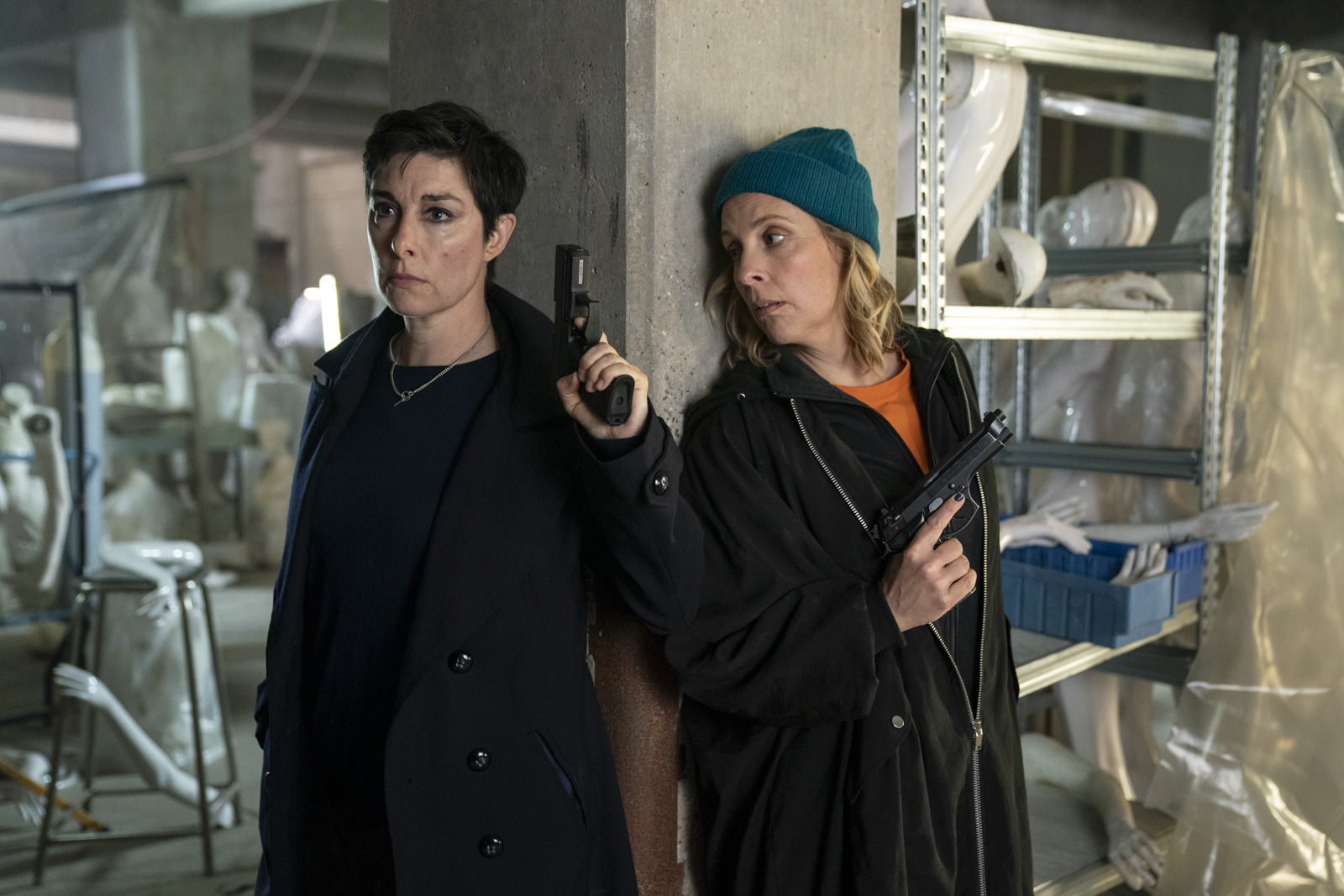
In 2020, they starred in the Sky One comedy series Hitmen, playing two mismatched professional assassins. This project was a departure from their presenting roles, allowing them to return to their sketch-comedy roots and showcase their acting range. The show ran for multiple seasons, proving that their chemistry translated well into fictional narratives.
They also reunited for a reboot of The Generation Game, which, while receiving mixed critical reviews, demonstrated that the BBC still viewed "Mel and Sue" as the gold standard for family-friendly entertainment.
By 2026, their legacy is seen in the countless presenting duos that have attempted to emulate their style. From the rise of "companionable" hosting to the integration of puns into mainstream competition shows, the "Mel and Sue effect" is a permanent fixture of the British cultural landscape.
Frequently Asked Questions
How did Mel and Sue first meet?
Mel and Sue met in 1988 at the University of Cambridge while participating in the Footlights comedy troupe. They began performing together shortly after, taking their first collaborative sketches to the Edinburgh Fringe Festival in the early 1990s.
Are Mel and Sue related or a couple?
No, Mel Giedroyc and Sue Perkins are not related, nor have they ever been a romantic couple. They are best friends who have maintained a strictly professional and platonic relationship for over 35 years. Mel is married with children, while Sue has been open about her life as a prominent figure in the LGBTQ+ community.
Why did Mel and Sue leave The Great British Bake Off?
They chose to leave the show in 2016 when the production moved from the BBC to Channel 4. They famously stated they were not "going with the dough," citing their loyalty to the BBC and their desire to keep the show in its original broadcasting home.
What was their first major TV show?
Their first major breakthrough was the daytime talk show Light Lunch, which debuted on Channel 4 in 1997. The show was revolutionary for its time, featuring live cooking, celebrity interviews, and a highly informal, comedic atmosphere.
Do they still work together as of 2026?
Yes, while both have highly successful solo careers—Sue with her travelogues and Mel with her theater and hosting work—they continue to collaborate on special projects, scripted comedies like Hitmen, and various charity events. Their partnership remains one of the most stable "brands" in British entertainment.
Recommended Next Actions
For those looking to explore the depth of the Mel and Sue partnership, the following steps provide a comprehensive overview of their career:
- Watch Archival Clips of Light Lunch: To understand their impact on modern television, view early episodes of Light Lunch. Their ability to handle live, unscripted chaos is the foundation of their career.
- Read Their Memoirs: Both Sue Perkins (Spectacles) and Mel Giedroyc have written extensively about their lives. These books offer a behind-the-scenes look at their friendship and the challenges they faced in the male-dominated comedy industry of the 90s.
- Explore Their Scripted Work: Beyond their presenting roles, watch Hitmen to see how their comedic timing translates into character-driven storytelling.
- Revisit the Early BBC Seasons of Bake Off: Watching the first six seasons of The Great British Bake Off provides the best example of how they managed to balance competition with genuine human warmth.
Image Gallery